Sicily · Italian
Caponata (Sicilian Sweet-and-Sour Eggplant)
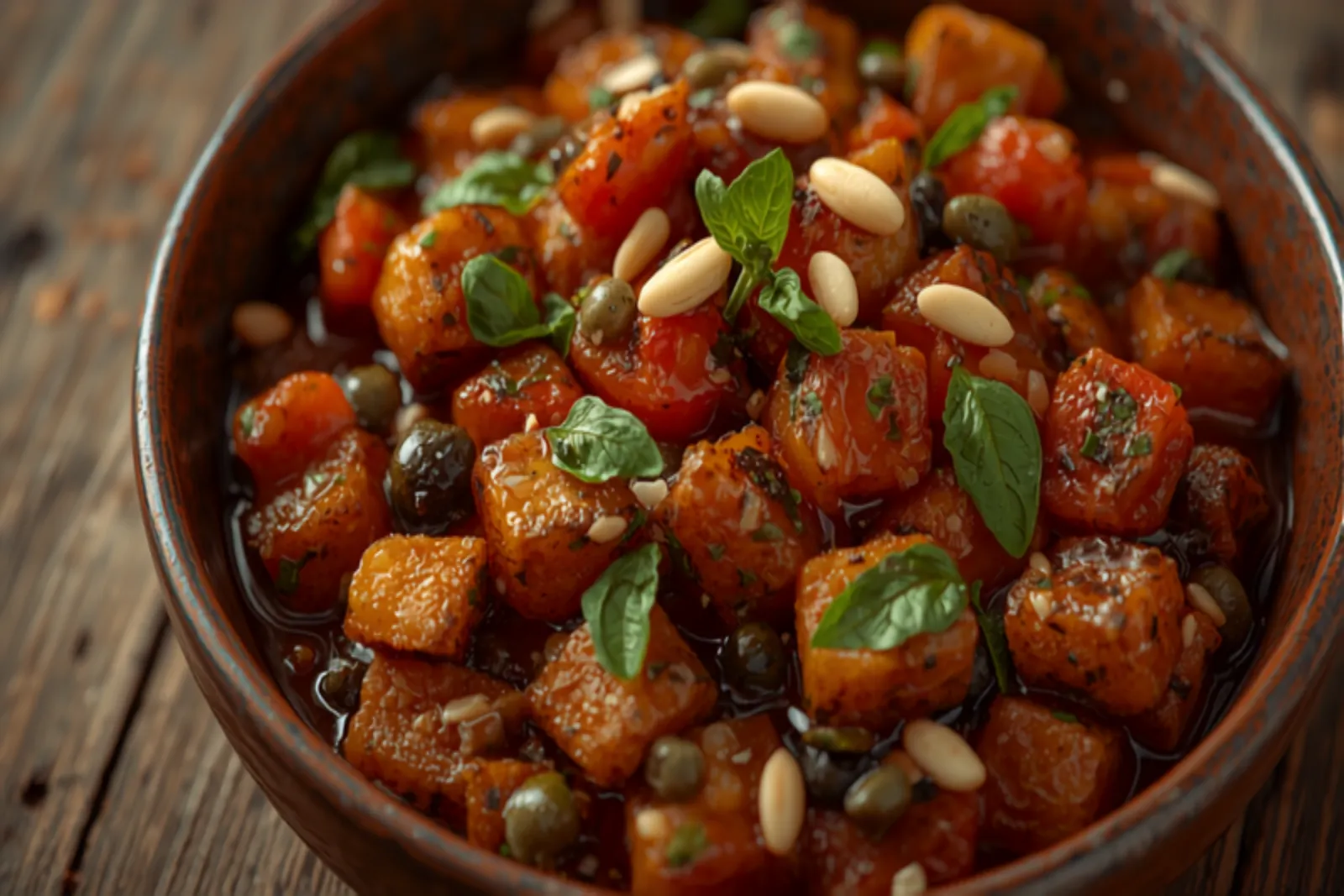
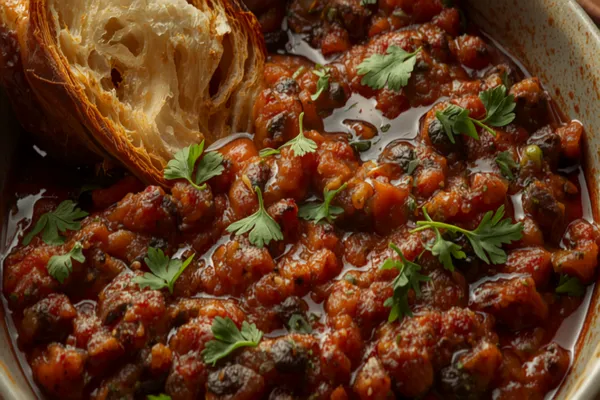
Sicily's great agrodolce: fried eggplant folded with celery, tomato, capers and olives in a sweet-sour sauce sharpened with vinegar and sugar. Better the next day, served at room temperature as a starter, side or relish.
Published June 24, 2026
Cultural context
Caponata is the most famous expression of the Sicilian love of agrodolce — the sweet-and-sour balance left behind by centuries of Arab influence on the island. Almost every family and town has its own version; the constant is fried eggplant in a vinegar-and-sugar sauce with celery, capers and olives. It's served as antipasto, contorno (side) or even spread on bread, always at room temperature.
Caponata is Sicily’s most beloved way with eggplant, and the clearest taste of the island’s defining sweet-and-sour streak — the agrodolce balance of vinegar and sugar left behind by centuries of Arab influence. Fried eggplant is folded with celery, tomato, capers and olives in a glossy sweet-sour sauce, then served at room temperature as a starter, a side, or a relish piled onto bread.
Build it in two pans
The eggplant and the sauce are made separately and married at the end. Salt the cubes first so they collapse and fry up silky rather than oil-logged and bitter, and get them properly deep-golden — pale eggplant tastes raw. In a second pan, soften onion and celery, add tomato, then build the agrodolce with capers, olives, vinegar and sugar, letting the sharpness mellow before the eggplant goes back in.
Better tomorrow
The single most important thing to know about caponata is that it improves with time. Made ahead and left overnight, the vinegar softens, the sugar rounds out and the vegetables soak up the sauce. Serve it cool or at room temperature — never hot — finished with toasted pine nuts and torn basil. Taste and adjust the sweet-sour balance at the end; that tension is the whole point of the dish.
For more Sicilian eggplant, see pasta alla Norma, or browse the full recipe collection.
Ingredients
For the eggplant
- 2 large (about 700 g) eggplant / aubergine Cut into 2 cm cubes.
- salt, for drawing out moisture
- for frying olive oil
For the sauce
- 3 tbsp olive oil
- 1 onion, chopped
- 3 stalks celery, sliced (inner pale stalks if possible)
- 400 g ripe tomatoes or chopped canned tomatoes
- 2 tbsp capers, rinsed
- 100 g green olives, pitted and torn
For the agrodolce
- 3 tbsp red wine vinegar
- 1-2 tbsp sugar Balance to taste — caponata should be assertively sweet-sour.
To finish
- 2 tbsp toasted pine nuts (optional)
- torn basil or mint, and a little more olive oil
Method
Tap a step’s number to check it off as you go.
-
Salt the eggplant cubes and leave in a colander 20-30 minutes, then pat dry.
Why: Salting collapses the spongy flesh so the eggplant fries up creamy instead of soaking up oil and staying bitter.
-
Fry the eggplant in batches in hot oil until deep golden, then drain on paper towels.
Why: Properly browned, silky eggplant is the backbone of caponata; crowding the pan steams it grey. Fry hot and in batches.
-
In a separate pan, soften the onion and celery in oil, then add the tomatoes and simmer 10 minutes until thickened.
Why: Cooking the celery until just tender keeps a little bite for texture; reducing the tomato concentrates it into a proper sauce.
-
Stir in the capers, olives, vinegar and sugar and simmer 5 minutes.
Why: This is the agrodolce moment — let the vinegar's sharpness mellow and the sugar dissolve so the sweet-sour reads as balanced, not raw.
-
Fold the fried eggplant gently back in and cook another 5 minutes. Taste and adjust the sweet-sour balance.
Why: Folding (not stirring hard) keeps the eggplant intact; the final seasoning check is essential because the balance is the dish.
-
Cool to room temperature, then ideally chill overnight. Serve scattered with pine nuts and basil.
Why: Caponata is one of those dishes that genuinely improves overnight as the flavours marry; serving it cold or at room temperature is traditional and tastes best.
A quick, anonymous tap — no review needed.
Variations
- With raisins
Add 2 tbsp soaked raisins or sultanas with the olives for a more pronounced Arab-influenced sweetness — common in the Palermo style.
- Lighter (roasted)
Roast the salted, oiled eggplant cubes at 220°C/425°F until golden instead of frying, for far less oil.
- With cocoa or chocolate
A few Sicilian versions finish with a pinch of unsweetened cocoa or grated dark chocolate for depth — unusual but traditional in parts of the island.
Serving & Storage
Serve at room temperature as an antipasto with bread, as a side to grilled fish or meat, or spooned over ricotta on toast. A staple of the Sicilian table that keeps and travels well.
Pairs with: Crusty bread, Grilled fish, A Sicilian white or light red (Etna).
Storage: Keeps 5 days refrigerated and improves for the first 2-3. Bring back to room temperature before serving. Freezes acceptably.
Nutrition
Per serving (1/6 recipe)
- Calories
- 210
- Protein
- 3 g
- Carbs
- 16 g
- Fat
- 15 g
- Fiber
- 5 g
- Sugar
- 9 g
- Sodium
- 420 mg
Notable micronutrients: Vitamin C, Potassium, Vitamin A, Fiber
Estimated using standard ingredient data. Values vary with brands and substitutions.
Frequently Asked Questions
Why is it served cold?
Caponata is meant to be eaten at room temperature or chilled, never piping hot — it lets the sweet-sour flavours come forward and is how it's served across Sicily, as an antipasto or relish.
Can I make it ahead?
You should. Caponata is markedly better a day or two after it's made, once the vinegar, sugar and vegetables have had time to meld. It's an ideal make-ahead dish.
Do I have to fry the eggplant?
Frying gives the richest, most authentic result, but roasting the salted cubes at high heat is a lighter route that still works well. Either way, get them properly golden — pale eggplant tastes raw.
What to drink with this
All drinks →Hand-picked pours to match this dish. Alcoholic pairings are for adults of legal drinking age (21+ in the US) — please drink responsibly.
 21+
21+ Florence, Italy (Tuscan aperitivo tradition) · Italian
Negroni (The Perfect Three-Part Aperitivo)
Equal parts gin, Campari and sweet vermouth, stirred over ice with an orange peel. Italy's great bitter aperitivo — the easiest world-class cocktail to remember and one of the hardest to improve on.
 21+
21+ Veneto, Northern Italy (Venice & Padua) · Italian
Aperol Spritz (The Italian Sunset Aperitivo)
Italy's golden-hour spritz: Aperol, Prosecco and soda over ice with an orange slice. The 3-2-1 ratio, why the order you pour matters, and the lightest world-famous aperitivo.
Jamaica & the Caribbean; England · Caribbean / British
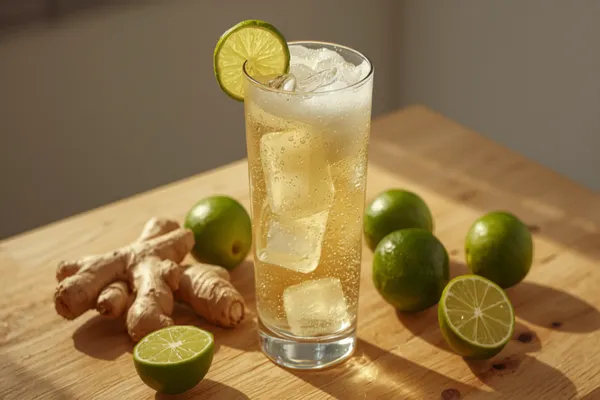
Ginger Beer (Homemade, Fiery & Non-Alcoholic)
Fresh ginger, lime and sugar carbonated into a spicy, bracing brew — the real thing, far hotter than anything bottled. A Caribbean and British favourite that's the backbone of the Moscow Mule and Dark 'n' Stormy, and a sensational soda on its own.
From our kitchen community
Ratings & Reviews
My Rating
Tap a star to rate — no sign-in, no form needed.
My Review
0 Ratings
🥣 0 home cooks made it!
Be the first to rate Caponata (Sicilian Sweet-and-Sour Eggplant).
Related Recipes
Catania, Sicily · Italian
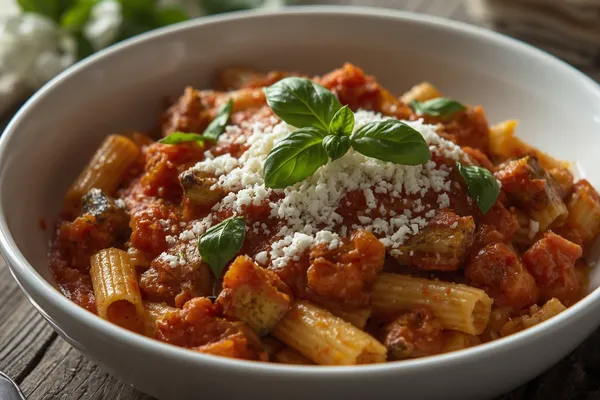
Pasta alla Norma (Sicilian Pasta with Fried Eggplant)
Catania's great eggplant pasta: fried aubergine folded into a bright tomato sauce, tossed with rigatoni, and showered with salty ricotta salata and torn basil. A vegetarian dish that eats like a celebration.
Naples & Campania · Italian
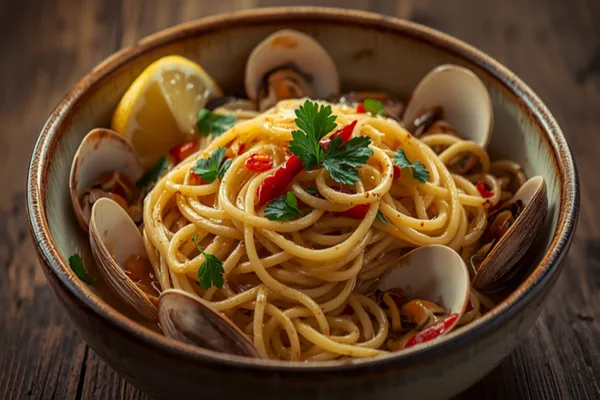
Spaghetti alle Vongole (Spaghetti with Clams)
Naples in a bowl: spaghetti tossed with clams steamed open in white wine, garlic, chilli and olive oil, emulsified with their own briny juices into a glossy sauce. No cheese, no fuss — just the sea, in minutes.
Morocco (Maghreb) · Moroccan
Zaalouk (Moroccan Smoky Eggplant and Tomato Salad)
A Moroccan cooked salad to love: charred eggplant and tomato melted down with garlic, cumin, paprika and coriander into a smoky, jammy dip. Scooped with bread, warm or at room temperature, on every Moroccan table.