Cultural Story · International
World Classics: A Cook's Tour Beyond India
Table & Traditions is India-first, but the world has a place at this table too. A guide to our curated international slice — the European, East Asian, Southeast Asian, Middle Eastern and North African, and American dishes worth cooking, and where to begin with each.
Published June 20, 2026
Table & Traditions is, first and foremost, a map of Indian cooking — region by region, state by state, home kitchen by home kitchen. But no good cook stays in one country forever, and the world beyond the subcontinent has a standing invitation to this table. What follows is our world classics collection: a deliberately small, deliberately excellent slice of international cooking, each dish chosen because it is the kind of thing a home cook in its own country would be proud to serve.
These dishes don’t share a pantry the way the recipes of, say, South India do. What they share is pedigree. Each is a defining plate of its place, and each teaches a technique worth carrying with you — how to build a dark roux, how to coax a glossy sauce from nothing but cheese and starchy water, how to chase the crisp crust on a pan of rice.
Europe
European cooking, at its best, is about doing a few good things to good ingredients and waiting. France gives us boeuf bourguignon, beef braised in red wine until it falls apart — a lesson in browning and patience. From Spain comes paella valenciana, the original Valencian paella of chicken, rabbit, and beans, where the prize is the toasted crust of rice at the bottom of the pan. Greece contributes moussaka, the grand layered bake of eggplant, spiced lamb, and béchamel. And from Italy, two Roman and Sicilian classics that prove how little you need: cacio e pepe, three ingredients and a technique, and pasta alla Norma, Catania’s great eggplant pasta.
East Asia
East Asian cooking rewards a stocked pantry and a hot pan. China is represented by two regional poles: fiery, numbing mapo tofu from Sichuan, built on fermented bean paste and Sichuan pepper, and lacquered, sweet-savoury char siu from Cantonese Guangdong. Korea brings the colourful, build-your-own bibimbap and the marinated, caramelised beef of bulgogi. And from Japan come two everyday classics: the shatter-crisp breaded cutlet tonkatsu and the comforting chicken-and-egg rice bowl oyakodon.
Southeast Asia
Southeast Asia gets its own dedicated guide — A Cook’s Map of Southeast Asia — because it’s a region we cover in its own right, as the bridge between the Indian core and the wider world. There you’ll find Thai green curry and pad krapow, Vietnamese phở gà, Indonesian beef rendang, Filipino chicken adobo, and Hainanese chicken rice from the hawker stalls of Singapore and Malaysia.
The Middle East & North Africa
This is the world’s great crossroads of spice, and the cooking shows it. From Morocco comes the chicken tagine with preserved lemon and olives, slow-cooked in a single pot. Shakshuka — eggs poached in a spiced tomato-and-pepper sauce — spans the Maghreb and the Levant and may be the world’s best one-pan meal. And from the Levant, humble, soulful mujaddara, lentils and rice under a heap of deeply caramelised onions.
The Americas
The Americas are where the old world’s techniques met new-world ingredients. Mexico gives us tacos al pastor, chili-and-achiote pork crowned with pineapple, and tinga de pollo, smoky chipotle chicken from Puebla. From the American South come two dishes built on patience and place: Louisiana gumbo, the dark-roux stew that is a whole culture in a bowl, and Lowcountry shrimp and grits. And from Peru, the bright, electric ceviche, fish “cooked” in nothing but lime.
Where to begin
If you’re new to a cuisine, start where it’s hardest to go wrong. Shakshuka and bulgogi are weeknight-fast and forgiving; char siu is mostly hands-off; cacio e pepe is quick but teaches a technique worth owning. Then, when you have an afternoon to give, reach for a project — boeuf bourguignon, paella, moussaka, or gumbo — the dishes that turn time at the stove into something memorable.
Hungry for more? Browse the full recipe collection, explore the regional cuisines of India, or read more cultural stories behind the food.
Frequently Asked Questions
Why does an India-first site cover world classics?
Table & Traditions goes deep on the regional cuisines of India, but cooking is a global conversation. The world classics here are a deliberately curated slice — best-in-class dishes from other traditions, each treated on its own terms and with the same care we give an Indian regional dish: real cultural context, the technique that matters, and the 'why' behind every step.
Which world classic should a beginner cook first?
Start where the technique is forgiving: shakshuka (one pan, hard to ruin), bulgogi (a quick marinade and a hot pan), char siu (mostly hands-off roasting), or cacio e pepe if you want a fast pasta with a technique worth mastering. From there, give a slow afternoon to a project like boeuf bourguignon, paella, moussaka, or gumbo.
What ties these dishes together?
Nothing but quality — they don't share a pantry or a technique the way a single region's dishes do. What they share is that each is a defining dish of its place, the one a home cook there would be proud to set on the table, and each teaches a technique worth having in your repertoire.
Related Recipes
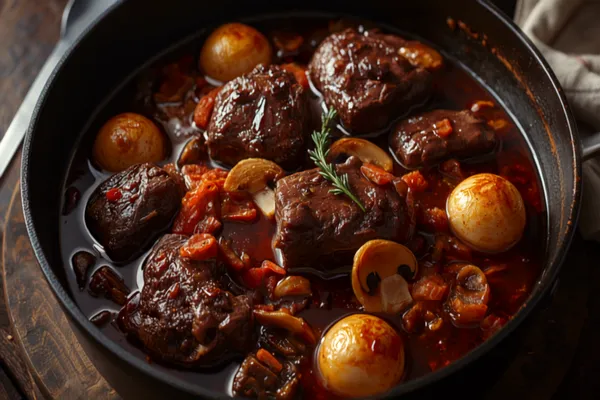
Burgundy · French
Boeuf Bourguignon (Burgundy Beef Braised in Red Wine)
The great beef stew of Burgundy: chunks of beef braised slowly in red wine with bacon lardons, pearl onions, and mushrooms until the sauce turns deep and glossy. A weekend project that rewards patience with one of France's most satisfying dishes.
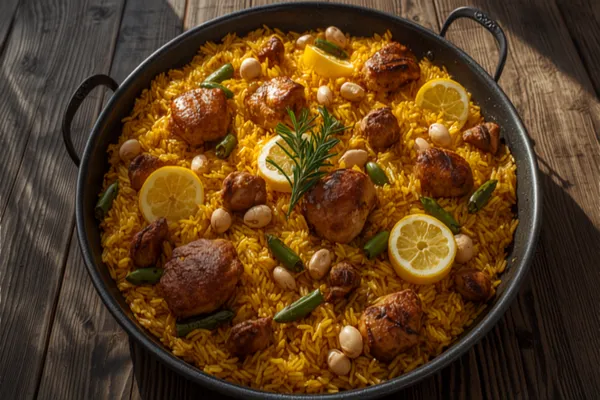
Valencia · Spanish
Paella Valenciana (Authentic Valencian Paella)
The original paella from Valencia — not a seafood free-for-all, but chicken, rabbit, and green beans cooked with bomba rice, saffron, and a prized layer of toasted crust called the socarrat. Cooked in a wide pan over a wide flame, it's a Sunday ritual as much as a recipe.
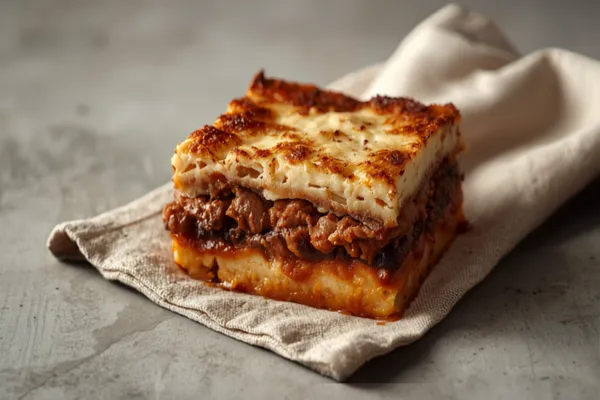
Greece · Greek
Greek Moussaka (Layered Eggplant and Lamb Bake)
Greece's grand baked casserole: layers of roasted eggplant and potato over a cinnamon-scented lamb ragù, crowned with a thick blanket of béchamel that bakes into a golden, custardy top. A make-ahead showpiece worth every step.
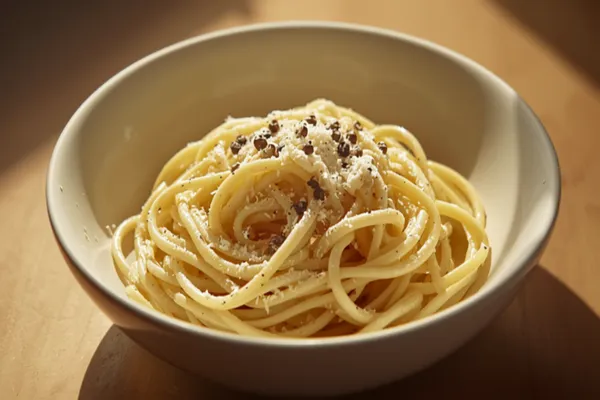
Rome, Lazio · Italian
Cacio e Pepe (Roman Pasta with Pecorino and Black Pepper)
Rome's three-ingredient masterpiece: spaghetti tossed with Pecorino Romano and toasted black pepper into a glossy, clinging sauce — no cream, no butter, just cheese, pepper, pasta, and starchy water. Simple to list, technical to nail.
Catania, Sicily · Italian
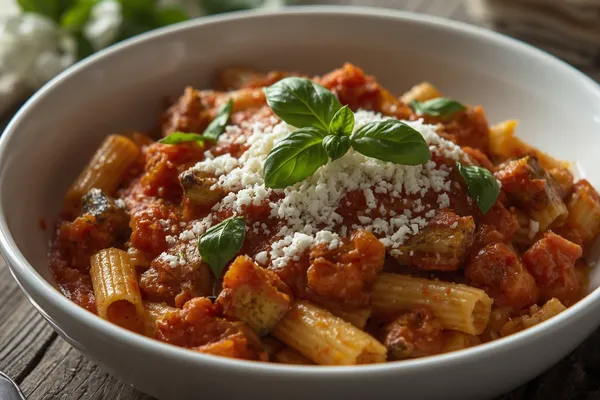
Pasta alla Norma (Sicilian Pasta with Fried Eggplant)
Catania's great eggplant pasta: fried aubergine folded into a bright tomato sauce, tossed with rigatoni, and showered with salty ricotta salata and torn basil. A vegetarian dish that eats like a celebration.
Sichuan · Chinese
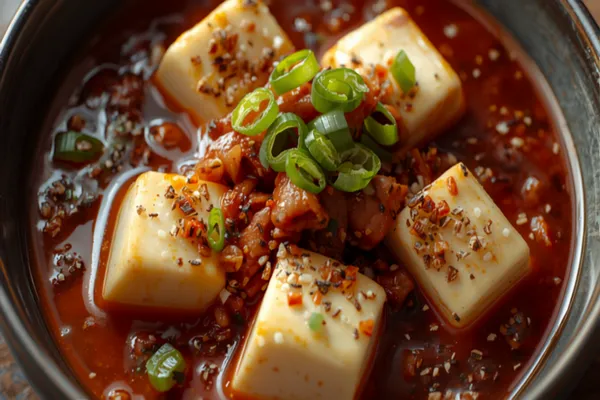
Mapo Tofu (Sichuan Tofu in Spicy Bean Sauce)
The great tofu dish of Sichuan: silky cubes of tofu in a fiery, savoury sauce of fermented broad-bean paste and minced pork, finished with the tongue-tingling buzz of ground Sichuan pepper. Ready in 20 minutes and built on a handful of pantry powerhouses.
Guangdong (Cantonese) · Chinese
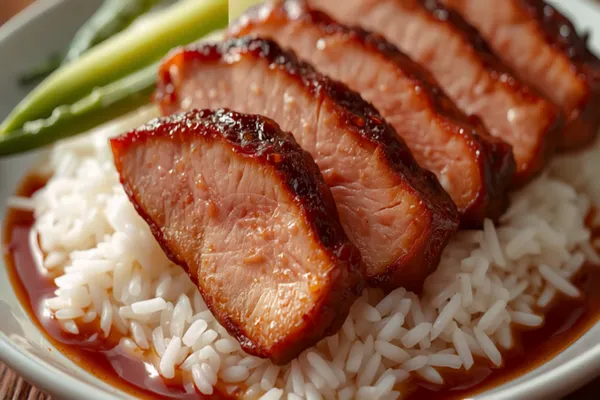
Char Siu (Cantonese Barbecue Pork)
The lacquered red-edged pork that hangs in every Cantonese roast-meat window: pork shoulder marinated in a sweet-savoury glaze of hoisin, soy, honey, and five-spice, then roasted and basted until sticky and caramelised. Easier at home than you'd think.
Korea · Korean
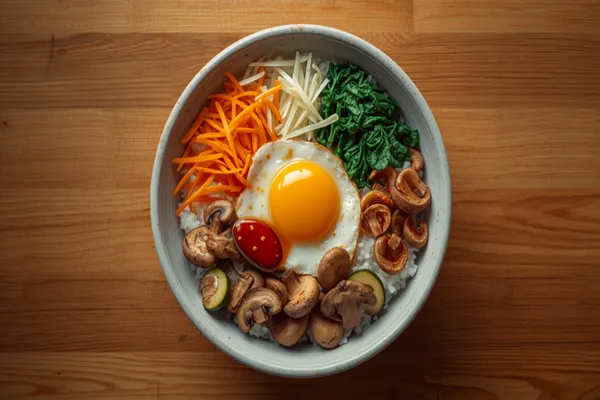
Bibimbap (Korean Mixed Rice Bowl)
Korea's beautiful mixed rice bowl: a base of warm rice crowned with seasoned vegetables, marinated beef, a fried egg, and a spoonful of sweet-spicy gochujang sauce — all stirred together at the table. Endlessly adaptable and a feast of colour, texture, and flavour.
Korea · Korean
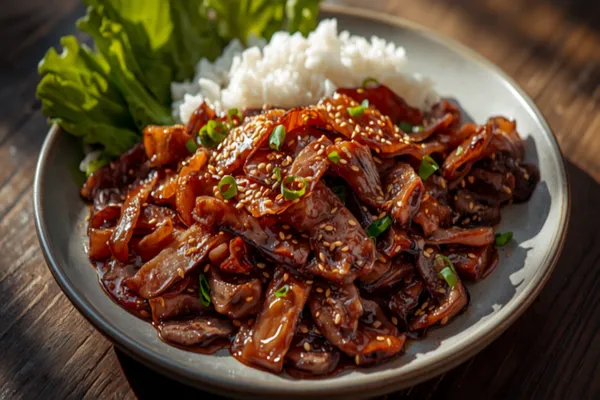
Bulgogi (Korean Marinated Grilled Beef)
Korea's beloved 'fire meat': thin slices of beef marinated in a sweet-savoury blend of soy, pear, garlic, and sesame, then seared hot and fast until caramelised at the edges. Tender, glossy, and ready in minutes once it hits the pan.
Japan · Japanese
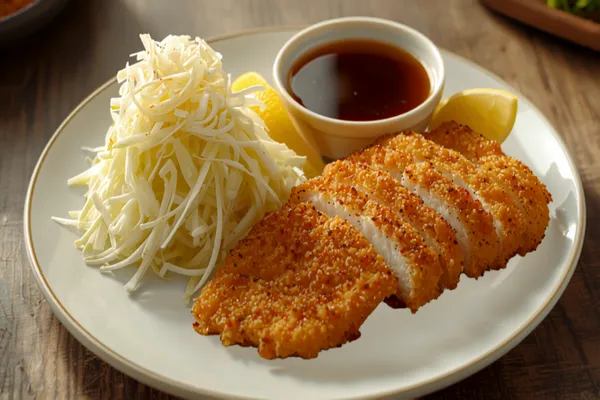
Tonkatsu (Japanese Crispy Breaded Pork Cutlet)
Japan's beloved breaded pork cutlet: a thick pork loin coated in airy panko and fried to a deep golden shatter-crisp, sliced into strips, and served with tangy tonkatsu sauce and a heap of shredded cabbage. Crunchy outside, juicy within.
Japan (nationwide home cooking; the donburi tradition is rooted in Tokyo) · Japanese
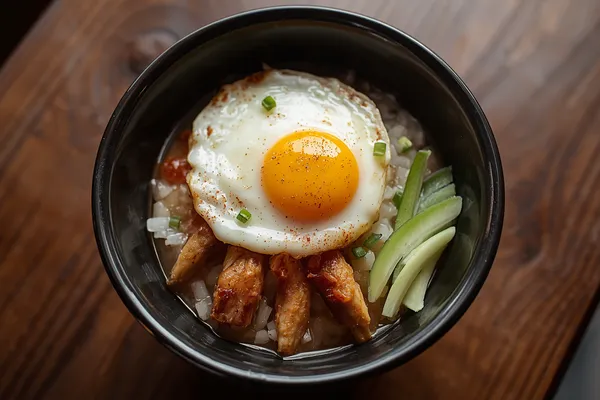
Oyakodon (Japanese Chicken and Egg Rice Bowl)
The Japanese home-cooking classic: chicken simmered with sweet onions in a dashi-soy broth, bound with barely-set egg and slid over hot rice. Fast, frugal, and deeply comforting — dinner in under thirty minutes.
Morocco · Moroccan
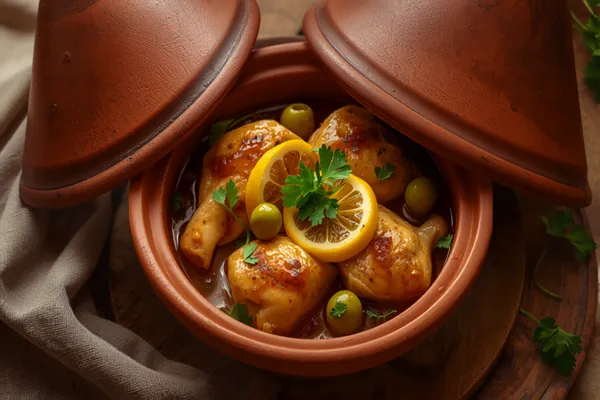
Moroccan Chicken Tagine with Preserved Lemon and Olives
The classic of the Moroccan table: chicken slow-cooked with preserved lemon, green olives, ginger, and saffron until the meat slips off the bone in a golden, deeply savoury sauce. Aromatic, gently spiced, and far easier than it looks.
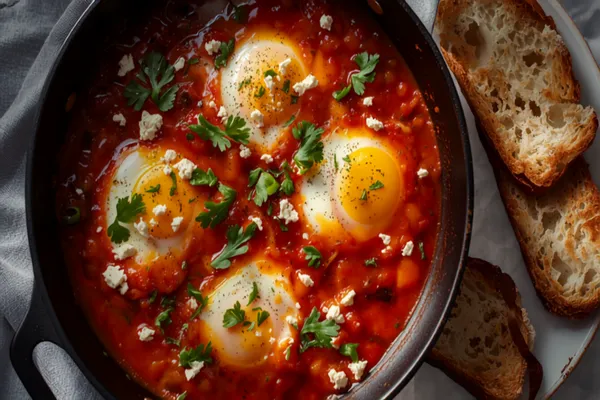
Maghreb & the Levant · Levantine / North African
Shakshuka (Eggs Poached in Spiced Tomato and Pepper Sauce)
The great brunch of the eastern Mediterranean and North Africa: eggs gently poached in a simmering sauce of tomatoes, peppers, garlic, and warm spices, served bubbling from the pan with bread for scooping. One skillet, endlessly satisfying.
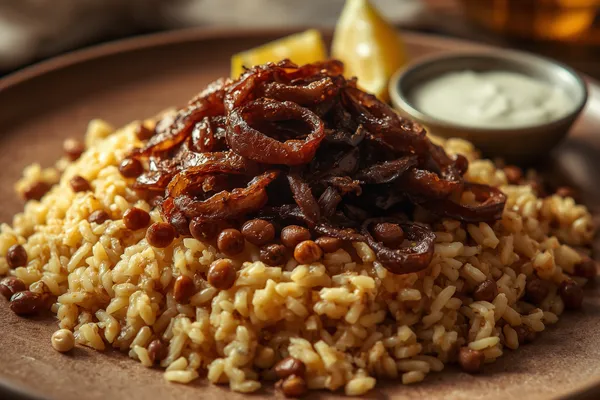
The Levant (Lebanon, Syria, Jordan, Palestine) · Middle Eastern
Mujaddara (Lentils and Rice with Crispy Caramelized Onions)
The Levantine dish of lentils, rice, and deeply caramelized onions — humble, ancient, and quietly luxurious. A handful of ingredients turned into something far greater than their cost, crowned with onions fried until almost black and sweet.
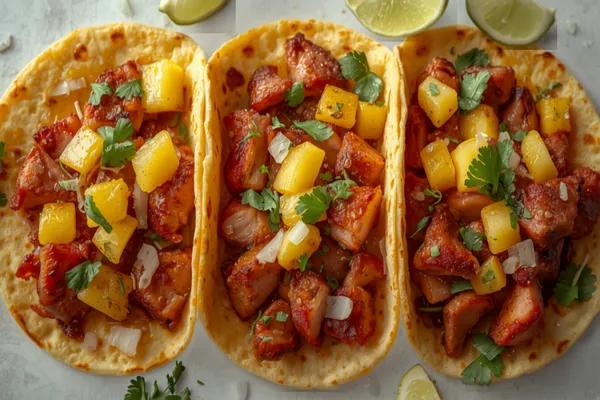
Mexico City · Mexican
Tacos al Pastor (Marinated Pork Tacos with Pineapple)
Mexico City's iconic taco: pork marinated in dried chilies, achiote, and pineapple, roasted until the edges crisp, then piled into warm corn tortillas with onion, coriander, and a hit of salsa. A spit-roast classic reworked for the home oven.
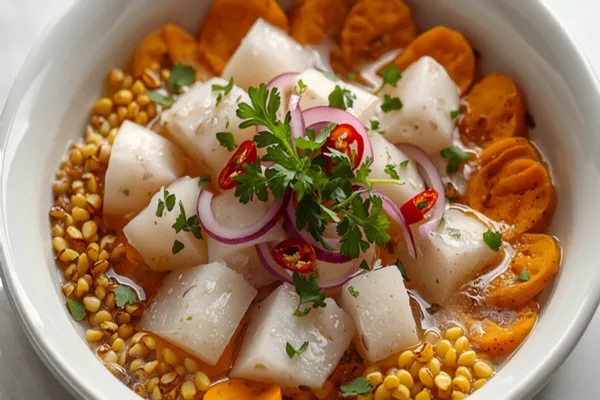
Peru · Peruvian
Peruvian Ceviche (Ceviche de Pescado)
Peru's national dish: fresh white fish 'cooked' in lime juice with chili, red onion, and coriander, served with the bright, punchy marinade known as leche de tigre. Fast, raw, electric — a five-minute marinade is all it takes.
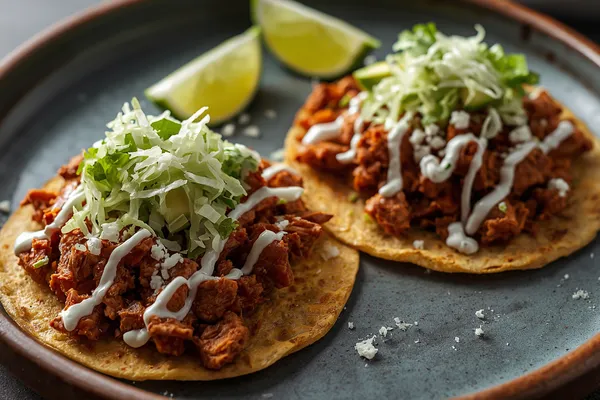
Puebla (tinga poblana) · Mexican
Tinga de Pollo (Chipotle Chicken Tinga)
Puebla's smoky shredded chicken: poached and pulled, then simmered with tomatoes, onions, and chipotles in adobo until glossy and deep. Pile it onto tostadas with crema and avocado for one of Mexico's great weeknight meals.
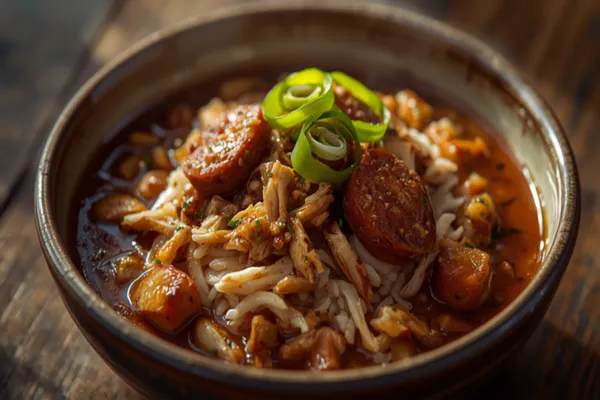
Louisiana · American (Creole/Cajun)
Louisiana Chicken and Sausage Gumbo
The soul of Louisiana in a pot: a dark, nutty roux thickened with the 'holy trinity' of vegetables, simmered with chicken and andouille sausage into a deep, smoky stew, served over rice. Patience at the stove is the whole secret.
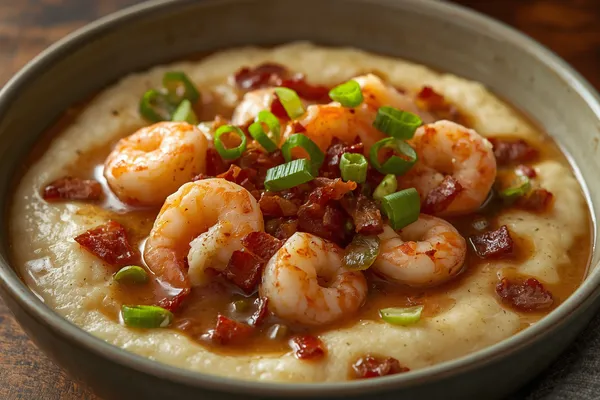
The Lowcountry (coastal South Carolina and Georgia) · American Southern
Lowcountry Shrimp and Grits
The South Carolina coast in a bowl: sweet shrimp in a savory, peppery gravy spooned over a pot of slow-cooked, properly creamy stone-ground grits. A Gullah Geechee breakfast that became a Southern icon.
Related stories & guides
- Cultural Story · Southeast AsiaA Cook's Map of Southeast AsiaSoutheast Asia isn't one cuisine but a dozen, bound loosely by rice, fish sauce, fresh herbs, and the pounded paste. A guide to how Thai, Vietnamese, Indonesian, Filipino, Malaysian, and Singaporean cooking differ, what they share, and where to start cooking.
- Ingredient Deep Dive · JapanDashi: The Quiet Foundation Under Japanese CookingBefore miso soup, before noodle broth, before a hundred simmered dishes, there is dashi — the five-minute stock of kelp and dried fish that gives Japanese food its savory depth. Here's what it is, why it matters, and how to make it.
- Cultural Story · The Lowcountry (coastal South Carolina and Georgia)The Gullah Geechee Roots of Lowcountry CookingShrimp and grits, red rice, gumbo, okra stew — the food the world calls 'Southern' was, on the coast, shaped by the Gullah Geechee, descendants of enslaved West Africans who built a distinct culture and cuisine along the Carolina and Georgia shore.
- Festival & Seasonal · InternationalWorld Festive: Recipes for Celebrations Around the GlobeEvery culture has its feast days — the holiday tables, the harvest gatherings, the festivals devoted to a single beloved food. This is our guide to celebration cooking from around the world, from a French Yule log to Hawaiian Spam musubi, and the festivals behind each dish.