West Sumatra (Minangkabau) / Southeast Asia · Indonesian
Beef Rendang (Rendang Daging)
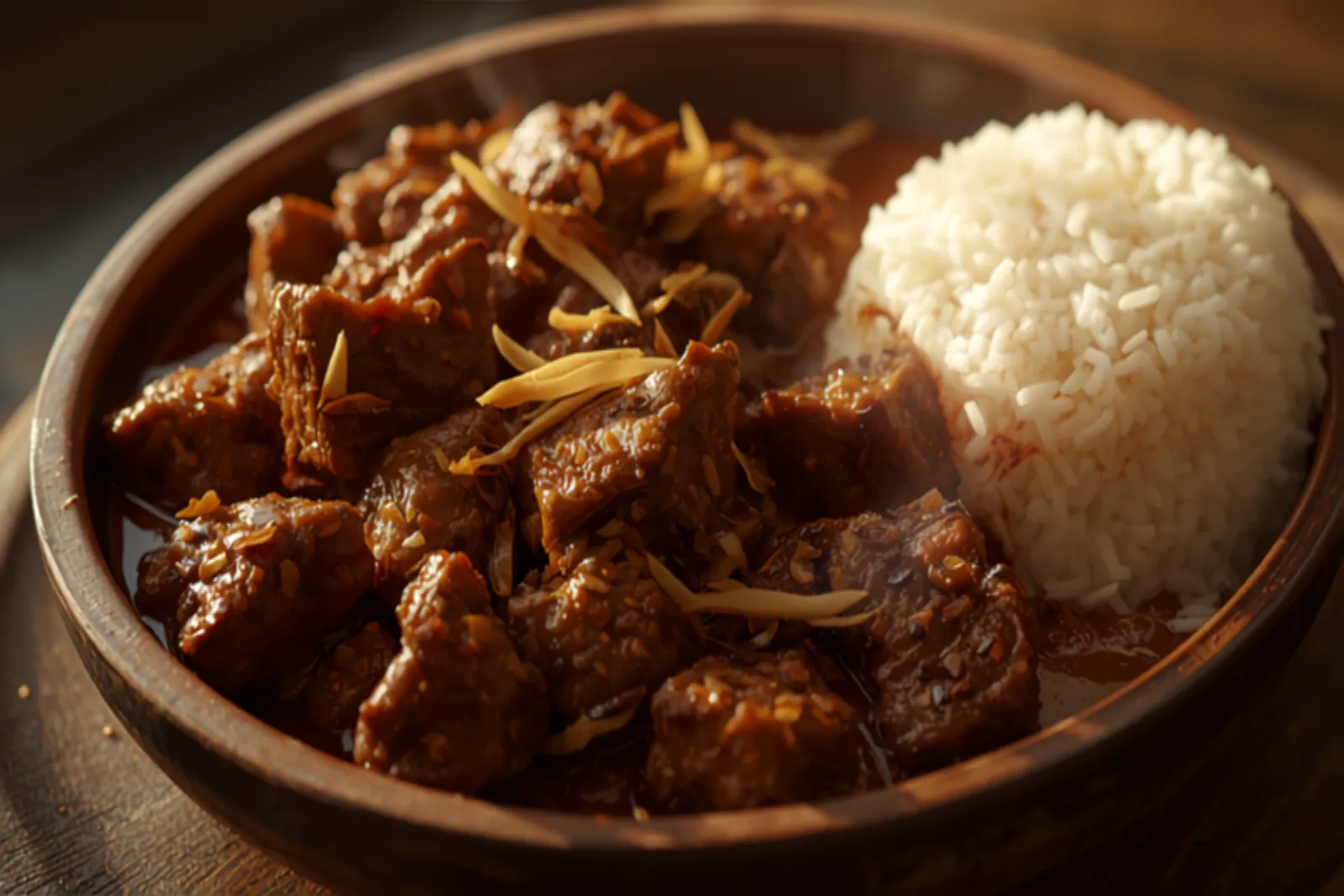
The Minangkabau slow-cooked dry curry of West Sumatra: beef simmered for hours in coconut milk and a pounded spice paste until the liquid renders away and the meat turns dark, glossy, and meltingly tender. Patience is the only difficult ingredient.
Published June 20, 2026
Cultural context
Rendang comes from the Minangkabau highlands of West Sumatra, where it began as a way to preserve meat in a tropical climate: cook it long enough and the coconut milk and spices render to a near-dry coating that keeps for weeks. It's ceremonial food, served at weddings and the Hari Raya feasts marking the end of Ramadan, and a point of fierce regional pride — the 'wet' version sold as rendang elsewhere is, to a Minang cook, merely kalio, rendang's unfinished younger self.
Rendang is the dish that taught the world Indonesian food has a depth bar none — and that proper slow cooking can’t be rushed. From the Minangkabau highlands of West Sumatra, it’s beef simmered for hours in coconut milk and a pounded spice paste until every drop of liquid renders away and the meat is left dark, glossy, and falling apart, wearing a near-dry coat of concentrated spice. There is no shortcut. There is only time and a wooden spoon.
Not a braise — a slow fry
The thing to understand about rendang is that it’s not really a curry or a braise. It’s a reduction that becomes a fry. The coconut milk starts soupy (that stage has its own name, kalio), thickens to a dark caramel, then splits — and the meat finishes by frying in the oil the coconut releases. That final frying is where the colour, the gloss, and the keeping-quality come from. Stop too early and you’ve made kalio, which is lovely but isn’t rendang. The Minangkabau distinction is real and worth honouring.
Two pastes do the work
Rendang leans on two things you make yourself. The bumbu — chilies, shallots, garlic, ginger, galangal, turmeric, pounded smooth and fried until the oil splits — is the flavour base. The kerisik — coconut toasted dark and ground to an oily paste — is the body, the nutty depth, and half the colour. Skip the kerisik and you have a generic coconut beef; include it and you have the real thing. Neither takes long; both matter.
Patience, and the right cut
Use a tough, collagen-rich cut — chuck or shin — in big chunks, because three hours of cooking is exactly what turns connective tissue silky and would turn a lean cut to string. Cook uncovered, stir more and more often as it dries, and don’t walk away at the end when the sugar-rich coating wants to catch. What you’re rewarded with keeps for days, deepens overnight, and tastes like a festival — which, in West Sumatra, is precisely when it’s made.
More from the region: fast pad krapow gai or tangy chicken adobo. Or read the cook’s map of Southeast Asia.
Ingredients
For the spice paste (bumbu)
- 10–15 dried red chilies Soaked in hot water; the classic deep red and moderate heat. Add fresh red chilies for more fire.
- 8 shallots
- 6 cloves garlic
- 1 thumb each ginger and galangal
- 3 cm fresh turmeric (or 1 tsp ground)
For the braise
- 1 kg beef chuck or shin A tough, collagen-rich cut is essential — it's what turns silky over three hours. Cut into large 4–5 cm chunks.
- 1 litre (about 2.5 cans) coconut milk Full-fat. A mix of thick coconut milk and a little water is traditional.
For the braise (aromatics)
- 3 stalks lemongrass Bruised and knotted.
- 5 kaffir lime leaves
- 2 turmeric leaves and/or salam (Indonesian bay) leaves Turmeric leaf is the authentic, hard-to-find perfume of rendang; salam or a bay leaf are stand-ins. Omit if you have neither.
- 1 stick cinnamon, plus 3 cloves and 2 star anise
For the kerisik (toasted coconut)
- 4 tbsp desiccated or freshly grated coconut Dry-toasted to deep brown and ground — this gives rendang its body and nutty depth.
To season
- 1 tbsp palm sugar and salt to taste
Method
Tap a step’s number to check it off as you go.
-
Blend or pound the soaked chilies, shallots, garlic, ginger, galangal, and turmeric into a smooth paste with a splash of water.
Why: The bumbu is the flavour foundation; a smooth paste fries evenly and melts into the sauce rather than staying gritty.
-
Make the kerisik: toast the grated coconut in a dry pan, stirring constantly, until deep golden-brown, then grind it to a coarse, oily paste. Set aside.
Why: Toasted coconut adds the nutty depth and natural thickening that gives finished rendang its dark, clinging coat — it's a defining, often-skipped element.
-
Fry the spice paste in a little oil in a wide, heavy pot over medium heat until it darkens and the oil separates out, 8–10 minutes, then add the cinnamon, cloves, star anise, lemongrass, and leaves.
Why: Frying the bumbu until the oil splits cooks out the raw edge and concentrates it. Whole aromatics bloom in the hot oil before any liquid goes in.
-
Add the beef and turn to coat, then pour in the coconut milk. Bring to a gentle simmer, uncovered, stirring now and then.
Why: Coating the beef in the fried paste first seals flavour onto the meat. Cooking uncovered is the whole technique — you're reducing, not just braising.
-
Simmer uncovered, stirring more often as it thickens, for 2.5–3 hours. It will pass through a soupy stage (kalio), then a thick caramel stage, then begin to fry in its own released oil.
Why: Rendang isn't braised so much as slowly fried dry: the coconut milk reduces, splits, and the meat caramelises in the rendered oil. The long, patient reduction is what develops the colour and concentrates years of flavour into a coating.
-
Stir in the kerisik and palm sugar in the last 30 minutes, and keep cooking, stirring constantly now, until the rendang is dark mahogany, glossy, and almost dry, the meat tender enough to pull apart. Season with salt.
Why: Adding the kerisik late keeps its toasted aroma. Constant stirring at the end stops the now-dry, sugar-rich coating from scorching as it reaches its final near-black sheen.
A quick, anonymous tap — no review needed.
Variations
- Kalio (wet rendang)
Stop cooking at the thick, golden, saucy stage — about an hour earlier — for kalio, the lighter, gravied version. It won't keep as long but is excellent over rice.
- Chicken or jackfruit
Rendang ayam (chicken) cooks in about half the time; reduce more gently so the meat doesn't dry out. Young jackfruit makes a well-loved vegetarian rendang — add it later as it needs less time.
- Slow cooker finish
Fry the paste and brown the beef on the stove, then braise on low for 6–8 hours; finish uncovered on the hob to dry it down and add the kerisik. You can't get the final fry without that stovetop step.
Serving & Storage
Serve with steamed rice — plain or as part of a nasi padang spread — with something fresh and sharp like cucumber or a vegetable urap alongside to cut the richness. It's even better the next day.
Pairs with: Steamed rice, Lemang (bamboo-cooked sticky rice), Cucumber, Sayur (vegetable side).
Storage: Properly dry rendang keeps a week refrigerated and was historically kept far longer at room temperature; the flavour deepens for days. It freezes well for 3 months. Reheat gently with a splash of water if you want it looser.
Nutrition
Per serving (1 portion (about 150 g meat))
- Calories
- 540
- Protein
- 34 g
- Carbs
- 10 g
- Fat
- 40 g
- Fiber
- 3 g
- Sugar
- 5 g
- Sodium
- 620 mg
Notable micronutrients: Iron, Zinc, Vitamin B12
Estimated using standard ingredient data. Values vary with brands and substitutions.
Frequently Asked Questions
What cut of beef is best for rendang?
A tough, well-exercised, collagen-rich cut — chuck, shin, or brisket. Lean cuts like sirloin will turn dry and stringy over three hours; the connective tissue in cheaper cuts is exactly what breaks down into silkiness. Cut it into large chunks so it doesn't fall apart before it's done.
What is kerisik and do I need it?
Kerisik is coconut toasted dark and ground to an oily paste. It gives rendang its nutty depth, dark colour, and clinging body. You can make a passable rendang without it, but it's one of the things that separates a real Minangkabau rendang from a generic coconut beef curry — it's worth the ten extra minutes.
Why is my rendang still wet and pale?
It needs more time, more heat, and no lid. Rendang is cooked uncovered to reduce the coconut milk completely until the meat fries in its own rendered oil and turns dark mahogany. If it's pale and saucy, you've made kalio — delicious, but not yet rendang. Keep going, stirring constantly near the end.
What to drink with this
All drinks →Hand-picked pours to match this dish. Alcoholic pairings are for adults of legal drinking age (21+ in the US) — please drink responsibly.
 21+
21+ Kuala Lumpur, Malaysia · Malaysian
Jungle Bird (Dark Rum, Campari & Pineapple)
The tiki drink with a bitter backbone: dark rum and Campari shaken with fresh pineapple and lime. Tropical and lush but grown-up and dry — the 1970s Malaysian classic that bridges tiki and the aperitivo world.
 21+
21+ Singapore (the Raffles Hotel Long Bar) · Singaporean
Singapore Sling (The Raffles Hotel Classic)
The tropical gin classic born at Raffles Hotel: gin, cherry liqueur, Bénédictine, citrus and pineapple, shaken into a frothy, ruby long drink. The full original build, not the sugary shortcut.

Thailand (street and market drink) · Thai
Thai Iced Tea (Cha Yen)
The bright-orange, creamy-sweet Thai street drink: strong spiced black tea sweetened with condensed milk and poured over ice with a float of cream. How to brew it strong and why it's so orange.
From our kitchen community
Ratings & Reviews
My Rating
Tap a star to rate — no sign-in, no form needed.
My Review
0 Ratings
🥣 0 home cooks made it!
Be the first to rate Beef Rendang (Rendang Daging).
Related Recipes
Central Thailand / Southeast Asia · Thai
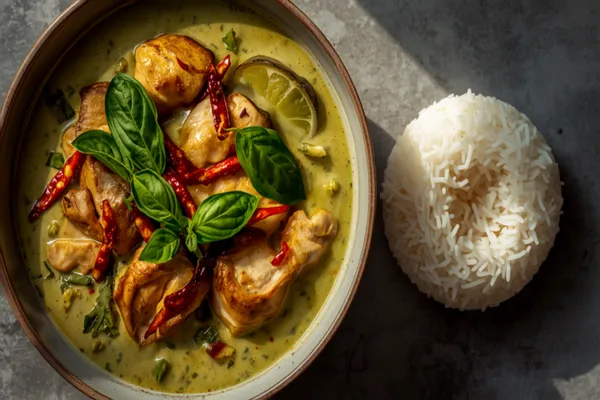
Thai Green Curry (Gaeng Keow Wan Gai)
Thailand's fragrant green curry, built the way it's meant to be: a fresh pounded paste bloomed in cracked coconut cream, chicken and Thai eggplant simmered to silk, finished with fish sauce, palm sugar, and a fistful of basil. Hot, sweet, herbal, and ready in under an hour.
Philippines (nationwide) / Southeast Asia · Filipino
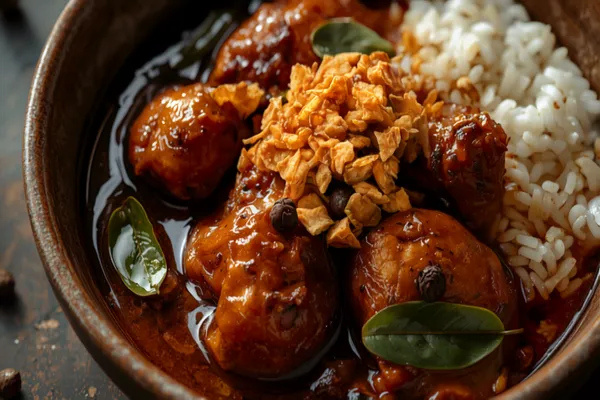
Chicken Adobo (Adobong Manok)
The Philippines' unofficial national dish and the easiest great dinner you'll learn: chicken braised in vinegar, soy, garlic, bay, and peppercorns until tangy, savoury, and tender, then reduced to a glossy glaze. Five pantry ingredients, one pot, endlessly variable.
The Malay Peninsula — the Straits of Malacca coast, from Malacca and Kuala Lumpur north to Penang · Malaysian
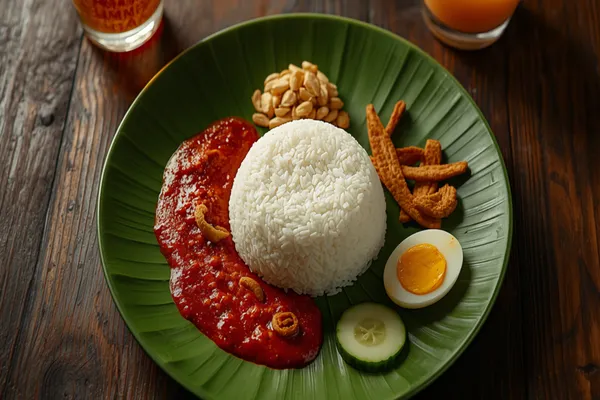
Nasi Lemak (Malaysian Coconut Rice with Sambal Ikan Bilis)
Malaysia's national breakfast: jasmine rice steamed in coconut milk with pandan, ginger and lemongrass, banked against a dark sambal tumis fried until the oil splits, with crisp anchovies, roasted peanuts, cucumber and a boiled egg.
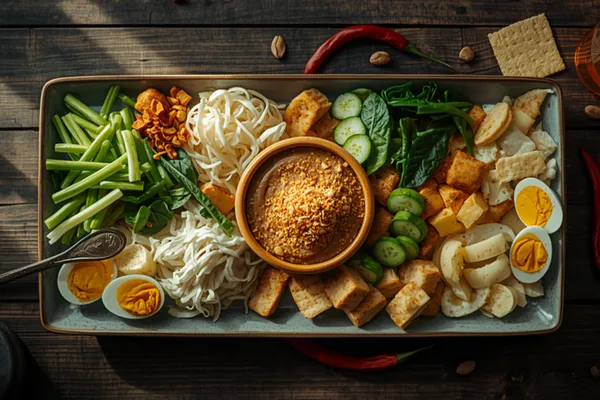
Java — the Sundanese west and Betawi Jakarta, where the dish took its familiar form · Indonesian
Gado-Gado (Indonesian Vegetable Plate with Bumbu Kacang)
Indonesia's national salad: blanched cabbage, long beans, bean sprouts and water spinach with potato, fried tofu and tempeh, boiled egg and lontong, under a ground sauce of fried peanuts, palm sugar, tamarind and chilli.

Cape Town and the Western Cape — the Cape Malay kitchens of the Bo-Kaap and the wider Cape · South African
Bobotie — Cape Malay Curried Mince with a Golden Egg Custard
South Africa's great baked dish: mildly curried mince sweetened with dried fruit, bound with milk-soaked bread, and finished under a thin turmeric-yellow custard with bay leaves standing in it. The two things that decide the outcome are the soaked bread and a loosely levelled top.
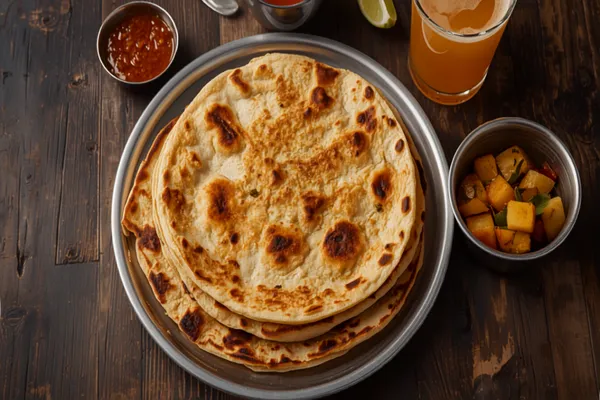
Peninsular Malaysia — the mamak stalls of Penang, Kuala Lumpur and the Klang Valley, with the same bread sold across the causeway in Singapore as roti prata · Malaysian
Roti Canai (Malaysian Mamak Flatbread with Kuah Dhal)
The flaky, layered flatbread of Malaysia's mamak stalls: a soft enriched dough rested overnight, stretched translucent and coiled, griddled in ghee until it shatters, then clapped between the palms to open its layers — served with a thin, fragrant kuah dhal.
Further reading
- Cultural Story · Southeast AsiaA Cook's Map of Southeast AsiaSoutheast Asia isn't one cuisine but a dozen, bound loosely by rice, fish sauce, fresh herbs, and the pounded paste. A guide to how Thai, Vietnamese, Indonesian, Filipino, Malaysian, and Singaporean cooking differ, what they share, and where to start cooking.
- Cultural Story · InternationalWorld Classics: A Cook's Tour Beyond IndiaTable & Traditions is India-first, but the world has a place at this table too. A guide to our curated international slice — the European, East Asian, Southeast Asian, Middle Eastern and North African, and American dishes worth cooking, and where to begin with each.