The Malay Peninsula — the Straits of Malacca coast, from Malacca and Kuala Lumpur north to Penang · Malaysian
Nasi Lemak (Malaysian Coconut Rice with Sambal Ikan Bilis)
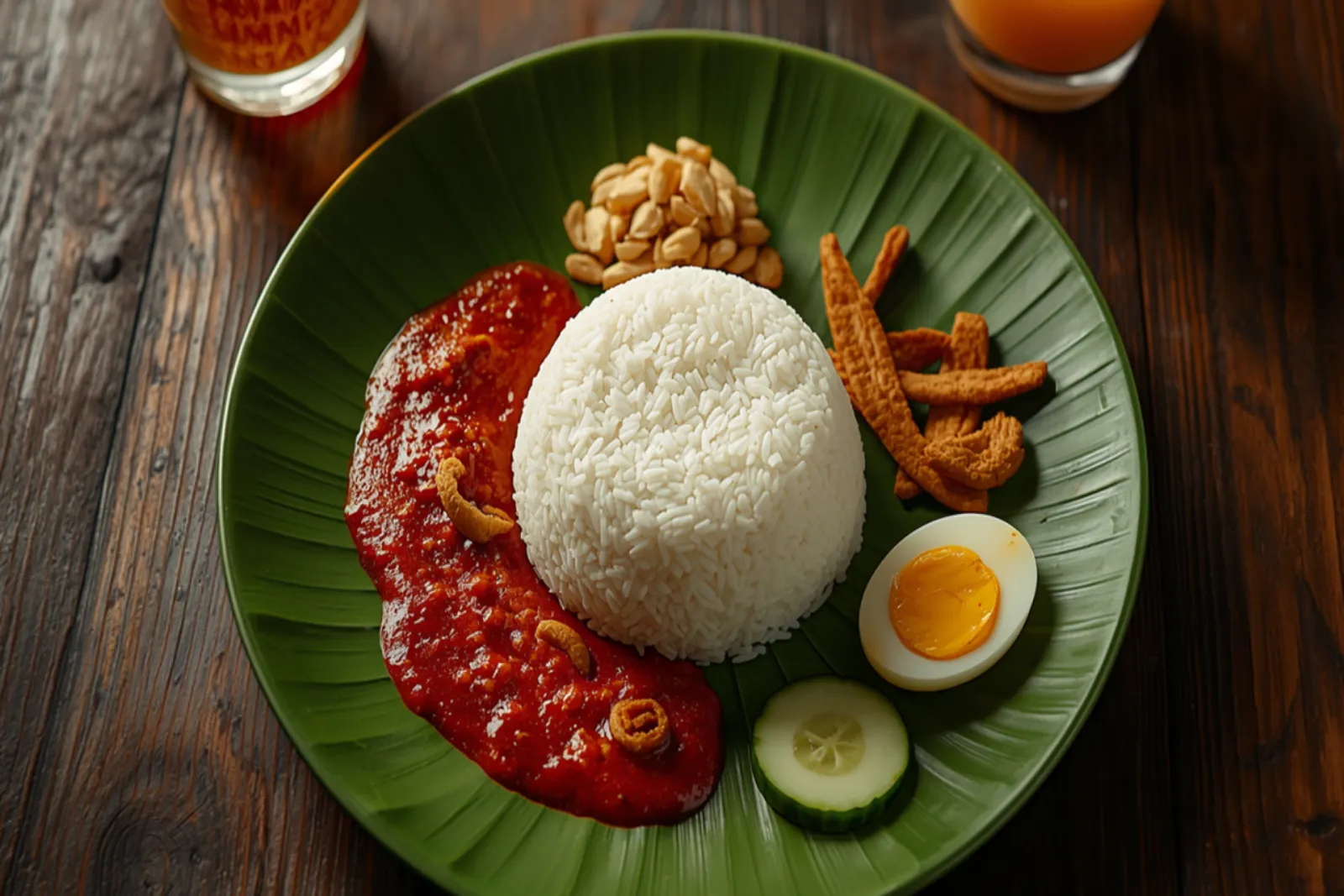
Malaysia's national breakfast: jasmine rice steamed in coconut milk with pandan, ginger and lemongrass, banked against a dark sambal tumis fried until the oil splits, with crisp anchovies, roasted peanuts, cucumber and a boiled egg.
Published August 20, 2026
Cultural context
Nasi lemak is Malaysia's national dish and is listed among the Department of National Heritage's intangible cultural objects, but it belongs to the wider Malay world along the Straits of Malacca — it is equally native to Singapore, Brunei, southern Thailand and the Riau islands and east Sumatra. Its origins are unrecorded; the earliest written mention is British colonial officer Richard Winstedt's 1909 account of Malay life. It began as a farmer's breakfast — rice enriched with coconut so it would carry a morning of fieldwork — and is still, above all, a breakfast.
Nasi lemak is the plate Malaysia wakes up to. Before eight in the morning, on roadsides from Malacca to Kota Bharu, it is sold in banana-leaf pyramids stacked in pyramids of their own — a fist of coconut rice, a smear of dark sambal, a few crisp anchovies, two slices of cucumber, folded shut and handed over for small change. Unwrapped at a desk three hours later it is still perfumed, because the leaf has been steaming it gently the whole time. That version, nasi lemak bungkus, is the dish in its original form: portable, cheap, and built to carry a working morning.
The name is a description of the rice, not the plate. Nasi is cooked rice; lemak is fat, richness, the specific quality that coconut milk gives it. Nothing else on the plate is in the name, which tells you where the emphasis belongs. The origins are unrecorded — the earliest written mention is a passing note by the British colonial officer Richard Winstedt in his 1909 account of Malay life — but the logic is old and agricultural: coconut palms, paddy fields and pandan grew together along the Straits of Malacca, and rice enriched with coconut fat kept a farmer going longer than plain rice did.
It is Malaysia’s national dish and appears on the Department of National Heritage’s list of intangible cultural objects. It is also, plainly, a Malay dish rather than a national one in origin, native in the same way to Singapore, Brunei, southern Thailand, the Riau islands and east Sumatra. Versions differ across that span — Singapore’s often arrives with a fried egg and a sweeter sambal, Kelantan’s is sweeter still — and the differences are the interesting part.
Two things to get right
Nasi lemak has a long ingredient list and only two techniques that decide whether it works.
The rice has to stay separate
Coconut milk is a fat, and fat coats starch. That slows absorption, which is why coconut rice takes about the same time as plain rice but is far less forgiving: rinse it properly, soak it, and stir only in the first uncovered minutes so the coconut solids stay suspended rather than sinking to the bottom of the pot to scorch. Once the lid is on, leave it — including through the ten-minute rest off the heat, which is when the coconut fat sets into the grains and the whole thing goes from wet to fluffy.
The pandan is not garnish. Three knotted leaves cooked with the rice give it a grassy, faintly vanilla smell that is a large part of what makes a plate identifiable as nasi lemak from across a room. Frozen leaves work. There is no substitute worth attempting; better to make good coconut rice without it than something artificially green.
The sambal has to split
Sambal tumis means fried sambal, and the frying is the recipe. You blend soaked dried chillies with shallots, garlic and toasted belacan, then fry that paste in a startling quantity of oil for fifteen to twenty-five minutes, stirring and scraping, until the mixture turns from bright wet red to dark brick and the oil finally separates out and pools around the edge. Malaysian cooks call that moment pecah minyak — the oil splits — and it is not a cosmetic milestone. It is the point at which the raw sharpness of the aromatics has cooked out and their sugars have caramelised. Tamarind and gula Melaka go in only afterwards, because acid stalls browning and palm sugar burns.
A sambal pulled off the heat before it splits tastes thin and faintly raw, and there is no seasoning that repairs it. If yours starts sticking, splash in water and keep frying; the water boils away and the frying picks up where it left off.
Toast the belacan before it goes anywhere near the blender. Raw, it smells confrontational and tastes fishy; toasted for a couple of minutes in foil in a dry pan, it turns nutty and becomes the savoury floor the whole sambal is built on.
Build it on the plate, not in the pot
Everything stays separate: rice in a mound, sambal beside it with some of its red oil, peanuts and anchovies and cucumber and egg around the edge. The eater decides how much sambal goes into each mouthful, and that adjustment — a little more heat here, a cooling slice of cucumber there — is the experience. Stir it all together in the kitchen and you have made one uniform thing out of a plate that was designed as a set of contrasts.
Make double the sambal. It keeps two weeks under its own oil, improves for the first few days, and is the reason tomorrow’s breakfast takes twenty minutes instead of two hours.
For more of the region’s balance of heat, salt and sweetness, try Indonesia and Malaysia’s shared beef rendang or Singapore’s Hainanese chicken rice — and the Southeast Asian cooking guide maps the wider table.
Ingredients
For the nasi lemak (coconut rice)
- 400 g (2 cups) jasmine rice Long-grain jasmine is the standard. Basmati is too dry and separate; short-grain turns to porridge under coconut milk.
- 250 ml (1 cup) coconut milk Full-fat tinned, or fresh santan if you can get it. Light coconut milk defeats the entire premise — lemak means the richness itself.
- 300 ml (1 1/4 cups) water
- 3 pandan leaves, tied in a knot Frozen pandan works and is widely sold in Asian grocers. There is no true substitute — its grassy, vanilla-adjacent smell is half of what makes the rice recognisable. Omit rather than fake it.
- 3 cm piece ginger, sliced and bruised
- 1 stalk lemongrass, bruised along its length
- 1 1/4 tsp fine salt
For the sambal tumis
- 25 g (about 20) dried red chillies Malaysian cooks often blend a mild long chilli for colour with a few hotter ones for heat. Kashmiri or guajillo chillies give the same deep red without punishing heat.
- 8 shallots, peeled
- 4 cloves garlic
- 1 tsp (about 8 g) belacan (fermented shrimp paste) Toast it first — it smells aggressive raw and turns nutty and savoury once dried out over heat. Indonesian terasi is the same thing under another name.
- 120 ml (1/2 cup) neutral oil This looks like too much. It is not — the sambal has to fry in it until the oil separates back out, and most of that oil is what you spoon over the rice.
- 2 onions — one blended into the paste, one sliced into rings
- 2 tbsp tamarind pulp, soaked in 120 ml warm water and strained Asam jawa. Use the wet block, not concentrate, if you can — the flavour is rounder and less metallic.
- 2–3 tbsp gula Melaka (palm sugar), chopped Dark, smoky coconut-palm sugar. Dark brown sugar plus a teaspoon of molasses is a reasonable stand-in.
- 1 tsp salt, or to taste
- 60 g (1/2 cup) dried anchovies (ikan bilis), heads removed, rinsed and patted dry Buy the small, pale, whole ones. Rinsing washes off surface salt; drying them properly is what lets them crisp instead of steam.
To serve
- 100 g (3/4 cup) raw skinless peanuts
- 60 g (1/2 cup) extra dried anchovies, for frying crisp
- 4 eggs, hard-boiled and halved Nine minutes from a rolling boil gives a fully set yolk, which is the street-stall standard. A jammy yolk is a modern café flourish.
- 1 cucumber, sliced on the diagonal
- Optional banana leaves, for lining and wrapping Pass them briefly over a flame or dip in hot water so they turn glossy and pliable instead of splitting.
Method
Tap a step’s number to check it off as you go.
-
Rinse the rice in three or four changes of water until it runs almost clear, then leave it to soak for 30 minutes and drain well. While it soaks, snip the dried chillies open, shake out most of the seeds, and simmer them in water for 5 minutes until softened; drain.
Why: Rinsing removes loose surface starch — the thing that turns coconut rice claggy. Soaking hydrates the grains so they cook through in the shorter time that a coconut-milk liquid allows, since the fat coats the starch and slows absorption. The chillies need softening because a blender cannot break down a dry chilli skin, and unbroken skin is what makes a gritty sambal.
-
Wrap the belacan in foil and toast it in a dry pan over medium heat for 2 minutes a side, breaking it up as it dries.
Why: Toasting drives off moisture and converts the raw, sharply funky smell into a deep roasted savouriness. Untoasted belacan reads as fishy; toasted belacan reads as umami, and it is the ingredient that separates a real sambal tumis from a chilli sauce.
-
Blend the softened chillies, shallots, garlic, toasted belacan and one of the onions to a fine paste with a splash of water. Blend longer than you think you need to.
Why: Sambal is judged on smoothness as much as flavour. Any remaining shallot fibre or chilli skin will still be there after 20 minutes of frying — texture is decided at the blender, not the pan.
-
Put the drained rice, coconut milk, water, pandan knot, bruised ginger, lemongrass and salt in a heavy pot. Bring to a simmer, uncovered, stirring gently once or twice, then cover, drop the heat to its lowest setting and cook 15 minutes.
Why: Stirring at the start keeps the coconut solids suspended so the fat distributes through every grain instead of settling into a scorching layer at the bottom. Once the lid goes on, do not stir again — agitating hot rice releases starch and the result goes sticky.
-
Take the pot off the heat and leave it covered and undisturbed for 10 minutes, then remove the aromatics and fluff with a fork or rice paddle.
Why: The residual steam finishes the grains and, crucially, lets the coconut fat set into them. Fluffing a rice that has not rested tears the grains open; fluffing a rested one separates them cleanly.
-
Heat the 120 ml of oil in a wok or wide pan over medium heat and add the blended paste. Fry, stirring often and scraping the base, for 15–25 minutes. It will go from bright red and wet to dark brick-red and thick, and finally the oil will separate out and pool at the edges — the stage Malaysian cooks call pecah minyak, 'the oil splits'.
Why: This is the whole recipe. Frying past the point of oil separation is what cooks the raw sharpness out of shallots, garlic and chilli and lets the sugars in them caramelise. A sambal pulled off early tastes flat, thin and faintly raw, and no amount of seasoning afterwards will fix it. If it starts catching, add a splash of water and keep going — the water boils off and the frying resumes.
-
Stir in the strained tamarind water, gula Melaka, salt and the sliced onion rings. Simmer 5 minutes, then taste and balance: it should be sweet, sour, salty and hot all at once, with no single note leading.
Why: Sour and sweet go in at the end because tamarind's acid stalls browning and sugar burns readily in hot oil. Adding them after pecah minyak means you get both the caramelised depth and the fresh brightness.
-
Rinse the 60 g of anchovies for the sambal, dry them thoroughly, and fry them in a little oil until crisp and golden. Stir half into the sambal and simmer 2 minutes; keep the rest aside.
Why: Anchovies added crisp and cooked separately hold their shape; anchovies simmered from raw dissolve into the sauce and make it muddy. Holding some back gives you both — savoury depth in the sambal and crunch on the plate.
-
Fry the peanuts in the same oil over medium-low heat for 3–4 minutes until an even pale gold, then lift them out. Dry the remaining 60 g of anchovies and fry until deeply crisp. Drain both on paper.
Why: Peanuts carry on cooking in their own residual heat after they leave the pan, so pulling them at pale gold lands them at proper roast colour. Take them to brown in the oil and they will be bitter on the plate.
-
Serve: a mound of coconut rice on a plate or a wilted banana leaf, a generous spoonful of sambal with some of its red oil beside it, and the peanuts, crisp anchovies, cucumber slices and half an egg arranged around.
Why: The components stay separate on purpose — nasi lemak is assembled bite by bite by the eater, who decides the ratio of sambal to rice. Mixing it in the kitchen takes that away and turns a plate of contrasts into one flavour.
A quick, anonymous tap — no review needed.
Variations
- Nasi lemak ayam goreng
The most popular restaurant version: add a piece of ayam goreng berempah — chicken marinated in turmeric, coriander, fennel and galangal, then fried with the spice paste clinging to it. It turns a breakfast plate into a full lunch.
- Nasi lemak bungkus
The morning-stall format. Line a square of softened banana leaf with newspaper or greaseproof paper, add a small mound of rice, a spoon of sambal, a few anchovies, peanuts and two slices of cucumber, then fold into a tight pyramid. It steams gently in its own wrapper and is eaten within a couple of hours, standing up.
- Vegan
Leave out the belacan and all the anchovies; replace them with 2 tablespoons of fermented soybean paste (taucu) or a heaped teaspoon of dark miso for the savoury bottom note, and add fried tempeh or crisp fried shallots for crunch. Not traditional, but a coherent plate rather than a diminished one.
- Nasi lemak with rendang
Serve the rice with beef rendang instead of — or alongside — the sambal. Common at Malay weddings and on Hari Raya tables, and a good use for leftover rendang.
- Sweeter Kelantan style
East-coast sambal runs noticeably sweeter, with more gula Melaka and often no tamarind at all. Push the palm sugar to 4 tablespoons and cut the tamarind by half to taste the difference.
Serving & Storage
Serve warm, not hot, with everything separate on the plate so each person can build their own ratio of rice to sambal. A cup of teh tarik or kopi O is the standard accompaniment; at a stall it comes wrapped in banana leaf and eaten with the fingers of the right hand.
Pairs with: Teh tarik (pulled milk tea), Kopi O, Ayam goreng berempah, Beef rendang, Sambal sotong (squid).
Storage: The sambal is the make-ahead component and the reason to make a big batch — it keeps 2 weeks refrigerated under its own layer of oil, and improves for the first few days; it also freezes for 3 months. Coconut rice is best the day it is made; refrigerated, the coconut fat firms and the grains harden, but a few minutes of steaming or a covered microwave with a splash of water brings it back. Fried peanuts and anchovies keep a week in an airtight jar at room temperature — never in the fridge, where they go soft.
Nutrition
Per serving (1 plate (rice, sambal, egg, anchovies, peanuts, cucumber))
- Calories
- 720
- Protein
- 24 g
- Carbs
- 84 g
- Fat
- 33 g
- Fiber
- 5 g
- Sugar
- 12 g
- Sodium
- 1180 mg
Notable micronutrients: Calcium, Iron, Selenium, Vitamin B12, Niacin, Manganese
Estimated using standard ingredient data. Values vary with brands and substitutions.
Frequently Asked Questions
What does 'nasi lemak' actually mean?
'Nasi' is cooked rice and 'lemak' is fat or richness — so, roughly, 'rich rice' or 'fatty rice', named for what the coconut milk does to it rather than for any of the things served alongside. It is not a reference to cream or to any dairy; there is none in the dish. The name describes the rice alone, which is why a plate with fried chicken on it is still nasi lemak, just with an addition.
How do I know when the sambal is done?
Watch for pecah minyak — the moment the paste stops behaving like a wet emulsion and the oil separates out into visible red pools around the edges of the pan. Depending on how much oil and water you started with, that lands somewhere between 15 and 25 minutes of steady frying. The colour is the other tell: bright red means not yet, dark brick-red means close. This is the single step people cut short, and it is the difference between a sambal with depth and one that tastes raw.
Can I make nasi lemak without belacan?
You can make a good chilli sauce without it, but it will not taste like sambal tumis — the toasted shrimp paste supplies a fermented, deeply savoury foundation that nothing sweet or spicy replaces. If shellfish is out, fermented soybean paste (taucu) or a spoonful of dark miso gets you the closest, and you should expect a different, cleaner-tasting sambal rather than an identical one.
Is nasi lemak Malaysian or Singaporean?
It is Malay, and the Malay world does not stop at modern borders. Nasi lemak is the national dish of Malaysia and formally recognised in its heritage listing, and it is also genuinely native to Singapore, Brunei, southern Thailand, the Riau islands and east Sumatra — all places with long-established Malay communities around the Straits of Malacca. Singapore's version tends to come with a fried egg and a sweeter, thicker sambal, sometimes with a Peranakan or Hainanese inflection; the differences are real, and neither is a copy of the other.
Why is my coconut rice sticky or wet at the bottom?
Almost always one of three things: the rice was not rinsed enough, so surface starch gelled; the pot was stirred after the lid went on, which releases more starch; or the coconut solids sank and stewed. Rinse until the water runs nearly clear, stir only during the initial uncovered simmer to keep the coconut suspended, then leave it strictly alone — including through the ten-minute rest off the heat.
Can I use a rice cooker?
Yes, and most Malaysian home kitchens do. Use the same liquid quantities, add the pandan knot, ginger and lemongrass on top of the rice, and run the normal white-rice setting. Let it sit on 'keep warm' for 10 minutes after it clicks off before you open the lid and fluff — the rest is not optional in either method.
What to drink with this
All drinks →Hand-picked pours to match this dish. Alcoholic pairings are for adults of legal drinking age (21+ in the US) — please drink responsibly.
 21+
21+ Kuala Lumpur, Malaysia · Malaysian
Jungle Bird (Dark Rum, Campari & Pineapple)
The tiki drink with a bitter backbone: dark rum and Campari shaken with fresh pineapple and lime. Tropical and lush but grown-up and dry — the 1970s Malaysian classic that bridges tiki and the aperitivo world.
 21+
21+ Singapore (the Raffles Hotel Long Bar) · Singaporean
Singapore Sling (The Raffles Hotel Classic)
The tropical gin classic born at Raffles Hotel: gin, cherry liqueur, Bénédictine, citrus and pineapple, shaken into a frothy, ruby long drink. The full original build, not the sugary shortcut.

Thailand (street and market drink) · Thai
Thai Iced Tea (Cha Yen)
The bright-orange, creamy-sweet Thai street drink: strong spiced black tea sweetened with condensed milk and poured over ice with a float of cream. How to brew it strong and why it's so orange.
From our kitchen community
Ratings & Reviews
My Rating
Tap a star to rate — no sign-in, no form needed.
My Review
0 Ratings
🥣 0 home cooks made it!
Be the first to rate Nasi Lemak (Malaysian Coconut Rice with Sambal Ikan Bilis).
Related Recipes
West Sumatra (Minangkabau) / Southeast Asia · Indonesian
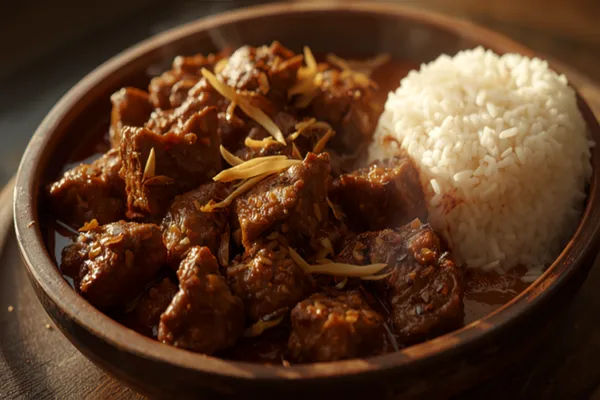
Beef Rendang (Rendang Daging)
The Minangkabau slow-cooked dry curry of West Sumatra: beef simmered for hours in coconut milk and a pounded spice paste until the liquid renders away and the meat turns dark, glossy, and meltingly tender. Patience is the only difficult ingredient.
Singapore & Malaysia (Hainanese diaspora) / Southeast Asia · Singaporean & Malaysian
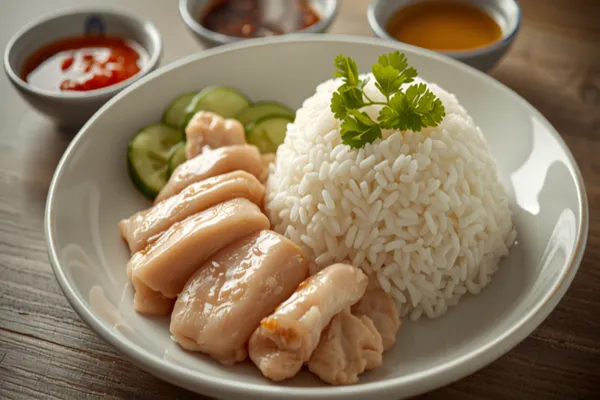
Hainanese Chicken Rice
The hawker-stall masterpiece of Singapore and Malaysia: a whole chicken gently poached to silky tenderness, rice cooked in the schmaltz-rich broth, served with a trio of sauces. Deceptively plain, ruthlessly precise, and one of the world's great comfort dishes.
Philippines (nationwide) / Southeast Asia · Filipino
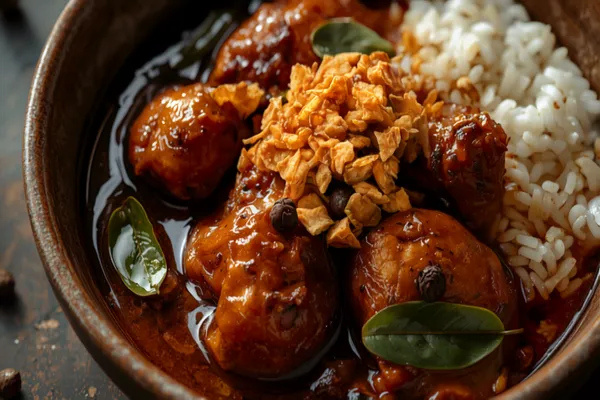
Chicken Adobo (Adobong Manok)
The Philippines' unofficial national dish and the easiest great dinner you'll learn: chicken braised in vinegar, soy, garlic, bay, and peppercorns until tangy, savoury, and tender, then reduced to a glossy glaze. Five pantry ingredients, one pot, endlessly variable.

Saigon (Ho Chi Minh City), southern Vietnam · Vietnamese
Bánh Mì Thịt Nướng (Vietnamese Grilled Pork Sandwich)
Saigon's great street sandwich — lemongrass-marinated pork charred over high heat, packed into an airy Vietnamese baguette with pâté, mayonnaise, đồ chua pickles, cucumber and coriander. Crisp, sour, sweet and smoky in the same bite.
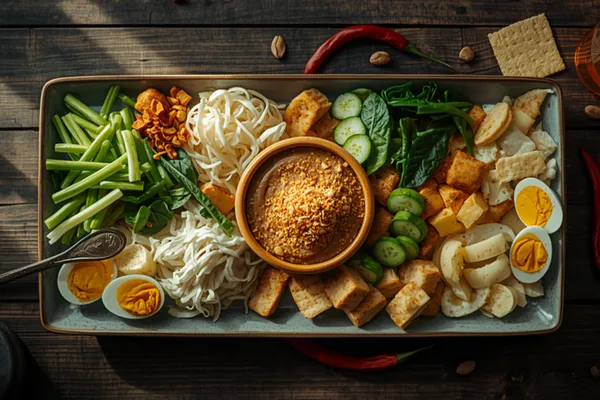
Java — the Sundanese west and Betawi Jakarta, where the dish took its familiar form · Indonesian
Gado-Gado (Indonesian Vegetable Plate with Bumbu Kacang)
Indonesia's national salad: blanched cabbage, long beans, bean sprouts and water spinach with potato, fried tofu and tempeh, boiled egg and lontong, under a ground sauce of fried peanuts, palm sugar, tamarind and chilli.

The Philippines — Manila's panaderia belt, with roots in the Spanish-era bakeries of Intramuros and Pampanga · Filipino
Pandesal (Filipino Breakfast Rolls with a Breadcrumb Crust)
The Philippines' morning bread: soft, faintly sweet yeasted rolls rolled in fine breadcrumbs, cut from a log and baked cut-side up so they tear open in feathery layers. Best eaten hot from the panaderia bag, dunked in coffee.
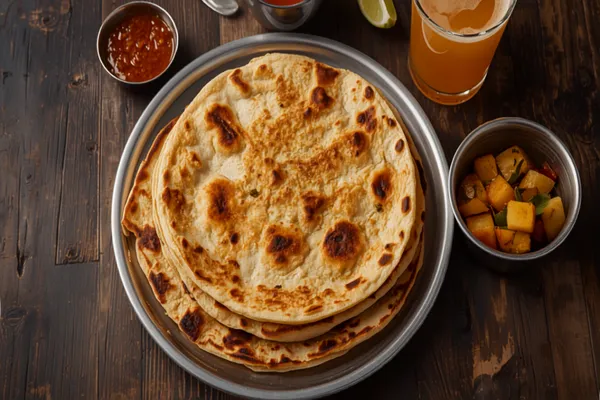
Peninsular Malaysia — the mamak stalls of Penang, Kuala Lumpur and the Klang Valley, with the same bread sold across the causeway in Singapore as roti prata · Malaysian
Roti Canai (Malaysian Mamak Flatbread with Kuah Dhal)
The flaky, layered flatbread of Malaysia's mamak stalls: a soft enriched dough rested overnight, stretched translucent and coiled, griddled in ghee until it shatters, then clapped between the palms to open its layers — served with a thin, fragrant kuah dhal.
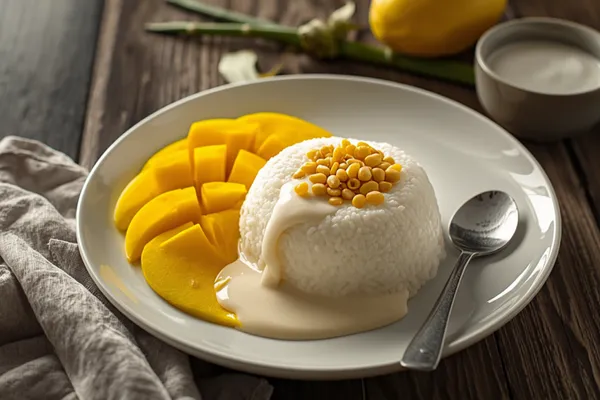
Central Thailand — the coconut-and-mango belt of the Chao Phraya plain, from Bangkok's dessert shophouses out to the orchards of Chachoengsao and Nakhon Pathom · Thai
Mango Sticky Rice (Khao Niao Mamuang)
Thailand's hot-season dessert: glutinous rice steamed over water, then soaked while hot in sweet-salty coconut cream until every grain swells glossy, served with a ripe nam dok mai mango and a spoonful of salted coconut sauce over the top.
Further reading
- Cultural Story · Southeast AsiaA Cook's Map of Southeast AsiaSoutheast Asia isn't one cuisine but a dozen, bound loosely by rice, fish sauce, fresh herbs, and the pounded paste. A guide to how Thai, Vietnamese, Indonesian, Filipino, Malaysian, and Singaporean cooking differ, what they share, and where to start cooking.
- Cultural Story · InternationalWorld Classics: A Cook's Tour Beyond IndiaTable & Traditions is India-first, but the world has a place at this table too. A guide to our curated international slice — the European, East Asian, Southeast Asian, Middle Eastern and North African, and American dishes worth cooking, and where to begin with each.