Cultural Story · Southeast Asia
A Cook's Map of Southeast Asia
Southeast Asia isn't one cuisine but a dozen, bound loosely by rice, fish sauce, fresh herbs, and the pounded paste. A guide to how Thai, Vietnamese, Indonesian, Filipino, Malaysian, and Singaporean cooking differ, what they share, and where to start cooking.
Published July 25, 2026
“Southeast Asian food” is a phrase that flattens an enormous region — eleven countries, hundreds of languages, and culinary traditions shaped by Indian, Chinese, Arab, Malay, and European contact in different measures. There is no single Southeast Asian cuisine. But there is a shared grammar, and once you can hear it, the whole region opens up.
The shared grammar
Across the region, a few elements recur. Rice is the staple and the centre of the plate. A fermented fish seasoning — fish sauce in Thailand and Vietnam, shrimp paste in Malaysia and Indonesia, bagoong in the Philippines — provides the deep savoury backbone, the umami that salt alone can’t give. Cooking is built on the balance of tastes: salty, sour, sweet, hot, and sometimes bitter, tuned by tongue rather than recipe. Fresh herbs — basil, cilantro, mint, lime leaf — go in at the end, raw or barely wilted, for lift. And the pounded paste of chilies, lemongrass, galangal, garlic, and shallots is the flavour base of countless dishes, from a Thai curry to an Indonesian bumbu.
Thailand
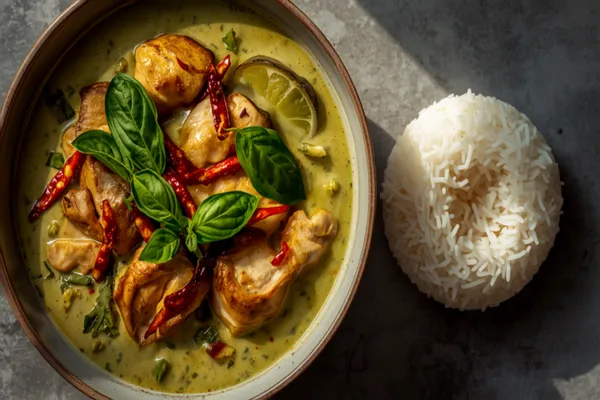
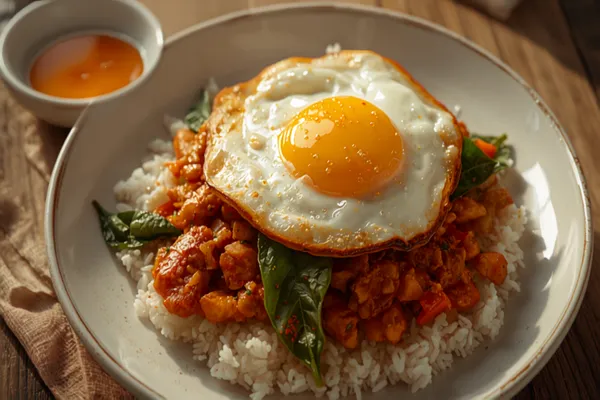
Thai cooking is the region’s boldest — an upfront, deliberate balance of fish sauce, palm sugar, lime, and chili, often carried on coconut milk and pounded curry pastes. Learn the technique once in a green curry, where the paste is bloomed in cracked coconut cream, and you understand half of Thai cooking. The other half is the fast, fierce wok food of the street, like pad krapow, seasoned in seconds over screaming heat.
Vietnam
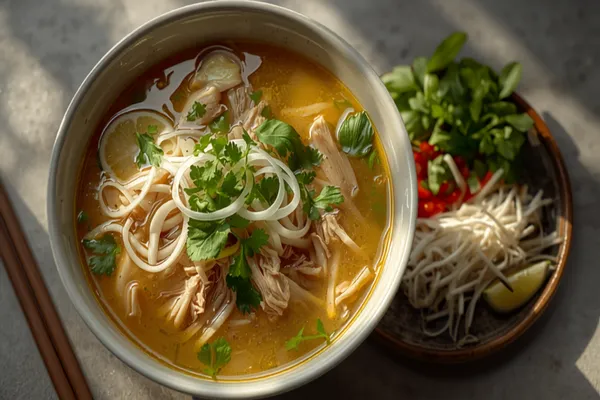
Vietnamese food sits at the lighter, fresher end of the dial — clear broths, raw herb plates, restrained seasoning, the legacy of Chinese technique and French contact filtered through a tropical larder. Nothing shows it better than phở, where the whole art is a clean, aromatic broth and a pile of herbs the eater adds to taste. Northern Vietnamese cooking in particular prizes clarity and restraint over abundance.
The Malay world: Indonesia, Malaysia, Singapore
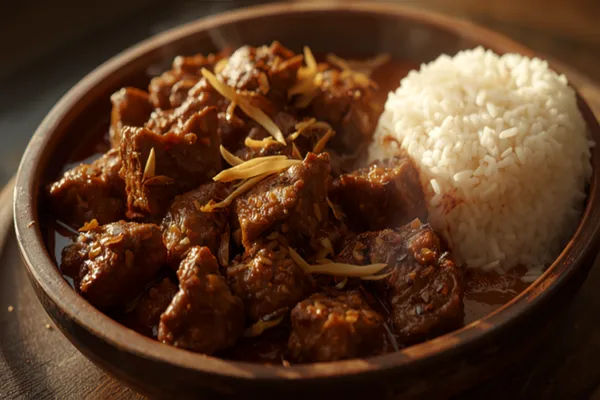
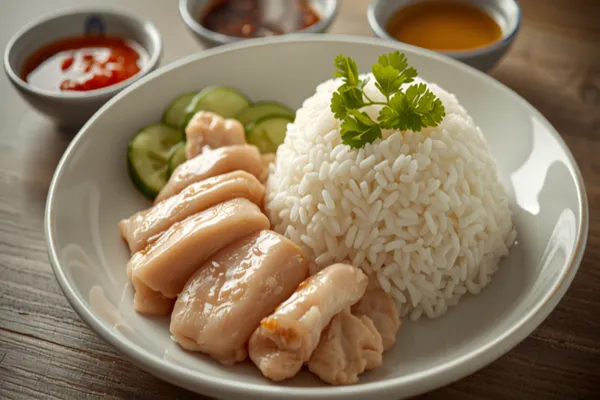
The Malay archipelago shares a love of the rich, slow-cooked, and coconut-laced. Indonesian cooking gives us rendang, the Minangkabau dry curry cooked for hours until the meat fries in its own spiced oil — a masterclass in patience. The hawker cultures of Malaysia and Singapore refined dishes like Hainanese chicken rice into exacting, thrifty perfection, where a single chicken becomes a complete meal.
The Philippines
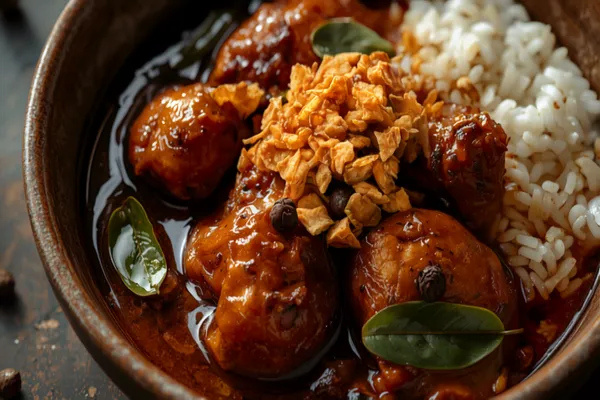
Filipino food stands a little apart — shaped by Spanish, Chinese, and American contact, less reliant on chili heat, fond of vinegar, soy, and a sour edge. Its emblem is adobo, less a recipe than a method — braising in vinegar and garlic — that predates the Spanish who named it, and that every family makes its own way.
Where to begin
Start where the technique is forgiving and the pantry is short: chicken adobo and pad krapow are weeknight-easy and hard to ruin. Move on to a green curry to learn the pounded-paste-and-coconut method, then give a slow afternoon to phở or rendang — the dishes that reward patience with depth.
Frequently Asked Questions
What ties Southeast Asian cuisines together?
A shared grammar more than a shared menu: rice as the staple, a fermented fish seasoning (fish sauce, shrimp paste, or their cousins), the balance of salty-sour-sweet-hot-bitter, fresh herbs added at the end, and the pounded aromatic paste — chilies, lemongrass, galangal, garlic, shallots — as a flavour base. Within that frame, each country diverges sharply.
How is Thai food different from Vietnamese food?
Broadly, Thai cooking leans bolder and hotter, built on pounded curry pastes, coconut milk, and an upfront balance of fish sauce, palm sugar, lime, and chili. Vietnamese cooking is generally lighter and fresher, built on clear broths, raw herb plates, and restrained seasoning — especially in the north. Both prize balance; they just sit at different points on the dial.
Where should a beginner start with Southeast Asian cooking?
Start with one-pot dishes that are forgiving and pantry-friendly: Filipino chicken adobo (five ingredients, almost foolproof) and Thai pad krapow (fast, flexible). From there, try a Thai green curry to learn the pounded-paste-and-coconut technique, then a longer project like phở or rendang once you're comfortable.
Related Recipes
Central Thailand / Southeast Asia · Thai
Thai Green Curry (Gaeng Keow Wan Gai)
Thailand's fragrant green curry, built the way it's meant to be: a fresh pounded paste bloomed in cracked coconut cream, chicken and Thai eggplant simmered to silk, finished with fish sauce, palm sugar, and a fistful of basil. Hot, sweet, herbal, and ready in under an hour.
Central Thailand / Southeast Asia · Thai
Pad Krapow Gai (Thai Basil Chicken)
The Thai street-food default and the country's unofficial fast food: minced chicken stir-fried hard with garlic and chili, seasoned with three sauces, and finished with a fistful of holy basil. Served over rice with a crisp-edged fried egg, it's dinner in fifteen minutes.
Hanoi, Northern Vietnam / Southeast Asia · Vietnamese
Phở Gà (Vietnamese Chicken Noodle Soup)
The lighter, faster sibling of beef phở: a clear, aromatic chicken broth perfumed with charred ginger, onion, and toasted spice, ladled over rice noodles and poached chicken, finished at the table with herbs, lime, and chili. Restorative and clean, in about two hours.
West Sumatra (Minangkabau) / Southeast Asia · Indonesian
Beef Rendang (Rendang Daging)
The Minangkabau slow-cooked dry curry of West Sumatra: beef simmered for hours in coconut milk and a pounded spice paste until the liquid renders away and the meat turns dark, glossy, and meltingly tender. Patience is the only difficult ingredient.
Philippines (nationwide) / Southeast Asia · Filipino
Chicken Adobo (Adobong Manok)
The Philippines' unofficial national dish and the easiest great dinner you'll learn: chicken braised in vinegar, soy, garlic, bay, and peppercorns until tangy, savoury, and tender, then reduced to a glossy glaze. Five pantry ingredients, one pot, endlessly variable.
Singapore & Malaysia (Hainanese diaspora) / Southeast Asia · Singaporean & Malaysian
Hainanese Chicken Rice
The hawker-stall masterpiece of Singapore and Malaysia: a whole chicken gently poached to silky tenderness, rice cooked in the schmaltz-rich broth, served with a trio of sauces. Deceptively plain, ruthlessly precise, and one of the world's great comfort dishes.