Central Thailand / Southeast Asia · Thai
Pad Krapow Gai (Thai Basil Chicken)
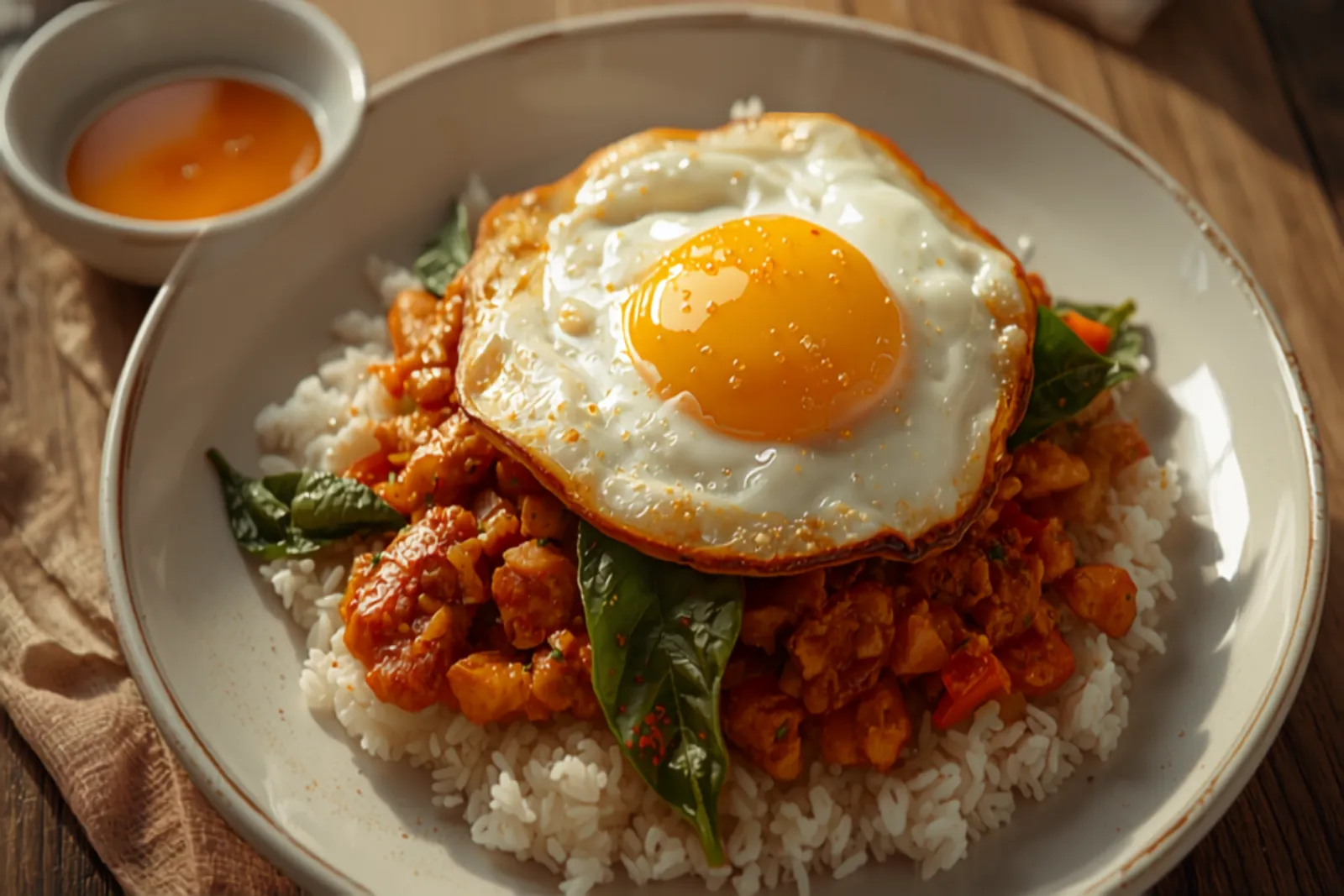
The Thai street-food default and the country's unofficial fast food: minced chicken stir-fried hard with garlic and chili, seasoned with three sauces, and finished with a fistful of holy basil. Served over rice with a crisp-edged fried egg, it's dinner in fifteen minutes.
Published June 20, 2026
Cultural context
Pad krapow is what a Thai person orders when they can't decide what to order — the all-purpose rice-plate (raad kao) found at every food cart and canteen. The krapow is holy basil, hot and clove-like, not the sweet basil of green curry; the dish is named for it. Topped with a runny-yolked fried egg (pad krapow gai kai dao), it's comfort food, hangover food, and weeknight food all at once.
If Thailand has a single default dinner, it’s pad krapow — the rice-and-stir-fry plate that every food cart, canteen, and night market makes, the thing you order when nothing else jumps out. Minced meat fried hard with chili and garlic, seasoned with a quick triad of sauces, and tumbled with a fistful of holy basil over rice, crowned with a runny-yolked fried egg. Start to finish, it’s faster than delivery.
Krapow, not horapha
The dish is named for its basil, and the basil matters. Krapow is holy basil — hot, peppery, faintly medicinal, nothing like the sweet anise horapha that perfumes green curry. If you can find holy basil, this is the dish to use it in. If you can’t, Thai sweet basil will do and no one will send your plate back; just know you’re making a cousin, not the original.
Heat is the technique
There’s almost no skill to pad krapow except temperature. Get the wok genuinely hot — smoking — so the chicken catches and chars in spots and the whole thing takes on wok hei, that elusive seared smokiness. Fry the garlic and chili just to fragrance, never to brown; cook the mince hard and let it sit between stirs; add the sauce, toss, and fold in the basil off the heat so it wilts but stays aromatic. The egg, fried first and hard so its edges blister, goes on top to finish.
Season at the table
A small dish of prik nam pla — fish sauce with sliced bird’s eye chilies — is non-negotiable. It’s how Thais fine-tune salt and heat plate by plate, so you can make the stir-fry moderate and let the chili-lovers spike their own. Break the yolk into the rice, spoon over the prik nam pla, and you understand why this is the meal Thailand never tires of.
More fast Southeast Asian dinners: the silky Thai green curry, or Filipino chicken adobo. Or read the cook’s map of Southeast Asia.
Ingredients
For the chili-garlic base
- 4–6 Thai bird's eye chilies Adjust to taste; street versions are genuinely hot. Long red chilies tame it.
- 5 cloves garlic
For the stir-fry
- 300 g minced (ground) chicken Hand-chopped thigh is best for texture; store mince works fine. Chicken, pork, or beef all suit this dish.
- 2 tbsp neutral oil
- 1 large handful Thai holy basil (krapow) The clove-peppery one. Thai sweet basil (horapha) is a passable substitute; the dish is then technically pad horapha.
For the sauce
- 1 tbsp oyster sauce
- 1 tbsp light soy sauce
- 1 tsp dark soy sauce For colour more than flavour; gives the classic glossy brown coating.
- 1 tsp fish sauce
- 1 tsp sugar
To serve
- 2 eggs, jasmine rice, and prik nam pla (fish sauce with sliced chilies)
Method
Tap a step’s number to check it off as you go.
-
Pound the chilies and garlic together in a mortar to a rough paste (or chop finely). Stir the sauce ingredients together in a small bowl.
Why: A coarse pound, not a smooth purée, gives little bursts of garlic and chili. Pre-mixing the sauce means you season in one fast motion, which matters in a stir-fry measured in seconds.
-
First, fry the eggs: heat a thin film of oil until shimmering and fry each egg hard so the white blisters and crisps at the edges while the yolk stays runny. Set aside.
Why: The crackly-edged kai dao is half the point of the dish. Frying it first, in hot oil, frees the wok for the stir-fry and keeps the egg from steaming.
-
Get the wok smoking hot, add the oil and the chili-garlic, and stir for 10–15 seconds until fragrant but not browned.
Why: High heat is everything here — pad krapow should taste of the wok (wok hei). Fry the aromatics just to fragrance; burnt garlic turns the dish bitter.
-
Add the chicken and stir-fry hard, breaking it up, for 2–3 minutes until cooked and starting to catch in spots.
Why: Letting the mince sit a few seconds between stirs builds a little browning and the smoky edge that defines good street-cart pad krapow.
-
Pour in the sauce, toss for 30 seconds until glossy, then kill the heat and fold through the basil until just wilted.
Why: The basil cooks in residual heat only — a few seconds — so it wilts but keeps its peppery aroma. Cook it longer and it goes black and dull.
-
Spoon over jasmine rice, top with a fried egg, and serve with prik nam pla on the side.
Why: The runny yolk breaks into the rice and sauce, and the prik nam pla lets each eater dial the salt and heat up at the table — the Thai way.
A quick, anonymous tap — no review needed.
Variations
- Pork or beef
Pad krapow moo (pork) is arguably the most popular version in Thailand; minced beef also works. Same method, same sauces.
- Vegetarian
Use crumbled firm tofu or minced mushrooms; swap oyster sauce for mushroom 'oyster' sauce and fish sauce for light soy or a pinch of salt. A handful of long beans adds crunch.
- Extra vegetables
Stir in long beans, holy basil stems, or sliced onion with the chicken for a more substantial plate — common in home versions.
Serving & Storage
Always over hot jasmine rice with a crisp fried egg on top and prik nam pla alongside. A cold drink and you're done — this is Thailand's everyday lunch.
Pairs with: Jasmine rice, Crispy fried egg (kai dao), Prik nam pla, Cucumber slices.
Storage: The chicken keeps 3 days refrigerated and reheats well in a hot pan; cook the egg and add fresh basil to order. Not suited to freezing.
Nutrition
Per serving (1 plate with rice and egg)
- Calories
- 590
- Protein
- 38 g
- Carbs
- 52 g
- Fat
- 26 g
- Fiber
- 2 g
- Sugar
- 5 g
- Sodium
- 1320 mg
Notable micronutrients: Vitamin K, Selenium, Vitamin B12
Estimated using standard ingredient data. Values vary with brands and substitutions.
Frequently Asked Questions
What is holy basil and can I substitute it?
Holy basil (krapow / tulsi) is peppery and clove-like, quite different from the sweet, anise-scented Thai basil used in green curry. It's the namesake of the dish. If you can't find it, Thai sweet basil is the next best thing (the dish becomes pad horapha); Italian basil is a distant third and changes the character.
Why is restaurant pad krapow so much more flavourful than mine?
Two reasons: heat and the wok. Thai cooks use a screaming-hot wok over a jet burner for wok hei, the smoky char a home stove struggles to match. Get your pan as hot as it goes, don't crowd it, and let the mince sit between stirs to catch and brown.
Is pad krapow very spicy?
Street versions are, but it's entirely in your control — it's the fresh bird's eye chilies, so use fewer (or milder long chilies) for a gentler plate. The prik nam pla on the side lets spice-lovers add more without overwhelming everyone else.
What to drink with this
All drinks →Hand-picked pours to match this dish. Alcoholic pairings are for adults of legal drinking age (21+ in the US) — please drink responsibly.
Thailand (street and market drink) · Thai
Thai Iced Tea (Cha Yen)
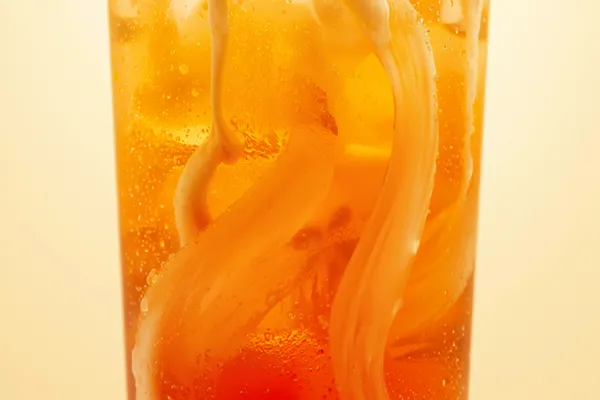
The bright-orange, creamy-sweet Thai street drink: strong spiced black tea sweetened with condensed milk and poured over ice with a float of cream. How to brew it strong and why it's so orange.
 21+
21+ Kuala Lumpur, Malaysia · Malaysian
Jungle Bird (Dark Rum, Campari & Pineapple)
The tiki drink with a bitter backbone: dark rum and Campari shaken with fresh pineapple and lime. Tropical and lush but grown-up and dry — the 1970s Malaysian classic that bridges tiki and the aperitivo world.
 21+
21+ Singapore (the Raffles Hotel Long Bar) · Singaporean
Singapore Sling (The Raffles Hotel Classic)
The tropical gin classic born at Raffles Hotel: gin, cherry liqueur, Bénédictine, citrus and pineapple, shaken into a frothy, ruby long drink. The full original build, not the sugary shortcut.
From our kitchen community
Ratings & Reviews
My Rating
Tap a star to rate — no sign-in, no form needed.
My Review
0 Ratings
🥣 0 home cooks made it!
Be the first to rate Pad Krapow Gai (Thai Basil Chicken).
Related Recipes
Central Thailand / Southeast Asia · Thai
Thai Green Curry (Gaeng Keow Wan Gai)
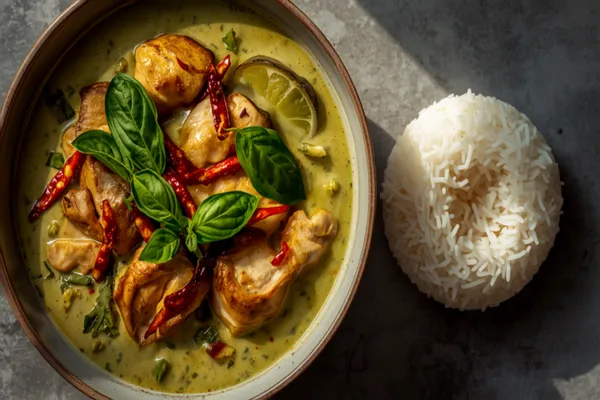
Thailand's fragrant green curry, built the way it's meant to be: a fresh pounded paste bloomed in cracked coconut cream, chicken and Thai eggplant simmered to silk, finished with fish sauce, palm sugar, and a fistful of basil. Hot, sweet, herbal, and ready in under an hour.
Philippines (nationwide) / Southeast Asia · Filipino
Chicken Adobo (Adobong Manok)
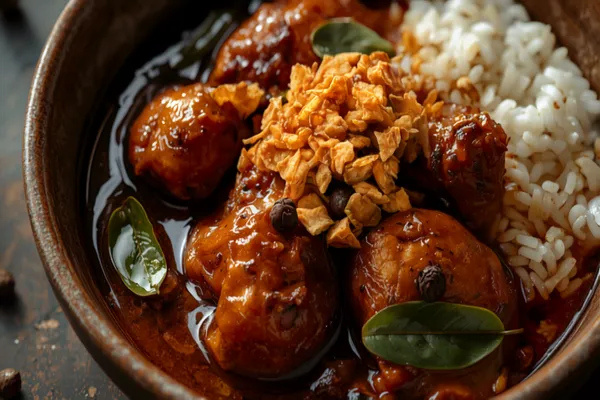
The Philippines' unofficial national dish and the easiest great dinner you'll learn: chicken braised in vinegar, soy, garlic, bay, and peppercorns until tangy, savoury, and tender, then reduced to a glossy glaze. Five pantry ingredients, one pot, endlessly variable.
Central Thailand (Chao Phraya River basin) · Thai
Tom Yum Goong (Thai Hot and Sour Shrimp Soup)
Thailand's most famous soup — a fiercely aromatic broth of lemongrass, galangal and makrut lime, sharpened with lime juice and loaded with plump shrimp. Ready in about 35 minutes and brighter than anything a takeout container can hold.
Further reading
- Cultural Story · Southeast AsiaA Cook's Map of Southeast AsiaSoutheast Asia isn't one cuisine but a dozen, bound loosely by rice, fish sauce, fresh herbs, and the pounded paste. A guide to how Thai, Vietnamese, Indonesian, Filipino, Malaysian, and Singaporean cooking differ, what they share, and where to start cooking.
- Cultural Story · InternationalWorld Classics: A Cook's Tour Beyond IndiaTable & Traditions is India-first, but the world has a place at this table too. A guide to our curated international slice — the European, East Asian, Southeast Asian, Middle Eastern and North African, and American dishes worth cooking, and where to begin with each.