Philippines (nationwide) / Southeast Asia · Filipino
Chicken Adobo (Adobong Manok)
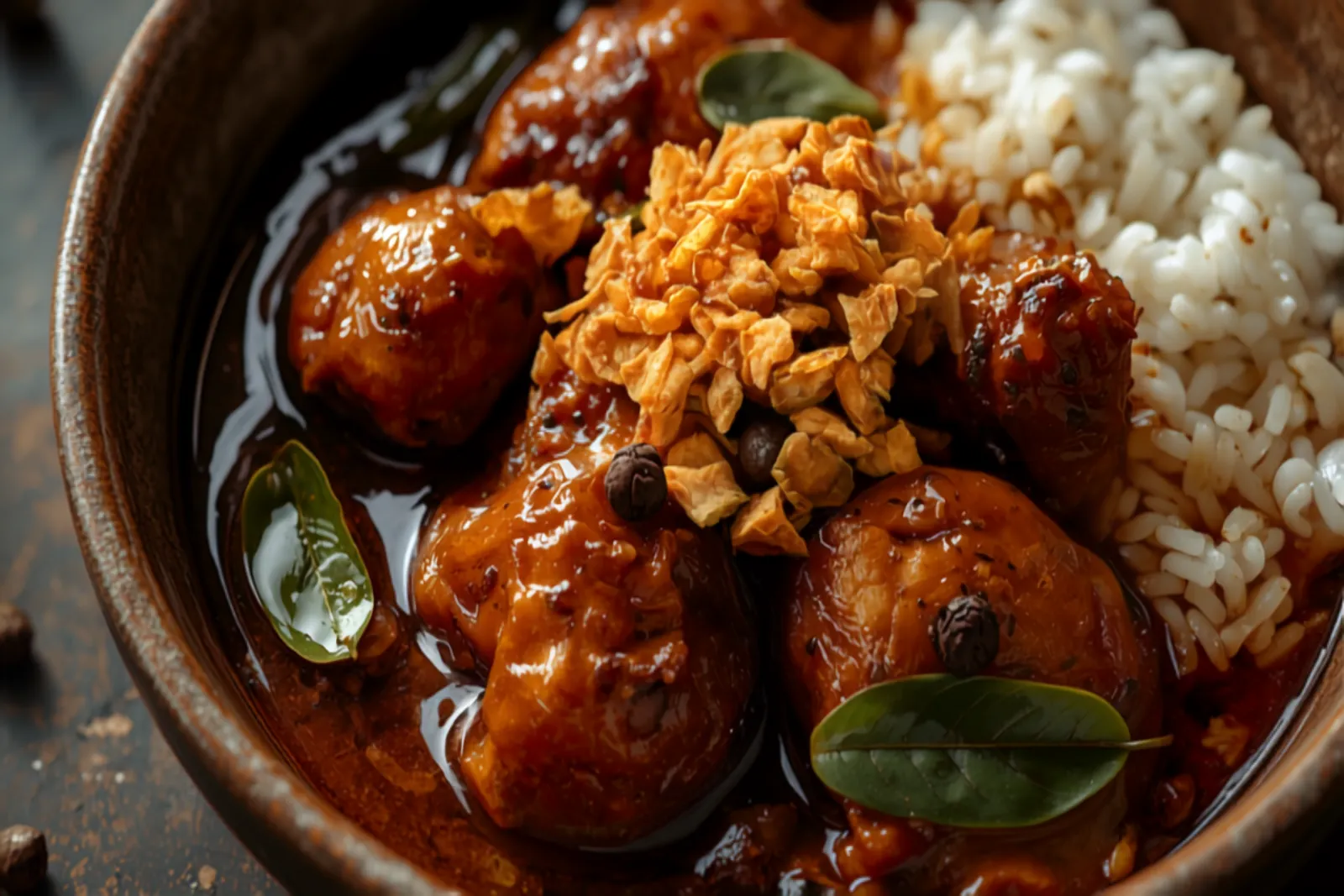
The Philippines' unofficial national dish and the easiest great dinner you'll learn: chicken braised in vinegar, soy, garlic, bay, and peppercorns until tangy, savoury, and tender, then reduced to a glossy glaze. Five pantry ingredients, one pot, endlessly variable.
Published June 20, 2026
Cultural context
Adobo isn't one recipe but a method — braising in vinegar and garlic — that predates Spanish contact; the Spanish simply gave the existing technique their word for marinade (adobar). Soy sauce arrived later through Chinese trade. Every Filipino family has its own version, argued over and never written down, which is why adobo is less a dish than a national argument you're always welcome to join.
If you cook one Southeast Asian dish to understand how good five pantry ingredients can be, make chicken adobo. It’s the Philippines’ best-loved dish and arguably its simplest: chicken braised in vinegar, soy, garlic, bay, and peppercorns until it’s tangy, deeply savoury, and tender, then reduced to a glossy glaze. One pot, no special equipment, and a result that tastes far more complicated than the method.
A technique, not a recipe
Adobo isn’t a fixed dish — it’s a method, braising in vinegar and garlic, that Filipinos were doing long before the Spanish arrived and named it after their word for marinade. Soy came later through Chinese trade. Which is why there’s no single correct adobo and every family swears by its own: more vinegar or less, soy or salt, with sugar or without, saucy or dry, coconut milk or none. Learn the bones of it and you’ve earned the right to argue about it.
The one rule: let the vinegar boil
The technique worth remembering is this: when the vinegar goes in, bring it to a boil and don’t stir for a couple of minutes. Filipino cooks insist that stirring raw vinegar leaves a harsh, sharp sourness; letting it bubble undisturbed first cooks off that raw edge and leaves a mellow, rounded tang. After that, stir freely. Everything else — browning the chicken first, frying garlic to finish, reducing the sauce to a glaze — is about depth and texture, but this one rule is the difference between sharp and balanced.
Better tomorrow
Adobo was, in part, a way to keep meat in a hot climate: the vinegar is a preservative, and the dish famously improves after a day or two in the fridge as the flavours settle and deepen. Make it ahead without guilt. Serve it over a mound of steaming rice with the dark sauce spooned over and a scatter of crisp fried garlic, and you’ll see why it’s the meal Filipinos abroad miss most.
More one-pot dinners from the region: pad krapow gai and slow beef rendang. Or read the cook’s map of Southeast Asia.
Ingredients
For the braise
- 1 kg bone-in, skin-on chicken thighs and drumsticks Bone-in is juicier and gives the sauce body; skin-on lets you brown for extra flavour.
- 1/2 cup cane or coconut vinegar Filipino cane vinegar (sukang maasim) is ideal; rice or apple cider vinegar work. The vinegar is the soul of adobo.
- 1/3 cup soy sauce Filipino soy (Silver Swan) or any light soy; not dark/sweet soy.
- 1 whole head garlic Half smashed for the braise, half fried crisp to finish — adobo loves garlic.
- 4–5 dried bay leaves
- 1 tsp whole black peppercorns Lightly cracked so they perfume the sauce.
- 1 cup water
Optional, to round it out
- 1 tbsp brown or palm sugar Balances the vinegar's sharpness; some families add it, purists don't.
To finish
- neutral oil for browning, and steamed rice to serve
Method
Tap a step’s number to check it off as you go.
-
Optional but recommended: marinate the chicken in the soy sauce, half the garlic, and the peppercorns for 30 minutes to overnight.
Why: A short marinade seasons the meat through and gives a deeper savouriness; if you're short on time, skip it — adobo is forgiving.
-
Lift the chicken from the marinade, pat dry, and brown it skin-side down in a little oil until golden, then set aside. Reserve the marinade.
Why: Browning builds a savoury, caramelised base and renders some skin fat. Drying the chicken first is what lets it brown instead of steam.
-
In the same pot, add the chicken back with the reserved marinade, vinegar, smashed garlic, bay, and water. Bring to a boil and — crucially — let it boil 2–3 minutes without stirring.
Why: Letting the raw vinegar boil off its harsh acetone edge before you stir is the classic adobo rule; it leaves a mellow tang rather than a raw, sharp bite.
-
Lower to a simmer, partly cover, and cook 25–30 minutes until the chicken is tender, turning the pieces once.
Why: A gentle simmer cooks the chicken through and lets it absorb the braise without toughening or drying out.
-
Uncover, raise the heat, and reduce the sauce until glossy and lightly thickened, spooning it over the chicken to glaze. Add sugar now if using, and taste for balance.
Why: Reducing concentrates the sauce into a clinging glaze and is where you balance salty, sour, and (optionally) sweet to your taste — adobo is seasoned at the end, by tongue.
-
Fry the remaining garlic in a little oil until golden and crisp, and scatter over the adobo. Serve with plenty of steamed rice.
Why: Crisp fried garlic adds texture and a sweet, toasty top note against the tangy sauce — and rice is non-negotiable, there to soak up the glaze.
A quick, anonymous tap — no review needed.
Variations
- Adobong puti (white adobo)
Leave out the soy entirely and season with salt — the older, pre-soy style. Cleaner and sharper, it lets the vinegar and garlic speak.
- Adobo sa gata (with coconut milk)
Stir half a cup of coconut milk in toward the end for a richer, southern-style adobo, often with a chili or two. Excellent.
- Pork, or pork-and-chicken
Pork belly (adobong baboy) or a mix of pork and chicken is classic; pork needs a little longer to turn tender. Same method throughout.
Serving & Storage
Serve over hot steamed rice with the reduced sauce spooned on top — adobo and rice is the whole meal. A fried egg or some sautéed greens (adobong kangkong) rounds it out.
Pairs with: Steamed white rice, Fried egg, Atchara (pickled green papaya), Sautéed greens.
Storage: Adobo is famous for keeping — the vinegar acts as a preservative, and it genuinely tastes better after a day or two. Refrigerate up to 5 days; it reheats beautifully and freezes for 3 months.
Nutrition
Per serving (1 portion with sauce)
- Calories
- 430
- Protein
- 38 g
- Carbs
- 8 g
- Fat
- 26 g
- Fiber
- 1 g
- Sugar
- 3 g
- Sodium
- 1280 mg
Notable micronutrients: Niacin, Selenium, Phosphorus
Estimated using standard ingredient data. Values vary with brands and substitutions.
Frequently Asked Questions
Why shouldn't I stir the adobo while the vinegar boils?
Filipino kitchen lore says stirring raw vinegar before it's cooked off leaves a harsh, sour-sharp taste. Letting it come to a boil and bubble undisturbed for a couple of minutes mellows the acidity into a rounder tang. Once it's boiled off that raw edge, stir as much as you like.
What vinegar should I use?
Filipino cane vinegar (sukang maasim) or coconut vinegar are most authentic and milder than Western vinegars. Rice vinegar or apple cider vinegar are good substitutes; avoid harsh distilled white vinegar, or cut it with water. The vinegar defines the dish, so use one you'd happily taste.
Is adobo supposed to be saucy or dry?
Both exist and both are 'right.' Some families serve it brothy over rice; others reduce it to a dark, glossy near-glaze with the chicken almost frying in its own oil. Cook it to the level you like — just reduce further for a more intense, clinging sauce.
What to drink with this
All drinks →Hand-picked pours to match this dish. Alcoholic pairings are for adults of legal drinking age (21+ in the US) — please drink responsibly.
 21+
21+ Kuala Lumpur, Malaysia · Malaysian
Jungle Bird (Dark Rum, Campari & Pineapple)
The tiki drink with a bitter backbone: dark rum and Campari shaken with fresh pineapple and lime. Tropical and lush but grown-up and dry — the 1970s Malaysian classic that bridges tiki and the aperitivo world.
 21+
21+ Singapore (the Raffles Hotel Long Bar) · Singaporean
Singapore Sling (The Raffles Hotel Classic)
The tropical gin classic born at Raffles Hotel: gin, cherry liqueur, Bénédictine, citrus and pineapple, shaken into a frothy, ruby long drink. The full original build, not the sugary shortcut.

Thailand (street and market drink) · Thai
Thai Iced Tea (Cha Yen)
The bright-orange, creamy-sweet Thai street drink: strong spiced black tea sweetened with condensed milk and poured over ice with a float of cream. How to brew it strong and why it's so orange.
From our kitchen community
Ratings & Reviews
My Rating
Tap a star to rate — no sign-in, no form needed.
My Review
0 Ratings
🥣 0 home cooks made it!
Be the first to rate Chicken Adobo (Adobong Manok).
Related Recipes
Central Thailand / Southeast Asia · Thai
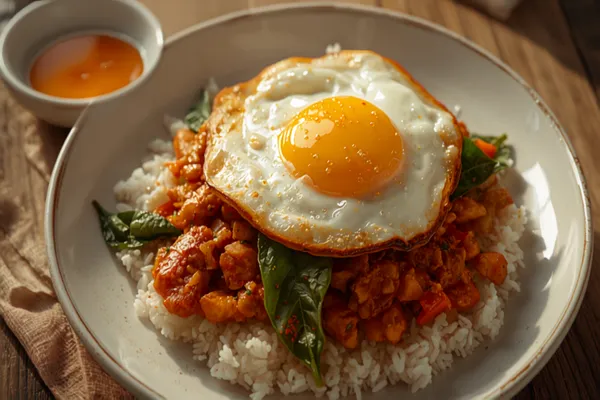
Pad Krapow Gai (Thai Basil Chicken)
The Thai street-food default and the country's unofficial fast food: minced chicken stir-fried hard with garlic and chili, seasoned with three sauces, and finished with a fistful of holy basil. Served over rice with a crisp-edged fried egg, it's dinner in fifteen minutes.
West Sumatra (Minangkabau) / Southeast Asia · Indonesian
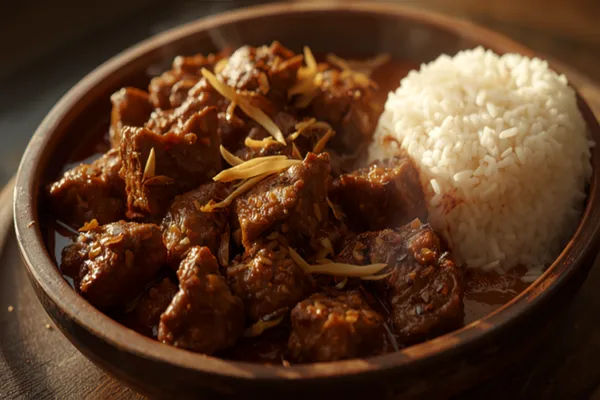
Beef Rendang (Rendang Daging)
The Minangkabau slow-cooked dry curry of West Sumatra: beef simmered for hours in coconut milk and a pounded spice paste until the liquid renders away and the meat turns dark, glossy, and meltingly tender. Patience is the only difficult ingredient.
Saigon (Ho Chi Minh City), southern Vietnam · Vietnamese
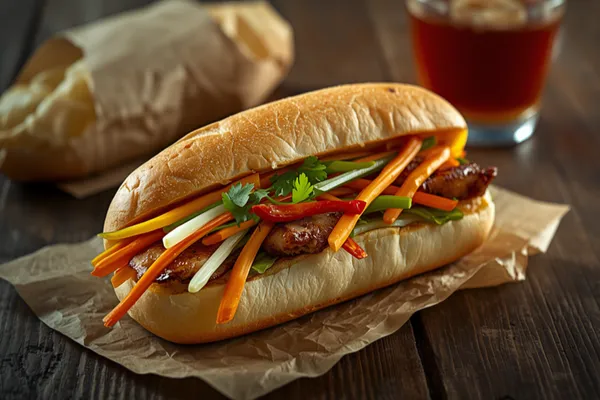
Bánh Mì Thịt Nướng (Vietnamese Grilled Pork Sandwich)
Saigon's great street sandwich — lemongrass-marinated pork charred over high heat, packed into an airy Vietnamese baguette with pâté, mayonnaise, đồ chua pickles, cucumber and coriander. Crisp, sour, sweet and smoky in the same bite.
The Malay Peninsula — the Straits of Malacca coast, from Malacca and Kuala Lumpur north to Penang · Malaysian
Nasi Lemak (Malaysian Coconut Rice with Sambal Ikan Bilis)
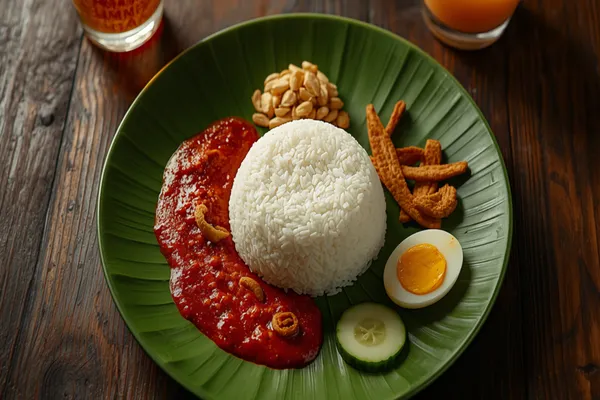
Malaysia's national breakfast: jasmine rice steamed in coconut milk with pandan, ginger and lemongrass, banked against a dark sambal tumis fried until the oil splits, with crisp anchovies, roasted peanuts, cucumber and a boiled egg.

The Philippines — Manila's panaderia belt, with roots in the Spanish-era bakeries of Intramuros and Pampanga · Filipino
Pandesal (Filipino Breakfast Rolls with a Breadcrumb Crust)
The Philippines' morning bread: soft, faintly sweet yeasted rolls rolled in fine breadcrumbs, cut from a log and baked cut-side up so they tear open in feathery layers. Best eaten hot from the panaderia bag, dunked in coffee.
Further reading
- Cultural Story · Southeast AsiaA Cook's Map of Southeast AsiaSoutheast Asia isn't one cuisine but a dozen, bound loosely by rice, fish sauce, fresh herbs, and the pounded paste. A guide to how Thai, Vietnamese, Indonesian, Filipino, Malaysian, and Singaporean cooking differ, what they share, and where to start cooking.
- Cultural Story · InternationalWorld Classics: A Cook's Tour Beyond IndiaTable & Traditions is India-first, but the world has a place at this table too. A guide to our curated international slice — the European, East Asian, Southeast Asian, Middle Eastern and North African, and American dishes worth cooking, and where to begin with each.