The Philippines — Manila's panaderia belt, with roots in the Spanish-era bakeries of Intramuros and Pampanga · Filipino
Pandesal (Filipino Breakfast Rolls with a Breadcrumb Crust)
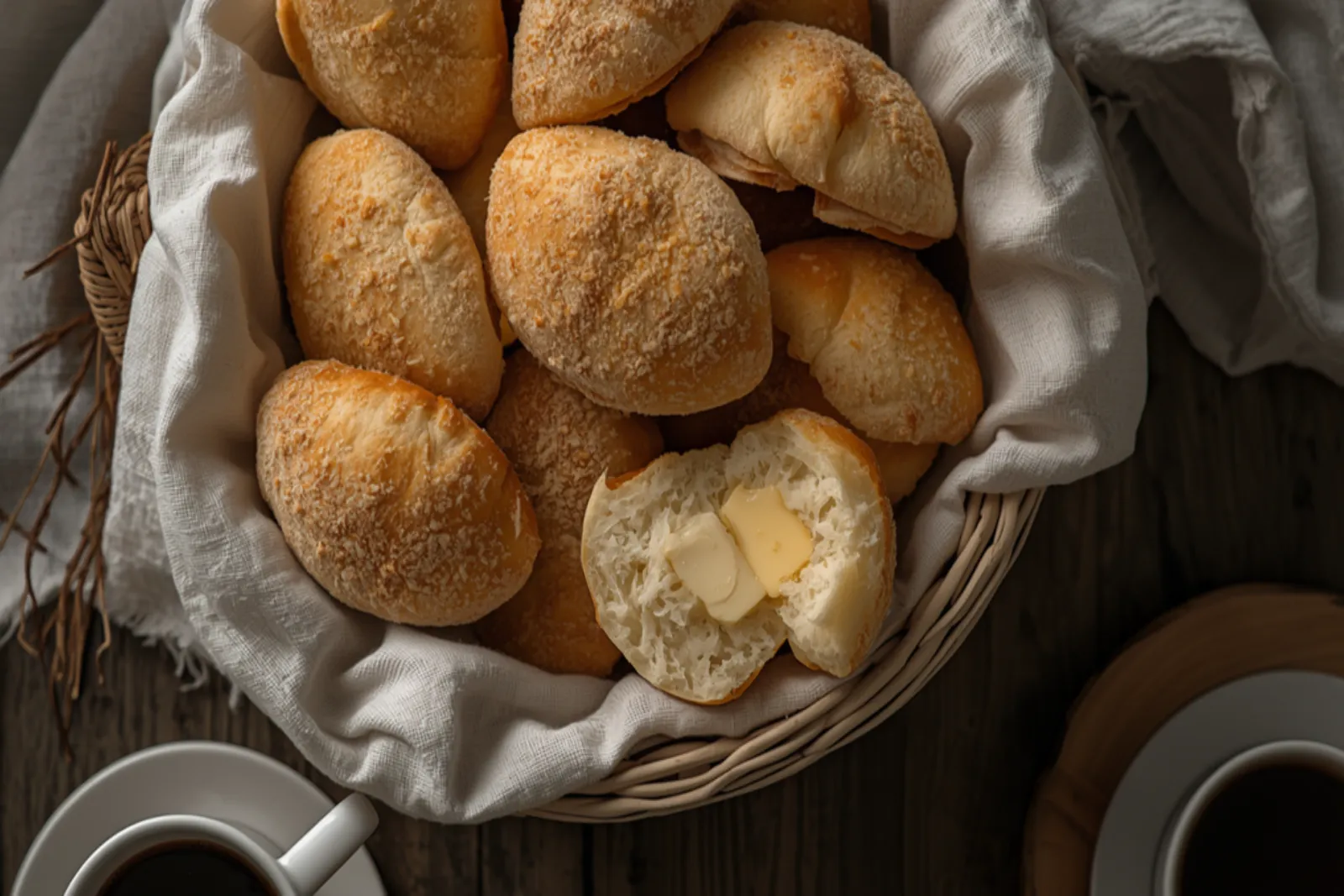
The Philippines' morning bread: soft, faintly sweet yeasted rolls rolled in fine breadcrumbs, cut from a log and baked cut-side up so they tear open in feathery layers. Best eaten hot from the panaderia bag, dunked in coffee.
Published September 7, 2026
Cultural context
Pandesal is Spanish in name and thoroughly Filipino in practice. Its ancestor was pan de suelo, a hard, crusty roll baked directly on the swept floor of a wood-fired pugón oven by bakers trained in the Spanish colonial tradition. Because wheat has never grown well in the Philippines, bakers worked with whatever imported flour was affordable, and the bread softened and sweetened as it went — a shift that accelerated in the early 1900s when cheap American wheat flooded the islands. What emerged is a roll that, despite meaning 'bread of salt', is gently sweet, and that anchors the Filipino morning so completely that the 5am cry of the pandesal vendor is a national memory.
Pandesal is the bread the Philippines wakes up to. Before dawn the neighbourhood panaderia fires its oven, and by five or six the rolls are out — soft, pale gold, dusted all over with fine breadcrumbs, sold hot in a brown paper bag that goes translucent on the walk home. They are barely sweet, torn open rather than sliced, and eaten with butter or cheese and a mug of coffee strong enough to chew. For a bread whose Spanish name means “bread of salt”, almost nothing about the modern roll is salty, which turns out to be the most interesting thing about it.
A Spanish name on a Filipino bread
The ancestor was pan de suelo — “floor bread” — a crusty, lean roll baked directly on the swept brick floor of a wood-fired pugón, an oven whose name comes from the Spanish fogón. That bread was hard-crusted and genuinely salted, closer to a small baguette than to what Filipinos eat now. Wheat, though, has never grown well in the islands, so bakers were always at the mercy of what arrived by ship. When cheap American flour flooded the market in the early twentieth century, it was softer, weaker stuff — and bakers adapted by adding sugar and fat to make it behave. The roll got paler, sweeter and pillowier with each decade, and the old name simply came along for the ride.
That drift is worth naming honestly. Pandesal is not a Spanish bread that Filipinos happen to eat; it is a Filipino bread built out of a Spanish inheritance, a colonial flour supply and a century of bakers making the best of both.
The baston, and why the crumbs matter
The technique that makes pandesal is not in the dough — it is in the shaping. Risen dough is rolled into a long log the bakers call a baston, the Filipino word for a cane. The whole baston is rolled in fine breadcrumbs, and only then is it cut into portions.
This order matters. Because the log is coated before it is cut, every roll ends up with crumbs on its curved sides and a bare, exposed face where the knife went through. Set cut-side up on the tray, those faces open in the oven into the pointed, torn-looking ends Filipino bakers call the singkit or gatla — the visual signature of a real pandesal, and the reason it looks nothing like a dinner roll even though the dough is not far off one.
The crumbs themselves are practical before they are decorative. In a pugón loaded straight onto the oven floor, they stopped the dough sticking and scorching. On a home tray they keep the rolls from fusing as they swell together, and they bake into a fine sandy shell that plays against a crumb soft enough to compress in one hand.
Don’t chase colour
The most common mistake with homemade pandesal is baking it like European bread. Fourteen to sixteen minutes at a moderate oven, pulled while the tops are still blond and the sides barely set, is correct. A deeply browned, crackling crust means you have made a very nice roll and not made pandesal. The bread is supposed to be tearable one-handed by someone holding a cup of coffee in the other.
Flour, and the temptation to add more
Half bread flour and half all-purpose is the standard Filipino home ratio, and the dough it produces is soft and a little tacky — which is exactly when most people start dusting in extra flour. Don’t. That tackiness is the hydration that becomes a plush crumb; flour it away and you get a heavy roll that stales by lunchtime. Use a bench scraper, work the butter in slowly, and trust the kneading.
Bread as a clock
Pandesal keeps time in a way few breads do. It exists for the hour it comes out of the oven; by afternoon the same rolls at the same panaderia are a different, staler proposition, and the day’s unsold bread is ground into the crumbs that coat tomorrow’s batch. That loop — yesterday’s bread becoming today’s crust — is as good a description of a national food culture as any.
If you want the rest of the Filipino breakfast around it, start with chicken adobo, the country’s other unshakeable classic, and there is more on the region’s kitchens in the Southeast Asian cooking guide.
Ingredients
For the dough
- 240 ml (1 cup) whole milk, warmed to 40°C / 105°F Warm, not hot. Anything above about 50°C starts killing yeast; milk that feels barely warm on the wrist is right.
- 2 1/4 tsp (7 g, one sachet) instant or active dry yeast If using active dry, let it sit in the warm milk with a pinch of the sugar for 10 minutes until foamy before continuing.
- 60 g (1/3 cup, packed) granulated or light muscovado sugar Traditional panaderia pandesal is barely sweet — under 2% sugar by flour weight. This is the modern home level, sweeter and softer. Cut to 35 g for something closer to the old-style roll.
- 250 g (2 cups) bread flour The higher protein builds the chew and the tall rise.
- 250 g (2 cups) all-purpose flour Half and half is the standard Filipino home ratio: bread flour alone bakes up too tough for a roll meant to be pillowy.
- 1 1/2 tsp fine sea salt Add it with the flour, not directly onto the yeast in the milk.
- 1, room temperature large egg
- 60 g (4 tbsp) unsalted butter, softened Many panaderias use vegetable shortening or margarine, which keeps the rolls soft for longer; butter tastes better. Coconut oil is a good dairy-free swap.
For the crust
- 100 g (about 1 cup) fine dry breadcrumbs, unseasoned This is the signature of the bread, not a garnish. Japanese panko is too coarse — pulse it fine, or use plain dry crumbs. Bakeries traditionally grind up yesterday's unsold bread.
To serve
- To taste salted butter, kesong puti, or coconut jam (matamis na bao)
Method
Tap a step’s number to check it off as you go.
-
Warm the milk to about 40°C / 105°F and whisk in the yeast and sugar. Leave it for 5 to 10 minutes, until it smells yeasty and looks slightly foamy.
Why: This is your proof that the yeast is alive. Flour and butter are expensive to waste on a dead sachet, and pandesal has no long ferment to mask a sluggish start.
-
In a large bowl or stand mixer, whisk both flours with the salt. Add the milk mixture and the egg and mix to a shaggy dough, then knead for 5 minutes.
Why: Getting the gluten started before the fat goes in matters — butter coats the flour proteins and slows the network from forming if it is added too early.
-
Add the softened butter a spoonful at a time and keep kneading, 8 to 10 minutes in a mixer or 12 to 15 by hand, until the dough is smooth, elastic and slightly tacky but no longer sticky. It should pull into a thin translucent sheet before tearing.
Why: That windowpane is the whole texture of pandesal. Underkneaded dough gives a crumbly roll; properly developed dough gives the soft, shreddable pull that makes it worth making at home.
-
Shape into a ball, put it in an oiled bowl, cover and leave in a warm place for 1 to 1 1/2 hours, until doubled.
Why: A full first rise builds flavour as well as volume — the yeast throws off the faint sour-sweet notes that keep a sweetened roll from tasting flat.
-
Knock the dough back and roll it into a long log about 40 cm / 16 inches — the baston, the Filipino baker's cane. Roll the whole log in the breadcrumbs until it is completely coated.
Why: This is the real bakery method and the reason for the crust. Coating the log means crumbs stick to the outside of every roll but never to the freshly cut faces, which is exactly the contrast you want.
-
Cut the log into 16 pieces with a bench scraper or a dough cutter, pressing straight down rather than sawing. Dip the two cut faces of each piece in more breadcrumbs.
Why: Pressing down keeps the rolls from being dragged out of shape. A sawed cut smears the gluten and the roll bakes lopsided.
-
Set the pieces cut-side up on lined trays, about 4 cm apart, and let them rise again for 30 to 45 minutes, until puffy and nearly touching.
Why: Cut-side up is the traditional orientation and gives pandesal its pointed ends — the singkit or gatla — and its habit of tearing open along the top instead of dome-rising like a dinner roll.
-
Heat the oven to 180°C / 350°F and bake for 14 to 16 minutes, until the tops are pale gold and the sides are just set. Do not chase a deep brown crust.
Why: Pandesal is meant to come out blond and soft. Baked to a hard-crusted golden brown it becomes a dinner roll, and the point of the bread — pillowy enough to tear one-handed while holding coffee — is lost.
-
Cool for 5 minutes on the tray and eat them warm, split and buttered.
Why: The interior steam is still redistributing at this point; the crumb is at its softest and the crumb crust at its crispest, and both fade within an hour.
A quick, anonymous tap — no review needed.
Variations
- Ube cheese pandesal
The 2020 lockdown craze that never went away: colour the dough with ube halaya (purple yam jam) and tuck a cube of quick-melt cheese into each roll before the second rise. Sweet, salty and violently purple.
- Malunggay pandesal
Fold 3 tbsp of dried, ground moringa leaves into the flour. Sold across the Philippines as the nutritious version — it turns the crumb faintly green and adds a mild grassy note.
- Pan de coco
The other panaderia staple made from the same dough: fill each portion with sweetened grated coconut cooked down in coconut milk and muscovado, then seal and bake seam-side down.
- Overnight cold-proof
After kneading, refrigerate the dough overnight. Shape, coat and cut cold in the morning, then let the rolls come up for about 1 hour before baking. This is how to have hot pandesal at breakfast without a 4am start.
- Dairy-free
Swap the milk for unsweetened oat or coconut milk and the butter for coconut oil. The rolls are marginally less rich and keep just as well.
Serving & Storage
Eat them hot, split and spread with salted butter that melts straight in — or with kesong puti (Filipino fresh white cheese), coconut jam, or Cheez Whiz, which is not a joke but a genuine national habit. The full Filipino breakfast puts pandesal next to garlic rice, a fried egg and longganisa sausage. Dunking is expected: strong barako coffee, tsokolate, or plain hot milk.
Pairs with: Barako coffee, Tsokolate (Filipino hot chocolate), Kesong puti, Coconut jam (matamis na bao), Corned beef and egg.
Storage: Best within a few hours. Keep in a paper bag or bread box at room temperature for 2 days — the fridge stales them fast. Refresh in a 160°C oven for 4 to 5 minutes. Baked rolls freeze well for 2 months: cool completely, bag, and reheat from frozen at 170°C for 8 to 10 minutes. Shaped unbaked rolls can also be frozen after coating, then thawed and proofed for about 2 hours before baking.
Nutrition
Per serving (1 roll)
- Calories
- 185
- Protein
- 5 g
- Carbs
- 30 g
- Fat
- 4 g
- Fiber
- 1 g
- Sugar
- 5 g
- Sodium
- 230 mg
Notable micronutrients: Iron, Folate, Calcium, Selenium
Estimated using standard ingredient data. Values vary with brands and substitutions.
Frequently Asked Questions
Why is pandesal sweet when the name means 'bread of salt'?
The name comes from the Spanish colonial bakeries, where the roll's ancestor pan de suelo was a lean, salted, crusty bread baked on the oven floor. As the Philippines shifted to imported wheat — especially cheap American flour after 1900 — bakers added sugar and fat to make workable dough from softer flour and to suit local taste. Traditional panaderia pandesal is still only about 1.75% sugar, barely sweet; the very sweet supermarket version is a much more recent commercial style. The name simply outlived the recipe.
Do I really need the breadcrumbs?
Yes, if you want pandesal rather than a soft dinner roll. The crumb coating is the bread's identity: it keeps the rolls from sticking to the pan in a hot pugón, it stops them fusing as they rise, and it gives the sandy, faintly crisp shell that plays against the pillowy inside. Use fine plain dry crumbs — panko is too coarse and shard-like unless you pulse it down first.
Can I make it without a stand mixer?
Comfortably. Mix to a shaggy dough, rest it 15 minutes to let the flour hydrate, then knead by hand for 12 to 15 minutes, working the butter in a spoonful at a time. The dough is soft and will feel sticky at first — resist adding flour, which is the single most common cause of dense pandesal. Use a bench scraper and slap-and-fold rather than more flour.
Why did my pandesal come out dense and heavy?
Usually too much flour added during kneading, an under-proofed second rise, or yeast that was killed by milk that was too hot. The dough should be genuinely soft and slightly tacky, and the shaped rolls should look visibly puffed and nearly touching before they go in. Test by pressing one gently: it should spring back slowly and leave a faint dent.
What is the difference between pandesal and Spanish bread?
They come from the same panaderia counter but are not the same dough. Pandesal is a plainer, breadcrumb-coated roll eaten at breakfast, usually with a savoury spread. Spanish bread — also called señorita bread or pan de kastila, and unrelated to bread from Spain — is richer with egg and butter, rolled around a sweet buttery sugar filling, and eaten as a snack (merienda).
What to drink with this
All drinks →Hand-picked pours to match this dish. Alcoholic pairings are for adults of legal drinking age (21+ in the US) — please drink responsibly.
 21+
21+ Kuala Lumpur, Malaysia · Malaysian
Jungle Bird (Dark Rum, Campari & Pineapple)
The tiki drink with a bitter backbone: dark rum and Campari shaken with fresh pineapple and lime. Tropical and lush but grown-up and dry — the 1970s Malaysian classic that bridges tiki and the aperitivo world.
 21+
21+ Singapore (the Raffles Hotel Long Bar) · Singaporean
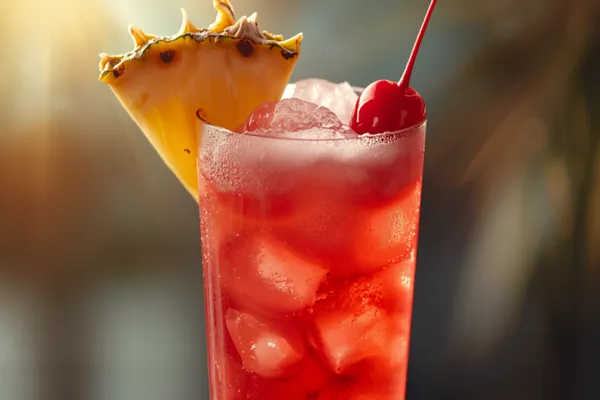
Singapore Sling (The Raffles Hotel Classic)
The tropical gin classic born at Raffles Hotel: gin, cherry liqueur, Bénédictine, citrus and pineapple, shaken into a frothy, ruby long drink. The full original build, not the sugary shortcut.
Thailand (street and market drink) · Thai
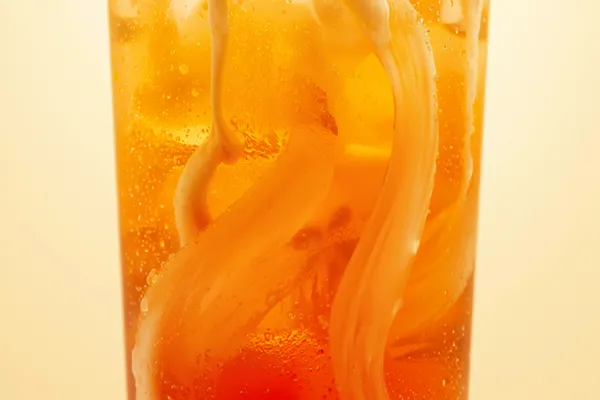
Thai Iced Tea (Cha Yen)
The bright-orange, creamy-sweet Thai street drink: strong spiced black tea sweetened with condensed milk and poured over ice with a float of cream. How to brew it strong and why it's so orange.
From our kitchen community
Ratings & Reviews
My Rating
Tap a star to rate — no sign-in, no form needed.
My Review
0 Ratings
🥣 0 home cooks made it!
Be the first to rate Pandesal (Filipino Breakfast Rolls with a Breadcrumb Crust).
Related Recipes
Philippines (nationwide) / Southeast Asia · Filipino
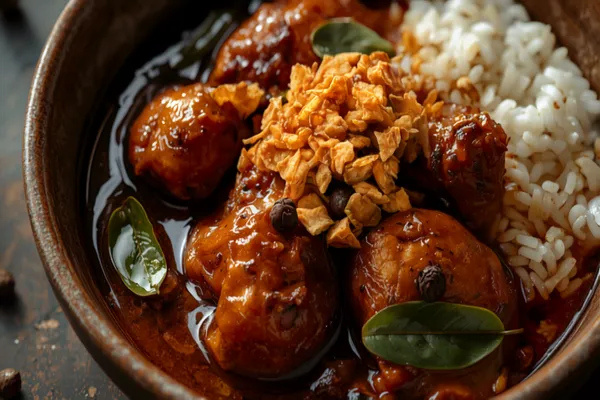
Chicken Adobo (Adobong Manok)
The Philippines' unofficial national dish and the easiest great dinner you'll learn: chicken braised in vinegar, soy, garlic, bay, and peppercorns until tangy, savoury, and tender, then reduced to a glossy glaze. Five pantry ingredients, one pot, endlessly variable.
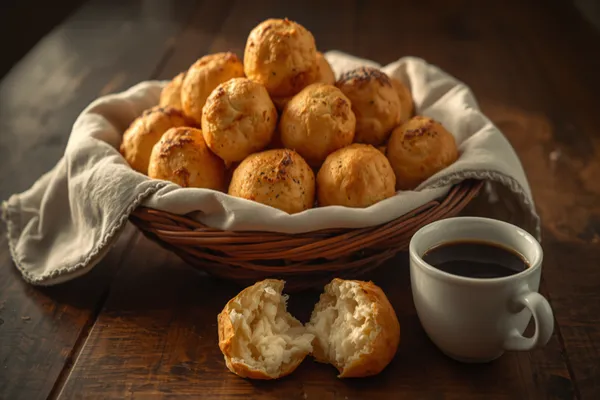
Minas Gerais, south-eastern Brazil (the Serra da Canastra dairy country) · Brazilian
Pão de Queijo (Brazilian Cheese Bread from Minas Gerais)
Brazil's great small bread: hollow, chewy cassava-starch puffs with a crackling shell and a stretchy, salty cheese-scented middle. Naturally gluten-free, and the batter keeps in the freezer for a hot tray any morning of the week.
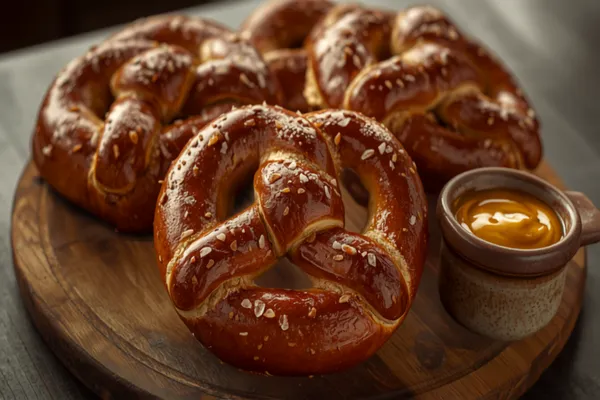
Bavaria · German
Bavarian Soft Pretzels (Brezn)
The mahogany-brown, lye-dipped soft pretzel of the Munich beer garden: a chewy, glossy crust giving way to a soft crumb, scattered with coarse salt. The Oktoberfest classic, made at home with a safe baking-soda bath.
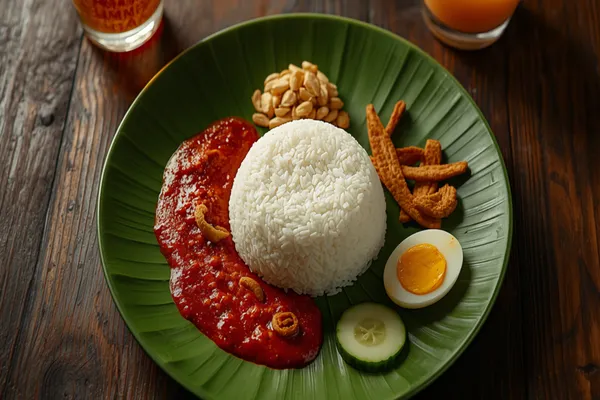
The Malay Peninsula — the Straits of Malacca coast, from Malacca and Kuala Lumpur north to Penang · Malaysian
Nasi Lemak (Malaysian Coconut Rice with Sambal Ikan Bilis)
Malaysia's national breakfast: jasmine rice steamed in coconut milk with pandan, ginger and lemongrass, banked against a dark sambal tumis fried until the oil splits, with crisp anchovies, roasted peanuts, cucumber and a boiled egg.
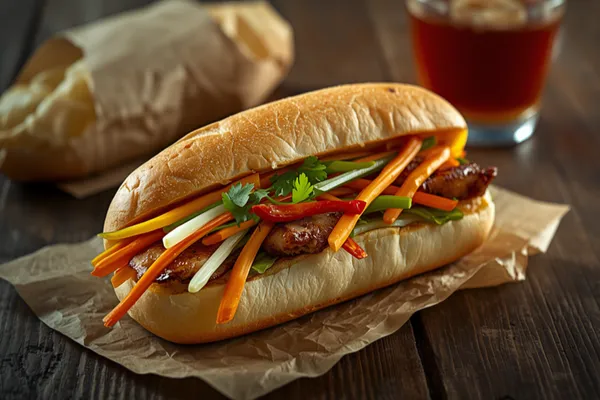
Saigon (Ho Chi Minh City), southern Vietnam · Vietnamese
Bánh Mì Thịt Nướng (Vietnamese Grilled Pork Sandwich)
Saigon's great street sandwich — lemongrass-marinated pork charred over high heat, packed into an airy Vietnamese baguette with pâté, mayonnaise, đồ chua pickles, cucumber and coriander. Crisp, sour, sweet and smoky in the same bite.

The Andean valleys and Caribbean coast shared by Venezuela and Colombia — Timoto-Cuica, Cumanagoto and Muisca corn country · Venezuelan & Colombian
Arepas — Griddled Corn Cakes from Venezuela and Colombia
Three ingredients, four hundred years older than either country that argues over them: masarepa, warm water and salt, griddled to a crust and baked through until they sound hollow. The trick is that masarepa is pre-cooked corn flour and nothing else will do.
Java — the Sundanese west and Betawi Jakarta, where the dish took its familiar form · Indonesian
Gado-Gado (Indonesian Vegetable Plate with Bumbu Kacang)
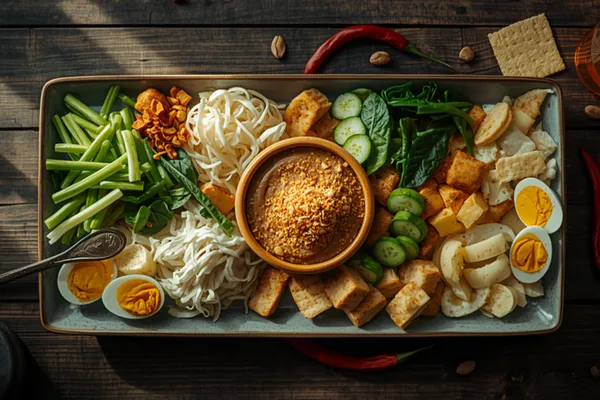
Indonesia's national salad: blanched cabbage, long beans, bean sprouts and water spinach with potato, fried tofu and tempeh, boiled egg and lontong, under a ground sauce of fried peanuts, palm sugar, tamarind and chilli.
Adjara, on Georgia's Black Sea coast (Batumi) · Georgian
Khachapuri Adjaruli (Georgian Cheese Boat Bread)
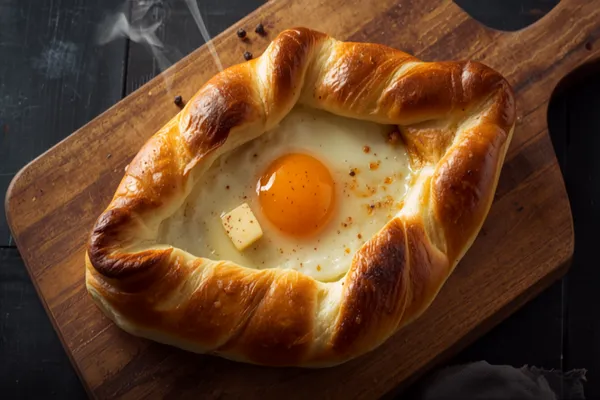
The boat-shaped Georgian cheese bread of the Black Sea coast: a chewy, blistered crust cradling molten salty cheese, finished at the table with a raw yolk and a knob of butter stirred through. Tear, dip, repeat.
Further reading
- Cultural Story · Southeast AsiaA Cook's Map of Southeast AsiaSoutheast Asia isn't one cuisine but a dozen, bound loosely by rice, fish sauce, fresh herbs, and the pounded paste. A guide to how Thai, Vietnamese, Indonesian, Filipino, Malaysian, and Singaporean cooking differ, what they share, and where to start cooking.
- Cultural Story · InternationalWorld Classics: A Cook's Tour Beyond IndiaTable & Traditions is India-first, but the world has a place at this table too. A guide to our curated international slice — the European, East Asian, Southeast Asian, Middle Eastern and North African, and American dishes worth cooking, and where to begin with each.