New York City — the Lower East Side bakeries, by way of Ashkenazi Poland · Jewish American
New York Bagels (Boiled, Blistered, Properly Chewy)
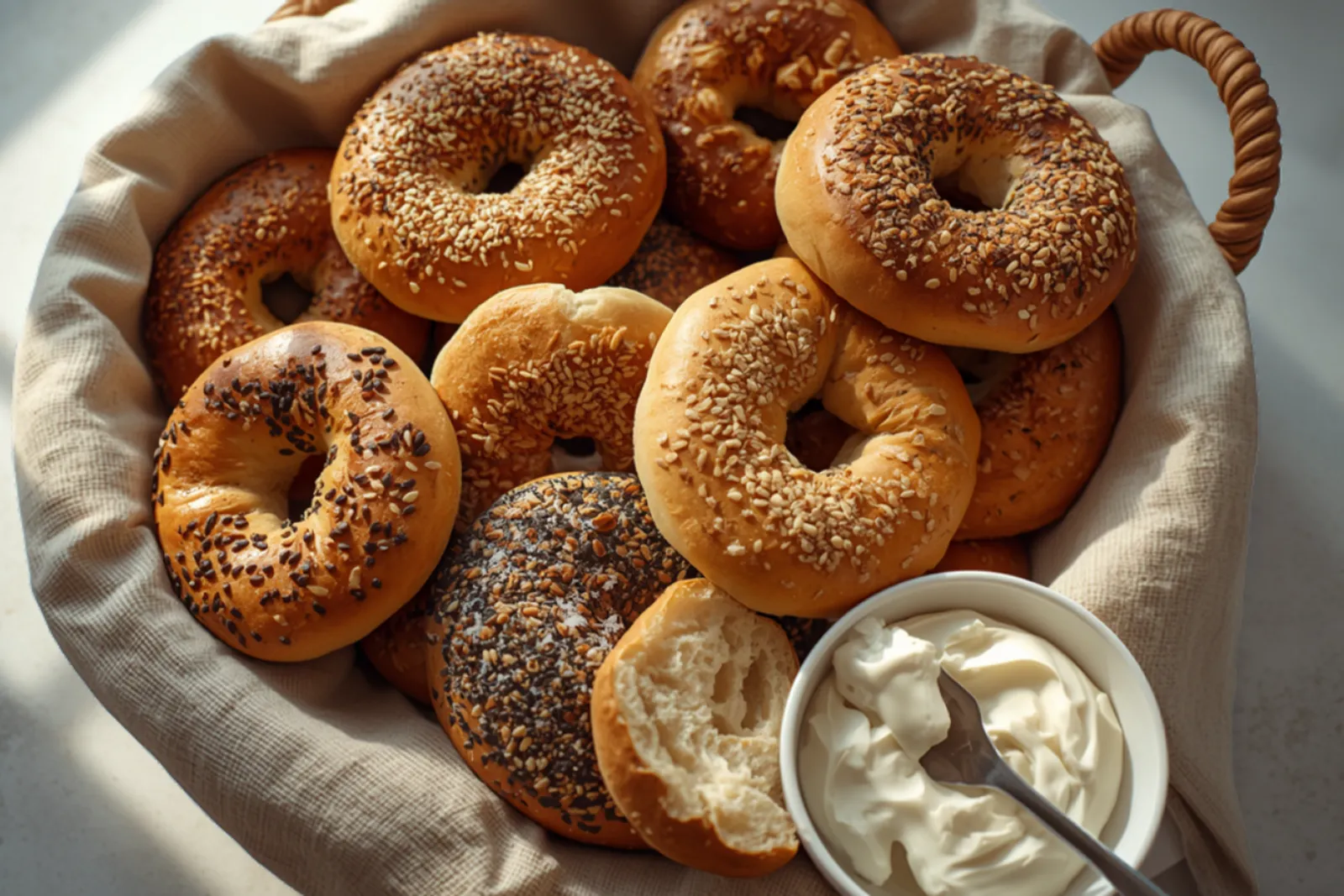
Real New York bagels: a stiff, low-hydration dough, an overnight cold rise, a barley-malt boil and a blazing oven. Glossy, blistered crust, dense chew, and a crumb that pulls rather than tears.
Published September 20, 2026
Cultural context
The bagel's paper trail begins in the 1610 community ordinances of Kraków's Jewish quarter, and the boiled-then-baked roll travelled with Ashkenazi bakers across Poland, Lithuania and Ukraine long before it reached America. Eastern European Jewish migration from the 1870s brought it to New York's Lower East Side, where by 1900 dozens of basement bakeries were turning it out and the bakers' union later known as Local 338 hand-rolled nearly every bagel in the city. New York did not invent the bagel; it industrialised, enlarged and eventually exported it.
New York bagels are the most-copied bread in the world and one of the most often copied badly. The formula is unforgiving and short: strong flour, not much water, barley malt, a long cold night in the fridge, a rolling malted boil, and an oven hot enough to blister the skin. Get those right and you get the thing itself — glossy, dense, blistered, with a crumb that pulls apart in strands instead of tearing. Get them wrong and you get a round roll with a hole.
A Polish bread that emigrated
The first written record of the bagel is a 1610 ordinance from the Jewish community of Kraków, and boiled-then-baked rolls were being made across Ashkenazi Poland, Lithuania and Ukraine for centuries before anyone in America had heard of one. Medieval restrictions on Jewish commercial baking across much of Europe made Poland unusually hospitable, and the boiled roll took root there. It crossed the Atlantic with the Eastern European Jewish migration that began in the 1870s, landed on the Lower East Side, and by the turn of the century was being turned out of dozens of tenement basements. The union that became Bagel Bakers Local 338 hand-rolled essentially every bagel in the city for decades and paid by the thousand — which is why New York’s bagel is bigger, softer-centred and more heavily malted than its lean Polish ancestor. The city didn’t invent the bagel. It scaled it.
Why the dough is so stiff
At 56% hydration this dough is closer to pasta than to bread. That is deliberate. Water is what makes a crumb open and light, and a bagel wants neither. The low hydration keeps the interior tight and the bite substantial, and it lets a hand-rolled ring hold its shape through both a night in the fridge and a minute in boiling water. It also means the gluten needs real work — plan on 10 to 12 minutes of kneading, and expect the dough to resist you the whole way. If you are using a stand mixer, split the batch: a stiff dough at this weight will make a domestic machine walk across the counter.
The cold night does the flavour
A same-day bagel is a perfectly decent bread. An overnight bagel is a bagel. Twelve to twenty-four hours at fridge temperature lets fermentation run slowly enough to build the malty, faintly sour background note you recognise from a good bagel shop, and it dries and firms the surface so the ring comes out of the kettle sharply defined rather than puffy. The small blisters on a well-made crust are a direct signature of that long, cold rise.
The boil is not optional
Thirty to ninety seconds a side in water sweetened with barley malt does two things at once. It gelatinises the starch at the surface — that is where the shine and the slightly leathery skin come from — and it cooks the outside enough to suppress oven spring, so the bagel stays dense instead of ballooning. More time in the kettle means a thicker, chewier crust; less means a thinner, crisper one. Malt in the water, not just in the dough, is what gives the crust its brown and its aroma. And seeds only stick while the surface is still wet, so top them the moment they come out.
The other great boiled-then-baked bread is the Bavarian pretzel, worth making the same weekend for the contrast in crust. For more world-famous breads and staples, see the World classics guide.
Ingredients
For the dough
- 500 g (about 4 cups) high-gluten or strong bread flour 12.5–14% protein. High-gluten flour (14%) is what bagel shops use; good bread flour is the practical home substitute. All-purpose flour makes a soft roll, not a bagel.
- 280 g (1 cup + 3 tbsp) cool water 56% hydration — deliberately stiff. The dough should feel tight and slightly reluctant, nothing like a loaf dough.
- 15 g (1 tbsp) barley malt syrup The single most important flavour ingredient. Dark, molasses-thick, sold in health-food shops and online. Honey or brown sugar will sweeten the dough but will not give you the malty bagel-shop aroma.
- 10 g (1 3/4 tsp) fine sea salt
- 5 g (1 1/2 tsp) instant dried yeast If using active dry yeast, use the same weight and dissolve it in the water first.
For the boil
- 3 litres water
- 2 tbsp barley malt syrup Malt in the kettle is what browns and glosses the crust. A tablespoon of baking soda can be added alongside it for a darker, more pretzel-like colour.
- 1 tbsp granulated sugar (optional)
To finish
- as needed toppings — sesame seeds, poppy seeds, flaky salt, dried garlic and onion Equal parts sesame, poppy, dried garlic, dried onion and coarse salt makes the 'everything' blend.
- as needed fine semolina or cornmeal, for the tray
Method
Tap a step’s number to check it off as you go.
-
Whisk the flour, salt and yeast together in a large bowl. Stir the barley malt syrup into the water until it dissolves, then pour it in and mix to a shaggy, very stiff dough.
Why: Dissolving the malt first stops it sinking to the bottom as an unmixed sticky patch — at 56% hydration there is not enough free water to distribute it later.
-
Knead on an unfloured counter for 10–12 minutes, or 8 minutes in a stand mixer on low with the dough hook. The dough will fight you at first and end up smooth, tight and barely tacky.
Why: Bagel dough is stiff enough that gluten develops slowly and unevenly. The long knead is what builds the tight, elastic network that gives a bagel its pull-apart chew instead of a soft, cakey crumb — and a stiff dough will strain a light stand mixer, so work in two batches if yours labours.
-
Cover and rest for 1 hour at room temperature. It will look sluggish and rise maybe half again — that is correct.
Why: There is little water and a lot of flour, so fermentation is slow. You are not chasing a doubled, airy dough here; you want just enough gas to keep the crumb from being solid.
-
Divide into 8 pieces of about 100 g. Roll each into a tight ball, then rest 10 minutes under a cloth.
Why: A rested ball rolls out without snapping back. Skipping this makes shaping a wrestling match.
-
Shape each bagel: roll a ball into a 22 cm rope, wrap it around four fingers so the ends overlap in your palm, then roll the overlap against the counter to weld it. Aim for a hole about 4 cm across.
Why: The hole closes dramatically in the boil and the oven, so it must start bigger than you think. Welding the seam by rolling — rather than pinching — hides it and stops the ring unravelling in the kettle. Hand-rolling is also the older method: New York's union bakers were paid by the hand-rolled thousand.
-
Set the bagels on a semolina-dusted tray, cover well, and refrigerate 12–24 hours.
Why: This cold retard is the whole flavour of the recipe. Slow fermentation at fridge temperature builds acids and malty depth the one-hour rise cannot, and it firms the skin so the rings hold their shape in boiling water. Bagels retarded 24 hours blister more than those retarded 12.
-
Next day, heat the oven to 245°C (475°F) with a baking stone or heavy tray inside. Bring the kettle water to a rolling boil with the malt syrup and sugar.
Why: Bagels want a hot, sustained floor heat to set the crust quickly. A preheated stone or steel gives you the closest thing to a deck oven at home.
-
Test one cold bagel: drop it into the water. If it floats within about 10 seconds it is ready. If it sinks, leave the tray at room temperature for 20 minutes and test again.
Why: The float test measures gas, not time. An under-proofed bagel comes out dense and tight; an over-proofed one collapses and wrinkles in the kettle.
-
Boil in batches of 3–4, 45 seconds a side for a thinner crust and real chew, up to 90 seconds a side for a thicker, glossier one. Lift out with a slotted spoon and drain briefly.
Why: Boiling gelatinises the starch on the surface before the oven can set it, which is what creates the shiny, leathery skin and blocks oven spring — that restraint is exactly what makes a bagel dense rather than fluffy. Longer boiling means more gelatinised starch and a chewier, thicker crust.
-
Dip the wet tops in toppings straight away, or leave plain, and set on a semolina-dusted, parchment-lined tray.
Why: Seeds stick to the gelatinised surface only while it is still wet. Once it dries they fall off in the oven.
-
Bake 18–22 minutes, turning the tray once, until deep golden-brown with small blisters. Cool at least 20 minutes on a rack before cutting.
Why: The crumb is still setting as it cools; slicing hot gives you a gummy interior. Blisters are a sign the long cold rise did its work.
A quick, anonymous tap — no review needed.
Variations
- Everything
Mix equal parts sesame seeds, poppy seeds, dried minced garlic, dried minced onion and coarse salt. Dip the wet bagels face-down and press lightly.
- Sesame, poppy or salt
The three oldest New York toppings. Salt bagels use coarse flakes, applied sparingly — they dissolve and spread in the oven.
- Cinnamon raisin
Knead 100 g raisins and 1 tsp ground cinnamon into the dough at the end of the knead. Expect a slightly slacker dough and a darker crust from the extra sugar.
- Sourdough bagels
Replace the yeast with 100 g of active stiff starter and cut the water to 250 g. Extend the first rest to 3 hours and the cold retard to a full 24.
- No barley malt
Use 1 tbsp honey in the dough and 2 tbsp honey plus 1 tbsp baking soda in the kettle. You will get colour and gloss, but the malt aroma will be missing.
Serving & Storage
Split, toasted lightly if more than a few hours old, and spread thickly with cream cheese. The full New York assembly adds cold-smoked salmon, thin red onion, tomato, capers and a squeeze of lemon. For a hot breakfast sandwich, fill with egg and cheese.
Pairs with: Cream cheese, Smoked salmon, Scallion cream cheese, Strong black coffee, Sliced tomato and red onion.
Storage: Best the day they are baked. Keep in a paper bag at room temperature for up to 2 days — never in plastic, which softens the crust. To keep longer, slice and freeze in a sealed bag for up to 3 months and toast from frozen. The shaped, retarded dough can also be frozen before boiling: thaw overnight in the fridge and proceed.
Nutrition
Per serving (1 bagel (about 100 g, plain))
- Calories
- 275
- Protein
- 10 g
- Carbs
- 55 g
- Fat
- 1.5 g
- Fiber
- 2 g
- Sugar
- 3 g
- Sodium
- 490 mg
Notable micronutrients: Iron, Selenium, Thiamine, Folate
Estimated using standard ingredient data. Values vary with brands and substitutions.
Frequently Asked Questions
Do I really have to boil them?
Yes — the boil is what makes a bagel a bagel. Dropping the rings into malted water gelatinises the starch on the outside, which sets a glossy, leathery skin, limits oven spring and forces the dense, chewy crumb bagels are known for. Bake an unboiled ring and you get a bread roll with a hole in it. Boiled-then-baked dough is also the oldest identifiable trait of the bagel, going back to Ashkenazi bakeries in Poland.
What if I can't find high-gluten flour?
Good bread flour at 12.5–13% protein works well and is what most home bakers use. All-purpose flour at around 10–11% is a real step down: the crumb turns soft and the chew disappears. If bread flour is all you have, you can push the protein up slightly by replacing 2 tablespoons of the flour with vital wheat gluten.
Can I skip the overnight rise?
You can bake the same day after a 1-hour bulk and a 45-minute shaped proof, but you will lose most of the flavour and the blistered crust. The cold retard is where the malty, faintly sour depth comes from, and where the skin firms up enough to hold a clean ring in boiling water. If you have the fridge space, give it the full 24 hours.
Why did my bagels wrinkle or collapse in the kettle?
They were over-proofed. The float test is the safeguard: a cold bagel that floats within about 10 seconds is ready, and one that bobs up instantly has gone too far. If a batch is over-proofed, boil it briefly — 30 seconds a side — and bake immediately; the results will be flatter but still good.
Is a New York bagel actually different, or is that a myth?
The method is what matters: a high-protein, low-hydration dough, hand-rolled, cold-retarded, boiled in malted water and baked hot. The often-repeated claim that New York's soft tap water is the secret is not well supported — bakeries elsewhere making bagels the same way get the same result. What New York genuinely had was density of skilled Ashkenazi bakers and, for decades, a union that guarded the technique.
What to drink with this
All drinks →Hand-picked pours to match this dish. Alcoholic pairings are for adults of legal drinking age (21+ in the US) — please drink responsibly.
 21+
21+ United States (turn of the 20th century) · American
Dry Martini (Gin, Vermouth & a Cold Glass)
The original cocktail of cocktails — good gin, a measure of dry vermouth, stirred long over ice and served brutally cold. The ratios, the stir, and why a Martini is shaken or stirred for a reason.
 21+
21+ Long Island, New York (Prohibition-era claim) / Tennessee (rival origin) · American
Long Island Iced Tea (Five Spirits, No Tea)
The infamous Long Island Iced Tea, built in balance — five clear spirits, orange liqueur, fresh lemon and just enough cola to fake the colour of tea. Strong by design, but measured, not muddled.

Mexico (agua fresca tradition) · Mexican
Agua de Jamaica (Hibiscus Iced Tea)
Mexico's ruby-red hibiscus cooler: dried jamaica flowers steeped, sweetened and chilled into a tart, refreshing agua fresca. The right steep, how to control the tartness, and why it's so good for you.
From our kitchen community
Ratings & Reviews
My Rating
Tap a star to rate — no sign-in, no form needed.
My Review
0 Ratings
🥣 0 home cooks made it!
Be the first to rate New York Bagels (Boiled, Blistered, Properly Chewy).
Related Recipes
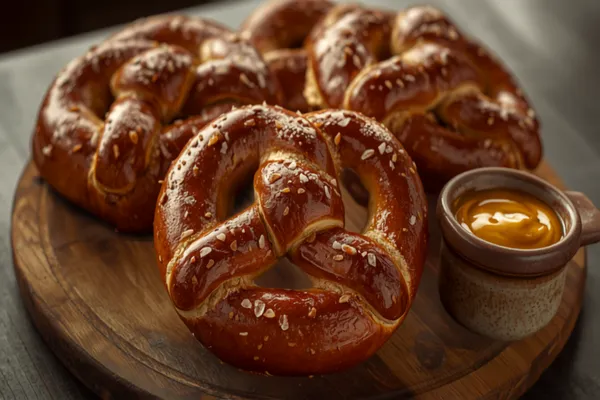
Bavaria · German
Bavarian Soft Pretzels (Brezn)
The mahogany-brown, lye-dipped soft pretzel of the Munich beer garden: a chewy, glossy crust giving way to a soft crumb, scattered with coarse salt. The Oktoberfest classic, made at home with a safe baking-soda bath.

Poland — eaten nationwide, but named for Ruś (Red Ruthenia), the historic borderland now split between south-eastern Poland and western Ukraine · Polish
Pierogi Ruskie (Polish Potato and Twaróg Dumplings)
Poland's most-loved pierogi: a hot-water dough rolled thin enough to see through, wrapped around floury potato, tangy twaróg curd cheese and onions fried slowly to deep gold — boiled, buttered, and eaten under a spoonful of sour cream.
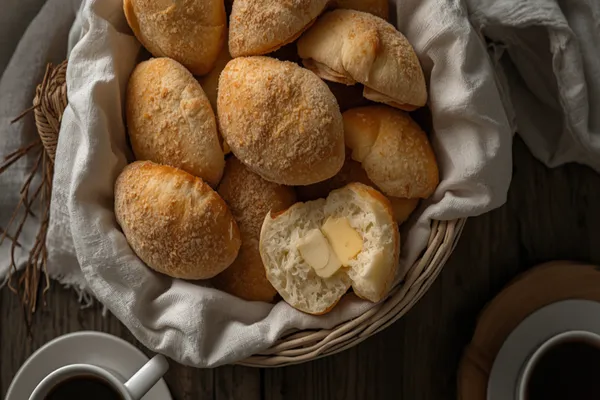
The Philippines — Manila's panaderia belt, with roots in the Spanish-era bakeries of Intramuros and Pampanga · Filipino
Pandesal (Filipino Breakfast Rolls with a Breadcrumb Crust)
The Philippines' morning bread: soft, faintly sweet yeasted rolls rolled in fine breadcrumbs, cut from a log and baked cut-side up so they tear open in feathery layers. Best eaten hot from the panaderia bag, dunked in coffee.
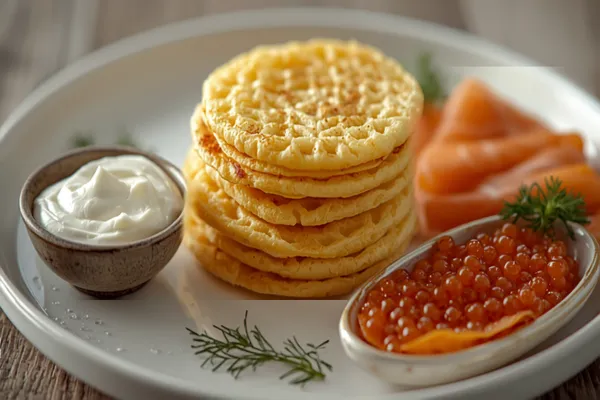
Russia · Russian
Russian Blini (Yeasted Buckwheat Pancakes)
The pancakes at the heart of Maslenitsa, Russia's butter-rich farewell to winter: thin, lacy, yeast-raised rounds with a faint tang, served in stacks with butter, sour cream, jam, or — for a feast — smoked salmon and caviar.