United States (turn of the 20th century) · American
Dry Martini (Gin, Vermouth & a Cold Glass)
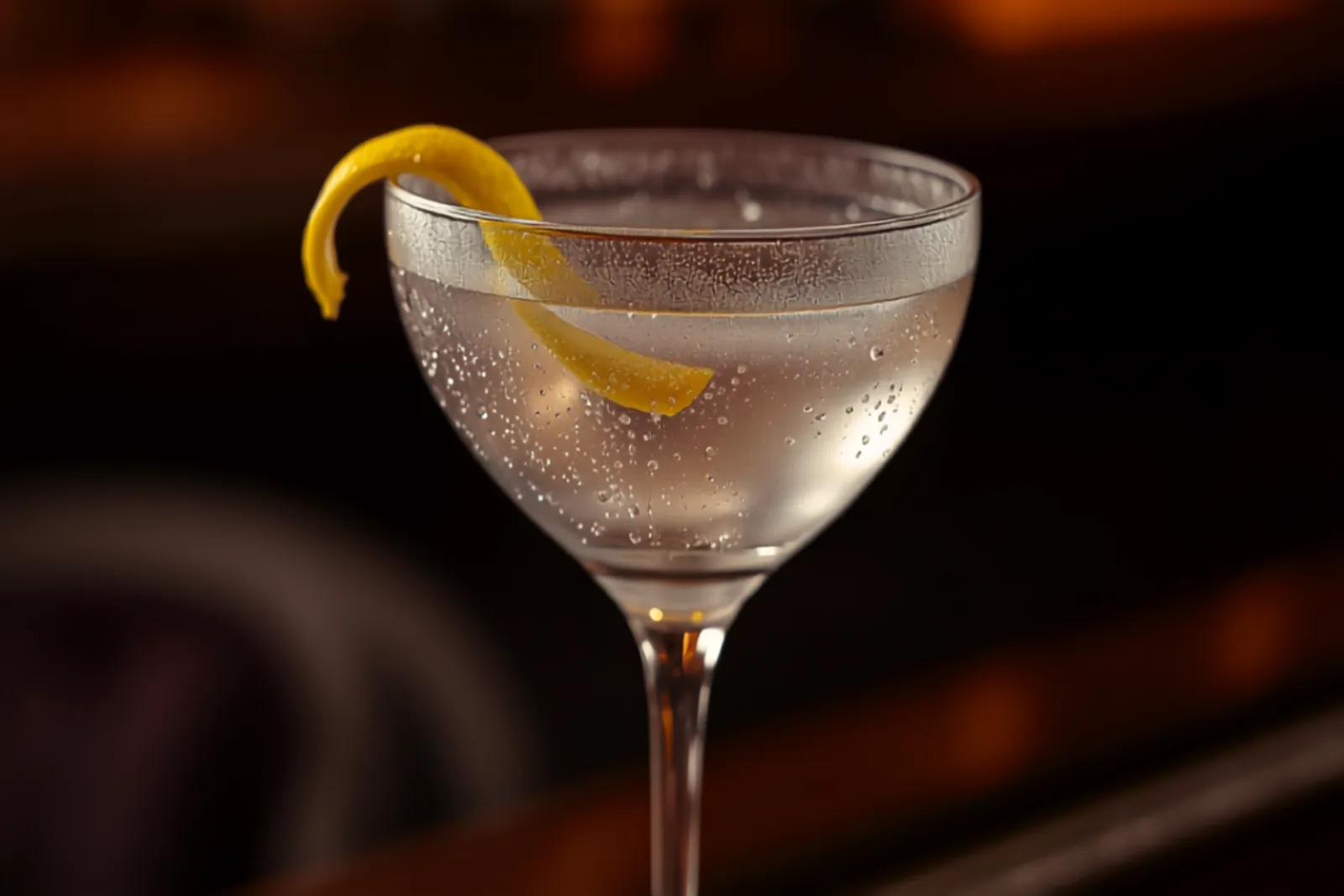
The original cocktail of cocktails — good gin, a measure of dry vermouth, stirred long over ice and served brutally cold. The ratios, the stir, and why a Martini is shaken or stirred for a reason.
Published June 26, 2026
Cultural context
The Martini is the most iconic cocktail in the world and the template for the whole 'spirit-forward, stirred' family. Born around the turn of the 20th century, it has drifted ever drier over the decades — from roughly equal parts gin and vermouth to the barely-there 'dry' pour drinkers favour today. Gin is the classic base; vodka is the modern alternative.
The Martini is the original spirit-forward cocktail and the one every bartender is quietly judged on: good gin, a measure of dry vermouth, stirred long and served brutally cold. There’s nowhere to hide, which is the whole appeal.
Use gin you’d drink neat
A Martini is almost entirely base spirit, so the gin (or vodka) is the drink. Pick a bottle you genuinely enjoy on its own — the vermouth seasons it; it can’t rescue it.
Stir, don’t shake
Clear, boozy drinks are stirred so they stay silky and crystal-clear. Thirty to forty seconds over ice chills it and adds just the right dilution. Shaking clouds and over-aerates it — fine if that’s your taste, but it’s not the classic.
Cold glass, one garnish
With no ice in the glass, a chilled coupe is your only insulation. Garnish with an expressed lemon twist for aroma or olives for a savoury edge — never both. For its red, bitter cousin, try the Negroni. More in the Drinks guide.
Ingredients
- 60 ml (2 oz) London dry gin Spirit-forward drinks are mostly base spirit, so use one you like neat. Vodka works for a vodka Martini.
- 10 ml (0.33 oz) dry vermouth Vermouth is wine — it oxidises. Keep the bottle in the fridge and replace it every couple of months.
- lemon twist or olives, to garnish
- plenty of ice, for stirring
Method
Tap a step’s number to check it off as you go.
-
Chill a coupe or Martini glass in the freezer, or fill it with ice water while you mix.
Why: A Martini is served without ice, so the glass is your only insulation — a cold glass keeps it cold to the last sip.
-
Add the gin and vermouth to a mixing glass filled with ice and stir for 30–40 seconds until thoroughly cold.
Why: Clear, spirit-forward drinks are stirred, not shaken, so they stay silky and crystal-clear; the long stir also adds the right dilution.
-
Strain into the chilled glass. Garnish with a lemon twist (expressed over the surface) or olives.
Why: A twist expressed over the top sprays citrus oil for aroma; olives make it a savoury 'dirty'-leaning Martini. Pick one.
A quick, anonymous tap — no review needed.
Variations
- Vodka Martini
Use vodka in place of gin for a cleaner, more neutral drink.
- Dirty
Add a splash of olive brine and garnish with olives for a savoury, briny version.
- Wet / 50-50
Use equal parts gin and vermouth for the older, softer, more aromatic style.
- Gibson
Garnish with a pickled cocktail onion instead of a twist or olive.
Serving & Storage
Serve straight up in a chilled coupe, ice-cold and soon — a Martini warms fast. One olive or a clean twist; never both.
Pairs with: Salted almonds, Oysters, Marcona olives, Smoked salmon.
Storage: Make to order. You can keep gin and vermouth in the freezer for faster, colder builds, but stir with ice for proper dilution.
Nutrition
Per serving (1 cocktail (~75 ml))
- Calories
- 175
- Protein
- 0 g
- Carbs
- 1 g
- Fat
- 0 g
- Fiber
- 0 g
- Sugar
- 0 g
- Sodium
- 5 mg
Estimated using standard ingredient data. Values vary with brands and substitutions.
Frequently Asked Questions
Shaken or stirred?
Stirred, classically. Shaking chills fast but aerates and clouds the drink and chips the ice; stirring keeps a clear spirit-forward Martini silky and bright. Shake only if you actively like it colder and a touch cloudy.
How much vermouth?
It's personal. A modern 'dry' Martini uses a small splash (around 10 ml or less); a 'wet' or 50-50 uses far more. Start at 6:1 gin to vermouth and adjust to taste.
Why keep vermouth in the fridge?
Vermouth is aromatised wine and oxidises once opened, going flat and sour at room temperature. Refrigerate it and use it within a couple of months for a bright Martini.
From our kitchen community
Ratings & Reviews
My Rating
Tap a star to rate — no sign-in, no form needed.
My Review
0 Ratings
🥣 0 home cooks made it!
Be the first to rate Dry Martini (Gin, Vermouth & a Cold Glass).
Related Recipes

Florence, Italy (Tuscan aperitivo tradition) · Italian
Negroni (The Perfect Three-Part Aperitivo)
Equal parts gin, Campari and sweet vermouth, stirred over ice with an orange peel. Italy's great bitter aperitivo — the easiest world-class cocktail to remember and one of the hardest to improve on.
New York City (Manhattan Club tradition) · American
Manhattan (The Classic Whiskey Cocktail)
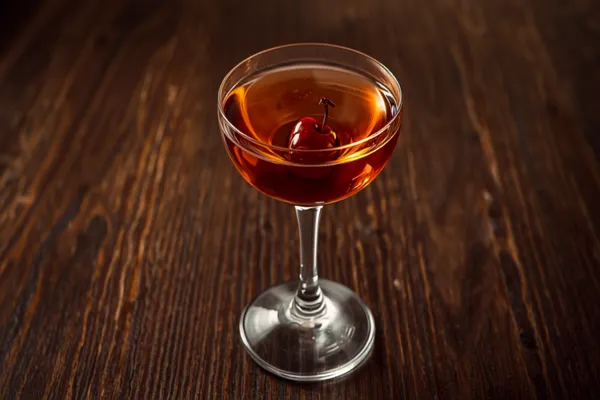
Rye or bourbon, sweet vermouth and a couple of dashes of bitters, stirred down cold and served up with a cherry. The original whiskey cocktail — spirit-forward, silky, and endlessly elegant.
British India / United Kingdom (19th century) · British
Gin & Tonic (Done Properly)
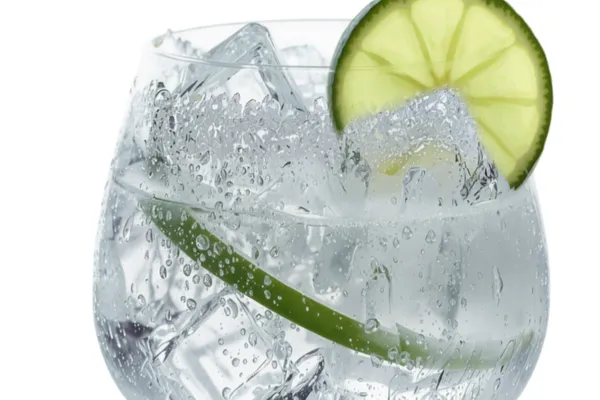
Good gin, cold tonic, plenty of ice and the right garnish — the most quietly perfect of all the highballs. A two-ingredient drink that rewards every small detail, from a born-of-empire medicine to the world's favourite long drink.