Cultural Story · International
The Drinks Guide: A World Tour in a Glass
A pourer's tour of the whole Drinks collection — world-class cocktails built the right way, the regional drinks that define a place, thoughtful non-alcoholic options and mocktails, and the unique coolers each region customized to its own heat and ritual.
Published June 21, 2026
Every great meal has a drink beside it. Table & Traditions goes deep on the food of India and the wider world — but the glass deserves the same care as the plate. This is our guide to everything you pour: the cocktails the whole world is judged by, the drinks that define a place, the alcohol-free options worth as much thought as any cocktail, and the unique coolers each region invented to suit its own heat and ritual.
A note before we begin: some of these drinks contain alcohol and some don’t. The cocktails are for adults of legal drinking age and carry a 21+ badge; their pages ask you to confirm your age, and every alcoholic recipe carries a responsibility note. About half the collection is completely alcohol-free, and many cocktails include a non-alcoholic version. Wherever you sit, there’s a glass here for you.
World-class cocktails, built properly
The cocktail canon endures because it’s balanced. An Old Fashioned is nothing but whiskey, sugar, water and bitters — and it’s still the truest test of a bar, because there’s nowhere to hide. So is the Dry Martini, the original spirit-forward drink and the template for everything stirred and strong. The Negroni is the easiest world-class drink to remember (equal parts gin, Campari and sweet vermouth) and one of the hardest to improve on — swap the gin for whiskey and you have its brooding cousin, the Boulevardier. The Margarita and Daiquiri are both sours — spirit, citrus, sweetener — that live or die on fresh lime, and the same logic runs through the Gimlet, Tom Collins and Sidecar. We give you the proper specs: measured pours, fresh juice, the right ice, and stir-don’t-shake where it matters. Once those are second nature, the Espresso Martini, Aperol Spritz, Pisco Sour, Caipirinha, Sazerac, Aviation and Singapore Sling round out a collection that can carry any occasion.
Not every great drink is a quiet sipper. The Long Island Iced Tea — five spirits faked into the colour of iced tea — is built for a party, and its tribe runs deep: the cranberry Long Beach, the neon-green Tokyo Tea, the electric-blue Electric Iced Tea, the bourbon-boosted Texas Tea and the tropical Hawaiian. Brunch has its own canon — the sparkling Mimosa and Bellini, and the savoury, endlessly customisable Bloody Mary. And tiki is a world unto itself: the rum-stacked Zombie that kicked off the craze, and the creamy, nutmeg-dusted Painkiller. For dessert in a glass, there’s the White Russian. Longer, fizzier highballs round it out — the Cuba Libre, Paloma, Dark ‘n’ Stormy and Tequila Sunrise — for when you want something tall and easy.
Drinks rooted in a place
Some drinks are inseparable from where they come from. Spain’s sangria is the communal pitcher of a long lunch; the American South’s mint julep is a frosted silver cup on a hot porch and the official drink of the Kentucky Derby; Irish coffee was invented to warm cold transatlantic travellers. And the world’s great non-alcoholic rituals belong here too: Moroccan mint tea poured from a height as an act of hospitality, Turkish coffee simmered in a cezve and read for fortunes, Vietnamese iced coffee dripped slowly over sweetened condensed milk. Each one tells you something about the place it’s from.
Non-alcoholic, with no compromise
An alcohol-free drink should be as considered as anything on the cocktail list. Mexico’s agua de jamaica is a bracingly tart hibiscus cooler, and its horchata a creamy, dairy-free rice-and-cinnamon classic. Thailand’s iced tea is sweet, strong and unmistakably orange. A proper virgin mojito — real muddled mint, not flavoured fizz — holds its own against the original. And falooda blurs the line between drink and dessert entirely, with rose syrup, basil seeds, vermicelli and ice cream layered in a tall glass.
The drinks a region made its own
Finally, the coolers that a single place customized to its climate and calendar. India’s repertoire alone is a season in a glass: the festival milk of thandai at Holi; the sweet-salty-tangy nimbu pani that revives you on a scorching afternoon; the jade-green aam panna made from sour summer mangoes as a heat-stroke remedy; and the fizzing, street-stall masala soda that cuts through anything fried or spicy. Alongside the everyday icons of masala chai and mango lassi, they show how a drink can be as local and specific as a regional dish.
Wherever you start, the principle is the same as everything else on this site: good ingredients, the technique that matters, and the reason behind every step. Pour something, and pull up a chair.
Frequently Asked Questions
Which drinks here contain alcohol?
The World-Class Cocktails section, plus a few regional classics like sangria, the mint julep and Irish coffee, are alcoholic and carry a 21+ badge. Everything in the Non-Alcoholic & Mocktails and most of the Unique & Region-Customized sections is alcohol-free. Cocktail pages ask you to confirm you're of legal drinking age, and every alcoholic recipe carries a responsibility note — please drink responsibly.
I don't drink alcohol — is there enough here for me?
Plenty. Roughly half the collection is alcohol-free: hibiscus agua, Thai iced tea, horchata, a proper virgin mojito, Moroccan mint tea, Turkish and Vietnamese coffee, plus India's masala chai, mango lassi, thandai, nimbu pani, aam panna and masala soda. Many cocktails also have non-alcoholic versions noted in their variations.
Do I need special bar equipment?
Very little. A jigger or measuring spoons, a shaker (or a sealed jar), a fine strainer and a muddler cover almost everything. A few drinks reward specific gear — a phin for Vietnamese coffee, a cezve for Turkish coffee — but each recipe offers a workaround using what's already in most kitchens.
What makes a 'world-class' cocktail world-class?
Balance and restraint. The classics endure because they get the ratio of spirit, sweet and sour (or bitter) exactly right and use good ingredients without burying them. We give the proper specs — fresh citrus, measured pours, the right ice and technique — rather than the sugary shortcut versions.
Related Recipes
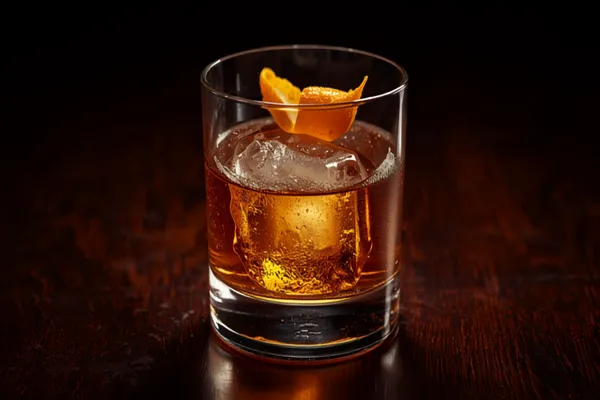
Louisville, Kentucky (American whiskey country) · American
Old Fashioned (The Original Whiskey Cocktail)
The cocktail that defined the word: good bourbon or rye, a little sugar, a couple dashes of bitters, and a big piece of ice. The proper build, the right ratio, and why it's stood for 150 years.
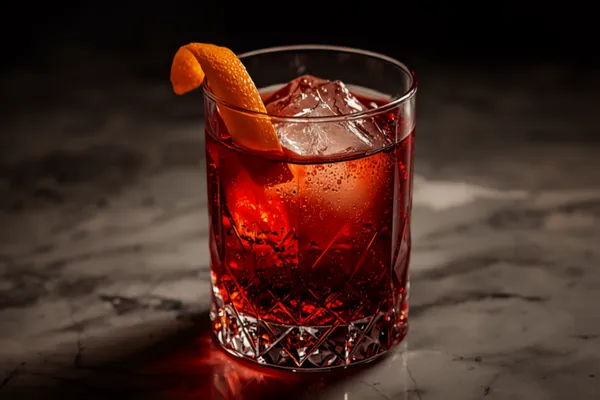
Florence, Italy (Tuscan aperitivo tradition) · Italian
Negroni (The Perfect Three-Part Aperitivo)
Equal parts gin, Campari and sweet vermouth, stirred over ice with an orange peel. Italy's great bitter aperitivo — the easiest world-class cocktail to remember and one of the hardest to improve on.
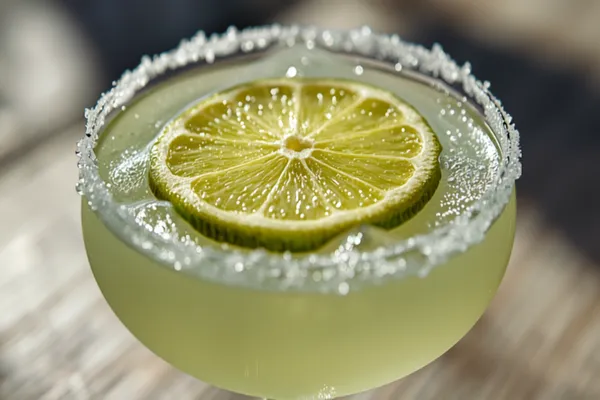
Northern Mexico / U.S. border (tequila country) · Mexican
Margarita (Tequila, Lime & Orange Liqueur)
The real margarita — good tequila, fresh lime, orange liqueur and nothing from a mix. The classic ratio, salt rim done right, and why fresh juice is non-negotiable.
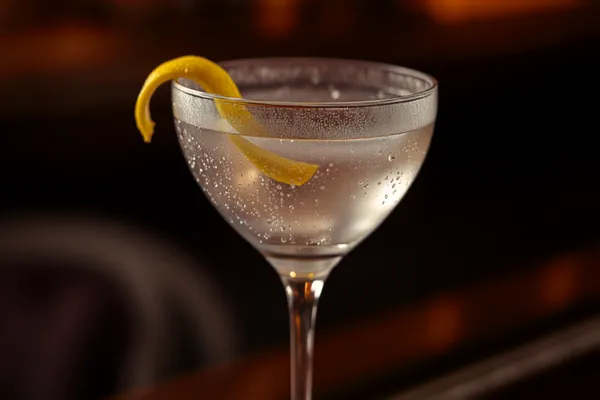
United States (turn of the 20th century) · American
Dry Martini (Gin, Vermouth & a Cold Glass)
The original cocktail of cocktails — good gin, a measure of dry vermouth, stirred long over ice and served brutally cold. The ratios, the stir, and why a Martini is shaken or stirred for a reason.
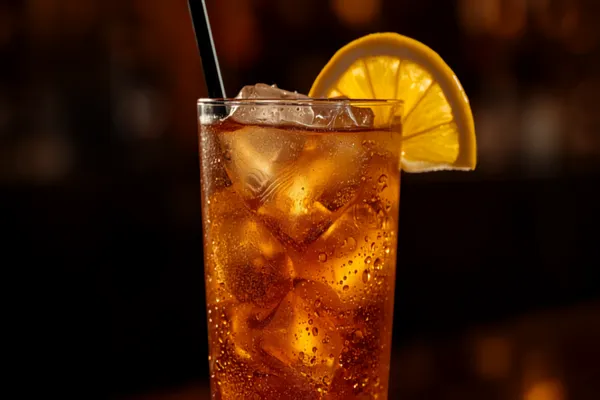
Long Island, New York (Prohibition-era claim) / Tennessee (rival origin) · American
Long Island Iced Tea (Five Spirits, No Tea)
The infamous Long Island Iced Tea, built in balance — five clear spirits, orange liqueur, fresh lemon and just enough cola to fake the colour of tea. Strong by design, but measured, not muddled.
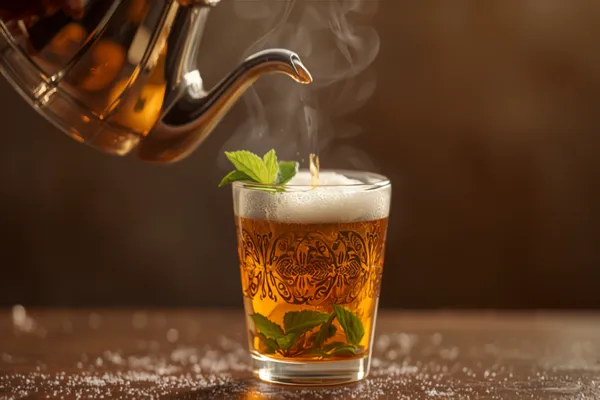
Morocco (the Maghreb) · Moroccan
Moroccan Mint Tea (Atay — Maghrebi Mint Tea)
Morocco's sweet, fragrant green tea poured from a height into a frothy glass. The proper method — washing the tea, layering the mint, and the famous long pour — plus how sweet it really should be.
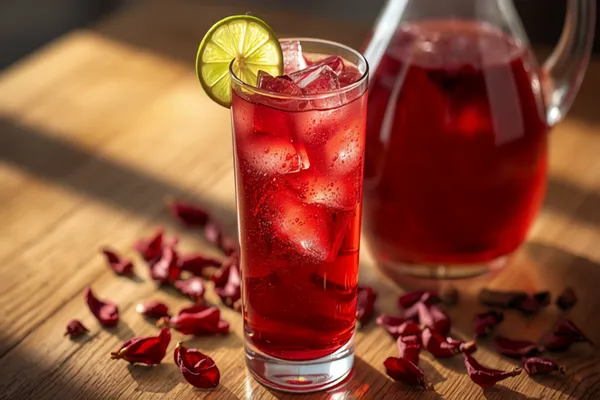
Mexico (agua fresca tradition) · Mexican
Agua de Jamaica (Hibiscus Iced Tea)
Mexico's ruby-red hibiscus cooler: dried jamaica flowers steeped, sweetened and chilled into a tart, refreshing agua fresca. The right steep, how to control the tartness, and why it's so good for you.
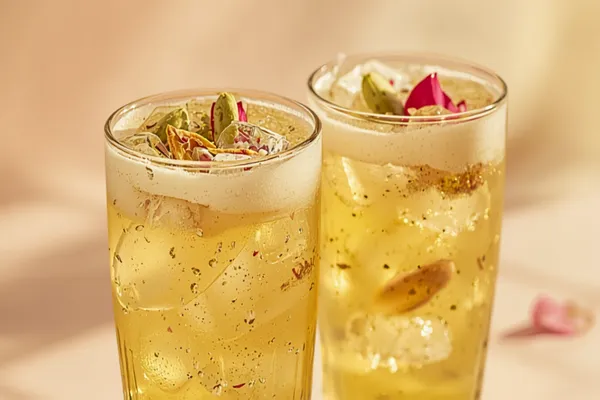
North India (Banaras / Uttar Pradesh, the heart of thandai country) · Indian
Thandai (Spiced Almond & Saffron Milk for Holi)
North India's festival cooler: chilled milk blended with almonds, fennel, cardamom, peppercorn, poppy and saffron. The fragrant, nutty drink of Holi and Maha Shivratri — made from scratch.
Related stories & guides
- Cultural Story · InternationalWorld Classics: A Cook's Tour Beyond IndiaTable & Traditions is India-first, but the world has a place at this table too. A guide to our curated international slice — the European, East Asian, Southeast Asian, Middle Eastern and North African, and American dishes worth cooking, and where to begin with each.
- Festival & Seasonal · InternationalWorld Festive: Recipes for Celebrations Around the GlobeEvery culture has its feast days — the holiday tables, the harvest gatherings, the festivals devoted to a single beloved food. This is our guide to celebration cooking from around the world, from a French Yule log to Hawaiian Spam musubi, and the festivals behind each dish.