Pan-Indian (the everyday tea of the subcontinent) · Indian
Masala Chai (Spiced Indian Tea)
India's daily ritual in a cup: black tea brewed with milk, sugar and freshly crushed spices. The proper stovetop method, plus how to build your own masala.
Published July 31, 2026
Cultural context
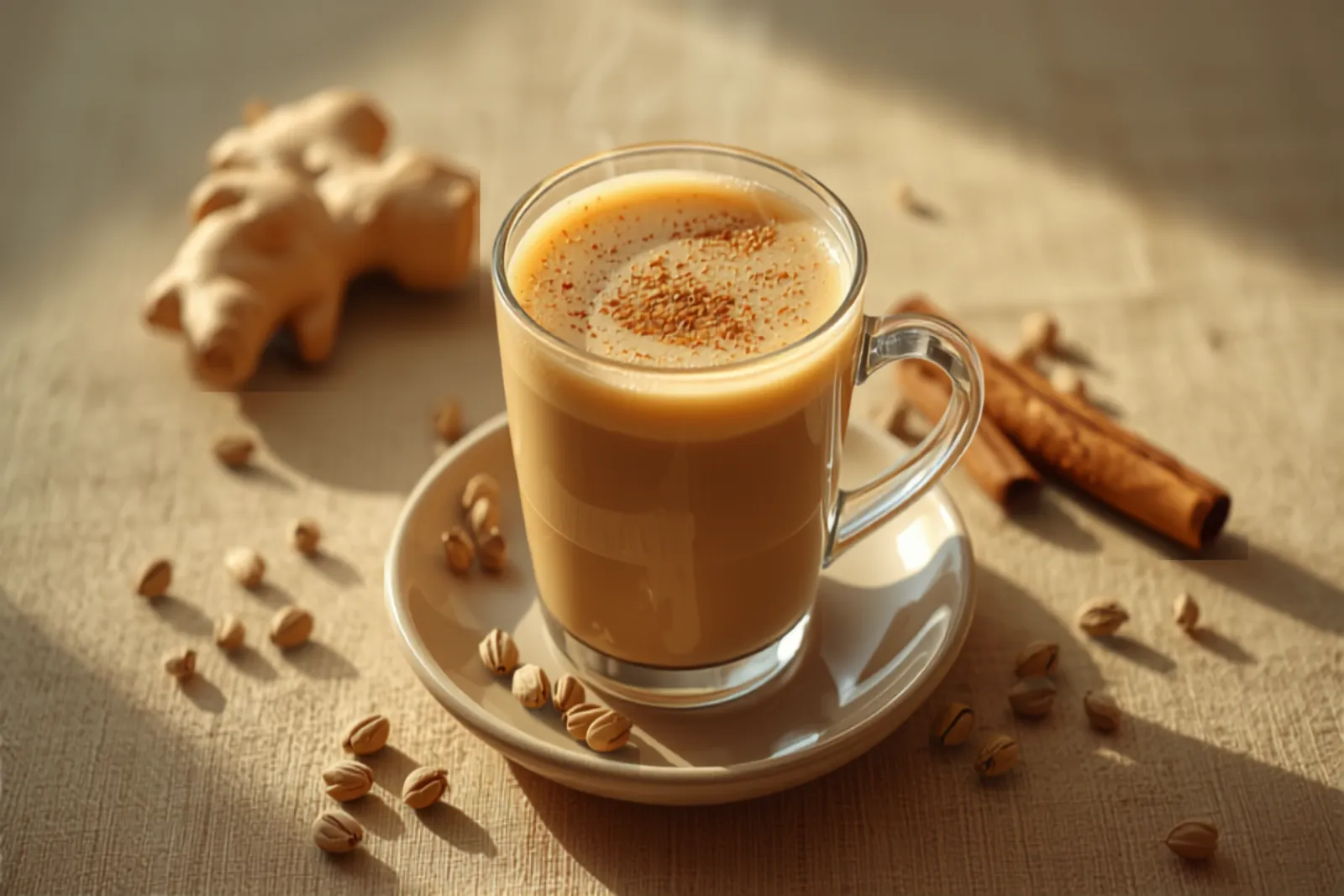
Chai simply means 'tea', and masala chai — tea brewed with spices — is the drink that punctuates Indian daily life, from the roadside chai wallah's kettle to the home kitchen's morning pot. Though tea drinking was promoted in India under British cultivation, the spicing, the milk and the sweetness made it wholly Indian. Every family and stall has its own masala balance.
Masala chai is India’s daily ritual in a cup — strong black tea boiled with milk, sugar and freshly crushed spices. It punctuates the whole day, from the roadside chai wallah’s bubbling kettle to the family’s morning pot, and every household and stall guards its own masala balance. Chai just means tea; the spice, milk and sweetness made it unmistakably Indian.
Boil, don’t steep
The defining technique is a hard boil. Crush the spices and ginger into the water and let them bubble first — that’s how you pull their flavour fully into the brew. Then add strong Assam CTC tea and sugar and boil again; this tea is built to stand up to milk and spice, and a gentle steep just gives weak chai.
Milk last, then a long simmer
Only after the spice and tea have boiled does the milk go in, brought to a rolling boil and then simmered a few minutes. That final simmer melds everything and gives the depth you taste at a good chai stall.
The froth
Strain into cups and, for the proper finish, pull the chai between two vessels from a height a few times to aerate it. Serve piping hot with a samosa or a biscuit. Keep a jar of dry chai masala on hand and you can make a fresh, spiced cup any morning — more on the spices in the Indian spice pantry.
Ingredients
- 1.5 cups water
- 1 cup whole milk Full-fat gives the proper richness; adjust the milk-to-water ratio to taste.
- 2 tsp loose black tea (Assam or a strong CTC) Strong, malty Assam CTC is the classic chai tea; it stands up to milk and spice.
- 2 tsp sugar, or to taste
- 1 inch fresh ginger, crushed
- 3 green cardamom pods, crushed Cardamom and ginger are the backbone; the rest of the masala is to taste.
- optional: 1 clove, small piece cinnamon, 1 black peppercorn, pinch fennel
Method
Tap a step’s number to check it off as you go.
-
Bring the water to a boil with the crushed ginger and cardamom (and any other whole spices), and let it bubble for 2–3 minutes.
Why: Boiling the spices in water first — before the tea or milk — extracts their flavour fully into the brew, which a quick steep wouldn't.
-
Add the tea leaves and sugar and boil another 2 minutes until deeply coloured.
Why: Black CTC tea needs a hard boil, not a gentle steep, to release its strength and stand up to the milk and spice.
-
Pour in the milk and bring to a rolling boil, then lower the heat and let it rise and simmer 3–4 minutes, watching it doesn't boil over.
Why: Simmering the milk with the brewed tea melds everything and thickens the chai slightly; the longer simmer is what gives roadside chai its depth.
-
Strain into cups through a fine sieve and serve hot. For a frothy, aerated finish, pour it between two vessels from a height a few times.
Why: Straining removes the leaves and spices; pulling the chai between vessels aerates it and gives the characteristic froth of a good chai stall.
A quick, anonymous tap — no review needed.
Variations
- Adrak chai (ginger)
Double the ginger and skip the other spices for a sharp, warming ginger tea — popular in monsoon and winter.
- Vegan / dairy-free
Use full-fat oat or soy milk; add it a little earlier so it heats through gently without splitting.
- Kadak (extra strong)
Use more tea and a longer boil for the dark, intense 'kadak' chai of railway platforms.
Serving & Storage
Serve piping hot in small glasses or cups, ideally with a snack — biscuits, rusk, samosa or pakora. Chai is as much a social ritual as a drink.
Pairs with: Samosa, Marie biscuits / rusk, Pakora, Jalebi.
Storage: Best made fresh. You can make a big batch and reheat, but it loses brightness; a dry chai masala (ground spice blend) stored in a jar lets you make a fresh cup any time.
Nutrition
Per serving (1 cup)
- Calories
- 110
- Protein
- 4 g
- Carbs
- 16 g
- Fat
- 4 g
- Fiber
- 0 g
- Sugar
- 14 g
- Sodium
- 50 mg
Notable micronutrients: Calcium
Estimated using standard ingredient data. Values vary with brands and substitutions.
Frequently Asked Questions
Should I boil the tea or steep it?
For masala chai you boil it. Unlike delicate teas, strong black CTC needs a hard boil with the spices and then the milk to develop its full colour, body and flavour. A gentle steep gives weak, watery chai.
What spices go in masala chai?
The backbone is cardamom and ginger. From there it's personal: clove, cinnamon, black pepper, fennel, even a little nutmeg or star anise. Every household has its own balance — start with cardamom and ginger and build from there.
When do I add the milk?
After boiling the spices and tea in water first. Adding milk too early mutes the spice extraction and dilutes the brew. Boil the flavour into the water, then add milk and simmer to finish.
From our kitchen community
Ratings & Reviews
My Rating
Tap a star to rate — no sign-in, no form needed.
My Review
0 Ratings
🥣 0 home cooks made it!
Be the first to rate Masala Chai (Spiced Indian Tea).
Related Recipes

North India / pan-Indian street food · Indian
Samosa (Punjabi Aloo Samosa)
India's most famous snack: a crisp, flaky pastry triangle stuffed with spiced potatoes and peas. Made from scratch, with the secret of a low-and-slow fry for that signature blistered crust.
North India / pan-Indian (and across West and South Asia) · Indian
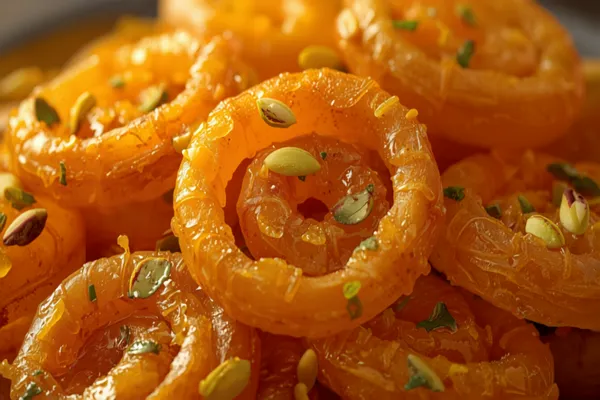
Jalebi (Crisp Syrup-Soaked Spirals)
India's festive sweet: fermented batter piped into spirals, fried crisp, and soaked in saffron syrup. Crunchy outside, juicy inside, and best eaten hot.
Punjab / North India (lassi heartland) · Indian
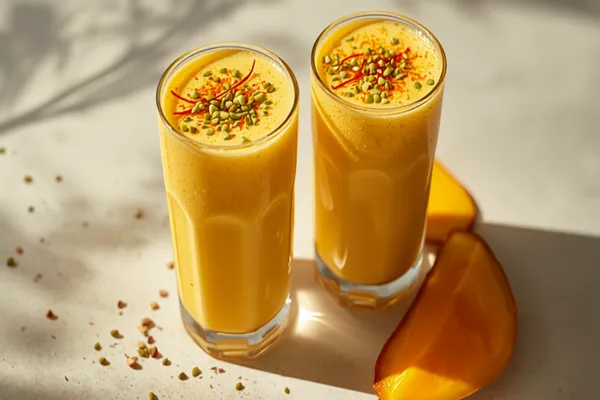
Mango Lassi (Yogurt and Mango Drink)
The creamy, cooling mango-and-yogurt drink of North Indian summers and restaurant menus everywhere. Three ingredients, two minutes, and a little cardamom.
Maharashtra / West India · Indian
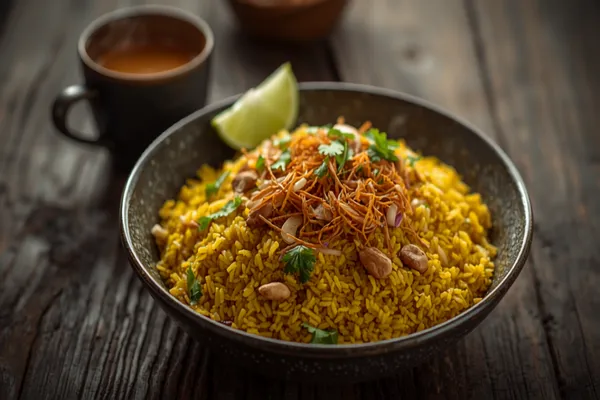
Kanda Poha (Maharashtrian Onion Flattened Rice)
Maharashtra's beloved 15-minute breakfast: soft flattened rice tossed with onions, a mustard-and-curry-leaf tempering, toasted peanuts and a bright squeeze of lime. Light, savoury and endlessly comforting.
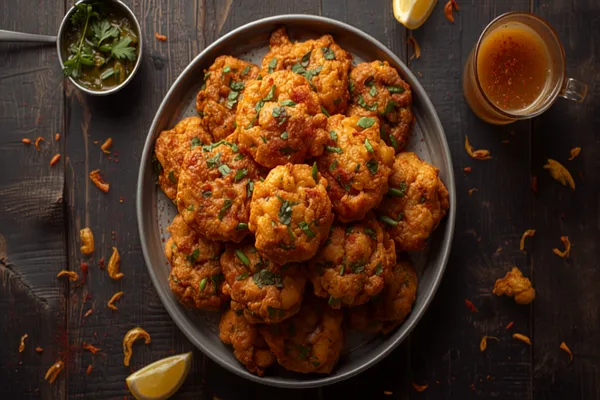
North India, Punjab–Delhi belt · Indian
Pyaaz Pakoda (Crispy Onion Pakora)
The North Indian monsoon snack: slivered onions bound with just enough besan, spiked with ajwain and green chilli, fried into shaggy, shatteringly crisp fritters. No thick batter, no soggy middles — and a cup of masala chai alongside.
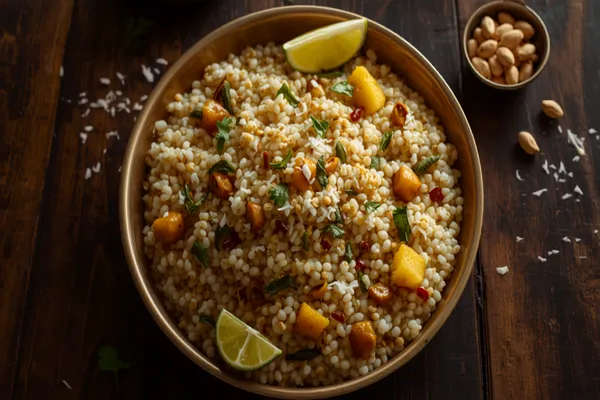
Maharashtra, West India (the Pune–Nashik belt) · Indian
Sabudana Khichdi (Maharashtrian Fasting Tapioca Pearls)
The Maharashtrian upvas classic: tapioca pearls soaked until they squash between your fingers, then tossed with ghee, cumin, potato and a thick coating of crushed roasted peanuts. Every pearl separate, glossy and nutty — never a sticky lump.
Further reading
- Ingredient Deep DiveThe Indian Spice Pantry: A Beginner's MapYou don't need a hundred spices to cook Indian food — you need a dozen, and the know-how to use them. A practical guide to the essential Indian spices, what each does, and the techniques (tadka, bhuna, dry-roasting) that unlock them.
- Cultural Story · North IndiaA Complete Guide to North Indian CookingThe cuisine the world knows best — and understands least. From Punjab's tandoor and dairy to Kashmir's aromatic Wazwan and Awadh's courtly kebabs, a guide to North India's regions, techniques, and where to begin.