North India / pan-Indian (and across West and South Asia) · Indian
Jalebi (Crisp Syrup-Soaked Spirals)
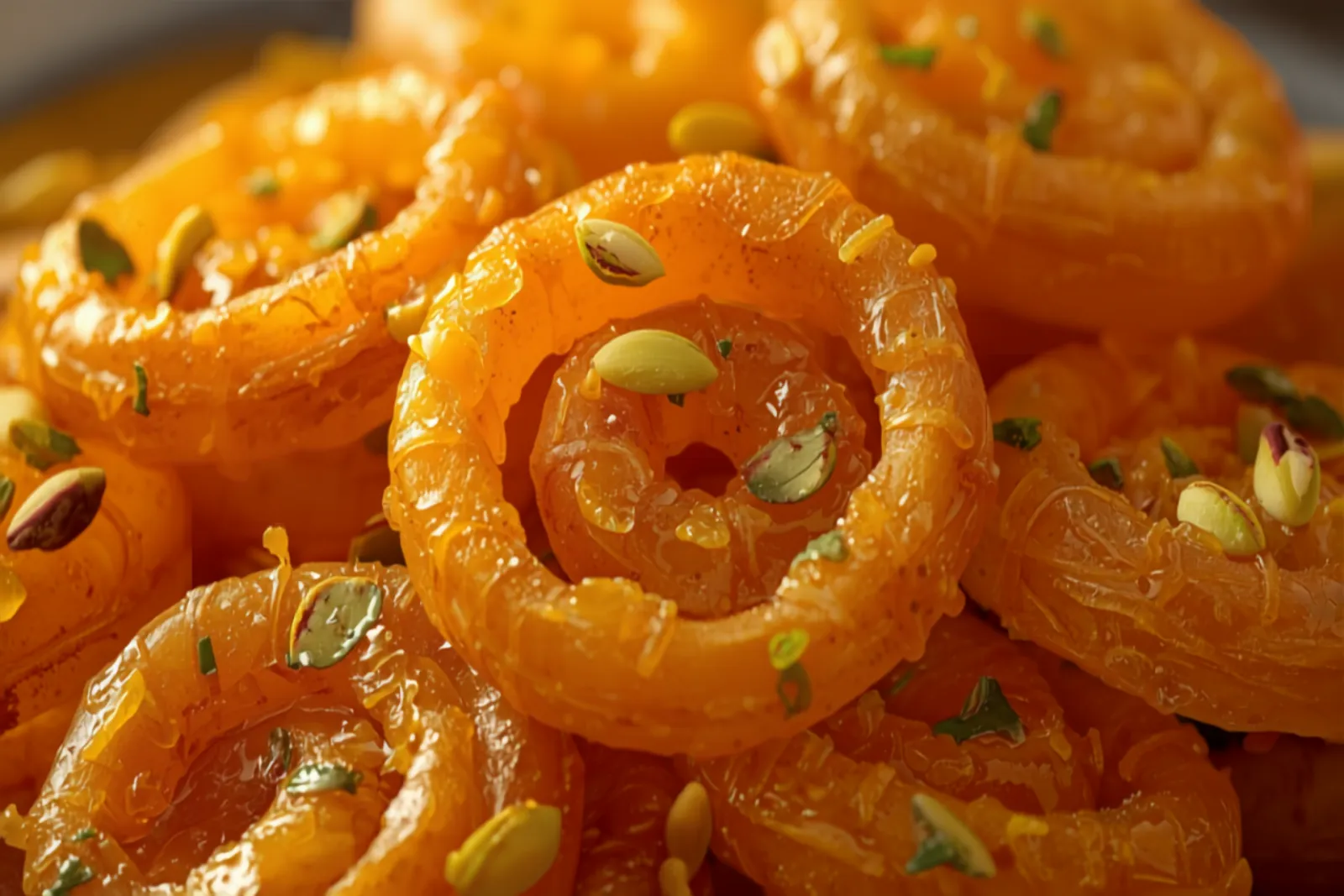
India's festive sweet: fermented batter piped into spirals, fried crisp, and soaked in saffron syrup. Crunchy outside, juicy inside, and best eaten hot.
Published July 21, 2026
Cultural context
Jalebi descends from the Persian-Arab zalabiya and has been made in India for centuries, appearing in medieval texts. It's a festival and celebration sweet across the subcontinent — eaten hot off the kadhai at Diwali and Eid, paired with rabri in the north, or with poha for breakfast in parts of central and western India.
Jalebi is festival sweetness in its purest form — fermented batter piped into spirals, fried crisp, and plunged into warm saffron syrup so it crackles outside and runs juicy within. Descended from the Persian-Arab zalabiya, it’s eaten hot off the pan across the subcontinent, from Diwali sweet shops to street-corner breakfasts.
Fermentation makes the crunch
The classic jalebi gets its faint tang and signature airy crispness from an overnight-fermented batter. The natural rise creates the slightly hollow, crackly texture that defines a good jalebi. In a hurry, the instant route — a pinch of baking soda and eno for aeration — works, but the fermented version has more character.
Syrup is a matter of degrees
The syrup must be just right: a “one-string consistency,” warm, and laced with saffron and cardamom, with a squeeze of lemon so it doesn’t crystallise. Too thin and the jalebi goes soggy; too thick and the syrup never soaks in.
Pipe, fry, dunk — fast
Squeeze concentric spirals straight into medium-hot ghee, fry until golden, then dunk into the warm syrup for just 20–30 seconds and serve immediately. That brief, hot soak is the whole trick. Pair with gulab jamun and rasgulla for a festival platter, and read more in Indian festival sweets.
Ingredients
For the batter
- 1 cup all-purpose flour (maida)
- 1 tbsp cornflour / besan A little cornflour or gram flour helps the crispness.
- 1/2 cup yogurt For the traditional fermented batter; the slight sourness is classic.
- water to make a thick, smooth, pourable batter; a pinch of turmeric for colour
For the syrup
- 1.5 cups sugar
- 1 cup water
- a few saffron strands, 2 crushed cardamom pods, 1 tsp lemon juice Lemon juice keeps the syrup from crystallising.
To fry
- ghee or neutral oil, for deep-frying
Method
Tap a step’s number to check it off as you go.
-
Whisk flour, cornflour, yogurt and a little water into a thick, smooth, lump-free batter. Cover and leave to ferment 8–12 hours (overnight) in a warm place.
Why: Fermentation gives jalebi its faint tang and, crucially, the airy crispness — the natural rise creates the crunchy, slightly hollow texture. (For instant jalebi, use a pinch of baking soda and eno instead and skip the wait.)
-
Make a one-string-consistency syrup: boil sugar and water with saffron and cardamom for 5–7 minutes until slightly sticky, add lemon juice, and keep warm.
Why: Warm syrup at the right thickness soaks in fast without making the jalebi soggy. Too thin and they go limp; too thick and the syrup won't penetrate.
-
Fill a piping bottle or cloth cone with batter. Squeeze concentric spirals directly into medium-hot ghee, working from the centre outward.
Why: Piping into the oil sets the spiral shape instantly; medium heat lets them crisp through without burning before the inside cooks.
-
Fry until golden and crisp on both sides, then lift and immediately dunk into the warm syrup for 20–30 seconds. Drain and serve hot.
Why: Dunking while hot is what makes jalebi juicy inside and crackly outside — the brief soak fills the hollow spirals with syrup without softening the shell.
A quick, anonymous tap — no review needed.
Variations
- Instant jalebi
Skip fermentation — add a pinch of baking soda and a little eno fruit salt to the batter and fry immediately.
- Khasta / paneer jalebi
Use a stiffer batter or a paneer-and-flour dough for thicker, extra-crunchy jalebis.
- Jalebi with rabri
Serve hot jalebi over thickened sweetened milk (rabri) — the classic North Indian indulgence.
Serving & Storage
Eat hot, straight from the syrup. Serve with rabri in the north, or alongside poha or with a glass of milk for a festive breakfast. A garnish of slivered pistachios is common.
Pairs with: Rabri, Poha, Hot milk, Masala chai.
Storage: Best eaten fresh and hot. They keep a day at room temperature but lose their crunch; a brief reheat in a warm oven helps revive them.
Nutrition
Per serving (2 jalebis)
- Calories
- 220
- Protein
- 2 g
- Carbs
- 38 g
- Fat
- 8 g
- Fiber
- 0 g
- Sugar
- 30 g
- Sodium
- 30 mg
Estimated using standard ingredient data. Values vary with brands and substitutions.
Frequently Asked Questions
Why aren't my jalebis crispy?
Usually the batter wasn't fermented (or aerated) enough, or the oil was too cool. Ferment overnight for natural crispness, fry at a steady medium heat, and dunk in warm — not hot, not cold — syrup briefly.
What is one-string consistency syrup?
Boil the sugar syrup until, when you touch a cooled drop between thumb and finger and pull apart, it forms a single thread. That's the right thickness to soak into jalebi without going either watery or candied.
Can I make jalebi without overnight fermentation?
Yes — use the instant method with a pinch of baking soda and eno fruit salt for the aeration. The flavour is a touch less complex (no tang), but it's quick and still crisp.
What to drink with this
All drinks →Hand-picked pours to match this dish.

Pan-Indian (the everyday tea of the subcontinent) · Indian
Masala Chai (Spiced Indian Tea)
India's daily ritual in a cup: black tea brewed with milk, sugar and freshly crushed spices. The proper stovetop method, plus how to build your own masala.
North & West India (peak-summer drink across the subcontinent) · Indian
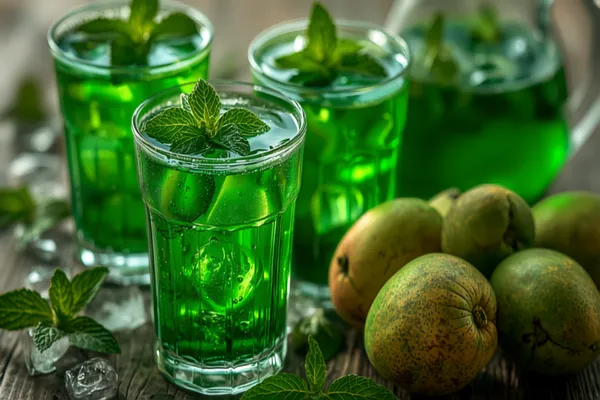
Aam Panna (Raw Green Mango Summer Cooler)
India's tangy, jade-green raw-mango cooler — roasted or boiled green mangoes blended with cumin, black salt and mint. The traditional heat-stroke remedy that tastes like summer.
Pan-Indian (North & West India) · Indian
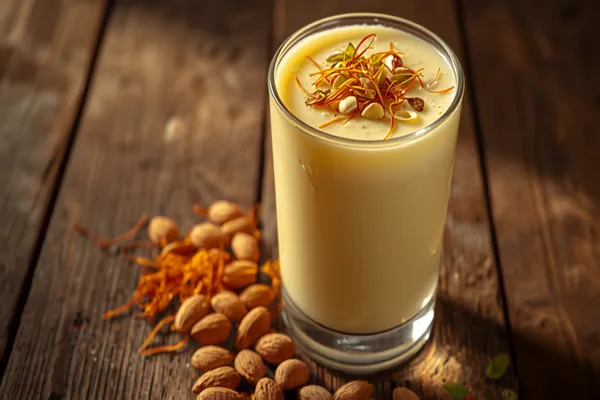
Badam Milk (Saffron Almond Milk)
Milk simmered with a paste of soaked almonds, saffron, cardamom and a whisper of nutmeg — India's rich, fragrant almond drink. Comforting served warm in winter, reviving served chilled in summer, festive any time.
From our kitchen community
Ratings & Reviews
My Rating
Tap a star to rate — no sign-in, no form needed.
My Review
0 Ratings
🥣 0 home cooks made it!
Be the first to rate Jalebi (Crisp Syrup-Soaked Spirals).
Related Recipes
North India / pan-Indian · Indian
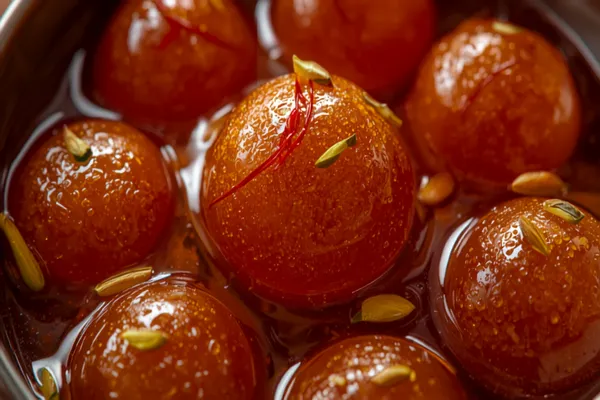
Gulab Jamun (Milk Dumplings in Rose-Cardamom Syrup)
The king of Indian sweets: soft khoya dumplings fried to deep gold and soaked in warm rose-and-cardamom syrup until they swell, juicy and melting. The dessert no Diwali or wedding is complete without.

North India / pan-Indian street food · Indian
Samosa (Punjabi Aloo Samosa)
India's most famous snack: a crisp, flaky pastry triangle stuffed with spiced potatoes and peas. Made from scratch, with the secret of a low-and-slow fry for that signature blistered crust.
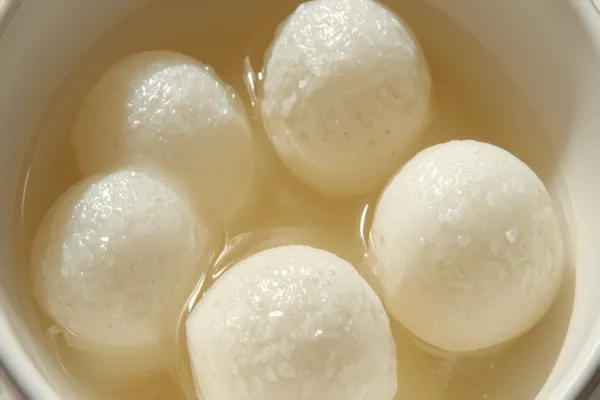
Eastern India (West Bengal and Odisha) · Indian
Rasgulla (Spongy Chhena Dumplings in Syrup)
The cloud-soft sweet of eastern India: dumplings of fresh chhena (curdled-milk cheese) boiled in light sugar syrup until they swell into springy, syrup-soaked spheres. Deceptively simple, gloriously satisfying.
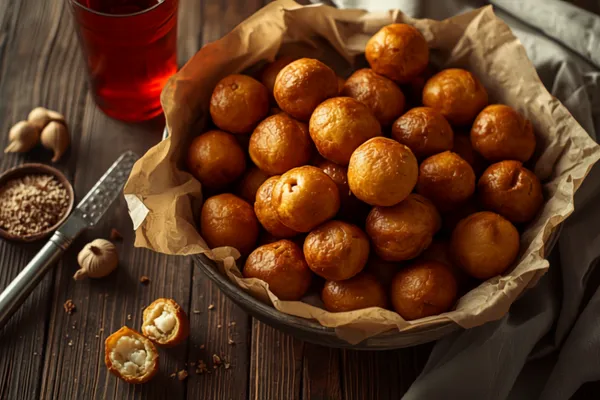
Lagos and southern Nigeria — and, under a dozen other names, from Ghana and Togo through Cameroon to the Congo basin · Nigerian & West African
Puff Puff — West Africa's Yeasted, Nutmeg-Scented Fried Dough
Not a doughnut and not a fritter: puff puff is a wet, live, nutmeg-scented yeast batter squeezed from a fist straight into hot oil, where it blows up into a lacquered golden sphere with a stretchy, honeycombed inside. Nigeria's party snack, and West Africa's under a dozen other names.
Further reading
- Festival & SeasonalIndian Festival Sweets: From Diwali to EidIn India, no celebration is complete without mithai. A guide to the sweets that define the festival calendar — the Diwali mithai box, the Eid dessert table, and the regional treasures of Bengal and the south — and what makes each one special.
- Cultural Story · North IndiaA Complete Guide to North Indian CookingThe cuisine the world knows best — and understands least. From Punjab's tandoor and dairy to Kashmir's aromatic Wazwan and Awadh's courtly kebabs, a guide to North India's regions, techniques, and where to begin.