Cultural Story · North India
A Complete Guide to North Indian Cooking
The cuisine the world knows best — and understands least. From Punjab's tandoor and dairy to Kashmir's aromatic Wazwan and Awadh's courtly kebabs, a guide to North India's regions, techniques, and where to begin.
Published July 19, 2026
North Indian food is the cuisine the world knows best and, often, understands least — the source of the “Indian restaurant” menu abroad, yet far richer and more varied than butter chicken and naan suggest. From Punjab’s dairy and tandoor to Kashmir’s aromatic Wazwan and Awadh’s courtly kebabs, this guide maps the region and points you toward where to begin.
The shared signatures
North Indian cooking leans on wheat breads (roti, naan, aloo paratha), dairy (ghee, butter, cream, paneer, yogurt), the tandoor, and rich onion-tomato gravies built through bhuna — the patient frying of the masala until the oil separates, explained in our spice pantry guide. Whole garam-masala spices and a final flourish of kasuri methi are everywhere.
Punjab and Delhi
The Punjabi-Delhi axis gave the world its idea of Indian food. Slow-simmered dal makhani, creamy rajma over rice, the indulgent brunch of chole bhature, and the everyday aloo paratha all belong here — hearty, dairy-rich, deeply comforting food.
Kashmir
Kashmiri cooking is aromatic rather than fiery, built on fennel, dry ginger, and Kashmiri chili (for colour, not heat). Its feast, the Wazwan, centres on dishes like rogan josh; its vegetarian table gives us dum aloo and the everyday brothy greens of haak.
Awadh and the courtly tradition
Lucknow and the Awadhi courts refined Mughlai cooking into something delicate and perfumed — slow dum cooking, complex spice blends, and the legendary melt-in-the-mouth galouti kebab. This is North Indian food at its most aristocratic.
Rajasthan and beyond
The desert state of Rajasthan, with its own logic of preservation and scarcity, contributes fiery dishes like laal maas — though we cover it more fully in the West Indian guide, as its geography bridges the two.
Where to start
Begin with rajma or dal makhani over rice and an aloo paratha for breakfast. Then explore the aromatic rogan josh or vegetarian dum aloo, and work up to the galouti kebab. Browse the full recipe collection for more.
Frequently Asked Questions
What defines North Indian cuisine?
North Indian cooking is known for wheat breads (roti, naan, paratha), dairy (ghee, butter, cream, paneer, yogurt), the tandoor, and rich onion-tomato gravies built with the bhuna technique. It spans Punjab, Delhi, Kashmir, Awadh (Lucknow), Rajasthan, and the wider Hindi belt.
Why is North Indian food the 'default' Indian food abroad?
Much of the Indian restaurant menu worldwide — butter chicken, dal makhani, naan, biryani-adjacent dishes — comes from Punjabi and Mughlai (North Indian) traditions, carried by migration and popularised by restaurants like Delhi's Moti Mahal. It's one rich regional cuisine among many, not the whole of India.
Where should I start with North Indian cooking?
Start with rajma-chawal or dal makhani over rice, and an aloo paratha for breakfast. Then try the aromatic Kashmiri rogan josh or a vegetarian Kashmiri dum aloo, and work up to the courtly galouti kebab.
Related Recipes
Punjab / North India · Indian
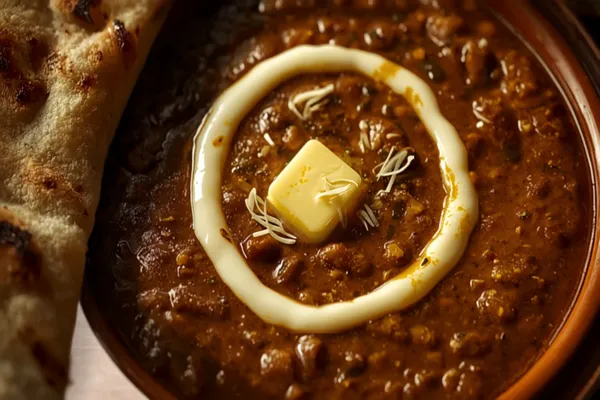
Dal Makhani (Punjabi Black Lentils)
The slow-simmered Punjabi classic: whole black urad and kidney beans cooked for hours into a velvety, smoky, buttery dal. Restaurant-rich at home — the patience is the recipe.
Punjab / North India · Indian
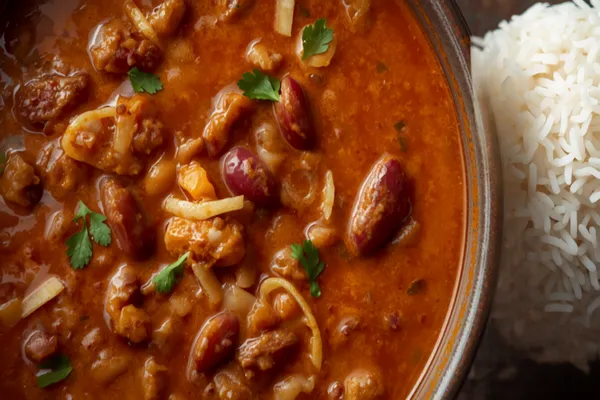
Rajma (Punjabi Red Kidney Bean Curry)
North India's ultimate comfort food: red kidney beans simmered low and slow in a deeply spiced onion-tomato gravy until creamy and rich. Served over rice as rajma-chawal, it's the Sunday lunch a whole region grew up on.
Kashmir / North India · Indian
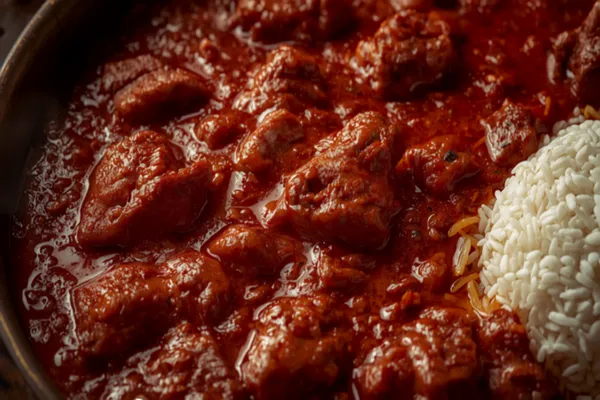
Kashmiri Rogan Josh (Aromatic Red Lamb Curry)
The Kashmiri Wazwan classic: lamb slow-cooked in a brick-red gravy coloured by Kashmiri chilies and ratan jot, perfumed with fennel, ginger powder, and warm spices — and, in the Pandit style, no onion or garlic. Aromatic, not fiery.
Related stories & guides
- Ingredient Deep DiveThe Indian Spice Pantry: A Beginner's MapYou don't need a hundred spices to cook Indian food — you need a dozen, and the know-how to use them. A practical guide to the essential Indian spices, what each does, and the techniques (tadka, bhuna, dry-roasting) that unlock them.
- Cultural Story · South IndiaA Complete Guide to South Indian CookingSouth India isn't one cuisine but many — Tamil, Kerala, Karnataka, Andhra and Telangana, each with its own grains, spices, and rituals. A guide to the building blocks, the regional differences, and where to start cooking.
- Cultural Story · Eastern IndiaA Complete Guide to Bengali and Eastern Indian CookingFrom the fish-and-rice heart of Bengal to Odisha's temple food, Assam's sour-clean dishes, and the smoke-and-ferment cooking of the Northeast — a guide to eastern India's distinct, often gentle, sometimes fiery table.
- Cultural Story · West IndiaA Complete Guide to West Indian CookingFour very different states, one coast: Maharashtra's street food and fiery Kolhapuri curries, Gujarat's sweet-savoury vegetarian thali, Goa's twin Hindu and Catholic kitchens, and Rajasthan's desert cooking. A guide to western India's table.
- Festival & SeasonalIndian Festival Sweets: From Diwali to EidIn India, no celebration is complete without mithai. A guide to the sweets that define the festival calendar — the Diwali mithai box, the Eid dessert table, and the regional treasures of Bengal and the south — and what makes each one special.