Ingredient Deep Dive
The Indian Spice Pantry: A Beginner's Map
You don't need a hundred spices to cook Indian food — you need a dozen, and the know-how to use them. A practical guide to the essential Indian spices, what each does, and the techniques (tadka, bhuna, dry-roasting) that unlock them.
Published July 11, 2026
The single biggest myth about Indian cooking is that it requires a bewildering arsenal of spices. It doesn’t. A working Indian kitchen runs on perhaps a dozen spices and — more importantly — a handful of techniques that decide whether those spices taste raw and dusty or deep and alive. This is a map to both: what to stock, and how to make it sing.
The dozen that do the work
Start here, and you can cook across the whole country:
Cumin (jeera) — earthy, warm; used as whole seeds (tempered) and ground. Coriander (dhania) — citrusy, mild; the workhorse base of countless gravies, usually ground. Turmeric (haldi) — earthy, colouring, used in tiny amounts in almost everything. Mustard seeds (rai) — pungent when popped in hot oil, the signature of South and western tempering. Dried red chilies and chili powder — heat and, in the case of Kashmiri and Byadgi, colour without much burn. Garam masala — the warming finishing blend (cardamom, cinnamon, clove, pepper, and more). Whole warm spices — green and black cardamom, cinnamon, cloves, bay — bloomed in fat at the start of a dish. Asafoetida (hing) — a pinch gives savory, allium-like depth, especially where onion and garlic are absent. Curry leaves — fragrant, indispensable in South Indian and coastal tempering. Fenugreek — seeds (a little, for bitterness and aroma) and dried leaves (kasuri methi, crushed in at the end).
That’s it. Everything else is a refinement.
Technique is what unlocks them
Owning spices isn’t cooking with them. Three techniques do most of the work:
Tadka (tempering). Whole spices fried in hot oil or ghee until they pop and bloom, releasing their fat-soluble aromas. Tadka can begin a dish (mustard seeds and curry leaves before the vegetables) or finish it (a sizzling spoonful poured over a dal or sambar). It is the most transformative move in the Indian repertoire.
Bhuna (frying the masala). Cooking the onion-tomato-spice base patiently in fat until the oil separates. This is the step impatient cooks rush and always regret — it’s what removes the raw edge and builds depth in a curry.
Dry-roasting and grinding fresh. Toasting whole spices in a dry pan until fragrant, then grinding, gives a depth that pre-ground powder can’t touch. It’s the heart of regional masalas like Chettinad and ghee roast.
A few habits that matter
Buy whole spices where you can — they keep their oils far longer than ground. Buy ground spices in small amounts and replace them often; a tired jar of chili powder is the reason a dish tastes flat. Bloom your spices in fat rather than dumping them into water. And taste as you go: Indian cooking is about balancing heat, sourness, sweetness, and salt, not following milligrams.
Master the dozen and the three techniques, and the rest of this site’s Indian recipes open up. Start with a tadka-finished dal, then browse the full recipe collection or more cultural stories.
Frequently Asked Questions
What spices do I need to start cooking Indian food?
A practical starter set: cumin seeds, coriander seeds (and ground coriander), turmeric, red chili powder, mustard seeds, garam masala, and a few whole spices (cardamom, cinnamon, cloves, bay). Add asafoetida, curry leaves, and dried red chilies and you can cook a huge range of dishes.
What is tadka (tempering)?
Tadka (also tarka, chhonk, or vaghaar) is the technique of frying whole spices in hot oil or ghee to bloom their flavour, then adding the result to a dish — often at the end, poured sizzling over a dal or curry. It's one of the most important techniques in Indian cooking.
Should I buy whole or ground spices?
Whole spices keep their flavour far longer and can be dry-roasted and freshly ground for the best results. Buy ground spices (like turmeric and chili) in small quantities and use them up; grind your own garam masala if you can. Freshness matters more than quantity.
Related Recipes
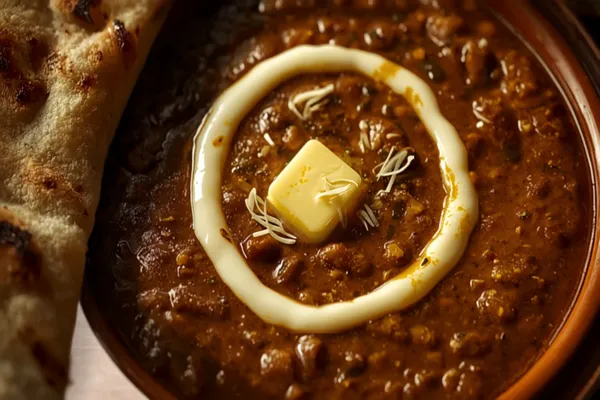
Punjab / North India · Indian
Dal Makhani (Punjabi Black Lentils)
The slow-simmered Punjabi classic: whole black urad and kidney beans cooked for hours into a velvety, smoky, buttery dal. Restaurant-rich at home — the patience is the recipe.
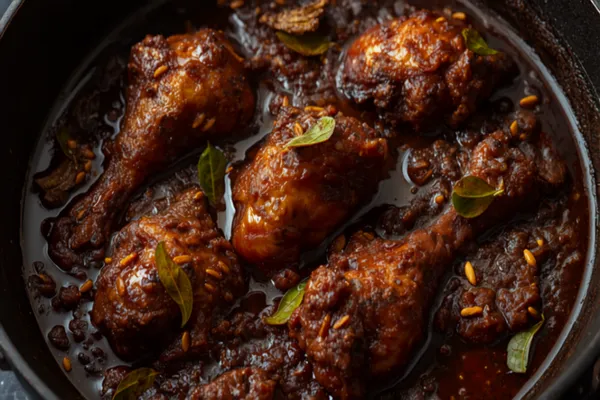
Chettinad, Tamil Nadu / South India · Indian
Chettinad Chicken (Kozhi Chettinad)
Tamil Nadu's boldest curry: chicken in a dark, aromatic masala of freshly roasted and ground spices — peppercorns, fennel, star anise, and the smoky stone flower (kalpasi) — fired up with Chettinad's signature heat. Deep, complex, unforgettable.
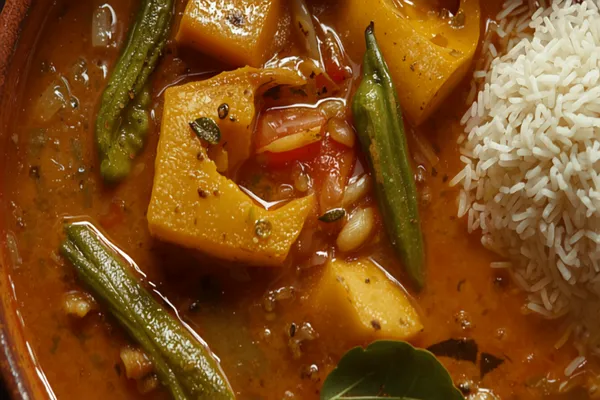
Tamil Nadu / South India · Indian
Sambar (South Indian Lentil and Vegetable Stew)
The everyday backbone of a South Indian meal: toor dal simmered with vegetables and tamarind, seasoned with a freshly ground sambar powder and a sizzling tempering. Tangy, savory, and endlessly comforting.
Related stories & guides
- Festival & SeasonalIndian Festival Sweets: From Diwali to EidIn India, no celebration is complete without mithai. A guide to the sweets that define the festival calendar — the Diwali mithai box, the Eid dessert table, and the regional treasures of Bengal and the south — and what makes each one special.
- Cultural Story · South IndiaA Complete Guide to South Indian CookingSouth India isn't one cuisine but many — Tamil, Kerala, Karnataka, Andhra and Telangana, each with its own grains, spices, and rituals. A guide to the building blocks, the regional differences, and where to start cooking.
- Cultural Story · North IndiaA Complete Guide to North Indian CookingThe cuisine the world knows best — and understands least. From Punjab's tandoor and dairy to Kashmir's aromatic Wazwan and Awadh's courtly kebabs, a guide to North India's regions, techniques, and where to begin.
- Cultural Story · West IndiaA Complete Guide to West Indian CookingFour very different states, one coast: Maharashtra's street food and fiery Kolhapuri curries, Gujarat's sweet-savoury vegetarian thali, Goa's twin Hindu and Catholic kitchens, and Rajasthan's desert cooking. A guide to western India's table.