Chettinad, Tamil Nadu / South India · Indian
Chettinad Chicken (Kozhi Chettinad)
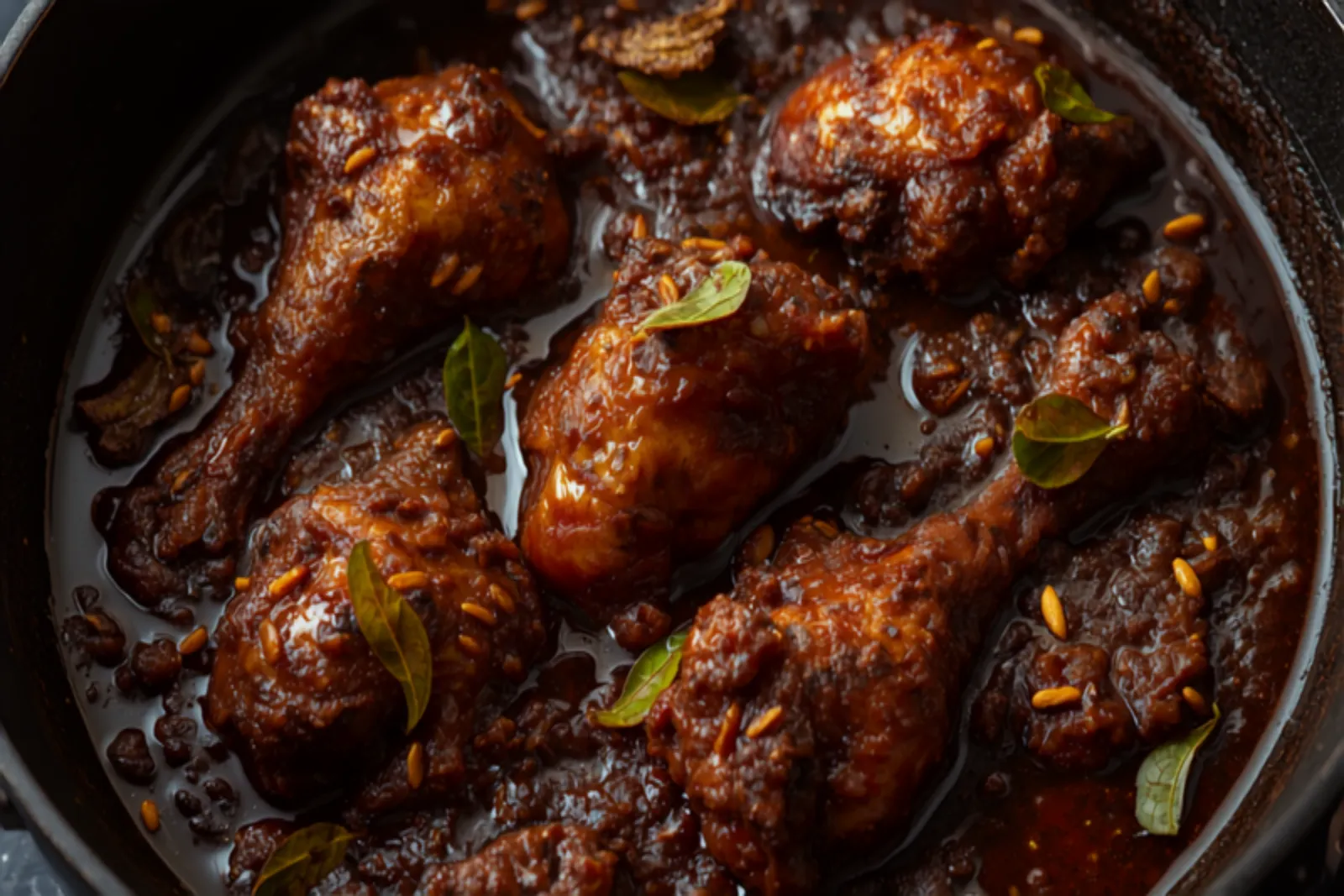
Tamil Nadu's boldest curry: chicken in a dark, aromatic masala of freshly roasted and ground spices — peppercorns, fennel, star anise, and the smoky stone flower (kalpasi) — fired up with Chettinad's signature heat. Deep, complex, unforgettable.
Published June 29, 2026
Cultural context
Chettinad cuisine comes from the Chettiar trading community of Tamil Nadu's Chettinad region — famous for its complex, freshly ground spice blends and bold heat. Kozhi Chettinad (chicken Chettinad) is its best-known dish, defined by roasted whole spices and rare aromatics like kalpasi (stone flower) and marathi mokku (dried caper buds).
Chettinad chicken — kozhi Chettinad — is among the boldest, most aromatic curries in all of South India, and a window into one of the country’s most distinctive regional cuisines. It comes from Chettinad in Tamil Nadu, the home of the Chettiar trading community, whose cooking is famous for complex, freshly ground spice blends and confident heat. This is not a gentle curry; it’s a dark, layered, peppery one.
Freshly roasted spices are the whole point
What makes a dish Chettinad is the masala — whole spices dry-roasted until fragrant and ground fresh, never shaken from a packet. Coriander, black pepper (the signature Chettinad heat, more than chili), fennel, star anise, cinnamon, and dried chilies, plus roasted coconut for body. The roasting releases the spices’ oils and builds the deep, almost smoky aroma the cuisine is known for.
The rare aromatics
Authentic Chettinad reaches for spices most kitchens don’t keep: kalpasi (black stone flower), a smoky dried lichen, and sometimes marathi mokku (dried caper buds). They’re optional, but if you can find kalpasi at an Indian spice shop, it’s what makes the curry taste unmistakably Chettinad.
Build it in layers
Brown the onions well, cook down the tomato, sear the chicken, then fry the freshly ground masala until the oil separates and it darkens — that frying step is where the depth comes from. Simmer to a thick, clinging gravy rather than a thin one.
Serve with rice, parotta, or idiyappam. For more Tamil cooking, see sambar and Kerala fish curry, or browse the full recipe collection.
Ingredients
For the Chettinad masala (dry-roast & grind)
- 1 tbsp coriander seeds
- 1 tsp black peppercorns Pepper, not just chili, is the Chettinad heat signature.
- 1 tsp fennel seeds (saunf)
- 1 tsp cumin seeds
- 3 dried red chilies
- 1 star anise, 1 inch cinnamon, 3 cloves, 2 green cardamom
- 1 small piece kalpasi (black stone flower), optional The smoky, earthy aromatic that gives Chettinad its signature depth; find it at Indian spice shops.
- 3 tbsp grated coconut Roasted with the spices and ground in for body.
For the curry
- 700 g bone-in chicken, cut into pieces
- 3 tbsp gingelly (sesame) oil or neutral oil
- 2 onions, finely chopped
- 2 tomatoes, chopped
- 2 tbsp ginger-garlic paste
- 1 sprig curry leaves, turmeric, salt
Method
Tap a step’s number to check it off as you go.
-
Dry-roast all the whole spices, dried chilies, and kalpasi until fragrant, then the coconut until golden. Cool and grind to a paste with a little water.
Why: Roasting and freshly grinding the spices is the defining technique of Chettinad cooking — it releases the oils and builds the dark, layered aroma that pre-ground powder can't match.
-
Heat oil, fry curry leaves, then the onions until deep golden. Add ginger-garlic and cook off the raw smell.
Why: A well-browned onion base gives the curry body and balances the intense spice paste.
-
Add the tomatoes and turmeric and cook to a pulp, then add the chicken and sear.
Why: Breaking down the tomato and searing the chicken builds flavour layers before the masala goes in.
-
Stir in the ground Chettinad masala and fry until the oil separates and the paste darkens, 5–6 minutes.
Why: Frying the freshly ground paste cooks out any rawness and concentrates the spice — this is where the depth develops.
-
Add water to make a thick gravy, cover, and simmer 20–25 minutes until the chicken is tender and the masala clings. Finish with fresh curry leaves.
Why: A gentle simmer cooks the chicken through and lets it absorb the spice; Chettinad chicken is a clinging, semi-dry curry rather than a thin one.
A quick, anonymous tap — no review needed.
Variations
- Chettinad pepper chicken (drier)
Reduce the gravy right down and lean on crushed black pepper for the semi-dry pepper-chicken version.
- Vegetarian (mushroom/paneer Chettinad)
Use the same roasted masala with mushrooms or paneer and vegetables for a vegetarian Chettinad.
- Milder
Cut the peppercorns and dried chilies and lean on the aromatic whole spices; still deeply flavourful, less fiery.
Serving & Storage
Serve with steamed rice, dosa, idiyappam (string hoppers), or parotta. A simple raita or sliced onion balances the heat.
Pairs with: Steamed rice, Parotta, Idiyappam, Onion-lime salad.
Storage: Keeps 3 days refrigerated and deepens overnight as the freshly ground spices settle. Reheat gently with a splash of water.
Nutrition
Per serving (1 serving)
- Calories
- 420
- Protein
- 32 g
- Carbs
- 12 g
- Fat
- 27 g
- Fiber
- 4 g
- Sugar
- 4 g
- Sodium
- 600 mg
Notable micronutrients: Niacin, Vitamin B6, Iron
Estimated using standard ingredient data. Values vary with brands and substitutions.
Frequently Asked Questions
What makes a curry 'Chettinad'?
Freshly dry-roasted and ground whole spices — heavy on black pepper, fennel, and dried chilies — plus signature aromatics like kalpasi (stone flower) and marathi mokku. It's bold, aromatic, and hotter than most South Indian curries, with the spice paste made fresh rather than from a packet.
What is kalpasi (stone flower)?
Kalpasi is a dried lichen with a smoky, earthy aroma, central to Chettinad and some North Indian masalas. It's optional but adds real authenticity — look for it at Indian spice shops (also called dagad phool or black stone flower).
Is Chettinad chicken very spicy?
It's bold and peppery by tradition, but you control it — the heat comes from black pepper and dried chilies, both adjustable. The roasted whole spices give depth regardless of how hot you make it.
What to drink with this
All drinks →Hand-picked pours to match this dish.
North & West India (peak-summer drink across the subcontinent) · Indian
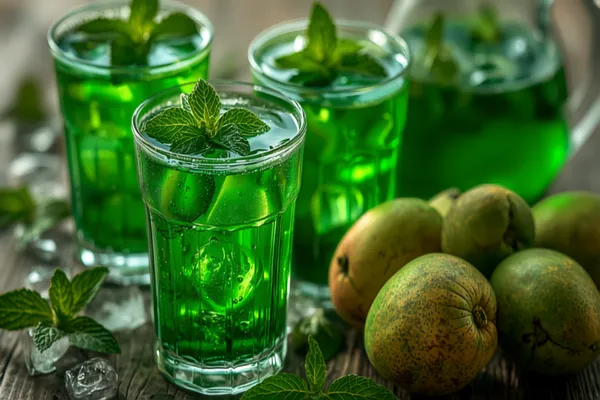
Aam Panna (Raw Green Mango Summer Cooler)
India's tangy, jade-green raw-mango cooler — roasted or boiled green mangoes blended with cumin, black salt and mint. The traditional heat-stroke remedy that tastes like summer.
Pan-Indian (North & West India) · Indian
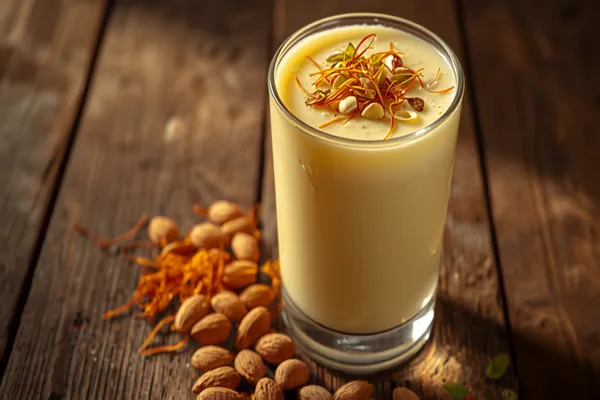
Badam Milk (Saffron Almond Milk)
Milk simmered with a paste of soaked almonds, saffron, cardamom and a whisper of nutmeg — India's rich, fragrant almond drink. Comforting served warm in winter, reviving served chilled in summer, festive any time.
Pan-Indian (Gujarat & West India especially) · Indian
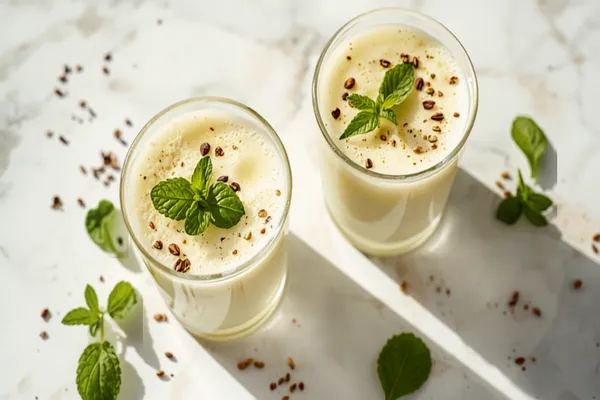
Chaas (Spiced Indian Buttermilk / Masala Chaas)
Whisked yogurt thinned with water and seasoned with cumin, green chilli, ginger and curry leaves — India's cooling, savoury buttermilk. A salty-tangy digestive that beats the heat and settles a heavy meal in two minutes.
From our kitchen community
Ratings & Reviews
My Rating
Tap a star to rate — no sign-in, no form needed.
My Review
0 Ratings
🥣 0 home cooks made it!
Be the first to rate Chettinad Chicken (Kozhi Chettinad).
Related Recipes
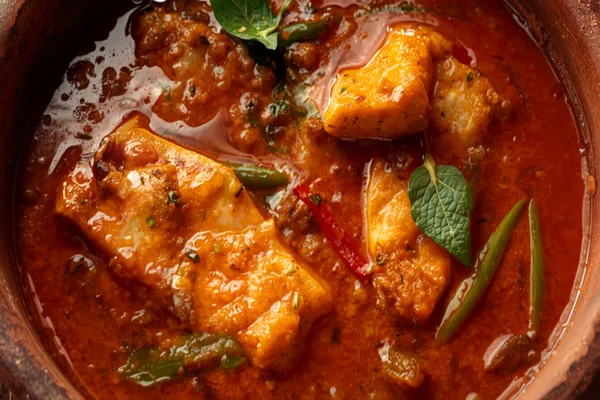
Kerala / South India (Malabar coast) · Indian
Kerala Fish Curry (Meen Curry with Coconut)
A coastal Kerala classic: fish simmered in a tangy, coconut-rich gravy sharpened with kokum-like kudampuli (Malabar tamarind) and a fragrant curry-leaf tempering. Sour, spicy, and built for rice.
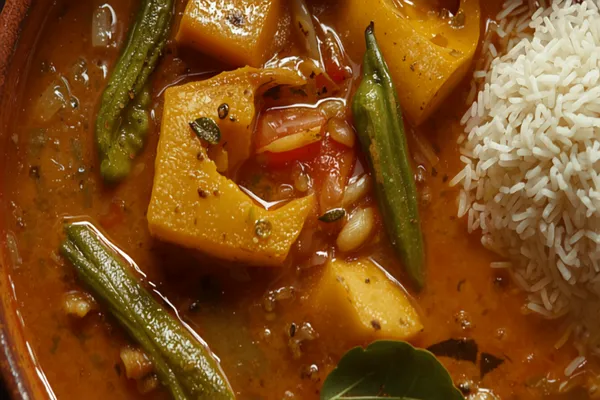
Tamil Nadu / South India · Indian
Sambar (South Indian Lentil and Vegetable Stew)
The everyday backbone of a South Indian meal: toor dal simmered with vegetables and tamarind, seasoned with a freshly ground sambar powder and a sizzling tempering. Tangy, savory, and endlessly comforting.
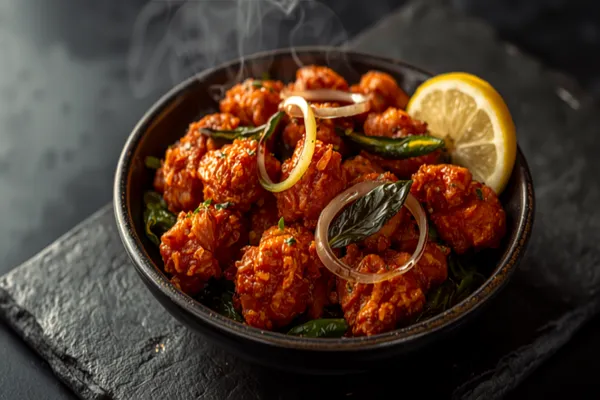
Chennai, Tamil Nadu (South India) · Indian
Chicken 65 (Chennai's Crispy, Fiery Fried Chicken)
The South Indian icon born at Chennai's Buhari Hotel in 1965 — boneless chicken marinated in yogurt, ginger-garlic and red chilli, fried crisp, then tossed in a curry-leaf and chilli tempering. Hot, tangy and impossible to stop eating.
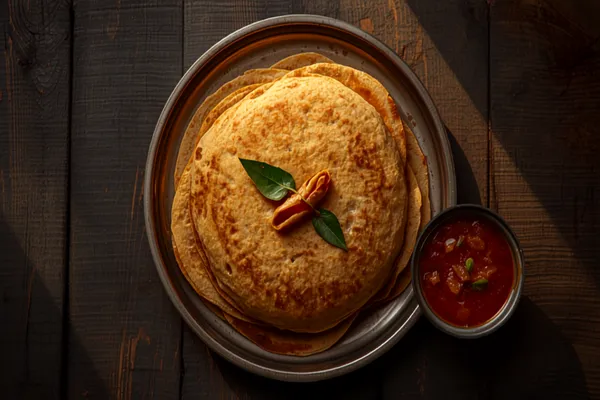
Malabar Coast, Kerala · Indian
Malabar Parotta (Kerala Layered Flatbread)
The flaky, pull-apart layered flatbread of the Malabar Coast — soft dough stretched paper-thin, coiled into a spiral, and griddled until it shatters into ribbons. Slap it hot and eat it with curry.
Further reading
- Cultural Story · South IndiaA Complete Guide to South Indian CookingSouth India isn't one cuisine but many — Tamil, Kerala, Karnataka, Andhra and Telangana, each with its own grains, spices, and rituals. A guide to the building blocks, the regional differences, and where to start cooking.
- Ingredient Deep DiveThe Indian Spice Pantry: A Beginner's MapYou don't need a hundred spices to cook Indian food — you need a dozen, and the know-how to use them. A practical guide to the essential Indian spices, what each does, and the techniques (tadka, bhuna, dry-roasting) that unlock them.