Festival & Seasonal
Indian Festival Sweets: From Diwali to Eid
In India, no celebration is complete without mithai. A guide to the sweets that define the festival calendar — the Diwali mithai box, the Eid dessert table, and the regional treasures of Bengal and the south — and what makes each one special.
Published July 13, 2026
In India, sweetness is how celebration is expressed. Mithai — sweets — are offered to the gods as prasad, exchanged between neighbours as goodwill, and pressed on every guest who crosses the threshold during a festival. To understand the Indian calendar is, in part, to understand its sweets: which one means which occasion, and why. Here’s a map across the year and the regions.
Diwali: the season of the mithai box
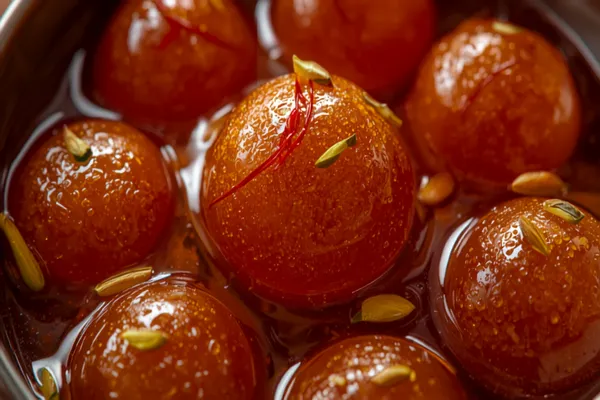
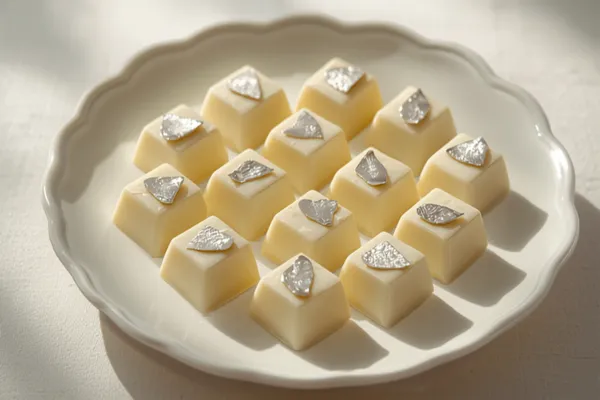
No festival is more associated with sweets than Diwali, the festival of lights, when boxes of mithai travel between homes and offices for weeks. The most prestigious is kaju katli — the silver-leafed cashew-fudge diamonds that signal care and occasion. Alongside it: gulab jamun, the syrup-soaked milk dumplings that crown any celebration; ladoos of every kind (motichoor, besan, coconut); barfis; flaky soan papdi; and coils of hot jalebi. Diwali sweets are about generosity made edible — you make and give far more than you could eat yourself.
Eid: milk, dates, and dawn
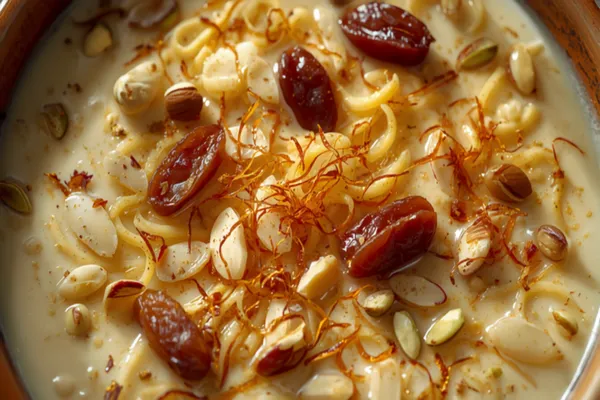
For Eid al-Fitr, after a month of fasting, the defining sweet is sheer khurma — fine vermicelli and dates simmered in milk with nuts and cardamom, made first thing on Eid morning and ladled out to every visitor through the day. Its name, Persian for “milk with dates,” points to the dish’s lineage, and its role is pure hospitality: the festival’s open-door spirit in a bowl. Other seviyan (sweet vermicelli) preparations and rich milk sweets round out the Eid table.
Bengal: the art of chhena
Eastern India built an entire sweet tradition on fresh chhena (curdled-milk cheese), and its festivals — especially Durga Puja — overflow with it. Rasgulla, the spongy syrup-soaked dumplings claimed by both Bengal and Odisha, and sandesh, the delicate cardamom-scented fudge pressed into carved moulds, are its masterpieces. In winter, the prized date-palm jaggery, nolen gur, perfumes a whole seasonal range of sweets.
The south: coconut and jaggery
In the south, festival sweets lean on coconut, jaggery, and rice rather than dairy. The grandest is payasam — the pudding that closes a Kerala Onam sadya, most luxuriously as ada pradhaman, rice ada in jaggery and coconut milk. Tamil, Karnataka, and Andhra kitchens each have their own payasams, mysore pak, and festival treats.
A shared grammar of celebration
Across these regions and faiths, the underlying idea is the same: a festival without sweets is no festival at all. Mithai marks the auspicious, honours the guest, and turns a date on the calendar into an occasion. Learn a few — start with gulab jamun, kaju katli, or sheer khurma — and you hold a piece of the celebration itself.
Browse the full recipe collection or more cultural stories.
Frequently Asked Questions
What sweets are made for Diwali?
Diwali is the great sweet-gifting festival: kaju katli (cashew fudge), gulab jamun, motichoor and besan ladoo, barfis, soan papdi, and jalebi are all classic. Boxes of mithai are exchanged between homes and offices throughout the season.
What is the traditional sweet for Eid?
Sheer khurma — vermicelli and dates simmered in milk — is the defining dessert of Eid al-Fitr across the subcontinent, made on Eid morning and offered to every guest. Seviyan (sweet vermicelli) and other milk sweets also feature.
Why are sweets so central to Indian festivals?
Sweets mark auspicious occasions, are offered to deities (prasad), and embody hospitality and shared joy — gifting and feeding mithai is an act of goodwill. Each region and festival has its own signature sweets, tied to local ingredients and traditions.
Related Recipes
North India / pan-Indian · Indian
Gulab Jamun (Milk Dumplings in Rose-Cardamom Syrup)
The king of Indian sweets: soft khoya dumplings fried to deep gold and soaked in warm rose-and-cardamom syrup until they swell, juicy and melting. The dessert no Diwali or wedding is complete without.
North India / pan-Indian · Indian
Kaju Katli (Cashew Fudge Diamonds)
The elegant, melt-in-the-mouth cashew fudge of Diwali: just cashews and sugar cooked into a smooth dough, rolled thin, and cut into the signature silver-leafed diamonds. Four ingredients, endless festive prestige.
Hyderabad / North India (pan-Muslim South Asia) · Indian
Sheer Khurma (Eid Vermicelli and Date Pudding)
The dessert that defines Eid morning: fine vermicelli toasted in ghee and simmered in milk with dates, nuts, and cardamom into a fragrant, festive pudding. Rich, celebratory, and shared with every visitor.
Related stories & guides
- Ingredient Deep DiveThe Indian Spice Pantry: A Beginner's MapYou don't need a hundred spices to cook Indian food — you need a dozen, and the know-how to use them. A practical guide to the essential Indian spices, what each does, and the techniques (tadka, bhuna, dry-roasting) that unlock them.
- Cultural Story · Eastern IndiaA Complete Guide to Bengali and Eastern Indian CookingFrom the fish-and-rice heart of Bengal to Odisha's temple food, Assam's sour-clean dishes, and the smoke-and-ferment cooking of the Northeast — a guide to eastern India's distinct, often gentle, sometimes fiery table.
- Cultural Story · North IndiaA Complete Guide to North Indian CookingThe cuisine the world knows best — and understands least. From Punjab's tandoor and dairy to Kashmir's aromatic Wazwan and Awadh's courtly kebabs, a guide to North India's regions, techniques, and where to begin.