Kerala / South India · Indian
Ada Pradhaman (Kerala Onam Payasam)
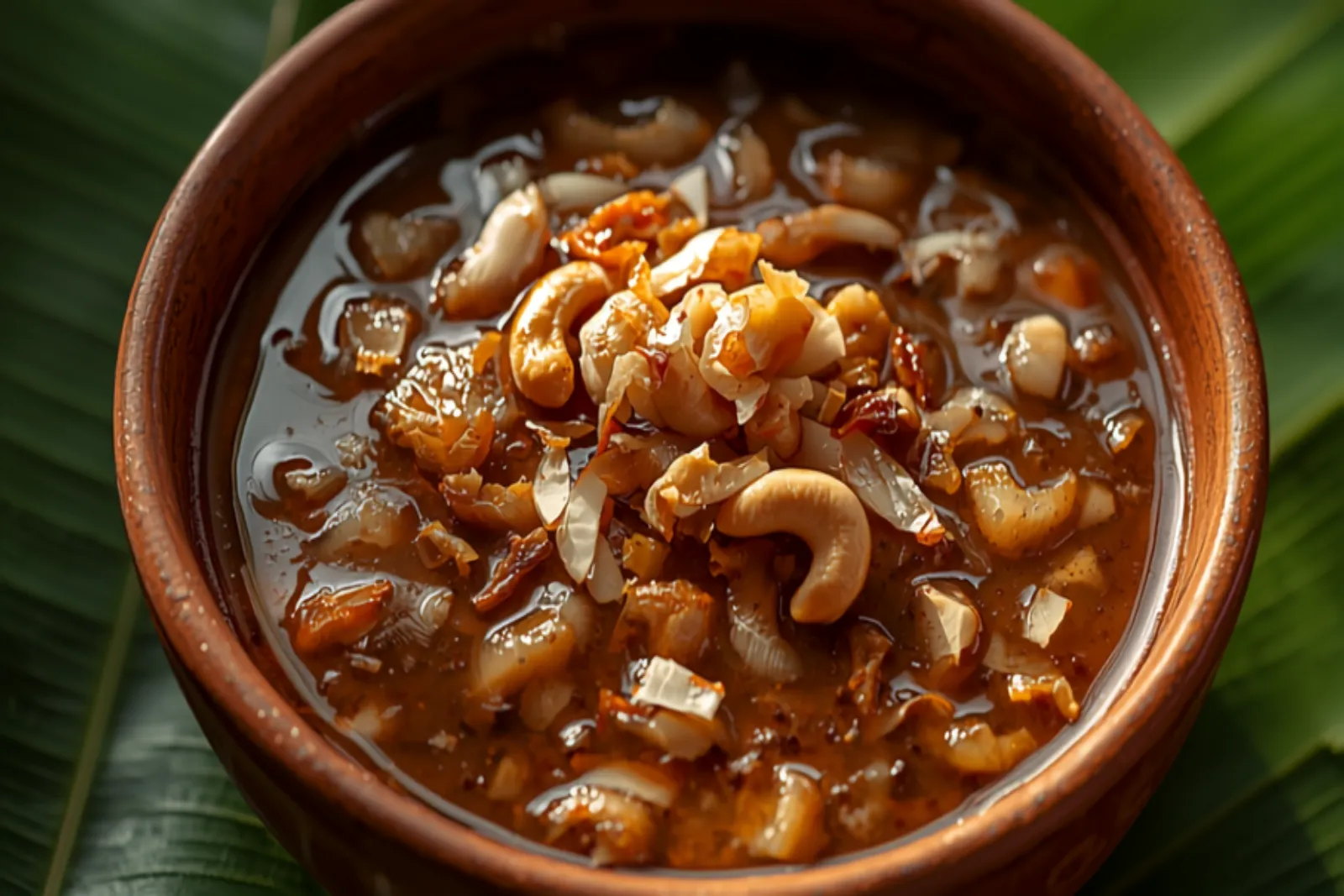
The grand finale of the Onam sadya: rice ada simmered in jaggery and three extractions of coconut milk until thick, glossy, and caramel-deep, scented with cardamom and dry ginger and studded with ghee-fried coconut. Kerala's most beloved payasam.
Published July 8, 2026
Cultural context
Ada pradhaman is the most prized payasam (sweet pudding) of the Onam sadya, the Kerala harvest feast served on a banana leaf. Made with ada (rice flour flakes), jaggery, and coconut milk rather than dairy, it represents Kerala's coconut-and-jaggery sweet tradition at its richest, traditionally served at the end of the meal.
Ada pradhaman is the grand finale of the Onam sadya — the sweet that closes Kerala’s great harvest feast served on a banana leaf. Rice ada is simmered in jaggery and successive extractions of coconut milk until the whole thing turns thick, glossy, and caramel-deep, perfumed with cardamom and dry ginger and studded with coconut and cashews fried golden in ghee. It is Kerala’s coconut-and-jaggery sweet tradition at its most luxurious.
Coconut and jaggery, not dairy
Unlike the milk-based payasams of the north, ada pradhaman is built on coconut milk and jaggery — the flavours of Kerala. The jaggery gives the deep amber colour and caramel notes; the coconut milk, added in stages from thin to thick, builds the richness. Melt and strain the jaggery first to remove grit.
The order matters
The classic method uses three coconut-milk extractions added in reverse: the thin third-press first, to cook the ada and reduce; then the medium; and finally the thick first-press, stirred in off a hard boil so it stays smooth. With canned coconut milk, just dilute some for the early stages and save the thick for last.
The Kerala touch
A pinch of dry ginger (chukku) and cumin in a dessert may surprise you, but it’s pure Kerala — it cuts the richness and keeps the sweetness from cloying. With the ghee-fried coconut and cashews on top, you have the payasam that makes an Onam meal complete.
Learn the whole feast in our guide to the Onam sadya, and pair it with thoran and avial. Or browse the full recipe collection.
Ingredients
For the payasam
- 1 cup ada (rice flakes/flour ada) Store-bought ada, softened in hot water and drained. The chewy rice element that defines the dish.
- 1.5 cups jaggery, grated Dark jaggery gives the deep colour and caramel flavour; melt and strain it to remove grit.
- 1 can (or fresh) coconut milk, separated into thick and thin Traditionally three extractions: thin (third), medium (second), and thick (first). Canned thick + diluted works.
- 4 tbsp ghee
- 1/2 tsp cardamom powder
- 1/4 tsp dry ginger powder (chukku) and a pinch of cumin powder The Kerala touch that keeps the richness from cloying.
To garnish
- coconut bits and cashews fried golden in ghee
Method
Tap a step’s number to check it off as you go.
-
Soften the ada in hot water until tender, then drain and rinse. Fry coconut bits and cashews in ghee until golden and set aside.
Why: Softening the ada separately stops it turning gluey in the payasam; frying the garnishes in ghee gives the signature crunch and aroma.
-
Melt the jaggery with a little water, strain out any grit, and simmer the drained ada in it with a spoon of ghee until it absorbs the syrup and thickens.
Why: Cooking the ada in the jaggery first lets it soak up the caramel sweetness and deepen in colour before the coconut milk dilutes it.
-
Add the thin coconut milk and simmer until the ada is fully soft and the mixture thickens, then add the medium extraction.
Why: Adding the thinner coconut milk first lets it reduce and concentrate; the staged additions build a layered, thick payasam.
-
Lower the heat and stir in the thick coconut milk, cardamom, dry ginger, and cumin — warm through but do not boil.
Why: Thick coconut milk added at the end and only warmed (never boiled hard) stays smooth and rich without splitting; the dry ginger cuts the richness.
-
Finish with the ghee-fried coconut and cashews and the remaining ghee.
Why: The final ghee and fried garnishes are what make ada pradhaman feel festive and complete.
A quick, anonymous tap — no review needed.
Variations
- Parippu payasam
Use roasted moong dal instead of ada with jaggery and coconut milk for the other classic Onam sadya payasam.
- Vegan
Replace ghee with coconut oil; the dish is otherwise dairy-free already, built on coconut milk and jaggery.
- Semiya (quicker)
Use roasted vermicelli instead of ada for a faster payasam, though the texture differs from the classic.
Serving & Storage
Serve warm or at room temperature at the close of an Onam sadya, traditionally eaten off the banana leaf — often with a small banana on the side.
Pairs with: Onam sadya, Banana, A festive South Indian meal.
Storage: Keeps 2 days refrigerated and thickens considerably; loosen with a little warm coconut milk or water when reheating, and warm gently.
Nutrition
Per serving (about 3/4 cup)
- Calories
- 360
- Protein
- 3 g
- Carbs
- 48 g
- Fat
- 18 g
- Fiber
- 2 g
- Sugar
- 40 g
- Sodium
- 30 mg
Notable micronutrients: Iron, Manganese, Magnesium
Estimated using standard ingredient data. Values vary with brands and substitutions.
Frequently Asked Questions
What is ada?
Ada is made from rice flour, formed into thin flakes or small pieces (often steamed in banana leaf traditionally). It's sold dried at Indian/Kerala grocers; you soften it in hot water before use. Its slightly chewy texture is central to ada pradhaman.
Why use three coconut milk extractions?
Traditionally the first press (thick), second (medium), and third (thin) coconut milk are added in reverse order — thin first to cook and reduce, thick last for richness without splitting. With canned coconut milk, dilute some for the 'thin' stages and reserve the thick for the end.
Why add dry ginger and cumin to a dessert?
A pinch of dry ginger (chukku) and cumin is a classic Kerala touch in payasam — it cuts the richness, aids digestion of the heavy coconut-and-jaggery base, and adds a subtle warmth. It's what gives ada pradhaman its distinctive depth.
What to drink with this
All drinks →Hand-picked pours to match this dish.
North & West India (peak-summer drink across the subcontinent) · Indian
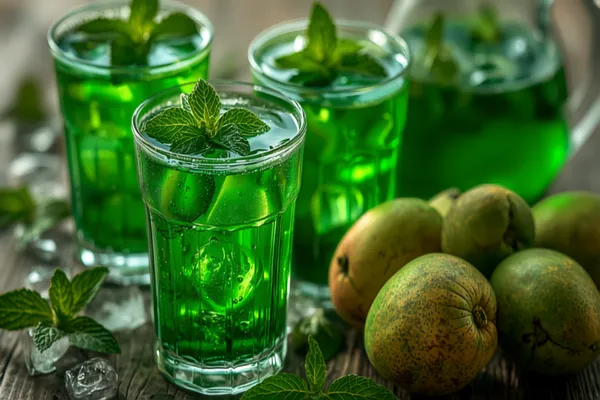
Aam Panna (Raw Green Mango Summer Cooler)
India's tangy, jade-green raw-mango cooler — roasted or boiled green mangoes blended with cumin, black salt and mint. The traditional heat-stroke remedy that tastes like summer.
Pan-Indian (North & West India) · Indian
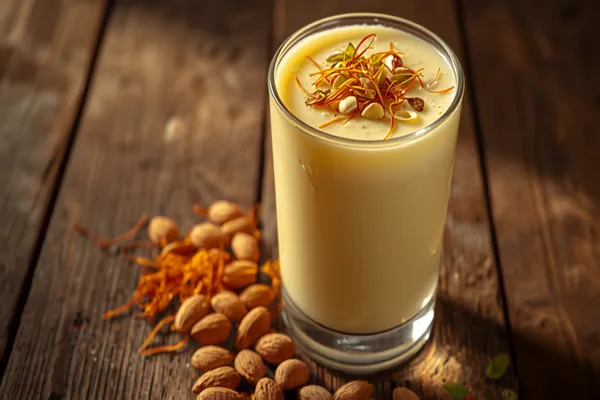
Badam Milk (Saffron Almond Milk)
Milk simmered with a paste of soaked almonds, saffron, cardamom and a whisper of nutmeg — India's rich, fragrant almond drink. Comforting served warm in winter, reviving served chilled in summer, festive any time.
Pan-Indian (Gujarat & West India especially) · Indian
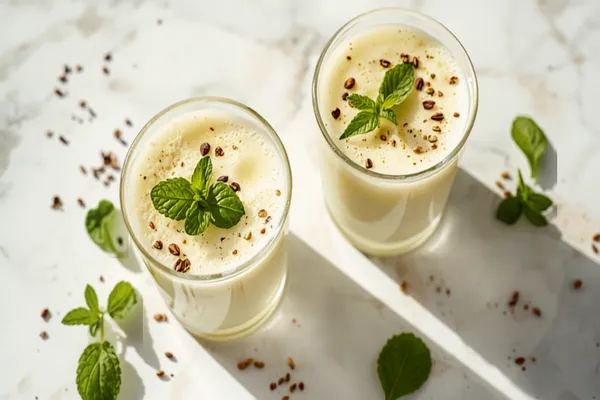
Chaas (Spiced Indian Buttermilk / Masala Chaas)
Whisked yogurt thinned with water and seasoned with cumin, green chilli, ginger and curry leaves — India's cooling, savoury buttermilk. A salty-tangy digestive that beats the heat and settles a heavy meal in two minutes.
From our kitchen community
Ratings & Reviews
My Rating
Tap a star to rate — no sign-in, no form needed.
My Review
0 Ratings
🥣 0 home cooks made it!
Be the first to rate Ada Pradhaman (Kerala Onam Payasam).
Related Recipes
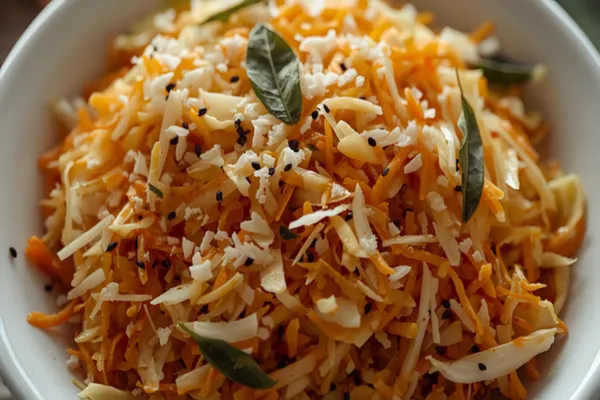
Kerala / South India · Indian
Thoran (Kerala Stir-Fried Vegetables with Coconut)
The everyday Kerala side that's essential to the sadya: finely chopped vegetables tossed with fresh grated coconut, green chili, and a curry-leaf-and-mustard tempering. Dry, fresh, and quick — the green note on the banana leaf.
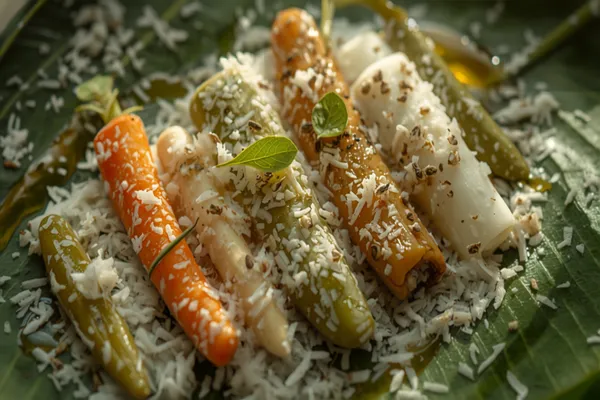
Kerala / South India · Indian
Avial (Kerala Mixed Vegetables in Coconut and Yogurt)
A cornerstone of the Kerala sadya: a medley of vegetables simmered until tender and bound in a coconut-cumin paste with tangy yogurt, finished with raw coconut oil and curry leaves. Wholesome, gentle, and quietly addictive.
Further reading
- Festival & Seasonal · KeralaThe Onam Sadya: Kerala's Feast on a Banana LeafOnce a year, Kerala lays out one of the world's great vegetarian feasts — two dozen-plus dishes served on a banana leaf in a precise order, eaten with the hands. A guide to the Onam sadya: what's on the leaf, where it goes, and why it matters.
- Cultural Story · South IndiaA Complete Guide to South Indian CookingSouth India isn't one cuisine but many — Tamil, Kerala, Karnataka, Andhra and Telangana, each with its own grains, spices, and rituals. A guide to the building blocks, the regional differences, and where to start cooking.
- Festival & SeasonalIndian Festival Sweets: From Diwali to EidIn India, no celebration is complete without mithai. A guide to the sweets that define the festival calendar — the Diwali mithai box, the Eid dessert table, and the regional treasures of Bengal and the south — and what makes each one special.