Kerala / South India · Indian
Avial (Kerala Mixed Vegetables in Coconut and Yogurt)
A cornerstone of the Kerala sadya: a medley of vegetables simmered until tender and bound in a coconut-cumin paste with tangy yogurt, finished with raw coconut oil and curry leaves. Wholesome, gentle, and quietly addictive.
Published June 29, 2026
Cultural context
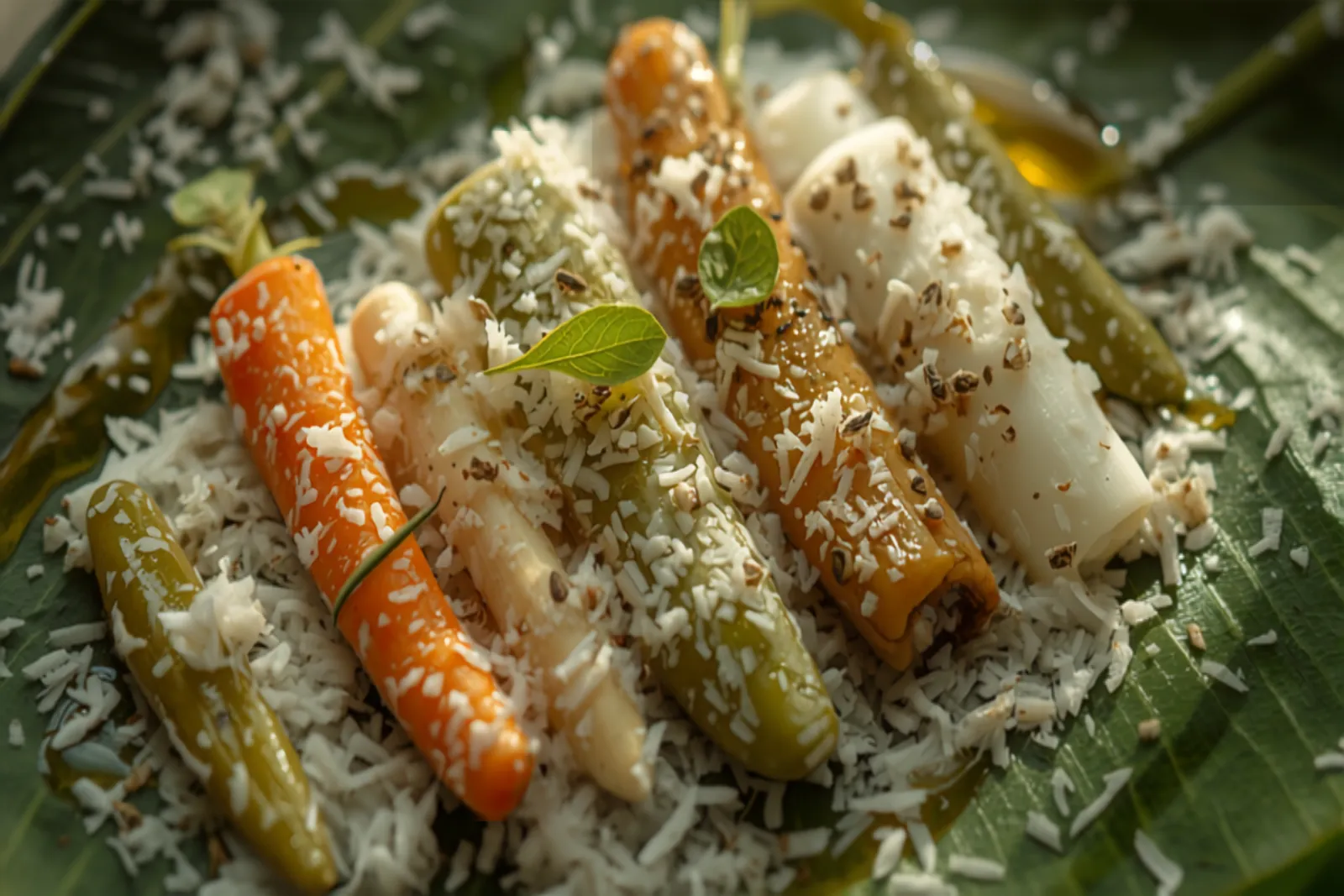
Avial is a centrepiece of the Kerala sadya, the vegetarian feast served on a banana leaf for Onam and other occasions, and is also claimed in Tamil and Udupi traditions. It's a thick medley of mixed vegetables in a ground-coconut and yogurt base — a brilliant way to honour many vegetables in one dish.
Avial is one of South India’s most generous dishes — a medley of vegetables simmered until tender and bound in a coarse coconut-and-cumin paste, brightened with sour yogurt and finished with a drizzle of raw coconut oil. It’s a cornerstone of the Kerala sadya, the vegetarian feast laid out on a banana leaf for Onam, and a brilliant lesson in honouring many vegetables in a single, harmonious dish.
A dish about variety
The spirit of avial is plenty: ash gourd, raw banana, carrot, drumstick, snake gourd, yam, beans — a mix of sturdy and gourd vegetables, cut into similar-sized batons so they cook evenly. Use what’s seasonal and good; the dish is forgiving and made for variety.
The coconut paste, kept coarse
Avial’s texture comes from a coarsely ground coconut paste with cumin and green chili — thick, barely any water. Grind it smooth and watery and you’ve made a curry; keep it coarse and it stays an avial, the coconut clinging to each vegetable.
Tang and the raw-oil finish
Sour yogurt (or raw mango) gives the essential tang — stirred in off the heat so it doesn’t split. And then the signature move: a drizzle of raw coconut oil and a scatter of curry leaves added off the flame, covered for a minute to bloom. That fresh coconut-oil aroma is the soul of Kerala cooking.
Serve it as part of a rice meal with sambar. For more from the coast, see Kerala fish curry, or browse the full recipe collection.
Ingredients
For the vegetables
- 4–5 cups mixed vegetables, cut into batons Classic mix: ash gourd, raw banana (plantain), carrot, drumstick, snake gourd, yam, beans. Cut into similar-sized fingers.
- 1/2 tsp turmeric
- salt
For the coconut paste
- 1 cup grated coconut (fresh)
- 1 tsp cumin seeds
- 2 green chilies
For the finish
- 1/2 cup thick sour yogurt, whisked Tang is essential; sour yogurt is traditional. Some use raw mango or tamarind instead.
- 2 tbsp raw coconut oil Drizzled in raw at the end — the defining Kerala aroma; do not skip.
- 1 sprig curry leaves
Method
Tap a step’s number to check it off as you go.
-
Cook the hardier vegetables (yam, drumstick, carrot, plantain) first with turmeric, salt, and a little water, adding quicker ones (ash gourd, snake gourd, beans) after.
Why: Staggering by cooking time keeps every vegetable just-tender rather than some mushy and some hard — important when so many cook together.
-
Coarsely grind the coconut with cumin and green chilies (no water, or barely any).
Why: A coarse, thick coconut paste gives avial its characteristic texture; a smooth watery paste makes it a curry, not an avial.
-
Add the coconut paste to the cooked vegetables and simmer gently 3–4 minutes so it coats everything.
Why: A brief simmer melds the coconut with the vegetables without breaking them down.
-
Lower the heat and stir in the whisked yogurt; warm through but do not boil.
Why: Yogurt added off a hard boil stays smooth and keeps its tang; boiling would split it and dull the sourness.
-
Turn off the heat, drizzle over raw coconut oil, and scatter fresh curry leaves. Stir and cover for a minute.
Why: Raw coconut oil and curry leaves added off the heat perfume the dish — the unmistakable Kerala finish.
A quick, anonymous tap — no review needed.
Variations
- Tamil-style (tamarind)
Use raw mango or a little tamarind for the souring instead of yogurt for the Tamil Nadu version.
- Vegan
Skip the yogurt and sour with raw mango or tamarind; the dish is otherwise plant-based and the coconut keeps it rich.
- Drier (poriyal-style)
Reduce the liquid for a thicker, drier avial that's good as a side with rice and rasam.
Serving & Storage
Serve as part of a rice meal with sambar, rasam, and pickle — it's a key dish on the Onam sadya banana leaf. Pairs beautifully with plain or red rice.
Pairs with: Steamed rice, Sambar, Rasam, Pappadam.
Storage: Best the day it's made; keeps 1–2 days refrigerated, though the yogurt sharpens. Reheat very gently to avoid splitting.
Nutrition
Per serving (about 1 cup)
- Calories
- 210
- Protein
- 5 g
- Carbs
- 16 g
- Fat
- 15 g
- Fiber
- 5 g
- Sugar
- 6 g
- Sodium
- 360 mg
Notable micronutrients: Vitamin C, Vitamin A, Potassium
Estimated using standard ingredient data. Values vary with brands and substitutions.
Frequently Asked Questions
What vegetables go in avial?
A mix of sturdy and gourd vegetables cut into batons: ash gourd, raw banana (plantain), carrot, drumstick, snake gourd, yam, and beans are classic. The idea is variety — several vegetables in one harmonious dish — so use what's good and seasonal.
Why add coconut oil raw at the end?
Raw coconut oil drizzled off the heat is the signature aroma of Kerala avial — cooking it would lose that fresh fragrance. It's the finishing touch that makes the dish taste authentically Keralan.
Whose dish is avial — Kerala or Tamil Nadu?
Both have strong claims and beloved versions; it's central to the Kerala sadya and also made in Tamil and Udupi kitchens. We present the Kerala style here, but it's a shared South Indian dish rather than any one region's alone.
What to drink with this
All drinks →Hand-picked pours to match this dish.
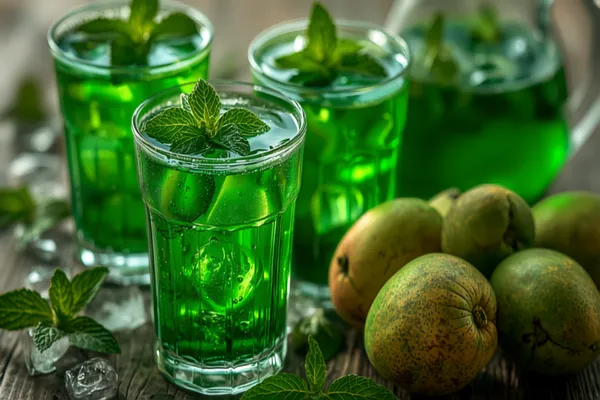
North & West India (peak-summer drink across the subcontinent) · Indian
Aam Panna (Raw Green Mango Summer Cooler)
India's tangy, jade-green raw-mango cooler — roasted or boiled green mangoes blended with cumin, black salt and mint. The traditional heat-stroke remedy that tastes like summer.
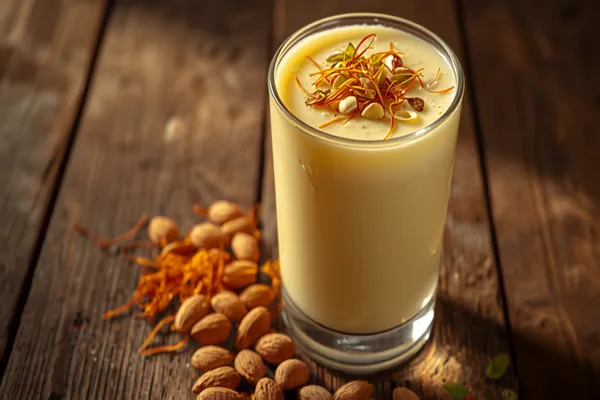
Pan-Indian (North & West India) · Indian
Badam Milk (Saffron Almond Milk)
Milk simmered with a paste of soaked almonds, saffron, cardamom and a whisper of nutmeg — India's rich, fragrant almond drink. Comforting served warm in winter, reviving served chilled in summer, festive any time.
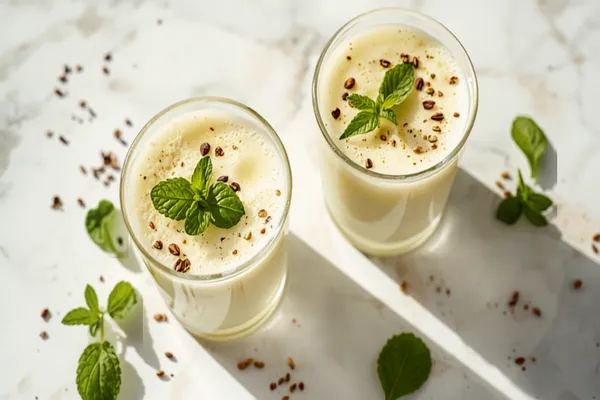
Pan-Indian (Gujarat & West India especially) · Indian
Chaas (Spiced Indian Buttermilk / Masala Chaas)
Whisked yogurt thinned with water and seasoned with cumin, green chilli, ginger and curry leaves — India's cooling, savoury buttermilk. A salty-tangy digestive that beats the heat and settles a heavy meal in two minutes.
From our kitchen community
Ratings & Reviews
My Rating
Tap a star to rate — no sign-in, no form needed.
My Review
0 Ratings
🥣 0 home cooks made it!
Be the first to rate Avial (Kerala Mixed Vegetables in Coconut and Yogurt).
Related Recipes
Kerala / South India (Malabar coast) · Indian
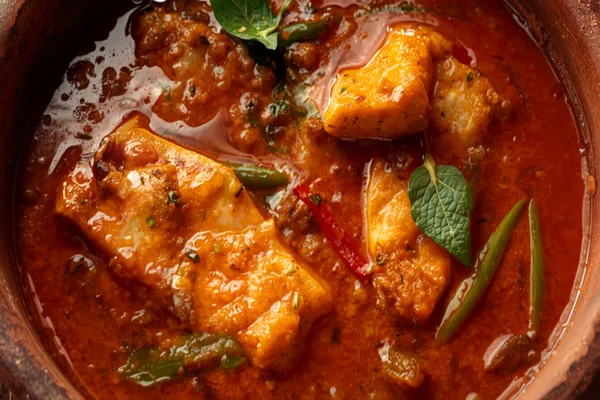
Kerala Fish Curry (Meen Curry with Coconut)
A coastal Kerala classic: fish simmered in a tangy, coconut-rich gravy sharpened with kokum-like kudampuli (Malabar tamarind) and a fragrant curry-leaf tempering. Sour, spicy, and built for rice.
Tamil Nadu / South India · Indian
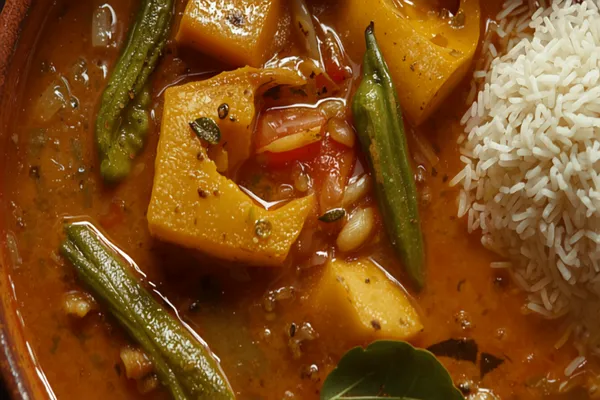
Sambar (South Indian Lentil and Vegetable Stew)
The everyday backbone of a South Indian meal: toor dal simmered with vegetables and tamarind, seasoned with a freshly ground sambar powder and a sizzling tempering. Tangy, savory, and endlessly comforting.
Further reading
- Cultural Story · South IndiaA Complete Guide to South Indian CookingSouth India isn't one cuisine but many — Tamil, Kerala, Karnataka, Andhra and Telangana, each with its own grains, spices, and rituals. A guide to the building blocks, the regional differences, and where to start cooking.
- Festival & Seasonal · KeralaThe Onam Sadya: Kerala's Feast on a Banana LeafOnce a year, Kerala lays out one of the world's great vegetarian feasts — two dozen-plus dishes served on a banana leaf in a precise order, eaten with the hands. A guide to the Onam sadya: what's on the leaf, where it goes, and why it matters.