Cultural Story · Eastern India
A Complete Guide to Bengali and Eastern Indian Cooking
From the fish-and-rice heart of Bengal to Odisha's temple food, Assam's sour-clean dishes, and the smoke-and-ferment cooking of the Northeast — a guide to eastern India's distinct, often gentle, sometimes fiery table.
Published July 18, 2026
Eastern India is a region of distinct, often gentle, sometimes fiery cuisines that share little with the spice-forward cooking most associate with India. At its heart is Bengal — rice, fish, mustard oil, and an almost ceremonial sense of balance — surrounded by Odisha’s temple food, Assam’s clean sour dishes, and the smoke-and-ferment traditions of the Northeast. This guide maps the whole eastern table.
Bengal: subtlety and sequence
Bengali cooking is built on rice and fish, mustard oil, and panch phoron (the five-spice blend of cumin, fennel, fenugreek, nigella, and mustard). It prizes subtlety and order — a traditional meal moves course by course, often opening with the gently bitter shukto before moving to dals, vegetables like aloo posto, the everyday macher jhol, and, on special days, the rich slow-cooked kosha mangsho.
The sweets of Bengal
No region takes sweets more seriously. Bengal built an entire art on fresh chhena (curdled-milk cheese): the spongy, syrup-soaked rasgulla (shared, fiercely, with Odisha) and the delicate, moulded sandesh. In winter, date-palm jaggery (nolen gur) perfumes the whole repertoire. See our guide to Indian festival sweets for more.
Odisha
Odia food shares Bengal’s love of fish and mustard but has its own identity, especially its temple-food tradition — the no-onion-no-garlic cooking of the Jagannath Temple in Puri. The everyday star is dalma, lentils and vegetables cooked together with a roasted-cumin tempering.
Assam and the Northeast
The Northeast is a culinary world apart — little oil, few dry spices, and flavour from smoking, fermentation, fresh herbs, and fiery chilies. Assamese cooking is clean and sour, as in the masor tenga fish curry and the raw-mustard-oil aloo pitika. Further east, Naga cooking gives us the smoky, ferocious smoked pork with bamboo shoot — about as far from a North Indian curry as Indian food gets.
Where to start
Begin with a light macher jhol or vegetarian aloo posto over rice, then the festive kosha mangsho. Save room for rasgulla or sandesh. Browse the full recipe collection for more.
Frequently Asked Questions
What defines Bengali cuisine?
Bengali cooking centres on rice and fish, mustard oil, the five-spice blend panch phoron, and a love of subtlety and sequence (meals are eaten course by course). It ranges from light, brothy fish curries to rich slow-cooked mutton, and boasts India's most celebrated tradition of milk-based sweets.
How is eastern Indian food different from the rest of India?
The east leans on mustard oil, freshwater fish, panch phoron, and (in Bengal) a refined sense of balance and course order. Odisha shares much with Bengal plus a strong temple-food tradition; Assam and the Northeast are distinct again — lighter, sourer, and built on smoking and fermentation rather than spice blends.
Where should I start with Bengali cooking?
Start with a light macher jhol (fish curry) or vegetarian aloo posto over rice, then try the festive kosha mangsho. For dessert, rasgulla and sandesh show off Bengal's chhena-sweet artistry.
Related Recipes
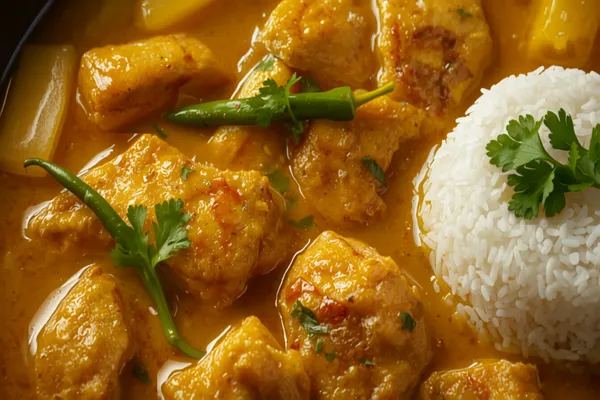
West Bengal / East India · Indian
Macher Jhol (Bengali Fish Curry)
The everyday Bengali fish curry: lightly fried fish simmered in a thin, golden gravy of potatoes, tomato, and panch phoron-scented spice. Clean, comforting, and made to be eaten with a mound of rice.
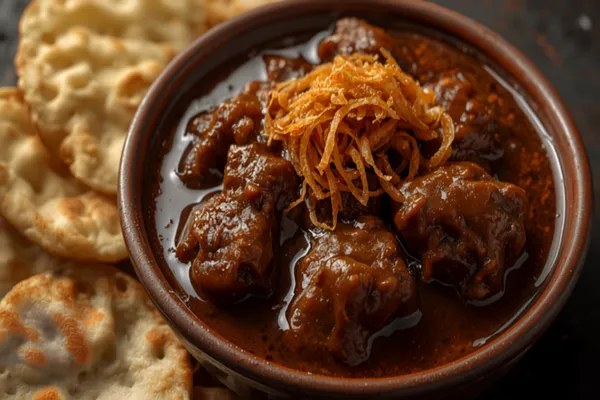
West Bengal / East India · Indian
Kosha Mangsho (Bengali Slow-Cooked Mutton Curry)
Bengal's Sunday-best mutton: goat marinated in yogurt and mustard oil, then slow-cooked with onions and whole spices until the gravy turns dark, thick, and clinging. 'Kosha' means slow-fried — and the patience is the dish.
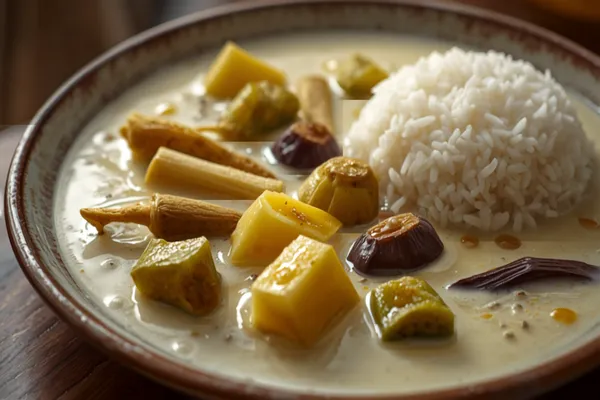
West Bengal / East India · Indian
Shukto (Bengali Mixed Vegetables with a Bitter Note)
The dish that opens a traditional Bengali meal: a gently spiced, milk-enriched medley of vegetables built around bitter melon, balanced with a paste of mustard and poppy seeds and a tempering of panch phoron and bay. Subtle, soothing, and quietly sophisticated.
Related stories & guides
- Festival & SeasonalIndian Festival Sweets: From Diwali to EidIn India, no celebration is complete without mithai. A guide to the sweets that define the festival calendar — the Diwali mithai box, the Eid dessert table, and the regional treasures of Bengal and the south — and what makes each one special.
- Cultural Story · South IndiaA Complete Guide to South Indian CookingSouth India isn't one cuisine but many — Tamil, Kerala, Karnataka, Andhra and Telangana, each with its own grains, spices, and rituals. A guide to the building blocks, the regional differences, and where to start cooking.
- Cultural Story · North IndiaA Complete Guide to North Indian CookingThe cuisine the world knows best — and understands least. From Punjab's tandoor and dairy to Kashmir's aromatic Wazwan and Awadh's courtly kebabs, a guide to North India's regions, techniques, and where to begin.
- Cultural Story · West IndiaA Complete Guide to West Indian CookingFour very different states, one coast: Maharashtra's street food and fiery Kolhapuri curries, Gujarat's sweet-savoury vegetarian thali, Goa's twin Hindu and Catholic kitchens, and Rajasthan's desert cooking. A guide to western India's table.
- Ingredient Deep DiveThe Indian Spice Pantry: A Beginner's MapYou don't need a hundred spices to cook Indian food — you need a dozen, and the know-how to use them. A practical guide to the essential Indian spices, what each does, and the techniques (tadka, bhuna, dry-roasting) that unlock them.