West Bengal / East India · Indian
Shukto (Bengali Mixed Vegetables with a Bitter Note)
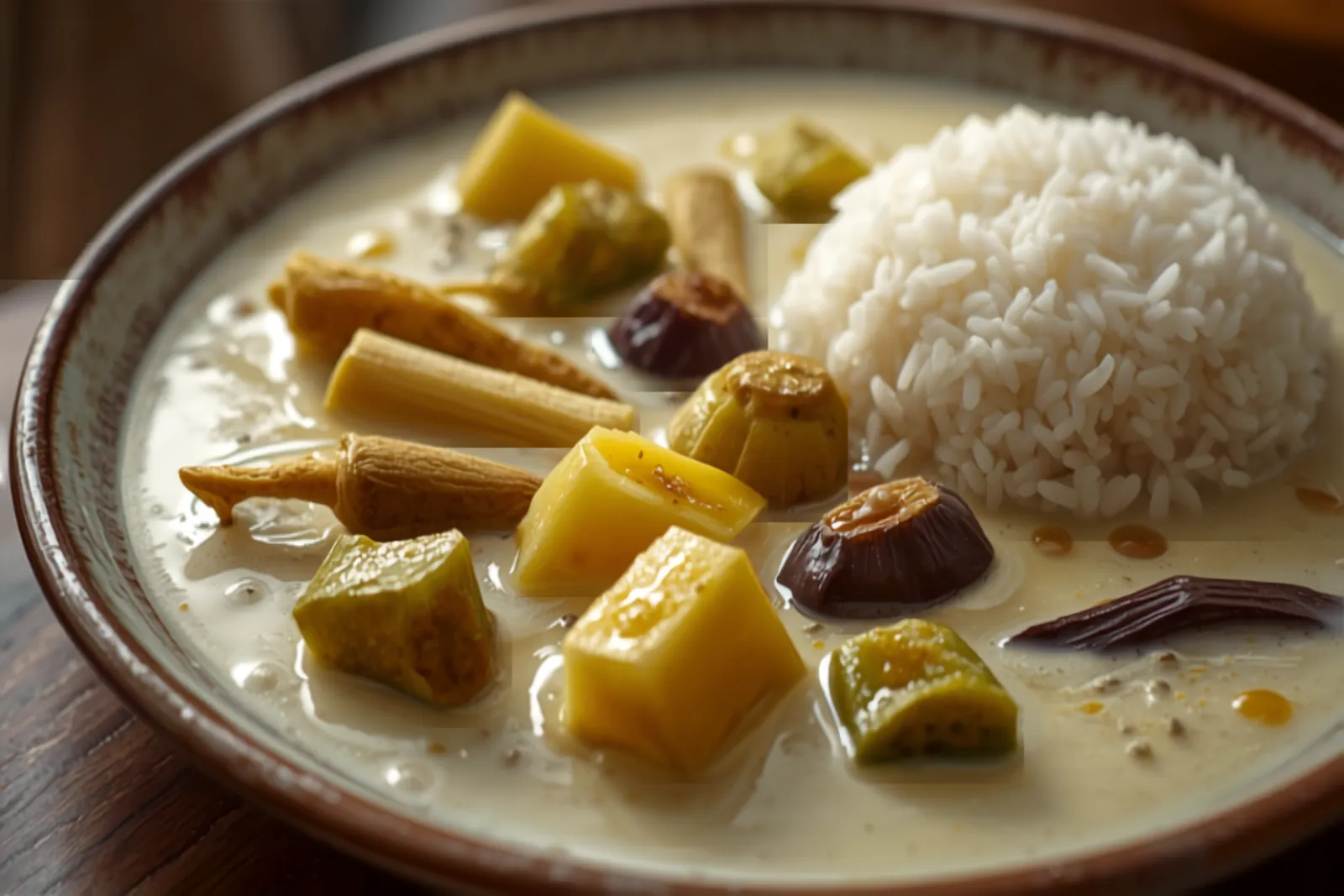
The dish that opens a traditional Bengali meal: a gently spiced, milk-enriched medley of vegetables built around bitter melon, balanced with a paste of mustard and poppy seeds and a tempering of panch phoron and bay. Subtle, soothing, and quietly sophisticated.
Published July 14, 2026
Cultural context
Shukto is traditionally the first course of a Bengali meal — a lightly bitter, milk-enriched mixed-vegetable dish eaten with rice to 'open' the palate. Its defining feature is a controlled bitterness from bitter melon (uchche/korola), balanced by milk, ghee, and a fragrant mustard-poppy paste. It's a refined, almost ceremonial everyday dish.
Shukto is one of Bengali cuisine’s most quietly sophisticated dishes — a gently spiced, milk-enriched medley of vegetables built around a measured note of bitterness, traditionally eaten first in a meal to open the palate. It’s the opposite of a bold curry: subtle, soothing, and balanced on a knife’s edge between bitter, sweet, and pungent.
Bitterness, on purpose and in balance
The defining feature is the bitter melon (uchche), but shukto is not a bitter dish so much as a balanced one. The bitter melon is fried first to mellow it, then milk, ghee, and a pinch of sugar round it out. Done right, the bitterness is an accent that makes everything else taste brighter — the reason it’s served at the start of the meal.
The mustard-poppy paste
What gives shukto its body and gentle pungency is a ground paste of mustard and poppy seeds with ginger, stirred in toward the end. Combined with a tempering of panch phoron (the Bengali five-spice) and bay, it creates a flavour that’s distinctly East Indian — and distinctly unlike the louder cooking of much of the country.
Gentle throughout
This is a dish that rewards a light hand: vegetables cooked just tender and kept intact, milk warmed in (never boiled hard), and a finishing spoon of ghee. Serve it warm at the beginning of a rice meal, the way Bengal does.
For the rich counterpart to this gentle dish, see kosha mangsho, or read the full guide to Bengali home cooking.
Ingredients
For the vegetables
- 1 bitter melon (uchche/korola), sliced The signature bitter note — used in measured amount, not overwhelming.
- 4 cups mixed vegetables Classic mix: raw banana, drumstick, sweet potato, eggplant, ridge gourd, potato, and bori (lentil dumplings).
For the paste
- 1 tbsp poppy seeds (posto)
- 1 tbsp mustard seeds Soaked and ground with the poppy seeds and a little water.
- 1 tbsp ginger paste
For the tempering & finish
- 3 tbsp ghee or mustard oil
- 1 tsp panch phoron (Bengali five-spice)
- 1 bay leaf and a small piece of dried ginger / radhuni if available
- 1/2 cup milk Enriches and softens the bitterness — characteristic of shukto.
- 1 tsp sugar, salt
Method
Tap a step’s number to check it off as you go.
-
Lightly fry the bitter melon slices in ghee until golden and set aside; fry the bori (lentil dumplings) too if using.
Why: Frying the bitter melon mellows and rounds its bitterness so it accents the dish rather than dominating; fried bori add texture.
-
Temper panch phoron and bay leaf in ghee, then add the harder vegetables and sauté.
Why: Panch phoron and bay are the aromatic base of shukto; starting the sturdy vegetables now ensures they cook through.
-
Add the remaining vegetables, a little water, salt, and sugar, and cook until almost tender.
Why: Cooking the vegetables gently keeps them intact; the pinch of sugar balances the bitterness.
-
Stir in the ground mustard-poppy-ginger paste and cook a few minutes, then add the milk and the fried bitter melon and warm through gently (do not boil hard).
Why: The mustard-poppy paste gives shukto its subtle pungency and body; milk added gently softens the bitterness and enriches without splitting.
-
Finish with a spoon of ghee and rest briefly before serving.
Why: A finishing spoon of ghee is traditional and rounds the dish; resting lets the flavours settle into a gentle harmony.
A quick, anonymous tap — no review needed.
Variations
- Dudh shukto (milkier)
Use more milk for a richer, paler, even gentler version.
- Vegan
Use mustard oil and a plant milk (or skip the milk and use a cashew paste) for richness.
- Without bitter melon
It won't be true shukto, but a milder mixed-vegetable medley with the same paste and panch phoron is still lovely if bitterness isn't for you.
Serving & Storage
Serve warm at the start of a rice meal, as is the Bengali tradition — it's the opening course, eaten with the first helping of rice before heavier dishes.
Pairs with: Steamed rice, A traditional Bengali meal (as the first course), Ghee.
Storage: Best fresh; keeps 1–2 days refrigerated, though the milk and delicate balance are at their best the day it's made. Reheat very gently.
Nutrition
Per serving (about 1 cup)
- Calories
- 200
- Protein
- 6 g
- Carbs
- 24 g
- Fat
- 10 g
- Fiber
- 6 g
- Sugar
- 8 g
- Sodium
- 320 mg
Notable micronutrients: Vitamin A, Vitamin C, Folate
Estimated using standard ingredient data. Values vary with brands and substitutions.
Frequently Asked Questions
Why is shukto bitter?
The bitterness, from bitter melon, is intentional and central — shukto is traditionally eaten first to 'open' the palate. But it's a balanced, mellow bitterness, tamed by frying the bitter melon and softened with milk, ghee, and a touch of sugar. It should accent, not overwhelm.
What is panch phoron?
A Bengali whole-spice blend of equal parts cumin, fennel, fenugreek, nigella, and mustard seeds, tempered in hot fat. It's a foundational flavour of East Indian cooking, including shukto.
When is shukto eaten in a meal?
Traditionally it's the first course of a Bengali meal, eaten with the opening helping of rice before the dals, fish, and meat. Its gentle bitterness is meant to whet the appetite.
What to drink with this
All drinks →Hand-picked pours to match this dish.

North & West India (peak-summer drink across the subcontinent) · Indian
Aam Panna (Raw Green Mango Summer Cooler)
India's tangy, jade-green raw-mango cooler — roasted or boiled green mangoes blended with cumin, black salt and mint. The traditional heat-stroke remedy that tastes like summer.
Pan-Indian (North & West India) · Indian
Badam Milk (Saffron Almond Milk)
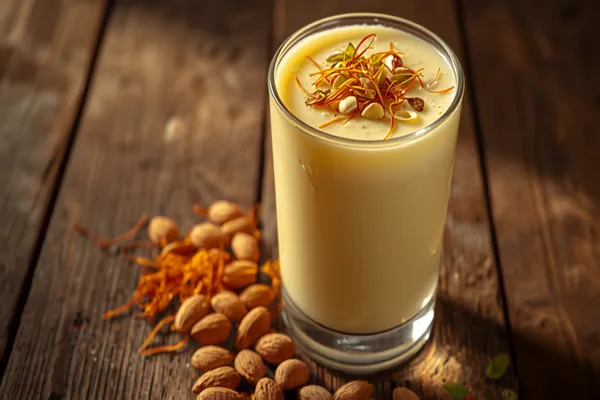
Milk simmered with a paste of soaked almonds, saffron, cardamom and a whisper of nutmeg — India's rich, fragrant almond drink. Comforting served warm in winter, reviving served chilled in summer, festive any time.
Pan-Indian (Gujarat & West India especially) · Indian
Chaas (Spiced Indian Buttermilk / Masala Chaas)
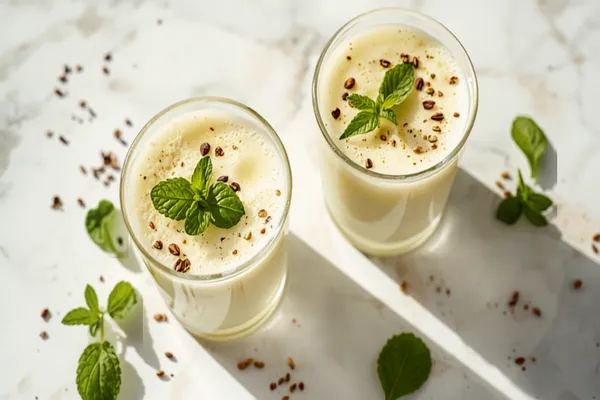
Whisked yogurt thinned with water and seasoned with cumin, green chilli, ginger and curry leaves — India's cooling, savoury buttermilk. A salty-tangy digestive that beats the heat and settles a heavy meal in two minutes.
From our kitchen community
Ratings & Reviews
My Rating
Tap a star to rate — no sign-in, no form needed.
My Review
0 Ratings
🥣 0 home cooks made it!
Be the first to rate Shukto (Bengali Mixed Vegetables with a Bitter Note).
Related Recipes
West Bengal / East India · Indian
Kosha Mangsho (Bengali Slow-Cooked Mutton Curry)
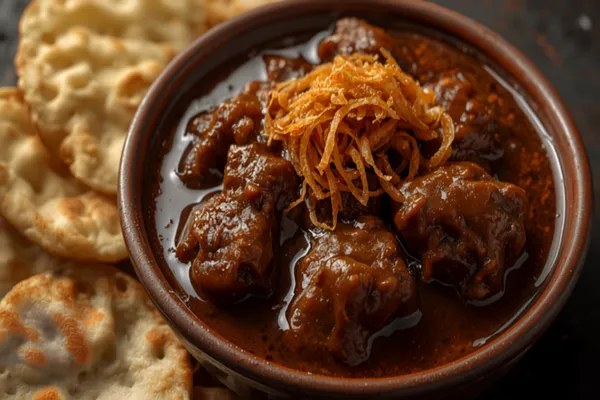
Bengal's Sunday-best mutton: goat marinated in yogurt and mustard oil, then slow-cooked with onions and whole spices until the gravy turns dark, thick, and clinging. 'Kosha' means slow-fried — and the patience is the dish.
West Bengal / East India · Indian
Aloo Posto (Bengali Potatoes in Poppy Seed Paste)
A beloved Bengali vegetarian dish: potatoes cooked in a creamy, nutty paste of ground white poppy seeds, gently spiced and finished with mustard oil and green chili. Humble, soothing, and quietly addictive.