Odisha / East India · Indian
Dalma (Odia Lentils with Vegetables)
Odisha's everyday one-pot comfort: toor dal cooked with vegetables and a fragrant roasted-cumin tempering, no onion or garlic. Wholesome, lightly spiced, and a temple-kitchen classic.
Published June 23, 2026
Cultural context
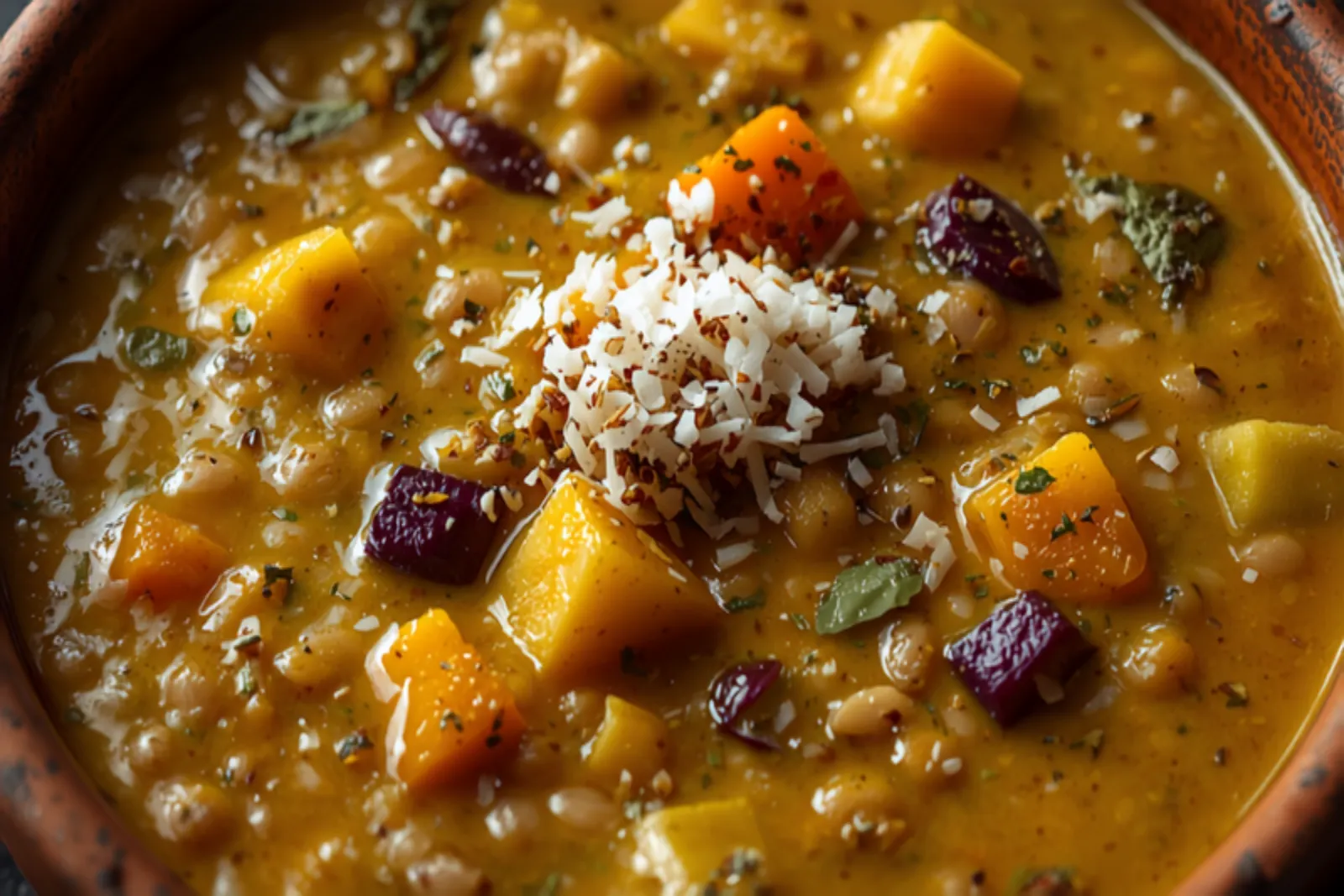
Dalma is the defining everyday dish of Odia cuisine — lentils and vegetables cooked together in one pot, traditionally without onion or garlic, which ties it to temple cooking, including the famous Mahaprasad kitchen of the Jagannath Temple in Puri. It's both daily food and offering food.
Dalma is the dish an Odia kitchen makes without thinking — lentils and vegetables cooked together in one pot, lightly spiced, finished with a fragrant ghee tempering. It is everyday comfort food and, just as importantly, temple food: traditionally made without onion or garlic, it belongs to the satvik tradition that includes the great Mahaprasad kitchen of the Jagannath Temple in Puri.
One pot, dal and vegetables together
What makes dalma dalma is that the vegetables cook in the dal, not separately. Pumpkin, raw banana, potato, taro, and eggplant soften into the toor dal, lending it sweetness and a thick, comforting body. It’s wholesome by design — protein and vegetables in a single pot.
The roasted cumin masala
The signature aroma comes from bhaja jeera masala — cumin seeds and dried red chilies dry-roasted and ground fresh, then stirred into the simmering pot. Roasting transforms the cumin from sharp to warm and nutty; it’s the step that makes dalma taste like dalma.
Depth without onion or garlic
Because the classic version skips onion and garlic, the savory backbone comes instead from a tempering of ghee, cumin, and asafoetida poured over at the end — plus, often, a finish of grated coconut. It’s proof that a deeply satisfying dish doesn’t need an aromatics base at all.
Serve with rice and lime. For more East Indian cooking, try aloo posto or browse the full recipe collection.
Ingredients
For the dal
- 1 cup toor dal (split pigeon peas) Sometimes mixed with a little moong dal for body.
- 1/2 tsp turmeric
For the vegetables
- 3 cups mixed vegetables Pumpkin, raw banana, potato, eggplant, taro (arbi), and tomato are classic. Cut into large chunks.
For the spice
- 1 tbsp ginger, grated
- 2 green chilies, slit
For the roasted masala
- 1 tsp cumin seeds
- 2 dried red chilies Dry-roasted with the cumin and ground — the signature bhaja jeera masala of dalma.
For the tempering
- 2 tbsp ghee (or oil for vegan)
- 1 tsp cumin seeds, a pinch of asafoetida, curry leaves
- 1 tbsp grated coconut (optional) A common Odia finishing touch.
Method
Tap a step’s number to check it off as you go.
-
Pressure-cook or simmer the toor dal with turmeric, ginger, green chili, and the hardier vegetables (pumpkin, raw banana, potato, taro) until everything is soft.
Why: Cooking dal and vegetables together is the essence of dalma — the vegetables absorb the dal and lend it sweetness and body. The sturdy vegetables go in first so they cook fully.
-
Dry-roast the cumin seeds and dried red chilies in a pan until fragrant, then grind to a coarse powder (bhaja jeera masala).
Why: This roasted cumin-chili powder is the defining aroma of dalma; roasting before grinding deepens it far beyond raw cumin.
-
Add quicker vegetables (eggplant, tomato) and the ground roasted masala to the pot and simmer until everything is tender and the dal is thick and unified.
Why: Adding the roasted masala during the simmer lets its aroma infuse the whole pot.
-
Make the tempering: heat ghee, add cumin seeds, asafoetida, and curry leaves until they sizzle, then pour over the dalma. Stir in grated coconut if using.
Why: The ghee tempering and asafoetida stand in for the onion-garlic that dalma deliberately omits, giving savory depth — essential in a no-onion-garlic dish.
-
Adjust salt and consistency; dalma should be thick but spoonable.
Why: Too thin and it loses its comforting, porridge-like character; loosen only a little if needed.
A quick, anonymous tap — no review needed.
Variations
- Temple-style (satvik)
Keep it strictly without onion and garlic, tempered only in ghee with cumin and asafoetida, the way it's made as Mahaprasad.
- With more coconut
Add ground coconut to the masala along with the grated coconut finish for a richer, slightly sweet dalma.
- Higher-protein
Use a mix of toor and moong dal, or add a handful of cooked chana, for more body and protein.
Serving & Storage
Serve with steamed rice and a squeeze of lime; dalma and rice is the core of an everyday Odia meal. A simple fried vegetable or papad rounds it out.
Pairs with: Steamed rice, Lime, Saga bhaja (sautéed greens), Papad.
Storage: Keeps 3 days refrigerated and thickens as it sits — loosen with water and refresh with a fresh tempering if you like.
Nutrition
Per serving (about 1 cup)
- Calories
- 220
- Protein
- 10 g
- Carbs
- 30 g
- Fat
- 7 g
- Fiber
- 8 g
- Sugar
- 6 g
- Sodium
- 420 mg
Notable micronutrients: Folate, Vitamin A, Iron
Estimated using standard ingredient data. Values vary with brands and substitutions.
Frequently Asked Questions
Why does dalma have no onion or garlic?
Dalma comes out of a satvik, temple-cooking tradition — most famously the Jagannath Temple kitchen in Puri — where onion and garlic are avoided. The savory depth instead comes from ghee, asafoetida, and roasted cumin. You can add onion-garlic if you prefer, but the classic is without.
What vegetables go in dalma?
Sturdy, slightly sweet vegetables work best: pumpkin, raw banana, potato, taro (arbi), eggplant, and tomato. A mix of several is traditional; pumpkin and raw banana are especially characteristic.
What is bhaja jeera masala?
It's the roasted-cumin-and-dried-red-chili powder ground fresh and stirred into dalma — the spice blend that gives the dish its signature aroma. Don't skip the roasting step.
What to drink with this
All drinks →Hand-picked pours to match this dish.
Cuba (mojito tradition), worldwide · Cuban
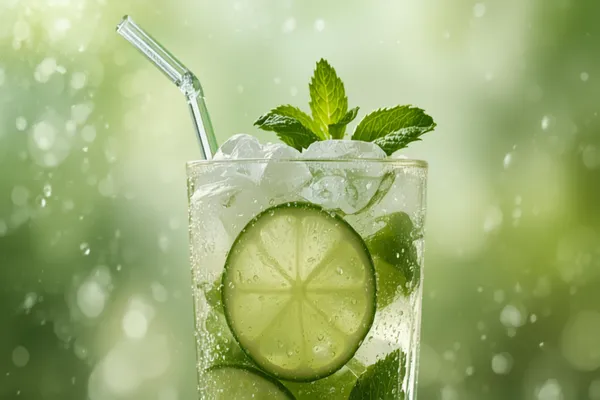
Virgin Mojito (Non-Alcoholic Mint & Lime Cooler)
A proper mojito mocktail — fresh mint, lime and a little sugar, lengthened with soda over crushed ice. All the bright, herbal lift of the original, none of the rum.
North & West India (peak-summer drink across the subcontinent) · Indian
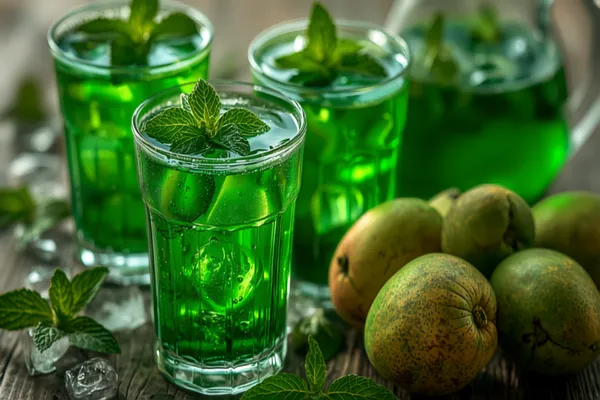
Aam Panna (Raw Green Mango Summer Cooler)
India's tangy, jade-green raw-mango cooler — roasted or boiled green mangoes blended with cumin, black salt and mint. The traditional heat-stroke remedy that tastes like summer.
Pan-Indian (North & West India) · Indian
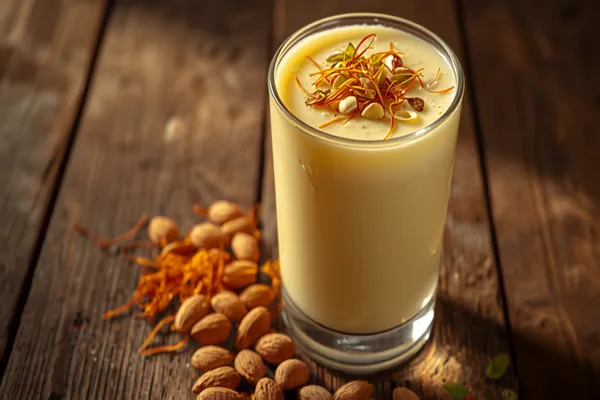
Badam Milk (Saffron Almond Milk)
Milk simmered with a paste of soaked almonds, saffron, cardamom and a whisper of nutmeg — India's rich, fragrant almond drink. Comforting served warm in winter, reviving served chilled in summer, festive any time.
From our kitchen community
Ratings & Reviews
My Rating
Tap a star to rate — no sign-in, no form needed.
My Review
0 Ratings
🥣 0 home cooks made it!
Be the first to rate Dalma (Odia Lentils with Vegetables).
Related Recipes
West Bengal / East India · Indian
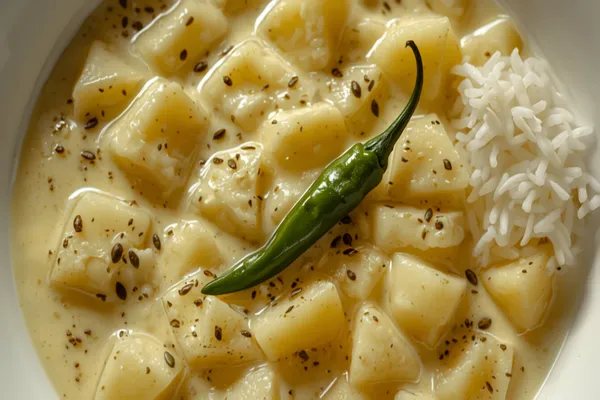
Aloo Posto (Bengali Potatoes in Poppy Seed Paste)
A beloved Bengali vegetarian dish: potatoes cooked in a creamy, nutty paste of ground white poppy seeds, gently spiced and finished with mustard oil and green chili. Humble, soothing, and quietly addictive.
Tamil Nadu / South India · Indian
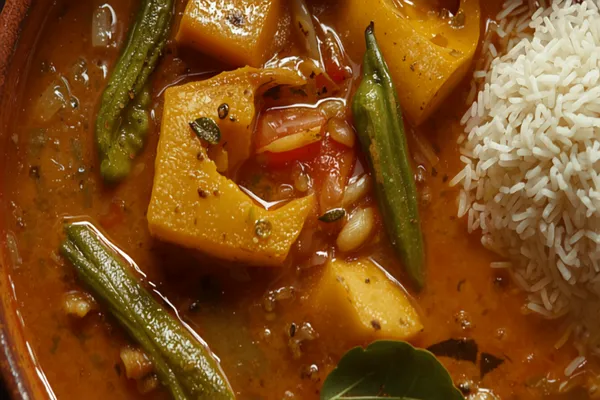
Sambar (South Indian Lentil and Vegetable Stew)
The everyday backbone of a South Indian meal: toor dal simmered with vegetables and tamarind, seasoned with a freshly ground sambar powder and a sizzling tempering. Tangy, savory, and endlessly comforting.