Assam / Northeast India · Indian
Masor Tenga (Assamese Sour Fish Curry)
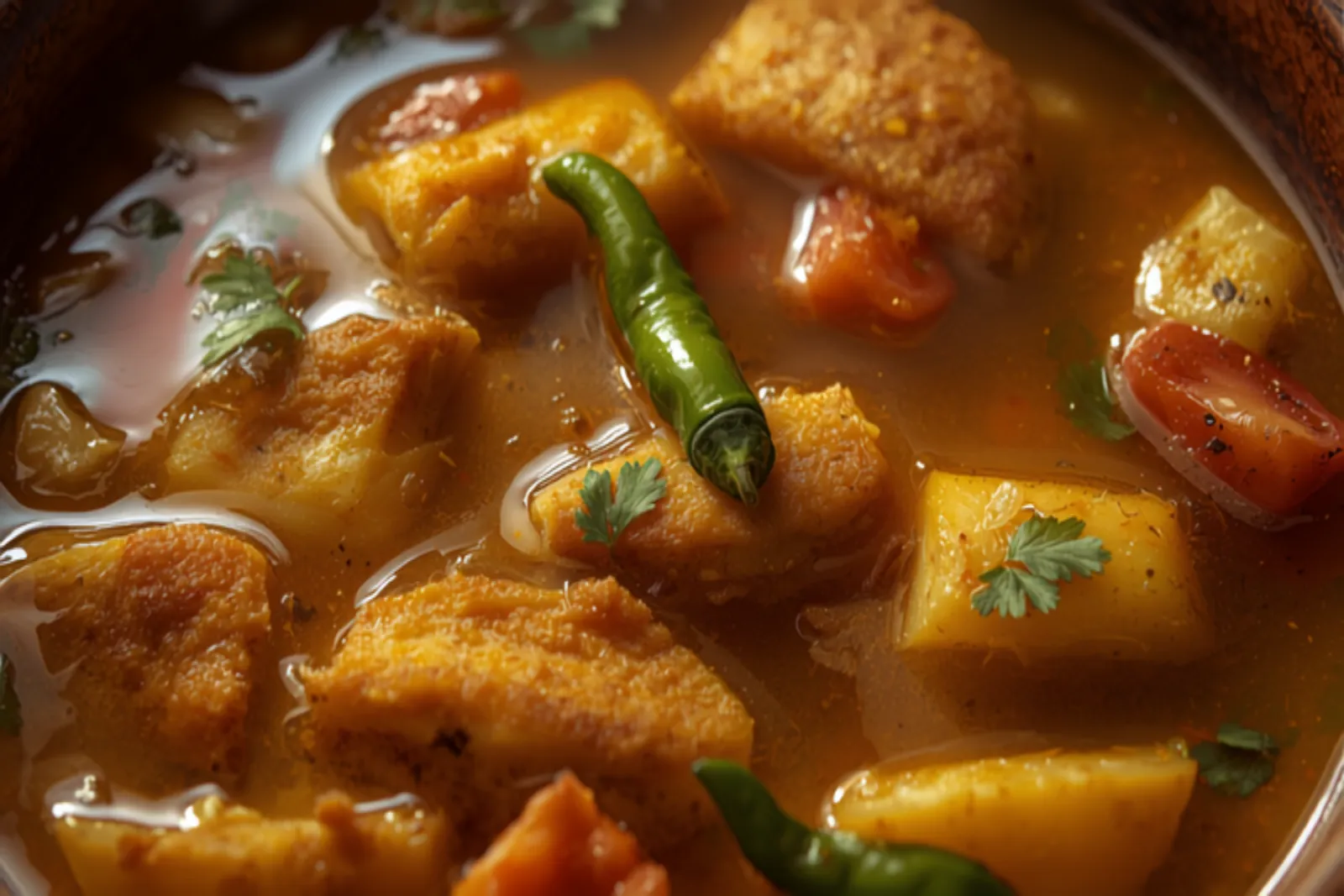
Assam's signature light, sour fish curry: fried fish in a clean, tangy broth soured with tomato and lemon (or elephant apple), barely spiced and brightened with coriander. A summer dish built to cool and refresh.
Published June 23, 2026
Cultural context
Masor tenga (literally 'sour fish') is the most iconic dish of Assamese cuisine, which prizes light, clean, minimally spiced flavours over the richer, spicier cooking of much of India. The sourness traditionally comes from outenga (elephant apple), thekera, or lemon, and the curry is eaten especially in the heat to refresh the palate.
Masor tenga — literally “sour fish” — is the dish that defines Assamese cooking to outsiders, and it does so by being almost the opposite of what people expect from Indian food. It’s light, clean, barely spiced, and bracingly sour: fried fish in a thin, tangy broth, eaten especially in the heat to refresh rather than to warm. Where much of India reaches for more spice, Assam reaches for less, and lets the fish and the sourness speak.
Sourness, the Assamese way
The tang traditionally comes from outenga (elephant apple), thekera (a dried sour mangosteen relative), or lemon. Outside Assam, ripe tomato cooked down to a pulp, finished with a squeeze of lemon, gets you remarkably close. The sourness is the point — keep it bright by adding the lemon off the heat.
Restraint is the technique
There’s no long list of spices here. Fenugreek seeds tempered in mustard oil give a subtle aromatic-bitter base, turmeric colours it, green chilies warm it, and that’s nearly all. The discipline is in keeping the broth thin and clean rather than thickening it into a masala.
Light by design
Fry the fish first as the region does, build a quick sour base, keep the gravy brothy, and finish fresh. It’s the cooling, sour note in an Assamese meal — often the last course, eaten to round things off.
For more East and Northeast Indian cooking, try macher jhol or browse the full recipe collection.
Ingredients
For the fish
- 500 g rohu or any freshwater fish steaks Lightly fried first, as in much East Indian cooking.
- 1/2 tsp each turmeric and salt, to rub on
- for frying mustard oil
For the curry
- 2 tomatoes, chopped The everyday souring agent; for authenticity add a piece of outenga (elephant apple) if you can find it.
- 1 potato, cut into thin wedges (optional)
- 1/4 tsp fenugreek seeds (methi)
- 1/2 tsp turmeric
- 2 green chilies, slit
- juice of 1/2 lemon, to finish
- salt and chopped coriander
Method
Tap a step’s number to check it off as you go.
-
Rub the fish with turmeric and salt and shallow-fry in mustard oil until lightly golden; set aside.
Why: Frying firms the fish and adds flavour, and is standard practice before adding fish to a curry in this region.
-
In the same oil, temper the fenugreek seeds until they darken a shade, then add the potato and fry briefly.
Why: Fenugreek gives the curry its subtle bitter-aromatic backbone; it burns fast, so add the potato quickly after.
-
Add the tomatoes, turmeric, green chilies, and salt, and cook until the tomatoes collapse into a pulp.
Why: Breaking down the tomato builds the sour base of the broth before water goes in.
-
Pour in water to make a light, brothy gravy, add the potato, and simmer until tender. Slide in the fried fish and simmer gently 5 minutes.
Why: Tenga is meant to be thin and clean — a light broth, not a thick masala — so keep it loose and don't over-reduce.
-
Finish with lemon juice and fresh coriander off the heat.
Why: Adding the lemon at the end keeps its brightness sharp; cooking it long would dull the fresh sourness that defines the dish.
A quick, anonymous tap — no review needed.
Variations
- With outenga (elephant apple)
If you can source outenga, use it in place of tomato/lemon for the most authentic Assamese sourness.
- Vegetarian tenga
Skip the fish and make a sour vegetable tenga with lentil dumplings (boror tenga) or just vegetables.
- Lemon-forward
Lean on lemon and skip the potato for an even lighter, more summery curry.
Serving & Storage
Serve with plain steamed rice; tenga is the cooling, sour course in an Assamese meal, often eaten last. Keep the accompaniments simple.
Pairs with: Steamed rice, Khar (alkaline dish), Aloo pitika (mashed potato).
Storage: Best fresh; keeps 1 day refrigerated. Reheat gently and brighten with a fresh squeeze of lemon.
Nutrition
Per serving (1 serving with broth)
- Calories
- 250
- Protein
- 26 g
- Carbs
- 12 g
- Fat
- 11 g
- Fiber
- 2 g
- Sugar
- 3 g
- Sodium
- 500 mg
Notable micronutrients: Omega-3, Vitamin C, Vitamin B12
Estimated using standard ingredient data. Values vary with brands and substitutions.
Frequently Asked Questions
What makes masor tenga sour?
Traditionally outenga (elephant apple), thekera (a dried sour fruit), or lemon. In everyday and outside-Assam cooking, tomato plus a finishing squeeze of lemon gives a very good approximation.
Why is Assamese food so lightly spiced?
Assamese cuisine prizes clean, fresh, minimally spiced flavours that let the main ingredient speak — quite different from the richer, spicier cooking of much of mainland India. Tenga is the purest example: light, sour, and refreshing.
Can I make it without mustard oil?
You can, but mustard oil adds the regional character. Heat it to smoking and cool slightly before frying to mellow it.
What to drink with this
All drinks →Hand-picked pours to match this dish.

North & West India (peak-summer drink across the subcontinent) · Indian
Aam Panna (Raw Green Mango Summer Cooler)
India's tangy, jade-green raw-mango cooler — roasted or boiled green mangoes blended with cumin, black salt and mint. The traditional heat-stroke remedy that tastes like summer.
Pan-Indian (North & West India) · Indian
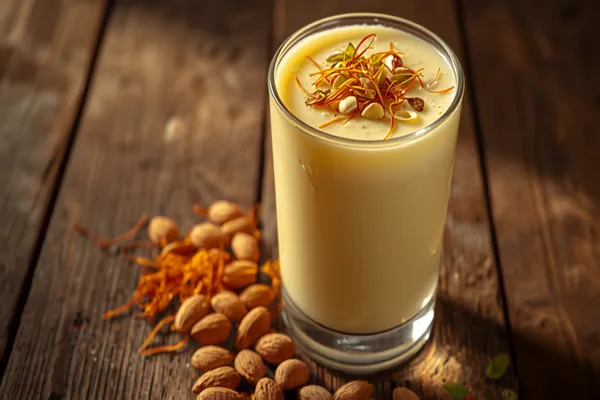
Badam Milk (Saffron Almond Milk)
Milk simmered with a paste of soaked almonds, saffron, cardamom and a whisper of nutmeg — India's rich, fragrant almond drink. Comforting served warm in winter, reviving served chilled in summer, festive any time.

Pan-Indian (Gujarat & West India especially) · Indian
Chaas (Spiced Indian Buttermilk / Masala Chaas)
Whisked yogurt thinned with water and seasoned with cumin, green chilli, ginger and curry leaves — India's cooling, savoury buttermilk. A salty-tangy digestive that beats the heat and settles a heavy meal in two minutes.
From our kitchen community
Ratings & Reviews
My Rating
Tap a star to rate — no sign-in, no form needed.
My Review
0 Ratings
🥣 0 home cooks made it!
Be the first to rate Masor Tenga (Assamese Sour Fish Curry).
Related Recipes
West Bengal / East India · Indian
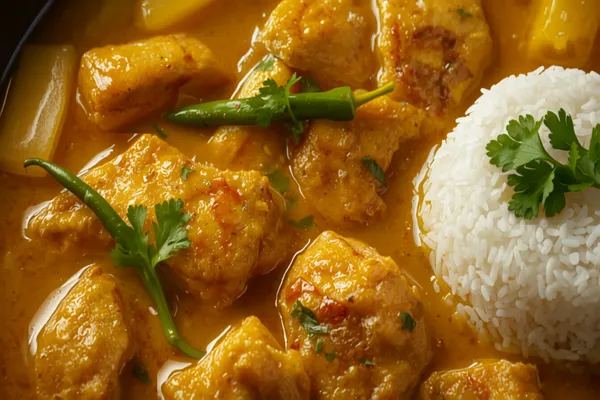
Macher Jhol (Bengali Fish Curry)
The everyday Bengali fish curry: lightly fried fish simmered in a thin, golden gravy of potatoes, tomato, and panch phoron-scented spice. Clean, comforting, and made to be eaten with a mound of rice.
Odisha / East India · Indian
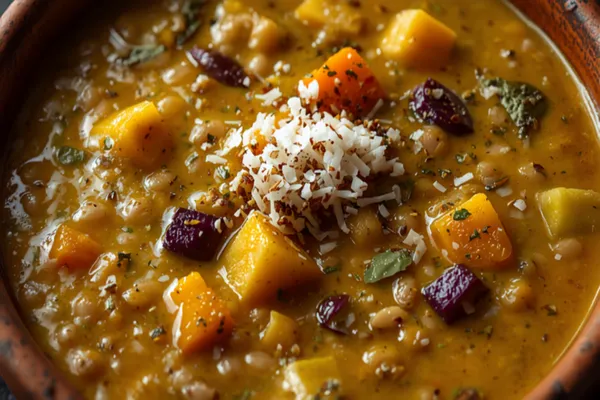
Dalma (Odia Lentils with Vegetables)
Odisha's everyday one-pot comfort: toor dal cooked with vegetables and a fragrant roasted-cumin tempering, no onion or garlic. Wholesome, lightly spiced, and a temple-kitchen classic.