Punjab / North India · Indian
Dal Makhani (Punjabi Black Lentils)
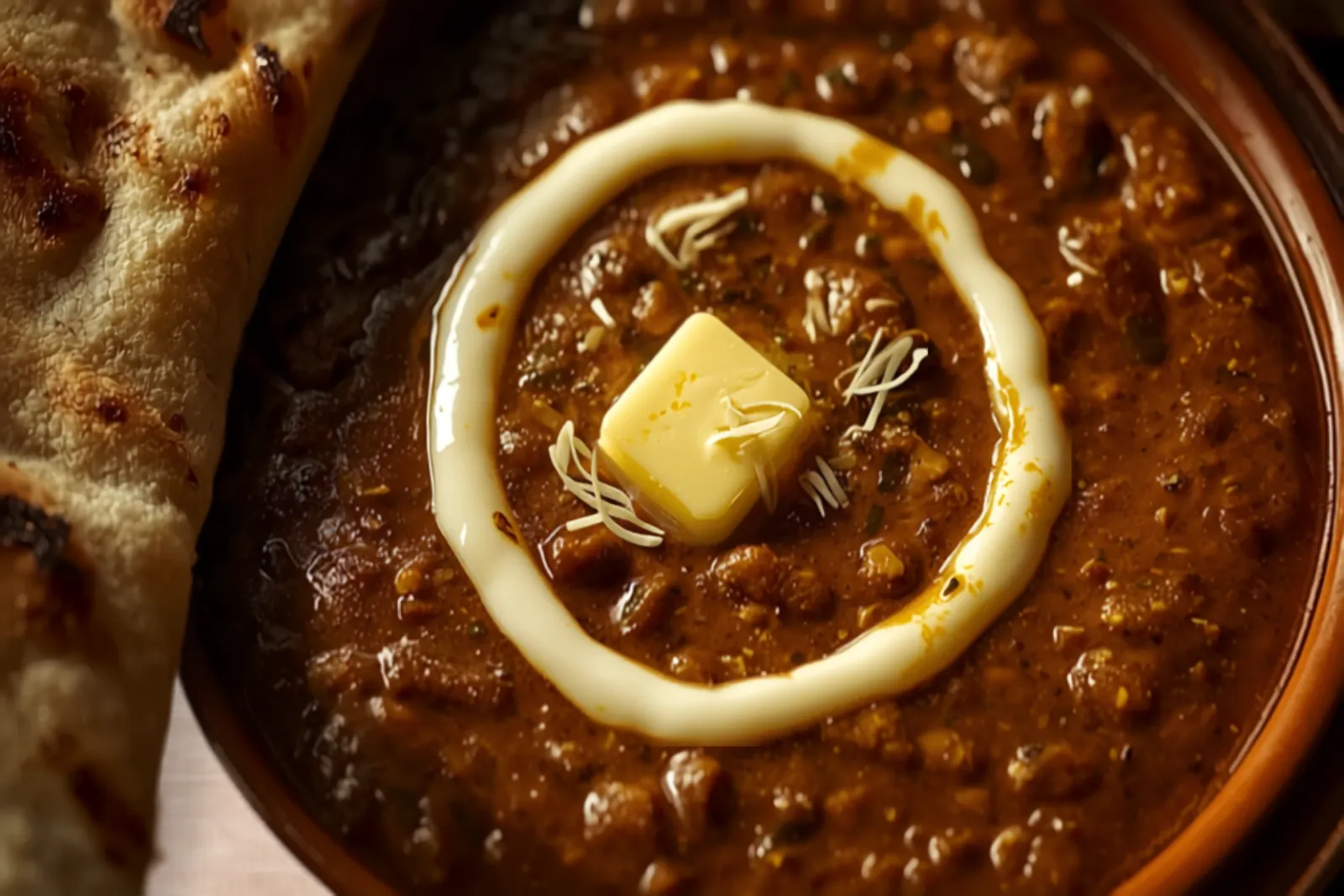
The slow-simmered Punjabi classic: whole black urad and kidney beans cooked for hours into a velvety, smoky, buttery dal. Restaurant-rich at home — the patience is the recipe.
Published June 26, 2026
Cultural context
Dal makhani grew out of Punjabi home cooking (maa ki dal) and was popularised in its rich, creamy restaurant form by Delhi's Moti Mahal in the mid-20th century, alongside butter chicken. Whole black urad simmered long and slow with butter and cream became the celebratory dal of North India.
Dal makhani is North India’s most luxurious dal — whole black lentils and kidney beans simmered for hours with butter and cream into something dark, velvety, and deeply savoury. It began as Punjabi home cooking, maa ki dal, and was reinvented in its rich restaurant form at Delhi’s Moti Mahal in the mid-20th century, becoming, alongside butter chicken, one of the dishes the world now thinks of as “Indian food.”
Patience is the only secret
There’s no trick that replaces time. Whole black urad must be cooked until truly soft and beginning to collapse, then simmered low and slow with the gravy — ideally for a couple of hours, stirred often — until the dal and sauce melt into one glossy whole. This long simmer, not the cream, is what gives dal makhani its character. Restaurants famously cook it overnight.
Butter, as the name promises
Makhani means buttery, and this is not the dish to economise. Butter builds the base, more goes in at the end, and a final swirl of cream gives the signature sheen. Kasuri methi (dried fenugreek), crushed in at the close, adds the aroma that says North Indian restaurant.
For the smoky note
If you want that tandoor-touched flavour, finish with a dhungar — a hot coal in a bowl set in the dal, doused with ghee and covered briefly to trap the smoke. It’s the closest a home kitchen gets to the restaurant version.
Serve with naan or jeera rice. For more North Indian cooking, try chole bhature or browse the full recipe collection.
Ingredients
For the dal
- 1 cup whole black urad (sabut urad / black gram) The whole black lentil, not split — it gives the creamy body and dark colour.
- 1/4 cup rajma (red kidney beans)
- 1 tsp salt (for cooking the dal)
For the gravy
- 4 tbsp butter (plus more to finish) Makhani means buttery — be generous; this is not the dish to skimp.
- 2 onions, finely chopped (optional; some recipes omit)
- 2 tbsp ginger-garlic paste
- 3 tomatoes, pureed
- 1 tsp red chili powder (Kashmiri, for colour)
- 1 tsp garam masala
- 1/4 cup cream, plus more to finish
To finish
- a knob of butter, a swirl of cream, crushed kasuri methi (dried fenugreek)
Method
Tap a step’s number to check it off as you go.
-
Soak the urad and rajma overnight. Drain, then cook with fresh water and salt until completely soft — pressure-cook 30–40 minutes, or simmer 1.5–2 hours, until the lentils begin to break down.
Why: Whole black urad needs to be cooked until truly soft and partly collapsed; this is what gives dal makhani its creamy texture without much cream.
-
Make the gravy: melt butter, cook ginger-garlic (and onion if using), then add the tomato puree, chili, and garam masala and cook down until thick and the fat separates.
Why: Reducing the tomato base properly removes its raw acidity and concentrates flavour before the dal joins it.
-
Add the cooked dal (with its liquid) to the gravy and bring together. Then simmer on the lowest heat, stirring often, for 1–3 hours.
Why: The long, slow simmer is the entire secret of dal makhani — it melds the dal and gravy and develops the deep, mellow flavour that quick versions never reach. Stir so it doesn't catch.
-
Stir in cream and crushed kasuri methi, and adjust salt and consistency.
Why: Cream added near the end keeps it silky; kasuri methi adds the characteristic aroma.
-
Finish with a knob of butter and a swirl of cream. Optionally smoke with dhungar (coal + ghee) for a tandoor-like note.
Why: The final butter and cream give the signature glossy richness; a dhungar smoke mimics the tandoor flavour of restaurant versions.
A quick, anonymous tap — no review needed.
Variations
- Vegan dal makhani
Use plant butter and cashew cream (soaked blended cashews) for the richness; the long simmer carries the flavour.
- Lighter
Reduce the butter and cream and lean on a longer simmer for body — less rich, still very good as everyday dal.
- Home-style maa ki dal
Skip the tomato-heavy makhani gravy for a simpler ginger-garlic-and-butter tempered black dal.
Serving & Storage
Serve with naan, tandoori roti, or jeera rice, with a swirl of cream and extra butter on top. Sliced onion and pickle on the side.
Pairs with: Naan, Jeera rice, Tandoori roti, Onion-lime salad.
Storage: Keeps 4 days refrigerated and tastes even better the next day; it freezes well for up to 2 months. Loosen with water or cream when reheating.
Nutrition
Per serving (about 1 cup)
- Calories
- 340
- Protein
- 13 g
- Carbs
- 32 g
- Fat
- 18 g
- Fiber
- 11 g
- Sugar
- 5 g
- Sodium
- 520 mg
Notable micronutrients: Iron, Folate, Calcium
Estimated using standard ingredient data. Values vary with brands and substitutions.
Frequently Asked Questions
Why does dal makhani take so long?
The long, slow simmer is the whole point — it's what turns whole black urad creamy and develops the deep, mellow flavour. Even pressure-cooking the lentils, you want at least an hour of gentle simmering with the gravy afterward. Many restaurants simmer it overnight.
Can I make it without a pressure cooker?
Yes — soak overnight, then simmer the lentils in plenty of water for 1.5–2 hours until very soft. It just takes longer and more water top-ups.
How do I get the smoky restaurant flavour?
Use the dhungar method: place a hot coal in a small bowl set in the dal, pour over a little ghee, cover for 2–3 minutes to trap the smoke, then remove. It approximates the tandoor smokiness of restaurant dal makhani.
What to drink with this
All drinks →Hand-picked pours to match this dish.
North & West India (peak-summer drink across the subcontinent) · Indian
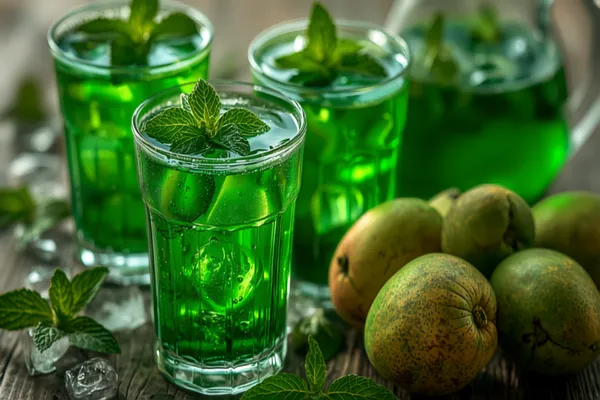
Aam Panna (Raw Green Mango Summer Cooler)
India's tangy, jade-green raw-mango cooler — roasted or boiled green mangoes blended with cumin, black salt and mint. The traditional heat-stroke remedy that tastes like summer.
Pan-Indian (North & West India) · Indian
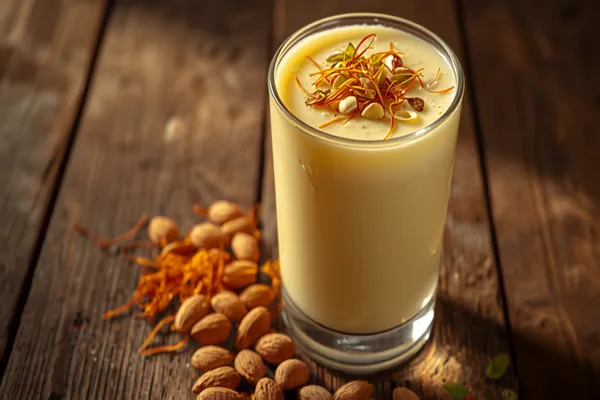
Badam Milk (Saffron Almond Milk)
Milk simmered with a paste of soaked almonds, saffron, cardamom and a whisper of nutmeg — India's rich, fragrant almond drink. Comforting served warm in winter, reviving served chilled in summer, festive any time.
Pan-Indian (Gujarat & West India especially) · Indian
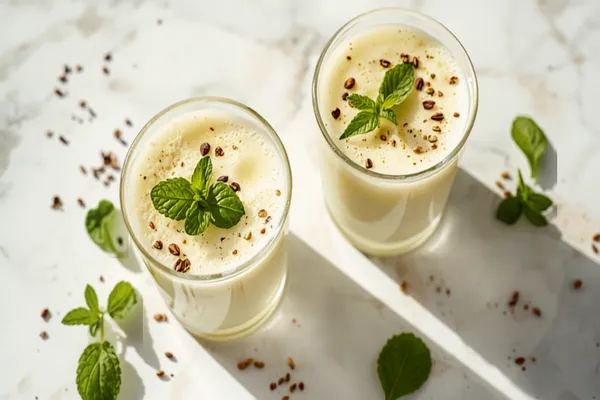
Chaas (Spiced Indian Buttermilk / Masala Chaas)
Whisked yogurt thinned with water and seasoned with cumin, green chilli, ginger and curry leaves — India's cooling, savoury buttermilk. A salty-tangy digestive that beats the heat and settles a heavy meal in two minutes.
From our kitchen community
Ratings & Reviews
My Rating
Tap a star to rate — no sign-in, no form needed.
My Review
0 Ratings
🥣 0 home cooks made it!
Be the first to rate Dal Makhani (Punjabi Black Lentils).
Related Recipes
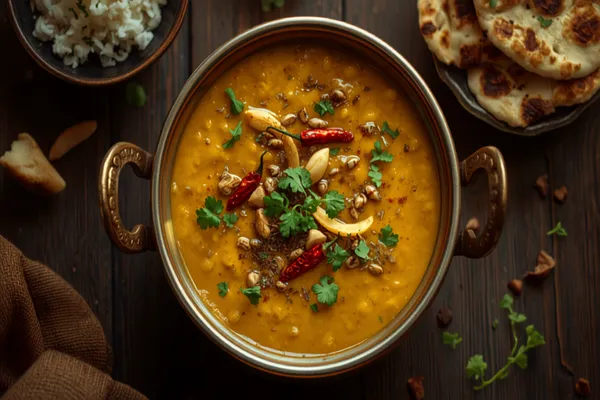
Punjab / North India · Indian
Dal Tadka (Restaurant-Style Tempered Yellow Dal)
The North Indian dhaba classic: soft-simmered toor dal finished with a searing ghee tadka of cumin, garlic and dried red chilli poured over the top. Comforting, protein-rich and on the table in under an hour.
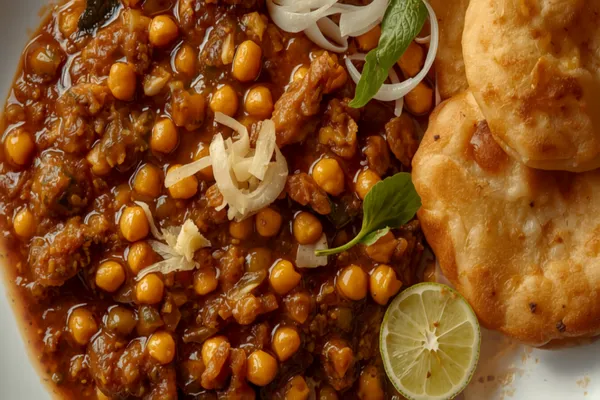
Punjab / Delhi / North India · Indian
Chole Bhature (Punjabi Spiced Chickpeas with Fried Bread)
The North Indian brunch champion: deeply spiced, tangy chole (chickpea curry) paired with bhature — soft, pillowy deep-fried leavened bread. Indulgent, satisfying, and a Delhi-Punjab institution.
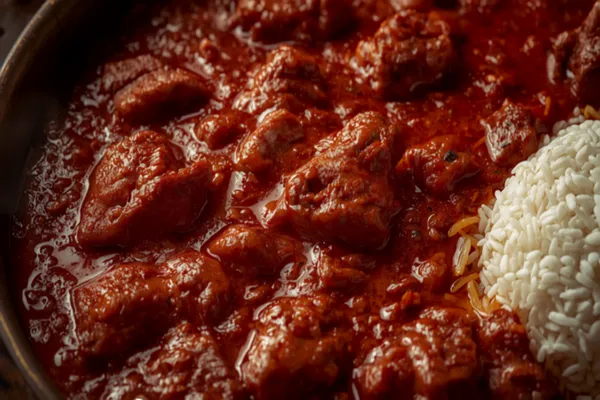
Kashmir / North India · Indian
Kashmiri Rogan Josh (Aromatic Red Lamb Curry)
The Kashmiri Wazwan classic: lamb slow-cooked in a brick-red gravy coloured by Kashmiri chilies and ratan jot, perfumed with fennel, ginger powder, and warm spices — and, in the Pandit style, no onion or garlic. Aromatic, not fiery.
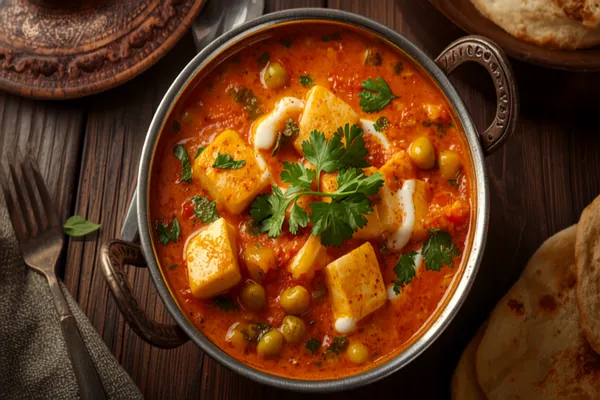
Punjab, North India · Indian
Matar Paneer (Punjabi Peas & Paneer Curry)
Soft paneer and sweet green peas simmered in a silky onion-tomato masala finished with kasuri methi and cream — the North Indian home-and-dhaba classic, rich but not heavy, and ready in under an hour.
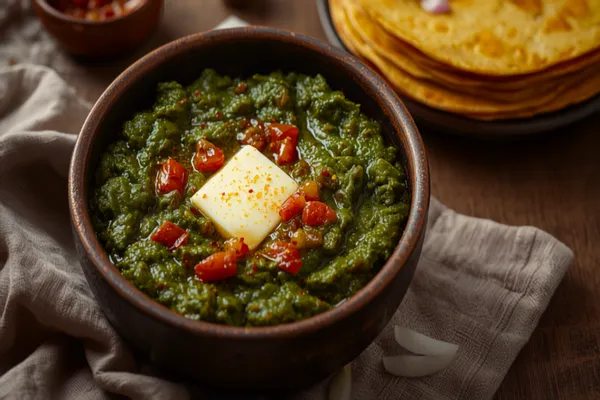
Punjab / North India · Indian
Sarson ka Saag (Punjabi Mustard Greens)
The Punjabi winter classic: mustard greens slow-cooked with spinach and bathua, thickened with cornmeal and finished with a ghee-and-garlic tadka. Earthy, mellow and made for makki di roti.
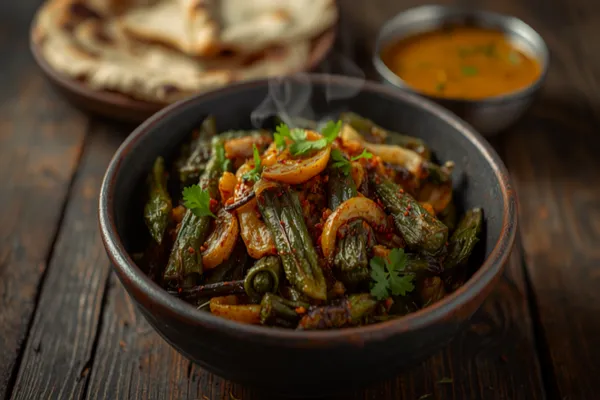
North India (Punjab–Delhi belt) · Indian
Bhindi Masala (Dry North Indian Okra Sabzi)
The North Indian home-kitchen classic: tender okra pan-fried until every trace of slime is gone, then tossed with onions, tomatoes and a bright, amchoor-spiked masala. A non-slimy bhindi masala that stays crisp at the edges.
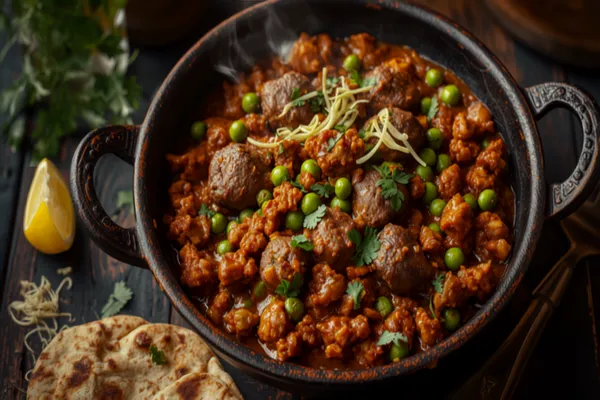
North India (Punjab & the Mughlai belt) · Indian
Keema Matar (Punjabi Minced Lamb with Peas)
The North Indian comfort classic: lamb or mutton mince slow-fried into a deep, spiced masala with sweet green peas. The secret is the bhuna — searing the meat hard until the fat runs and the spices caramelize.