Punjab / North India · Indian
Dal Tadka (Restaurant-Style Tempered Yellow Dal)
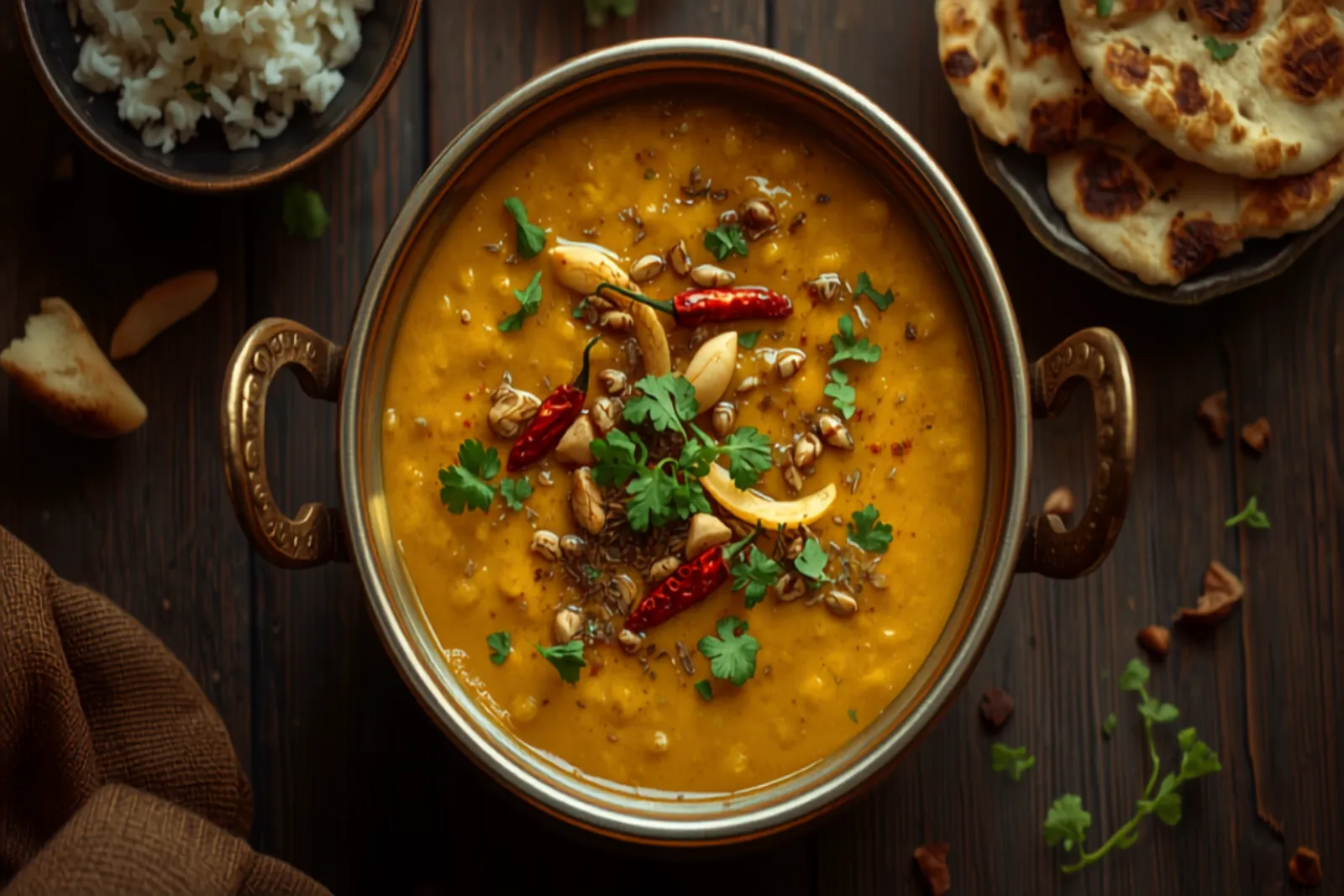
The North Indian dhaba classic: soft-simmered toor dal finished with a searing ghee tadka of cumin, garlic and dried red chilli poured over the top. Comforting, protein-rich and on the table in under an hour.
Published July 14, 2026
Cultural context
Dal tadka is the everyday hero of North Indian dhabas and home kitchens — split pigeon peas simmered soft, then crowned with a tadka (tempering) of spices flash-fried in searing ghee. Its close cousin dal fry stirs a sautéed onion-tomato masala through the lentils; dal tadka keeps the tempering as a separate, dramatic layer poured over the top at the table.
Dal tadka is the dish that quietly holds North Indian cooking together — a bowl of soft-simmered toor dal finished with a searing tempering of ghee, cumin, garlic and dried red chilli. It’s what a Punjabi dhaba ladles out beside a stack of hot rotis at midnight and what turns up on the family table any given weeknight. Nothing about it is fussy, yet done properly it’s one of the most comforting things you can cook.
The dal is only half the dish
Get the lentils genuinely soft. Toor dal should be cooked until it collapses and can be whisked into a loose, creamy base — a grainy, underdone dal never tastes right no matter how good your tadka is. Rinse the raw dal until the water runs clear to wash off surface starch, which keeps it from foaming over and gives a cleaner flavour. Keep the consistency slightly looser than you think you want; it tightens as it rests.
Tadka is theatre with a purpose
The tempering is where dal tadka earns its name. Heat the ghee until it genuinely shimmers, crackle the cumin, then let the garlic go pale gold — not brown — before the onion and ginger soften down. Pull the pan off the heat before the ground spices go in so the chilli powder blooms in the fat instead of scorching. When you pour it over the hot dal it should hiss loudly: that sizzle is the aromatic oils flashing into the lentils, the exact flavour you’d cook away if you simmered them together.
Ghee, and the optional smoke
Ghee is non-negotiable for that dhaba aroma, though a neutral oil makes a respectable vegan version. If you want the smoky edge some restaurants are known for, finish with the dhungar method — a glowing coal and a few drops of ghee trapped under a lid for a couple of minutes.
Serve it hot with rice or naan and pair it with a rich dal makhani or rajma when you want a fuller North Indian spread. More technique and pantry notes in the North Indian cooking guide.
Ingredients
For the dal
- 1 cup (200 g) toor dal (arhar / split pigeon peas) Rinsed until the water runs clear. A handful of masoor (red) or moong dal can replace up to a quarter for a silkier body.
- 3 cups (720 ml) water Plus more to loosen at the end.
- 1/2 tsp ground turmeric
- 1 small tomato, chopped Optional, for a gentle tang as the dal cooks.
- 1 tsp salt Adjust to taste at the end.
- 1 tsp cumin seeds
- 1 pinch asafoetida (hing) Skip for strictly gluten-free; most hing is cut with wheat flour, so use a compounded gluten-free brand.
- 6 cloves garlic, thinly sliced
- 1 small onion, finely chopped
- 1-inch piece ginger, julienned
- 2–3 dried red Kashmiri chillies Broken in half; colour without fierce heat.
- 1 green chilli, slit
- 1/2 tsp Kashmiri red chilli powder
- 1/2 tsp garam masala
- 2 tbsp fresh coriander, chopped
- 1 tsp lemon juice, or to taste
For the tadka (tempering)
- 3 tbsp ghee Ghee is what gives dhaba dal its aroma; use a good cultured ghee. Neutral oil works for a vegan version.
Method
Tap a step’s number to check it off as you go.
-
Rinse the toor dal in several changes of water until it runs clear, then pressure-cook it with the water, turmeric, chopped tomato and a splash of oil for 4–5 whistles (or simmer in a pot 30–40 min) until completely soft and collapsing.
Why: Washing out the surface starch stops the dal foaming over and gives a cleaner taste; the dal must be soft enough to whisk smooth, because a grainy dal never tastes 'restaurant-style'.
-
Whisk or mash the cooked dal to a loose, creamy consistency, stir in the salt, and add hot water until it pours easily off the spoon. Keep it warm.
Why: Dal thickens fast as it sits — you want it slightly looser than final, since the hot tadka and resting will tighten it.
-
Make the tadka: heat the ghee in a small pan until shimmering, add the cumin and let it crackle, then add the asafoetida, garlic, ginger and dried red chillies and fry until the garlic is pale gold.
Why: The ghee has to be genuinely hot so the whole spices bloom rather than stew; garlic taken to pale gold (not brown) is sweet and nutty, the backbone of the tempering.
-
Add the onion and green chilli and cook until the onion softens and turns light golden, 3–4 minutes. Pull the pan off the heat and stir in the Kashmiri chilli powder and garam masala.
Why: Taking the pan off the heat before the ground spices go in keeps the chilli powder from scorching in the fat, which would turn it bitter and dull the colour.
-
Pour the sizzling tadka over the hot dal — it should hiss dramatically. Stir most of it through, leaving a little pooled on top, then finish with coriander and lemon juice.
Why: Adding the tempering at the very end preserves its aroma; the theatrical sizzle is the tadka's volatile oils flashing into the dal, which is exactly the flavour you'd lose by cooking them longer.
A quick, anonymous tap — no review needed.
Variations
- Vegan
Swap the ghee for a neutral oil or vegan butter; the dish is otherwise fully plant-based and loses little of its character.
- Dhungar (smoked)
For a smoky dhaba edge, sit a small steel bowl on the finished dal, add a glowing piece of charcoal and a few drops of ghee, and cover for 2 minutes to trap the smoke before serving.
- Mixed dal
Replace a quarter of the toor with moong and masoor dal for a silkier, faster-cooking body — a common home-kitchen tweak.
Serving & Storage
Serve piping hot with steamed basmati rice or jeera rice and hot rotis or naan, with a raw onion-and-lime salad and a spoon of pickle alongside.
Pairs with: Steamed basmati rice, Naan, Aloo paratha, Kachumber salad.
Storage: Keeps 3 days refrigerated; it thickens as it sits, so loosen with hot water and refresh with a quick spoonful of fresh tadka when reheating. Freezes well for up to a month.
Nutrition
Per serving (1 bowl (about 1.5 cups))
- Calories
- 260
- Protein
- 12 g
- Carbs
- 30 g
- Fat
- 10 g
- Fiber
- 8 g
- Sugar
- 3 g
- Sodium
- 610 mg
Notable micronutrients: Iron, Folate, Potassium, Magnesium
Estimated using standard ingredient data. Values vary with brands and substitutions.
Frequently Asked Questions
What is the difference between dal tadka and dal fry?
Both start from the same tempered lentils, but in dal fry the onion-tomato masala is sautéed first and the cooked dal is stirred into it, so the flavours are fully blended and it's usually a touch richer. Dal tadka keeps the tempering as a distinct final layer, flash-fried in hot ghee and poured over the top so you get that dramatic sizzle and a fresher hit of spice.
Do I need a pressure cooker?
No. A pressure cooker is fastest (4–5 whistles), but you can simmer toor dal in an open pot for 30–40 minutes, topping up with hot water, until it's completely soft and easy to whisk smooth. Soaking the dal for 30 minutes first shortens the cooking time either way.
Which dal is best for dal tadka?
Toor dal (arhar / split pigeon peas) is the classic North Indian choice for its earthy body. Many cooks mix in a little moong or masoor dal for a smoother, creamier finish and slightly quicker cooking.
What to drink with this
All drinks →Hand-picked pours to match this dish.
North & West India (peak-summer drink across the subcontinent) · Indian
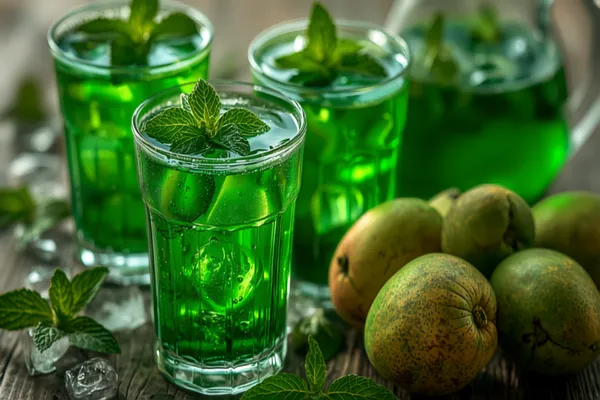
Aam Panna (Raw Green Mango Summer Cooler)
India's tangy, jade-green raw-mango cooler — roasted or boiled green mangoes blended with cumin, black salt and mint. The traditional heat-stroke remedy that tastes like summer.
Pan-Indian (North & West India) · Indian
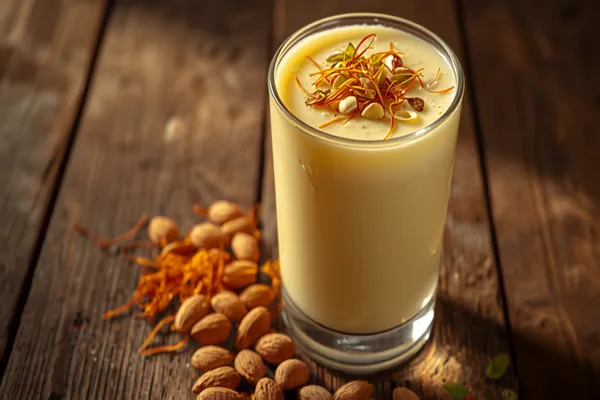
Badam Milk (Saffron Almond Milk)
Milk simmered with a paste of soaked almonds, saffron, cardamom and a whisper of nutmeg — India's rich, fragrant almond drink. Comforting served warm in winter, reviving served chilled in summer, festive any time.
Pan-Indian (Gujarat & West India especially) · Indian
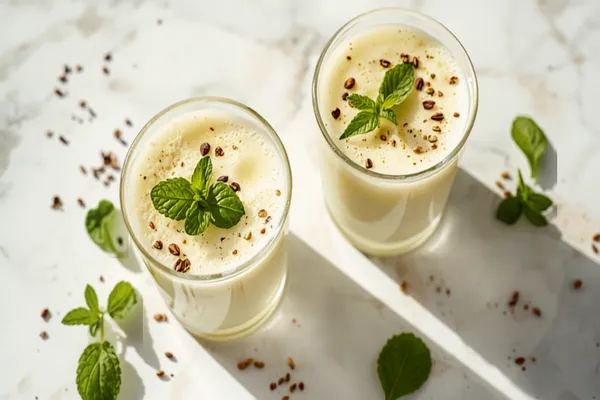
Chaas (Spiced Indian Buttermilk / Masala Chaas)
Whisked yogurt thinned with water and seasoned with cumin, green chilli, ginger and curry leaves — India's cooling, savoury buttermilk. A salty-tangy digestive that beats the heat and settles a heavy meal in two minutes.
From our kitchen community
Ratings & Reviews
My Rating
Tap a star to rate — no sign-in, no form needed.
My Review
0 Ratings
🥣 0 home cooks made it!
Be the first to rate Dal Tadka (Restaurant-Style Tempered Yellow Dal).
Related Recipes
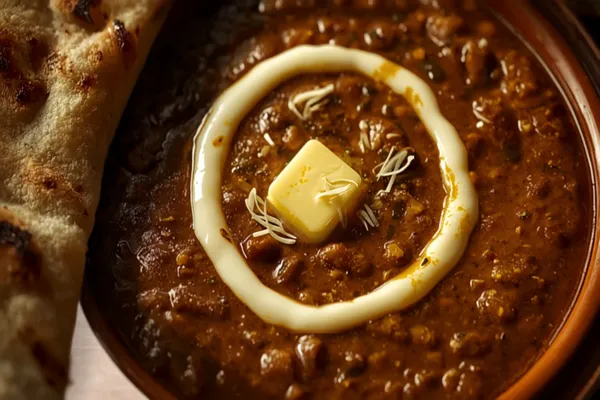
Punjab / North India · Indian
Dal Makhani (Punjabi Black Lentils)
The slow-simmered Punjabi classic: whole black urad and kidney beans cooked for hours into a velvety, smoky, buttery dal. Restaurant-rich at home — the patience is the recipe.
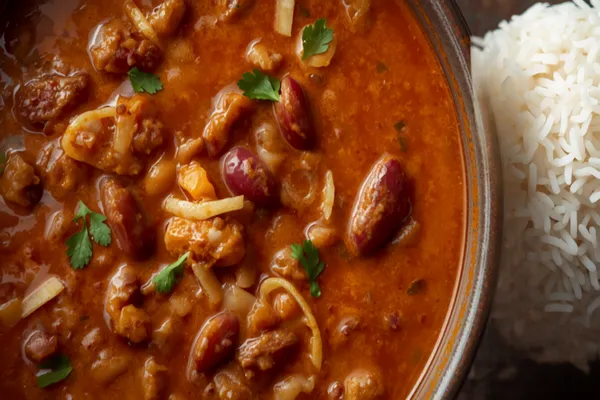
Punjab / North India · Indian
Rajma (Punjabi Red Kidney Bean Curry)
North India's ultimate comfort food: red kidney beans simmered low and slow in a deeply spiced onion-tomato gravy until creamy and rich. Served over rice as rajma-chawal, it's the Sunday lunch a whole region grew up on.
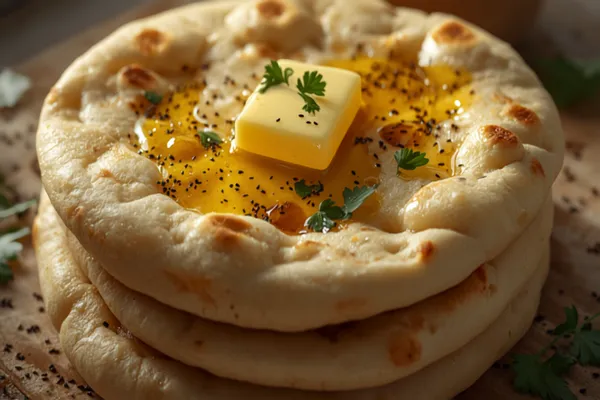
North India (via Persia and Central Asia) · Indian
Naan (Soft Leavened Flatbread)
The pillowy, blistered flatbread of North Indian restaurants — made at home on a hot skillet or under the broiler, no tandoor required. Soft, chewy, and brushed with butter.
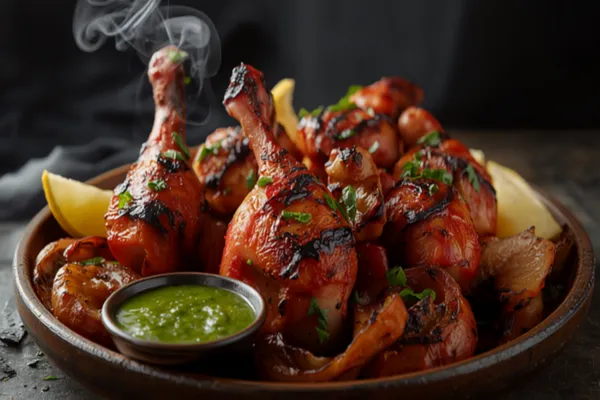
Punjab / Delhi / North India · Indian
Tandoori Chicken
The smoky, scarlet-edged chicken that launched a thousand restaurant menus: yogurt-and-spice marinated, charred hard, and finished with butter and lemon. A home oven or grill stands in for the tandoor.
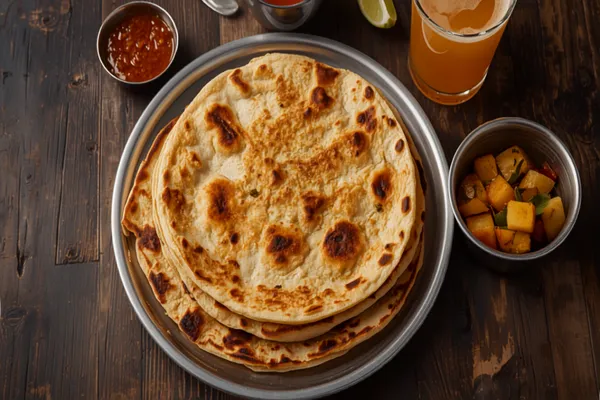
Peninsular Malaysia — the mamak stalls of Penang, Kuala Lumpur and the Klang Valley, with the same bread sold across the causeway in Singapore as roti prata · Malaysian
Roti Canai (Malaysian Mamak Flatbread with Kuah Dhal)
The flaky, layered flatbread of Malaysia's mamak stalls: a soft enriched dough rested overnight, stretched translucent and coiled, griddled in ghee until it shatters, then clapped between the palms to open its layers — served with a thin, fragrant kuah dhal.
Further reading
- Cultural Story · North IndiaA Complete Guide to North Indian CookingThe cuisine the world knows best — and understands least. From Punjab's tandoor and dairy to Kashmir's aromatic Wazwan and Awadh's courtly kebabs, a guide to North India's regions, techniques, and where to begin.
- Ingredient Deep DiveThe Indian Spice Pantry: A Beginner's MapYou don't need a hundred spices to cook Indian food — you need a dozen, and the know-how to use them. A practical guide to the essential Indian spices, what each does, and the techniques (tadka, bhuna, dry-roasting) that unlock them.