North India (via Persia and Central Asia) · Indian
Naan (Soft Leavened Flatbread)
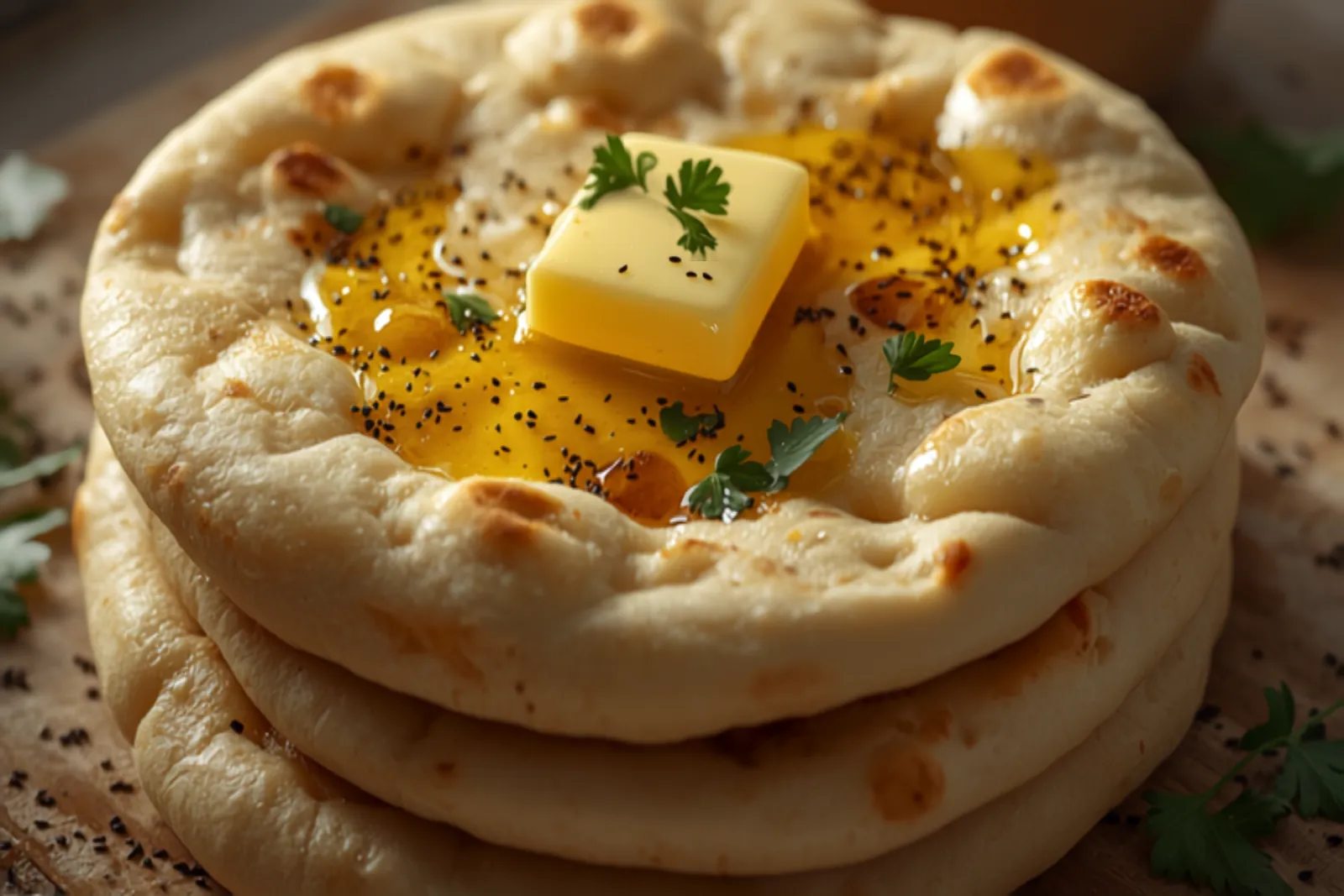
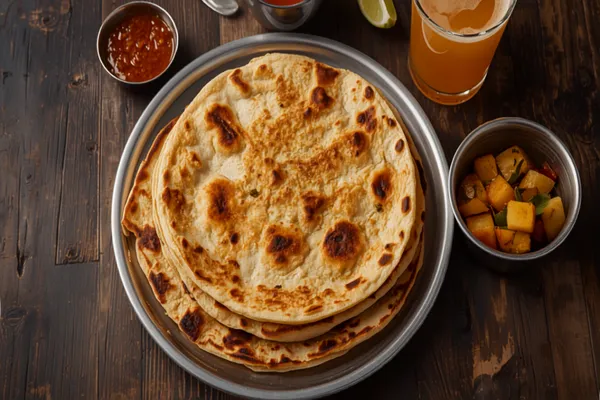
The pillowy, blistered flatbread of North Indian restaurants — made at home on a hot skillet or under the broiler, no tandoor required. Soft, chewy, and brushed with butter.
Published July 19, 2026
Cultural context
Naan — the word simply means 'bread' in Persian — came to the subcontinent through Persian and Central Asian influence and flourished in the Mughal courts and the tandoors of the northwest. Unlike everyday whole-wheat roti, naan is a leavened, enriched bread, historically a restaurant and special-occasion bread because it needs a tandoor's fierce heat.
Naan is the soft, blistered, butter-brushed flatbread that defines a North Indian restaurant table — and the good news is you don’t need a tandoor to make it. A leavened, enriched bread (the word is simply Persian for “bread”), naan came to the subcontinent through Persian and Mughal kitchens and became the special-occasion partner to rich gravies.
Soft dough, proper proof
Unlike everyday whole-wheat roti, naan is enriched with yogurt, milk and a little fat, and leavened so it bakes up pillowy. The dough should be soft and slightly sticky, and given a proper proof until doubled — that’s what gives the airy, chewy crumb.
The skillet-and-flame trick
The clever bit is mimicking the tandoor. Brush one side of the rolled naan with water and slap it water-side down onto a screaming-hot cast-iron pan; the water makes it cling. Once the bottom blisters, flip the whole pan over the flame (or slide it under a broiler) so the top chars directly. You get genuine tandoor-style puff and spots on a home stove.
Butter, always
Brush it generously with melted butter or ghee the moment it comes off the heat — that’s what keeps it soft and gives the glossy finish. Add garlic and coriander for garlic naan, and serve hot with butter chicken, dal makhani or palak paneer. More in the guide to North Indian cooking.
Ingredients
- 2.5 cups all-purpose flour (maida)
- 1 tsp instant yeast Or use 1/2 tsp baking powder + 1/4 tsp baking soda for a yeast-free version.
- 1 tsp sugar
- 1/2 cup warm milk
- 1/4 cup plain yogurt Yogurt is what gives naan its signature soft, slightly tangy chew.
- 2 tbsp oil or melted ghee
- 3/4 tsp salt
- warm water as needed to bind
To finish
- melted butter or ghee, nigella seeds (kalonji), chopped coriander, minced garlic (optional)
Method
Tap a step’s number to check it off as you go.
-
Activate the yeast in warm milk with sugar, then mix with flour, yogurt, oil and salt. Knead into a soft, smooth, slightly sticky dough, adding warm water as needed. Cover and proof 1–1.5 hours until doubled.
Why: A soft, well-proofed dough is what makes naan light and pillowy rather than dense. Yogurt and milk enrich it and feed the rise.
-
Divide into 6 balls. Roll each into a teardrop or oval, not too thin, and press nigella seeds and coriander into the surface.
Why: Rolling to a medium thickness leaves room for the bread to puff; the teardrop shape is traditional and the seeds give the classic look and aroma.
-
Heat a cast-iron skillet until very hot. Brush one side of the naan with water, then slap it water-side down onto the pan so it sticks.
Why: The water makes the dough cling to the hot surface — mimicking how naan sticks to a tandoor wall — so it can puff and blister without falling off.
-
When bubbles form (about 1 minute), flip the pan upside down over the flame (or move it under a broiler) so the top side chars directly. Then remove and brush generously with butter.
Why: Direct flame on the top gives the blistered, charred spots of tandoor naan. The butter brush at the end is the restaurant finish that keeps it soft and glossy.
A quick, anonymous tap — no review needed.
Variations
- Garlic naan
Press minced garlic and coriander into the dough before cooking and brush with garlic butter after.
- Butter naan
Skip the seeds and brush twice with melted butter for the plush, plain restaurant naan.
- Yeast-free
Use baking powder and soda instead of yeast for a quicker naan; rest the dough 30 minutes and cook the same way.
Serving & Storage
Serve hot, straight off the pan, brushed with butter, to scoop up rich gravies. It's the natural partner to butter chicken, dal makhani and paneer dishes.
Pairs with: Butter chicken, Dal makhani, Palak paneer, Tandoori chicken.
Storage: Best fresh and warm. Keeps a day wrapped in a cloth; reheat on a hot pan or in foil in the oven. Freezes well — reheat directly from frozen.
Nutrition
Per serving (1 naan)
- Calories
- 260
- Protein
- 7 g
- Carbs
- 42 g
- Fat
- 7 g
- Fiber
- 2 g
- Sugar
- 3 g
- Sodium
- 320 mg
Notable micronutrients: Calcium, Iron
Estimated using standard ingredient data. Values vary with brands and substitutions.
Frequently Asked Questions
Can I make naan without a tandoor?
Yes — that's the whole point of this method. A screaming-hot cast-iron skillet flipped over the flame (or moved under a broiler) gives you the puff and char of tandoor naan on a home stove.
Why brush the naan with water before cooking?
The water makes the dough stick to the hot skillet, just as naan sticks to a tandoor's clay wall. That lets it puff and blister on the bottom while the top cooks, without sliding around.
Can I make naan without yeast?
Yes. Use baking powder and a little baking soda with the yogurt for lift. It's faster and still soft, though yeasted naan has a slightly more complex flavour and chew.
What to drink with this
All drinks →Hand-picked pours to match this dish.

North & West India (peak-summer drink across the subcontinent) · Indian
Aam Panna (Raw Green Mango Summer Cooler)
India's tangy, jade-green raw-mango cooler — roasted or boiled green mangoes blended with cumin, black salt and mint. The traditional heat-stroke remedy that tastes like summer.
Pan-Indian (North & West India) · Indian
Badam Milk (Saffron Almond Milk)
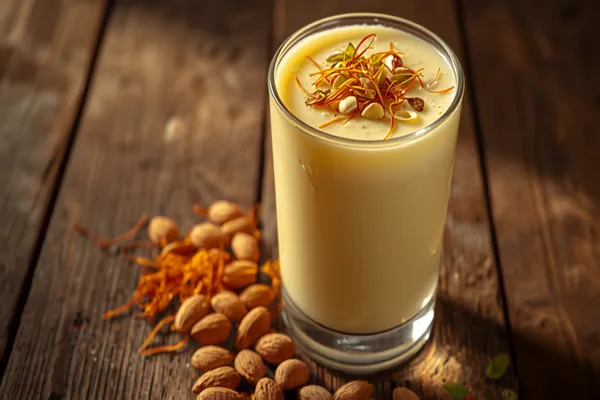
Milk simmered with a paste of soaked almonds, saffron, cardamom and a whisper of nutmeg — India's rich, fragrant almond drink. Comforting served warm in winter, reviving served chilled in summer, festive any time.
Pan-Indian (Gujarat & West India especially) · Indian
Chaas (Spiced Indian Buttermilk / Masala Chaas)
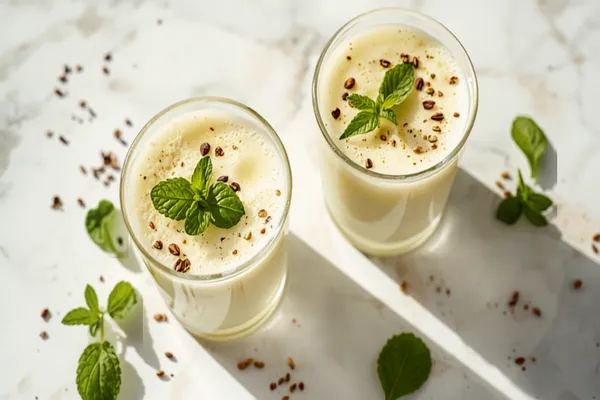
Whisked yogurt thinned with water and seasoned with cumin, green chilli, ginger and curry leaves — India's cooling, savoury buttermilk. A salty-tangy digestive that beats the heat and settles a heavy meal in two minutes.
From our kitchen community
Ratings & Reviews
My Rating
Tap a star to rate — no sign-in, no form needed.
My Review
0 Ratings
🥣 0 home cooks made it!
Be the first to rate Naan (Soft Leavened Flatbread).
Related Recipes
Delhi / North India · Indian
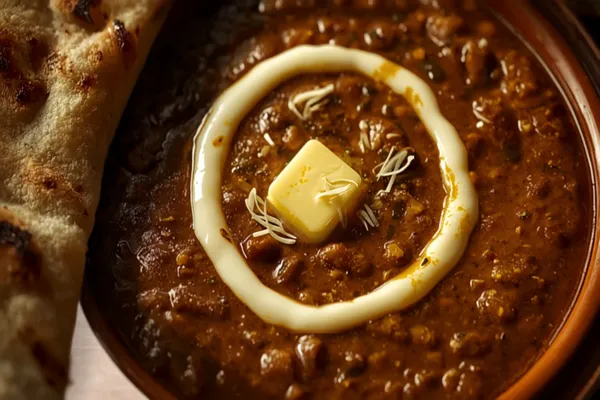
Butter Chicken (Murgh Makhani)
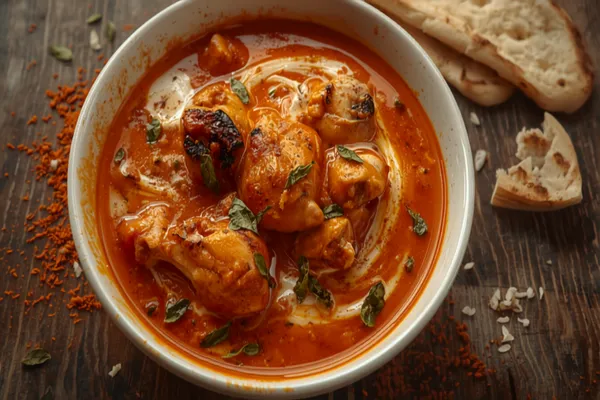
Delhi's restaurant icon: tandoori-marinated chicken simmered in a silky tomato gravy finished with butter and cream. Mildly spiced, faintly sweet, and built for scooping with naan.
Punjab / North India · Indian
Dal Makhani (Punjabi Black Lentils)
The slow-simmered Punjabi classic: whole black urad and kidney beans cooked for hours into a velvety, smoky, buttery dal. Restaurant-rich at home — the patience is the recipe.
Punjab / North India · Indian
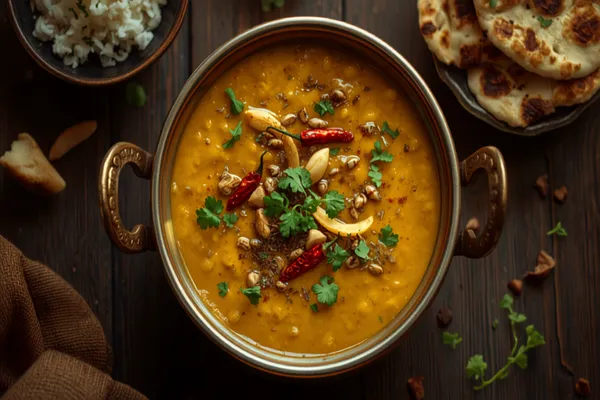
Dal Tadka (Restaurant-Style Tempered Yellow Dal)
The North Indian dhaba classic: soft-simmered toor dal finished with a searing ghee tadka of cumin, garlic and dried red chilli poured over the top. Comforting, protein-rich and on the table in under an hour.
Punjab / North India · Indian
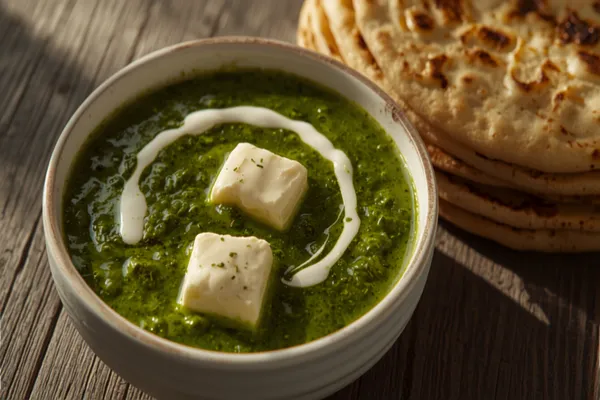
Palak Paneer (Spinach and Paneer Curry)
North India's beloved greens-and-cheese curry: soft paneer cubes in a bright, gently spiced spinach gravy. Vegetarian, quick, and a benchmark of a good home kitchen.
Punjab, North India · Indian
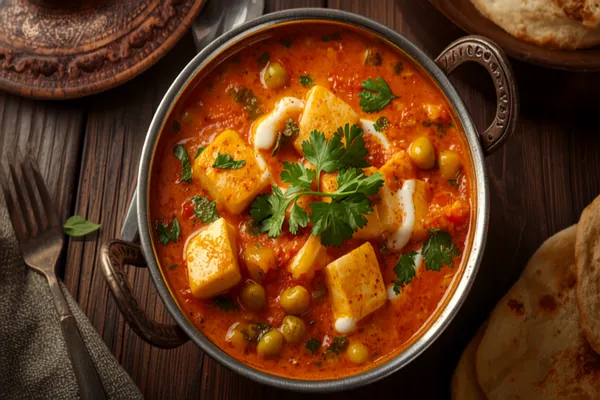
Matar Paneer (Punjabi Peas & Paneer Curry)
Soft paneer and sweet green peas simmered in a silky onion-tomato masala finished with kasuri methi and cream — the North Indian home-and-dhaba classic, rich but not heavy, and ready in under an hour.
Peninsular Malaysia — the mamak stalls of Penang, Kuala Lumpur and the Klang Valley, with the same bread sold across the causeway in Singapore as roti prata · Malaysian
Roti Canai (Malaysian Mamak Flatbread with Kuah Dhal)
The flaky, layered flatbread of Malaysia's mamak stalls: a soft enriched dough rested overnight, stretched translucent and coiled, griddled in ghee until it shatters, then clapped between the palms to open its layers — served with a thin, fragrant kuah dhal.