Delhi / North India · Indian
Butter Chicken (Murgh Makhani)
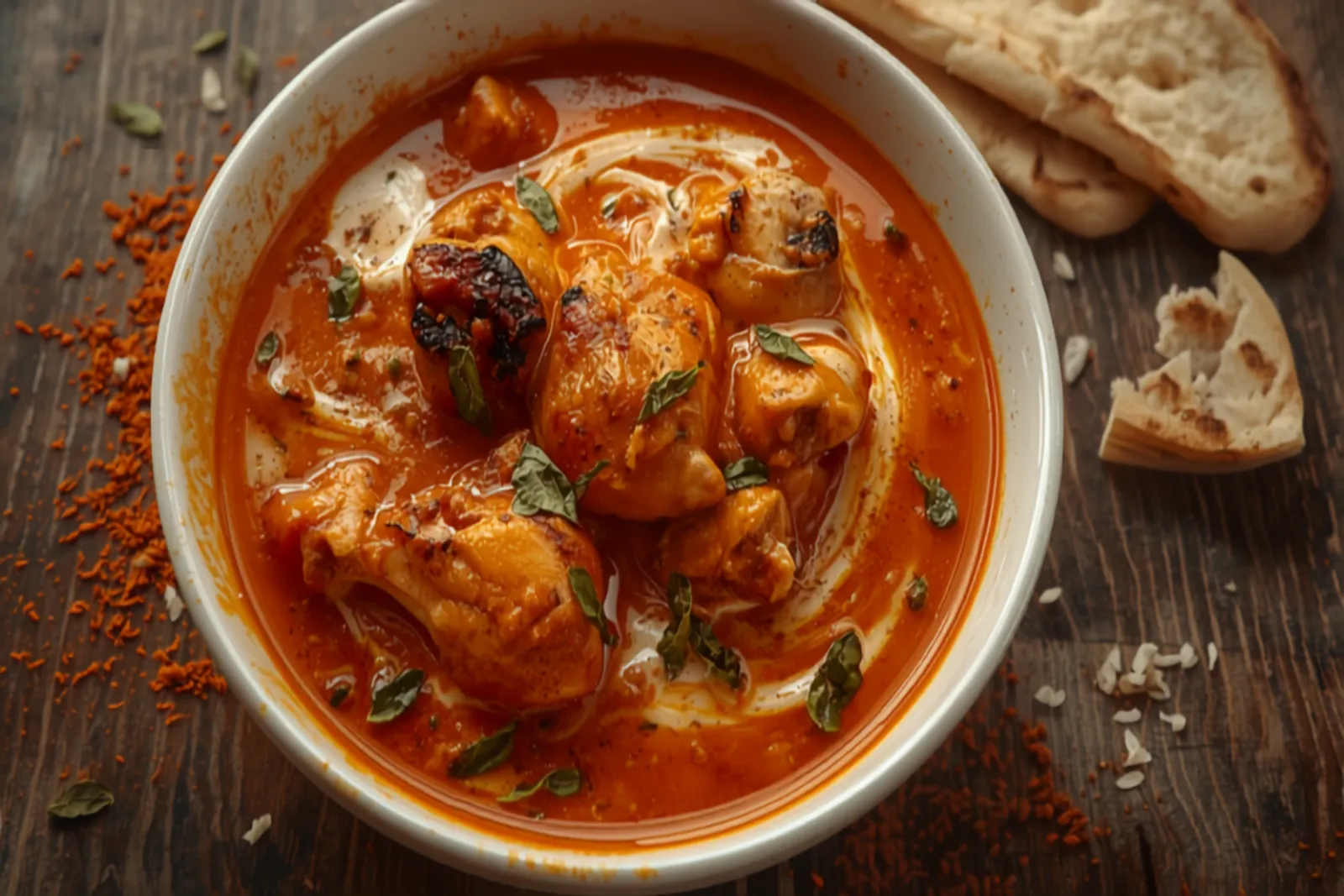
Delhi's restaurant icon: tandoori-marinated chicken simmered in a silky tomato gravy finished with butter and cream. Mildly spiced, faintly sweet, and built for scooping with naan.
Published July 15, 2026
Cultural context
Butter chicken was invented in the 1950s at Moti Mahal in Delhi, where cooks tossed leftover tandoori chicken into a gravy of tomatoes, butter and cream to keep it from drying out. It became the defining dish of Punjabi restaurant cuisine and, later, one of India's most famous exports.
Butter chicken, or murgh makhani, is the dish that taught the world what a North Indian restaurant tastes like. Born at Delhi’s Moti Mahal in the 1950s as a way to rescue leftover tandoori chicken, it pairs smoky charred meat with a smooth, butter-and-cream-enriched tomato gravy that’s mild, faintly sweet, and irresistible with naan.
The char comes first
The single most-skipped step in home versions is the char. Butter chicken began as cooked tandoori chicken folded into gravy, so the meat should carry browned, slightly smoky edges before it ever meets the sauce. Grill it, blast it under a hot broiler, or sear it hard in a pan — just don’t poach it pale.
A gravy you can see through a sieve
Restaurant butter chicken is famous for its velvet texture, and the trick is simple: simmer tomatoes, onion and soaked cashews until soft, blend completely smooth, then pass it through a sieve. The cashews give body and the gentle sweetness; sieving removes every fibre. Cooked down in butter until it glistens, then finished with cream, sugar and crushed kasuri methi, it becomes the gravy everyone recognises.
Balance, not heat
This is a deliberately mild dish — the magic is in balance, with sugar tempering the tomato’s acidity and kasuri methi lending its signature aroma. For the vegetarian table, the same gravy makes a beautiful paneer makhani; serve either with fresh naan, and read more in the guide to North Indian cooking.
Ingredients
For the chicken marinade
- 700 g boneless chicken thighs, cut into large pieces Thighs stay juicy; the classic uses tandoori chicken, so dark meat is traditional.
- 1/2 cup thick yogurt
- 1 tbsp ginger-garlic paste
- 1 tsp red chili powder (Kashmiri), 1/2 tsp turmeric, 1 tsp garam masala, salt
- 1 tbsp lemon juice
For the gravy
- 5 ripe tomatoes, roughly chopped Or one 400 g can of whole tomatoes for consistency year-round.
- 1 onion, roughly chopped
- 10 cashews The secret to the silky body and faint sweetness; soak in hot water 10 min.
- 1 tbsp ginger-garlic paste
- 4 tbsp butter
- 1/2 cup cream
- 1 tsp Kashmiri chili powder, 1 tsp garam masala, 1 tsp dried fenugreek leaves (kasuri methi), 1 tsp sugar, salt
Method
Tap a step’s number to check it off as you go.
-
Marinate the chicken in yogurt, ginger-garlic, spices and lemon for at least 1 hour. Then char it — under a hot grill, in a very hot oven, or seared hard in a pan — until just cooked with browned edges.
Why: The marinade tenderises and seasons; the char is non-negotiable, because that smoky, browned surface is what makes butter chicken taste of the tandoor rather than of plain stewed chicken.
-
Simmer the tomatoes, onion, cashews and ginger-garlic with a little water until very soft, about 15 minutes. Cool, then blend to a completely smooth purée and pass through a sieve.
Why: Blending and sieving is what gives restaurant butter chicken its signature velvet texture. Cashews thicken the gravy and add the gentle richness the dish is known for.
-
Melt the butter, add the chili powder, then pour in the smooth purée and cook on medium for 10–15 minutes until it thickens and the butter rises to the surface.
Why: Cooking the purée down concentrates the tomato and lets the raw edge cook off; the butter separating is the visual cue that the gravy is ready.
-
Stir in cream, sugar, garam masala and crushed kasuri methi, then add the charred chicken and simmer 5 minutes. Adjust salt and finish with a knob of butter.
Why: Sugar balances the tomato's acidity, kasuri methi gives the unmistakable aroma, and a final knob of butter is the dish's namesake gloss.
A quick, anonymous tap — no review needed.
Variations
- Paneer makhani
Swap the chicken for pan-seared paneer cubes for a vegetarian version in the same gravy.
- Lighter
Use half the cream and finish with a little whole milk; the cashews keep the body without as much richness.
- Spicier
Add a slit green chili to the gravy and a touch more chili powder — though the classic is deliberately mild.
Serving & Storage
Serve with naan or butter naan for scooping, or with jeera rice. A squeeze of lemon and a swirl of cream on top is the restaurant finish.
Pairs with: Naan, Jeera rice, Garlic naan, Cucumber raita.
Storage: Keeps 3 days refrigerated and freezes well (the gravy especially). Reheat gently so the cream doesn't split; loosen with a splash of water or milk.
Nutrition
Per serving (1 serving)
- Calories
- 520
- Protein
- 34 g
- Carbs
- 16 g
- Fat
- 37 g
- Fiber
- 3 g
- Sugar
- 9 g
- Sodium
- 720 mg
Notable micronutrients: Vitamin A, Vitamin C, Calcium
Estimated using standard ingredient data. Values vary with brands and substitutions.
Frequently Asked Questions
What's the difference between butter chicken and chicken tikka masala?
Butter chicken (murgh makhani) is the Delhi original — a smooth, mild, tomato-cream gravy built to revive leftover tandoori chicken. Chicken tikka masala is the British-Indian dish that grew out of it, usually a bit spicier and more onion-forward. They're cousins, and the lines blur from kitchen to kitchen.
Can I make it without cashews?
Yes, but the gravy will be thinner. Cashews add body and the characteristic faint sweetness. Substitutes include a little extra cream, blanched almonds, or a spoon of melon-seed paste (magaz).
How do I get the restaurant colour without artificial dye?
Use Kashmiri red chili powder, which is mild but deeply red, and let the butter and tomato cook down properly. Restaurant versions sometimes add colour, but ripe tomatoes plus Kashmiri chili get you a beautiful natural orange-red.
What to drink with this
All drinks →Hand-picked pours to match this dish.
Punjab / North India (lassi heartland) · Indian
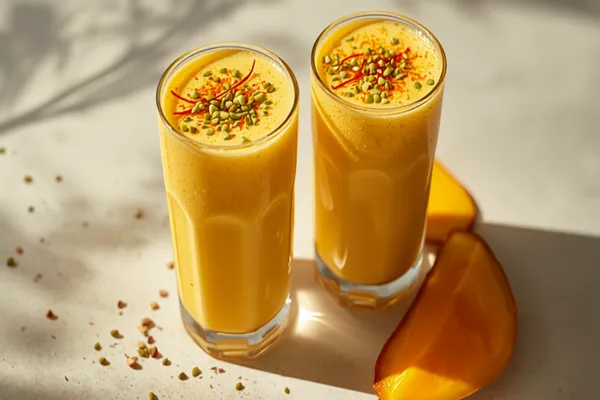
Mango Lassi (Yogurt and Mango Drink)
The creamy, cooling mango-and-yogurt drink of North Indian summers and restaurant menus everywhere. Three ingredients, two minutes, and a little cardamom.
North & West India (peak-summer drink across the subcontinent) · Indian
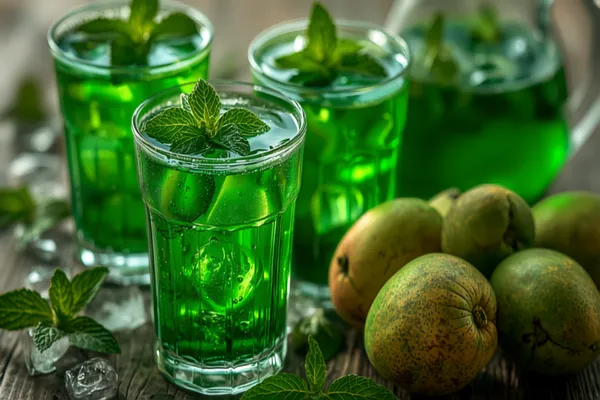
Aam Panna (Raw Green Mango Summer Cooler)
India's tangy, jade-green raw-mango cooler — roasted or boiled green mangoes blended with cumin, black salt and mint. The traditional heat-stroke remedy that tastes like summer.
Pan-Indian (North & West India) · Indian
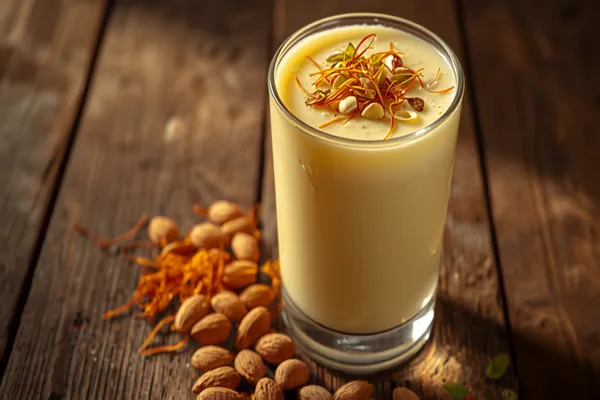
Badam Milk (Saffron Almond Milk)
Milk simmered with a paste of soaked almonds, saffron, cardamom and a whisper of nutmeg — India's rich, fragrant almond drink. Comforting served warm in winter, reviving served chilled in summer, festive any time.
From our kitchen community
Ratings & Reviews
My Rating
Tap a star to rate — no sign-in, no form needed.
My Review
0 Ratings
🥣 0 home cooks made it!
Be the first to rate Butter Chicken (Murgh Makhani).
Related Recipes
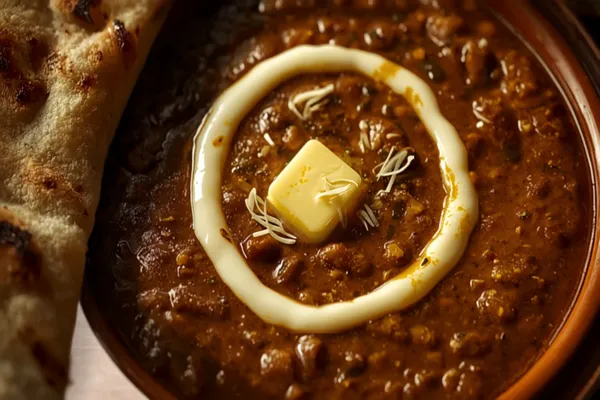
Punjab / North India · Indian
Dal Makhani (Punjabi Black Lentils)
The slow-simmered Punjabi classic: whole black urad and kidney beans cooked for hours into a velvety, smoky, buttery dal. Restaurant-rich at home — the patience is the recipe.
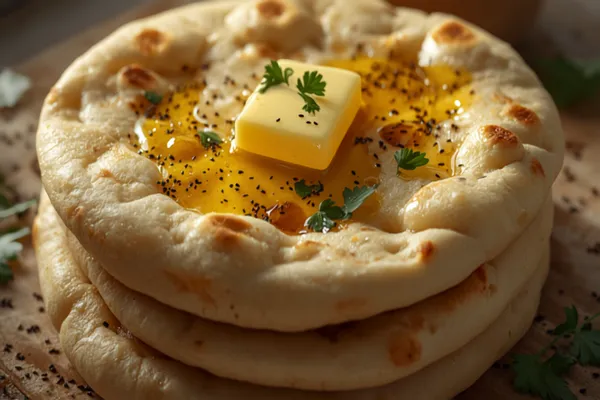
North India (via Persia and Central Asia) · Indian
Naan (Soft Leavened Flatbread)
The pillowy, blistered flatbread of North Indian restaurants — made at home on a hot skillet or under the broiler, no tandoor required. Soft, chewy, and brushed with butter.
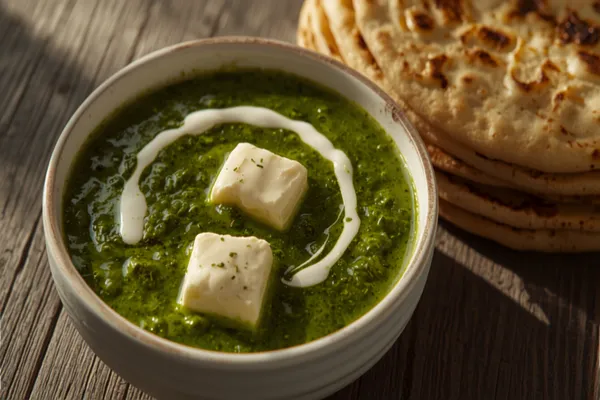
Punjab / North India · Indian
Palak Paneer (Spinach and Paneer Curry)
North India's beloved greens-and-cheese curry: soft paneer cubes in a bright, gently spiced spinach gravy. Vegetarian, quick, and a benchmark of a good home kitchen.
Further reading
- Cultural Story · North IndiaA Complete Guide to North Indian CookingThe cuisine the world knows best — and understands least. From Punjab's tandoor and dairy to Kashmir's aromatic Wazwan and Awadh's courtly kebabs, a guide to North India's regions, techniques, and where to begin.
- Ingredient Deep DiveThe Indian Spice Pantry: A Beginner's MapYou don't need a hundred spices to cook Indian food — you need a dozen, and the know-how to use them. A practical guide to the essential Indian spices, what each does, and the techniques (tadka, bhuna, dry-roasting) that unlock them.