North India (Punjab–Delhi belt) · Indian
Bhindi Masala (Dry North Indian Okra Sabzi)
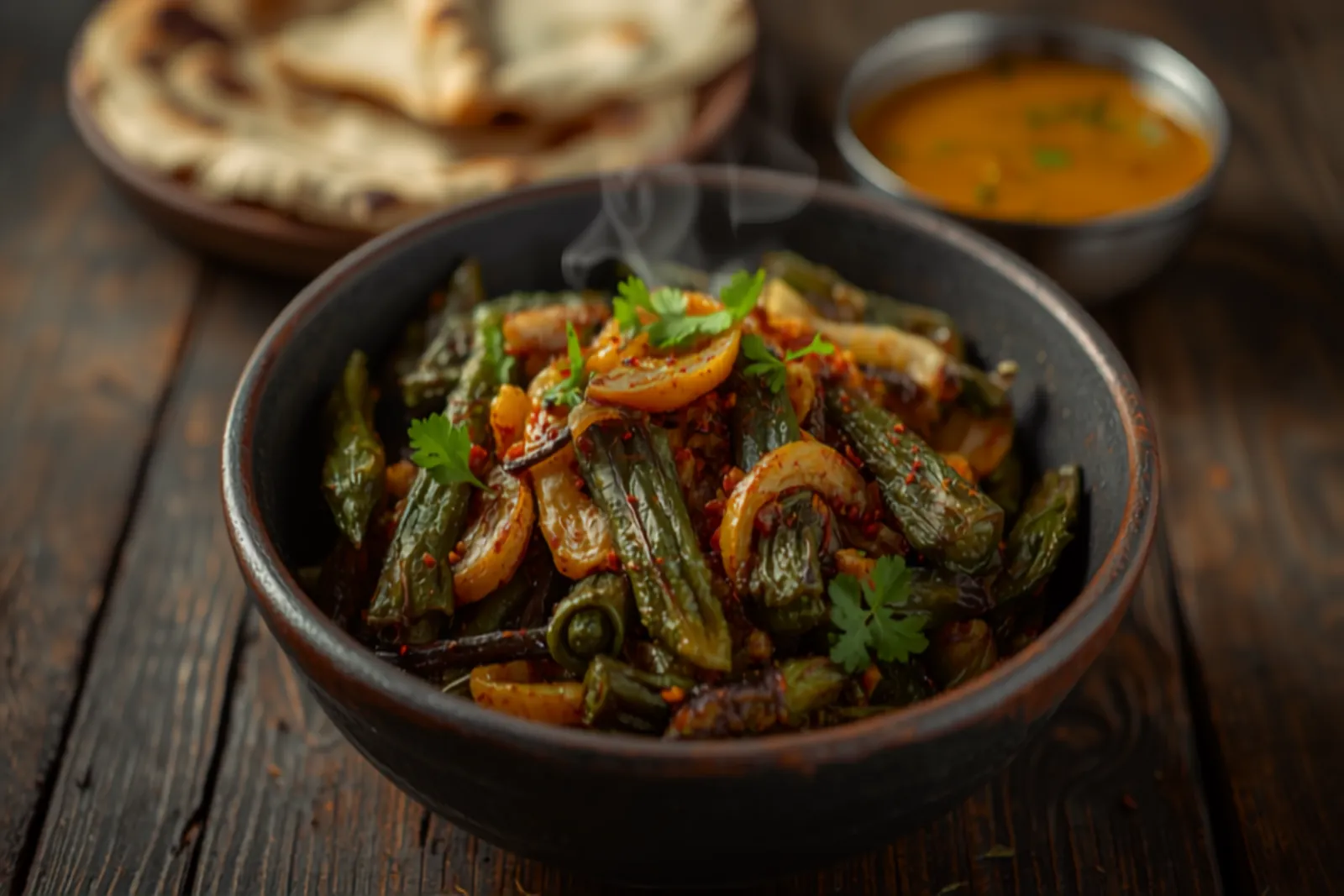
The North Indian home-kitchen classic: tender okra pan-fried until every trace of slime is gone, then tossed with onions, tomatoes and a bright, amchoor-spiked masala. A non-slimy bhindi masala that stays crisp at the edges.
Published July 11, 2026
Cultural context
Bhindi masala is everyday North Indian home cooking — a dry sabzi eaten with roti and dal across Punjab, Delhi and the wider Hindi belt rather than a restaurant showpiece. Its whole reputation rests on one skill: cooking okra so it turns silky-tender without ever going slimy.
Bhindi masala is one of North India’s most-cooked home dishes — a dry okra sabzi that turns up on weeknight thalis across Punjab, Delhi and the Hindi belt far more often than it does on restaurant menus. There’s no gravy to hide behind and only a handful of everyday spices, which is exactly why it’s a good cook’s calling card: get the okra right and the rest follows.
The one thing that matters: no slime
Okra’s mucilage — the sticky substance that thickens a Louisiana gumbo — is the last thing you want in a dry sabzi. Beating it comes down to keeping water away and using heat. Wash the pods a few hours ahead and let them dry completely, then wipe each one before you cut it; a wet knife or board is enough to start the sliming. When you cook, fry the cut okra first in hot oil and largely leave it alone so the sticky threads cook off and the edges blister. A pinch of amchoor near the end finishes the job — the acidity actively breaks the last of the slime down.
Build the masala like it has to carry the dish
Because there’s no sauce, the onion-tomato base has to be fully cooked. Brown the onions properly for sweetness, cook the tomatoes and spices until the oil beads at the edges, and only then fold the fried okra back in. Adding the amchoor and garam masala at the very end keeps the souring bright and the aromatics fresh rather than dulled by long cooking.
How to eat it
Bhindi masala is a side, not a centrepiece: serve it hot with roti or phulka and a bowl of dal, or with rice and yogurt. It’s best straight from the pan while the okra still has crisp edges. If you like this everyday-veg register, try Aloo Gobi or the smoky Baingan Bharta next, and read more in our North Indian cooking guide.
Ingredients
For the bhindi
- 500 g (about 1 lb) okra (bhindi / ladyfinger) Pick small, tender pods — snap the tip; if it bends rather than snaps it's too fibrous. Wash a few hours ahead and dry completely.
- 3 tbsp neutral oil Mustard oil is traditional in the north; any neutral oil works. Okra needs enough oil to fry, not steam.
- 2 medium tomatoes, chopped Firm, slightly tart tomatoes hold their shape and add the acidity that keeps okra from turning gluey.
- 1 tbsp ginger-garlic paste
- 1-2 green chillies, slit
- 1/2 tsp cumin seeds
- 1/2 tsp turmeric powder
- 1 tsp Kashmiri red chilli powder For colour without fierce heat. Use less of a hotter chilli powder.
- 1.5 tsp ground coriander
- 3/4 tsp amchoor (dry mango powder) The signature souring agent — it both cuts the richness and actively helps break down okra's slime. Lemon juice is the backup.
- 1/2 tsp garam masala
- to taste salt
- chopped coriander leaves, to finish
For the masala
- 2 medium onions, sliced
Method
Tap a step’s number to check it off as you go.
-
Wash the okra a few hours ahead, spread it on a towel and let it dry completely, then wipe each pod. Trim the ends and cut into 2 cm pieces.
Why: Water is the enemy — okra releases its mucilage the moment it meets moisture. Bone-dry pods (and a dry knife and board) are the single biggest factor in non-slimy bhindi.
-
Heat 2 tbsp oil in a wide pan over medium-high and fry the okra, stirring only occasionally, for 8-10 minutes until the sticky threads disappear and the edges turn deep green and blistered. Remove and set aside.
Why: Frying first, undisturbed, lets the mucilage cook off and the surfaces caramelise. Stirring constantly steams the okra and keeps it slimy — leave it alone.
-
In the same pan add the last tbsp oil and the cumin seeds; when they crackle, add the onions and a pinch of salt and cook until golden, 6-7 minutes.
Why: Properly browned onions give the dry masala its sweetness and body — there's no gravy here to hide pale, undercooked onion.
-
Add ginger-garlic paste and green chillies, fry 1 minute, then the tomatoes, turmeric, chilli powder and coriander. Cook until the tomatoes collapse and oil beads at the edges, 5-6 minutes.
Why: Cooking the masala until the fat separates means the raw spice and tomato notes are gone and the base is concentrated, not watery.
-
Return the okra, add amchoor, salt and garam masala, and toss gently over medium heat for 3-4 minutes until everything is coated. Finish with fresh coriander.
Why: Adding amchoor and garam masala at the end keeps the souring bright and the aromatics fresh; folding gently stops the fried okra breaking up.
A quick, anonymous tap — no review needed.
Variations
- Bharwa (stuffed)
Keep the pods whole, slit them and pack the dry masala inside before pan-frying — a slower, festive version.
- Bhindi do pyaza
Double the onions, adding a second batch of thick wedges near the end so they stay sweet and just-tender against the crisp okra.
- Kurkuri (crispy)
Toss the cut okra in a little besan, rice flour, chilli and amchoor, then shallow-fry for a crunchy, snackable version.
Serving & Storage
Serve hot as a dry side with phulka or roti and a bowl of dal, or alongside rice and plain yogurt. It's best eaten fresh while the edges are still crisp.
Pairs with: Roti or phulka, Dal makhani, Steamed rice, Plain yogurt.
Storage: Keeps 2 days refrigerated but softens as it sits; reheat in a hot dry pan (not the microwave) to bring back some crispness. Don't cover it while warm or it will sweat and turn soft.
Nutrition
Per serving (1 serving (about 1 cup))
- Calories
- 175
- Protein
- 4 g
- Carbs
- 16 g
- Fat
- 12 g
- Fiber
- 5 g
- Sugar
- 6 g
- Sodium
- 390 mg
Notable micronutrients: Vitamin C, Vitamin K, Folate, Magnesium
Estimated using standard ingredient data. Values vary with brands and substitutions.
Frequently Asked Questions
How do I stop bhindi from turning slimy?
Three things: dry the okra completely before cutting (wash it hours ahead), fry it first in hot oil without stirring much until the sticky threads vanish, and add a souring agent like amchoor or lemon. Avoid adding water at any point — this is a dry sabzi.
Can I make bhindi masala ahead of time?
It's really a cook-to-order dish — the okra is at its best crisp-edged and fresh. You can prep the masala base ahead, but fry the okra and finish just before serving. Leftovers keep a couple of days and reheat best in a hot dry pan.
What okra should I buy?
Small, young, bright-green pods. Test one by bending the tip: a tender pod snaps cleanly, an over-mature one bends and is fibrous inside with hard seeds. Tender okra cooks faster and stays less slimy.
What to drink with this
All drinks →Hand-picked pours to match this dish.
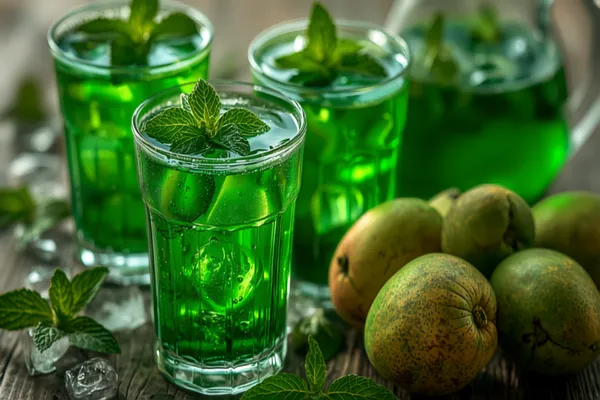
North & West India (peak-summer drink across the subcontinent) · Indian
Aam Panna (Raw Green Mango Summer Cooler)
India's tangy, jade-green raw-mango cooler — roasted or boiled green mangoes blended with cumin, black salt and mint. The traditional heat-stroke remedy that tastes like summer.
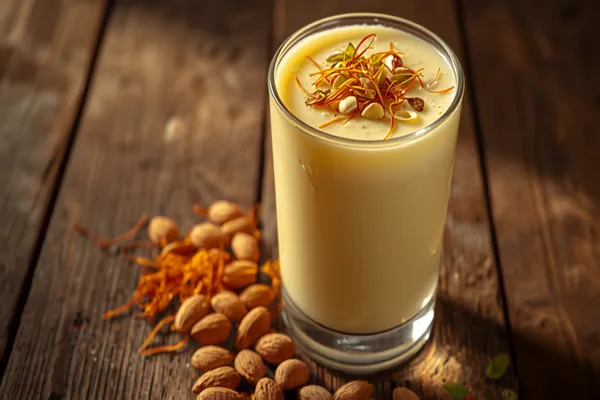
Pan-Indian (North & West India) · Indian
Badam Milk (Saffron Almond Milk)
Milk simmered with a paste of soaked almonds, saffron, cardamom and a whisper of nutmeg — India's rich, fragrant almond drink. Comforting served warm in winter, reviving served chilled in summer, festive any time.
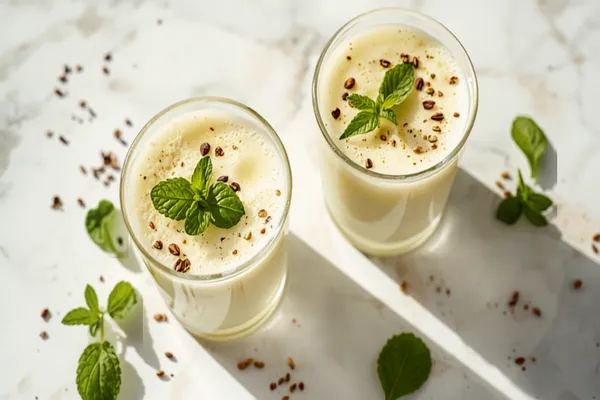
Pan-Indian (Gujarat & West India especially) · Indian
Chaas (Spiced Indian Buttermilk / Masala Chaas)
Whisked yogurt thinned with water and seasoned with cumin, green chilli, ginger and curry leaves — India's cooling, savoury buttermilk. A salty-tangy digestive that beats the heat and settles a heavy meal in two minutes.
From our kitchen community
Ratings & Reviews
My Rating
Tap a star to rate — no sign-in, no form needed.
My Review
0 Ratings
🥣 0 home cooks made it!
Be the first to rate Bhindi Masala (Dry North Indian Okra Sabzi).
Related Recipes
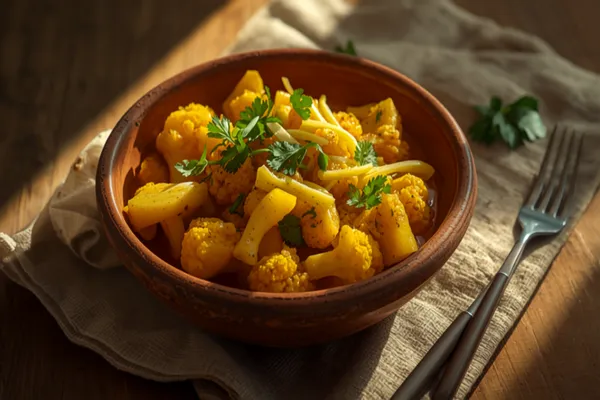
Punjab / North India · Indian
Aloo Gobi (Potato and Cauliflower Curry)
The everyday North Indian dry curry: potatoes and cauliflower cooked with turmeric, cumin and ginger until golden and tender. Simple, vegan, and a benchmark home dish.
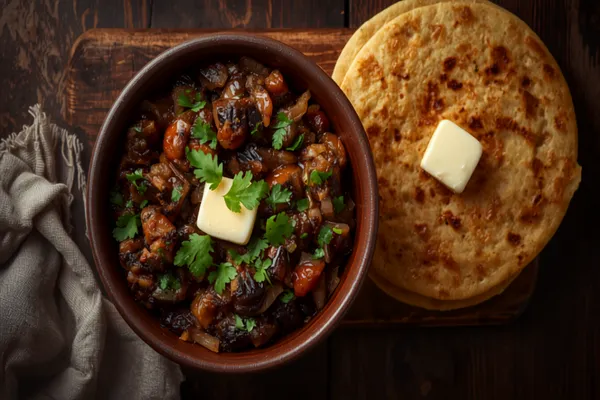
Punjab (North India) · Indian
Baingan Bharta (Punjabi Smoked Eggplant)
Whole eggplant charred over an open flame until it collapses, then mashed into a smoky, spiced mash with onion, tomato, ginger and green chile. This is the rustic Punjabi original — every bite carries that charcoal aroma.
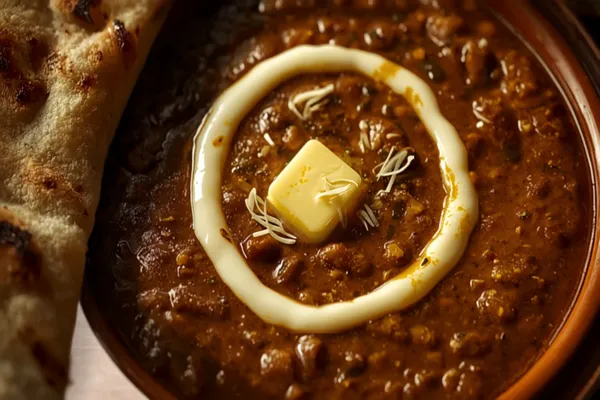
Punjab / North India · Indian
Dal Makhani (Punjabi Black Lentils)
The slow-simmered Punjabi classic: whole black urad and kidney beans cooked for hours into a velvety, smoky, buttery dal. Restaurant-rich at home — the patience is the recipe.
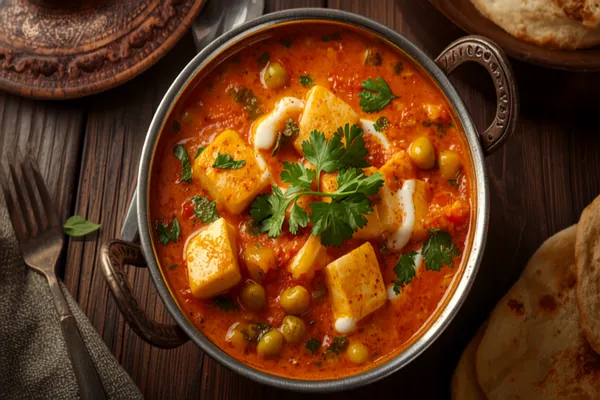
Punjab, North India · Indian
Matar Paneer (Punjabi Peas & Paneer Curry)
Soft paneer and sweet green peas simmered in a silky onion-tomato masala finished with kasuri methi and cream — the North Indian home-and-dhaba classic, rich but not heavy, and ready in under an hour.
Further reading
- Cultural Story · North IndiaA Complete Guide to North Indian CookingThe cuisine the world knows best — and understands least. From Punjab's tandoor and dairy to Kashmir's aromatic Wazwan and Awadh's courtly kebabs, a guide to North India's regions, techniques, and where to begin.
- Ingredient Deep DiveThe Indian Spice Pantry: A Beginner's MapYou don't need a hundred spices to cook Indian food — you need a dozen, and the know-how to use them. A practical guide to the essential Indian spices, what each does, and the techniques (tadka, bhuna, dry-roasting) that unlock them.