Punjab (North India) · Indian
Baingan Bharta (Punjabi Smoked Eggplant)
Whole eggplant charred over an open flame until it collapses, then mashed into a smoky, spiced mash with onion, tomato, ginger and green chile. This is the rustic Punjabi original — every bite carries that charcoal aroma.
Published June 29, 2026
Cultural context
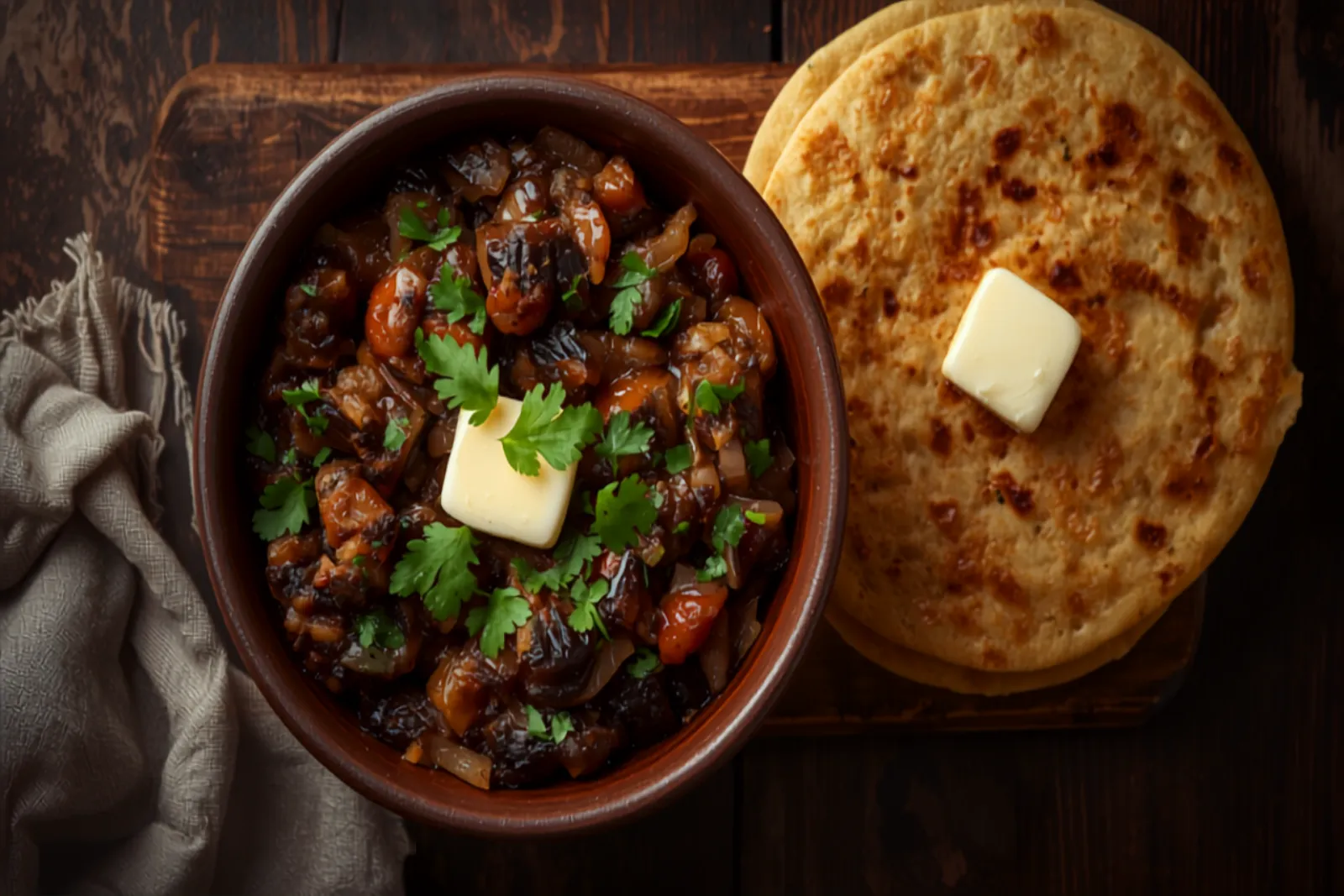
Baingan bharta — baingan (eggplant) plus bharta (mash) — is a Punjabi farmhouse staple, traditionally made by roasting a whole eggplant in the embers of a tandoor or chulha until the skin blackens and the flesh goes soft and smoky. It's a winter-table classic eaten with makki di roti and a knob of white butter, and a close cousin of dishes across the subcontinent that turn one charred vegetable into a whole meal.
Baingan bharta is what happens when a Punjabi cook treats a single eggplant with respect: charred whole over a live flame until the skin blackens and the inside turns to silk, then mashed and folded into a fried masala of onion, tomato, ginger and green chile. The name says it plainly — baingan is eggplant, bharta is mash — but the magic is the smoke, and a good bharta tastes of woodfire long after the coals have died down.
Smoke is the whole dish
There’s a reason Punjabi families make this in winter over the embers of a chulha or the wall of a tandoor: the burning skin perfumes the flesh from the outside in. If you take just one thing from this recipe, let it be this — roast the eggplant directly on the flame, not in the oven. Turn it with tongs until the skin is uniformly blistered and the whole thing slumps. That char is non-negotiable; it’s the difference between baingan bharta and any other mashed-eggplant dish.
Build the masala, then marry it
While the eggplant rests under cover so the skin slips off, get your masala right. Brown the onions properly, fry the tomatoes and ground spices until the oil separates at the edges — the bhuna stage — and only then fold in the smoky mash. Cooking the two together for a few minutes lets the eggplant drink up the masala while still keeping a rustic, forkable texture. Mustard oil is the traditional fat here and adds a peppery edge; heat it to smoking first to tame its rawness.
On the table
The classic plate is baingan bharta with makki di roti and a melting knob of white butter — the great Punjabi winter combination. It’s just as happy with naan, a phulka, or plain rice. For more North Indian staples to build a thali around, see our North Indian cooking guide, and pair it with a creamy palak paneer for a vegetarian spread that covers both smoke and richness.
Ingredients
For roasting
- 2 large (about 1 kg / 2 lb) globe eggplants Choose heavy, glossy, unblemished eggplants — lighter ones have fewer seeds and roast sweeter.
- 4 cloves garlic Optional but traditional — peeled and pushed into slits in the eggplant before roasting so they roast inside the flesh.
- 1 tsp oil Rubbed over the skin to stop it sticking and to help it char evenly.
- 1 tsp cumin seeds
- 2 medium onions, finely chopped
- 1 tbsp ginger, finely chopped
- 2 green chiles, finely chopped Use fewer for a milder mash; the heat should hum, not burn.
- 3 medium tomatoes, finely chopped Ripe and slightly soft — they need to break down into a jammy base.
- 1 tsp coriander powder
- 1/2 tsp Kashmiri red chile powder For colour without much heat.
- 1/4 tsp turmeric
- 1/2 tsp garam masala
- 1 tsp salt, or to taste
- 2 tbsp fresh coriander (cilantro), chopped Stirred in at the end and reserved for garnish.
For the masala
- 3 tbsp mustard oil or ghee Mustard oil is the Punjabi default and adds pungency; ghee is richer; any neutral oil works. Keep it vegan with oil.
Method
Tap a step’s number to check it off as you go.
-
Rub each eggplant lightly with oil and make 3–4 small slits in the flesh; push a garlic clove deep into a couple of the slits. Set the eggplants directly over a medium gas flame (or on hot charcoal) and roast, turning with tongs every few minutes, until the skin is blackened and blistered all over and the flesh has collapsed and gone completely soft, about 12–15 minutes.
Why: Charring the whole eggplant over a live flame is the entire point of bharta — the smoke from the burning skin penetrates the flesh and gives the dish its signature aroma. An oven or air-fryer cooks the eggplant but never delivers that smokiness.
-
Transfer the roasted eggplants to a bowl and cover, or wrap in foil, for 10 minutes. Then peel away all the charred skin, scraping off any clinging bits, and discard the stem. Roughly mash the smoky flesh with a fork; don't purée it.
Why: Resting steams the skin loose so it slips off cleanly, and a rough mash keeps texture — bharta should have body, not be a smooth paste.
-
Heat the oil or ghee in a wide pan over medium heat. If using mustard oil, let it reach smoking point and then cool slightly before adding the cumin. Add cumin seeds and let them sizzle for a few seconds.
Why: Mustard oil is raw and sharp until heated to smoking; taking it there mellows its bite. Blooming cumin in hot fat releases its aromatic oils into the base.
-
Add the onions and cook until deep golden, 6–8 minutes, then add the ginger and green chiles and fry for a minute more.
Why: Properly browned onions are the sweetness that balances the smoke and acidity — rushing them leaves the masala flat.
-
Add the tomatoes, coriander powder, chile powder, turmeric and salt. Cook, stirring, until the tomatoes break down and the oil separates at the edges, about 8 minutes.
Why: Cooking until the oil separates (the 'bhuna' stage) tells you the masala is properly fried and no longer raw — this is where the depth comes from.
-
Stir in the mashed eggplant and cook, mashing and folding, for 5–6 minutes so it drinks up the masala. Add the garam masala and most of the coriander, check the salt, and cook another minute. Garnish with the rest of the coriander.
Why: Folding the eggplant through the fried masala marries the two; adding garam masala at the end keeps its fragrance from cooking off.
A quick, anonymous tap — no review needed.
Variations
- Stovetop without a flame
No gas burner? Halve the eggplants, rub with oil, and broil cut-side up until blackened, then add a few drops of liquid smoke or finish with the dhungar method — a smoking-coal-in-a-bowl trick — to mimic the char.
- Bharta with peas
Punjabi homes often fold in a handful of green peas with the tomatoes for sweetness and colour — baingan bharta with matar.
- Richer dhaba style
Use ghee instead of oil and finish with a spoon of cream or white butter for the indulgent roadside-dhaba version.
Serving & Storage
Serve hot with makki di roti (cornmeal flatbread) and a dab of white butter for the classic Punjabi winter plate, or with phulka, naan or plain rice and a side of yogurt.
Pairs with: Makki di roti, Naan, Plain rice, Plain yogurt, Aloo paratha.
Storage: Keeps 3 days refrigerated and the smoky flavour deepens overnight. Reheat gently with a splash of water. It also freezes well for up to a month.
Nutrition
Per serving (1 serving (about 1 cup))
- Calories
- 160
- Protein
- 3 g
- Carbs
- 14 g
- Fat
- 11 g
- Fiber
- 6 g
- Sugar
- 8 g
- Sodium
- 490 mg
Notable micronutrients: Fiber, Vitamin C, Potassium, Manganese
Estimated using standard ingredient data. Values vary with brands and substitutions.
Frequently Asked Questions
Can I make baingan bharta without a gas flame?
You can, but you'll miss the defining smokiness if you only oven-roast. The best workaround is the dhungar method: after mashing, nestle a small steel bowl into the eggplant, drop a piece of lit charcoal in it with a few drops of ghee, cover the pan for a minute, then remove. That captures the charcoal aroma a tandoor would give. Broiling halved eggplants until the skin blackens also gets you part of the way there.
Which eggplant is best for bharta?
Large, round globe eggplants (called bharta baingan in Indian markets) are ideal because they have plenty of soft flesh and roast evenly. Pick ones that feel light for their size — they have fewer seeds and a sweeter, less bitter flesh.
Why is my bharta bitter or watery?
Bitterness usually means the eggplant was old or under-roasted; roast until the flesh is fully collapsed. Wateriness comes from not cooking the tomatoes down far enough — fry the masala until the oil separates before adding the eggplant, and let the mash cook long enough to drive off excess moisture.
What to drink with this
All drinks →Hand-picked pours to match this dish.
North & West India (peak-summer drink across the subcontinent) · Indian
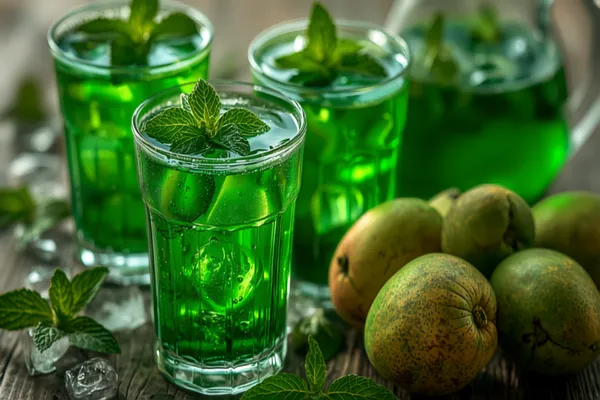
Aam Panna (Raw Green Mango Summer Cooler)
India's tangy, jade-green raw-mango cooler — roasted or boiled green mangoes blended with cumin, black salt and mint. The traditional heat-stroke remedy that tastes like summer.
Pan-Indian (North & West India) · Indian
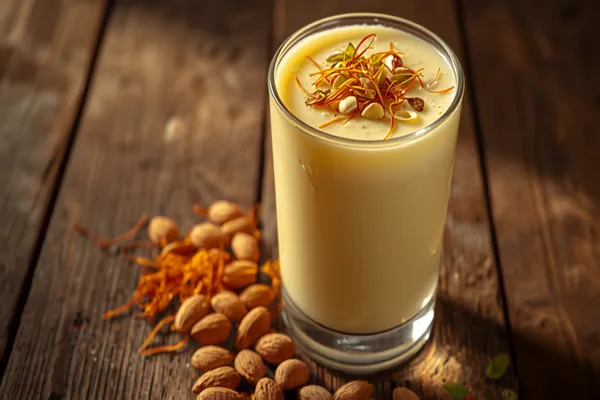
Badam Milk (Saffron Almond Milk)
Milk simmered with a paste of soaked almonds, saffron, cardamom and a whisper of nutmeg — India's rich, fragrant almond drink. Comforting served warm in winter, reviving served chilled in summer, festive any time.
Pan-Indian (Gujarat & West India especially) · Indian
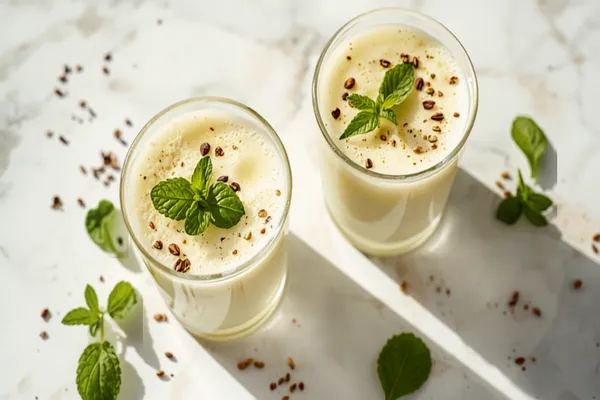
Chaas (Spiced Indian Buttermilk / Masala Chaas)
Whisked yogurt thinned with water and seasoned with cumin, green chilli, ginger and curry leaves — India's cooling, savoury buttermilk. A salty-tangy digestive that beats the heat and settles a heavy meal in two minutes.
From our kitchen community
Ratings & Reviews
My Rating
Tap a star to rate — no sign-in, no form needed.
My Review
0 Ratings
🥣 0 home cooks made it!
Be the first to rate Baingan Bharta (Punjabi Smoked Eggplant).
Related Recipes
Punjab / North India · Indian
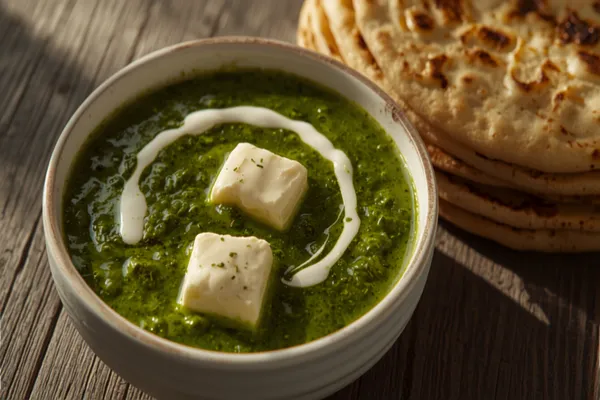
Palak Paneer (Spinach and Paneer Curry)
North India's beloved greens-and-cheese curry: soft paneer cubes in a bright, gently spiced spinach gravy. Vegetarian, quick, and a benchmark of a good home kitchen.
Punjab / North India · Indian
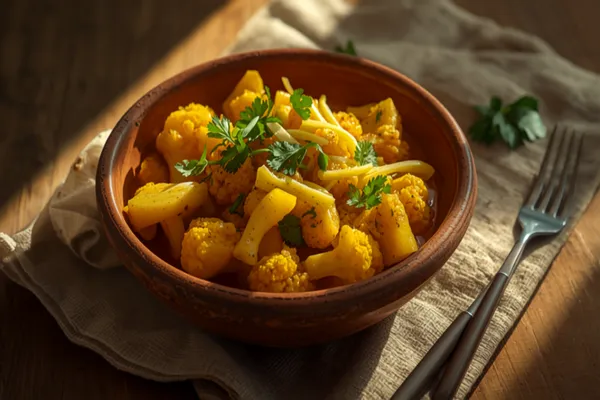
Aloo Gobi (Potato and Cauliflower Curry)
The everyday North Indian dry curry: potatoes and cauliflower cooked with turmeric, cumin and ginger until golden and tender. Simple, vegan, and a benchmark home dish.
Punjab / North India · Indian
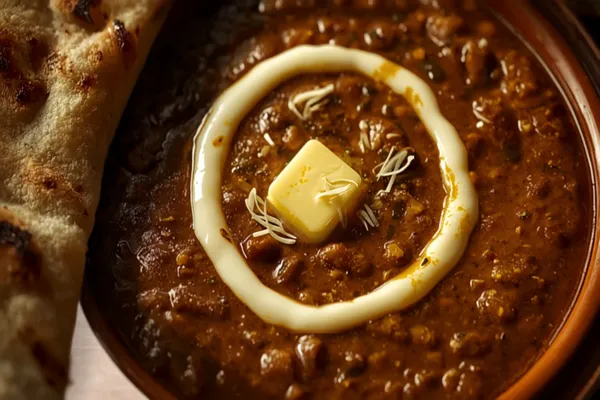
Dal Makhani (Punjabi Black Lentils)
The slow-simmered Punjabi classic: whole black urad and kidney beans cooked for hours into a velvety, smoky, buttery dal. Restaurant-rich at home — the patience is the recipe.
North India (via Persia and Central Asia) · Indian
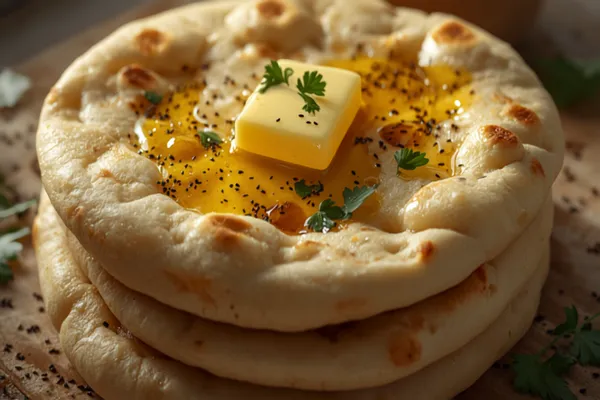
Naan (Soft Leavened Flatbread)
The pillowy, blistered flatbread of North Indian restaurants — made at home on a hot skillet or under the broiler, no tandoor required. Soft, chewy, and brushed with butter.
North India (Punjab–Delhi belt) · Indian
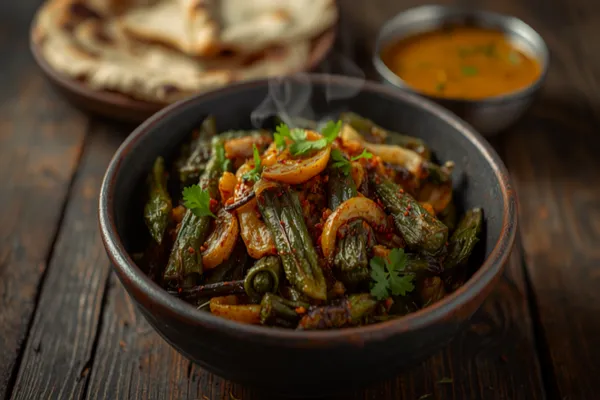
Bhindi Masala (Dry North Indian Okra Sabzi)
The North Indian home-kitchen classic: tender okra pan-fried until every trace of slime is gone, then tossed with onions, tomatoes and a bright, amchoor-spiked masala. A non-slimy bhindi masala that stays crisp at the edges.
Hyderabad, Telangana / Deccan · Indian
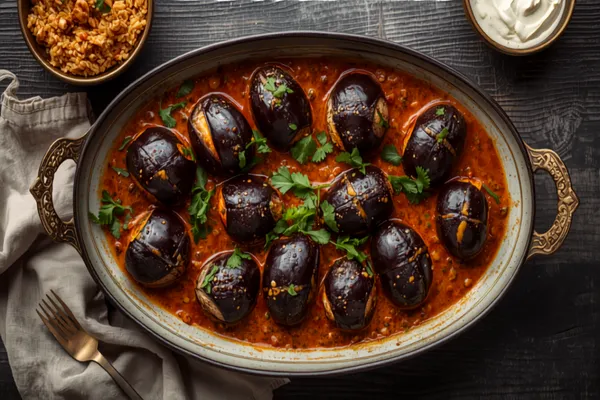
Bagara Baingan (Hyderabadi Baby Eggplants in Peanut-Sesame Gravy)
Hyderabad's great banquet curry — small brinjals slit and fried whole, then simmered in a dark, tangy gravy of roasted peanuts, sesame, dry coconut and tamarind. The dish that sits beside the biryani and quietly outshines it.
Further reading
- Cultural Story · North IndiaA Complete Guide to North Indian CookingThe cuisine the world knows best — and understands least. From Punjab's tandoor and dairy to Kashmir's aromatic Wazwan and Awadh's courtly kebabs, a guide to North India's regions, techniques, and where to begin.
- Ingredient Deep DiveThe Indian Spice Pantry: A Beginner's MapYou don't need a hundred spices to cook Indian food — you need a dozen, and the know-how to use them. A practical guide to the essential Indian spices, what each does, and the techniques (tadka, bhuna, dry-roasting) that unlock them.