Hyderabad, Telangana / Deccan · Indian
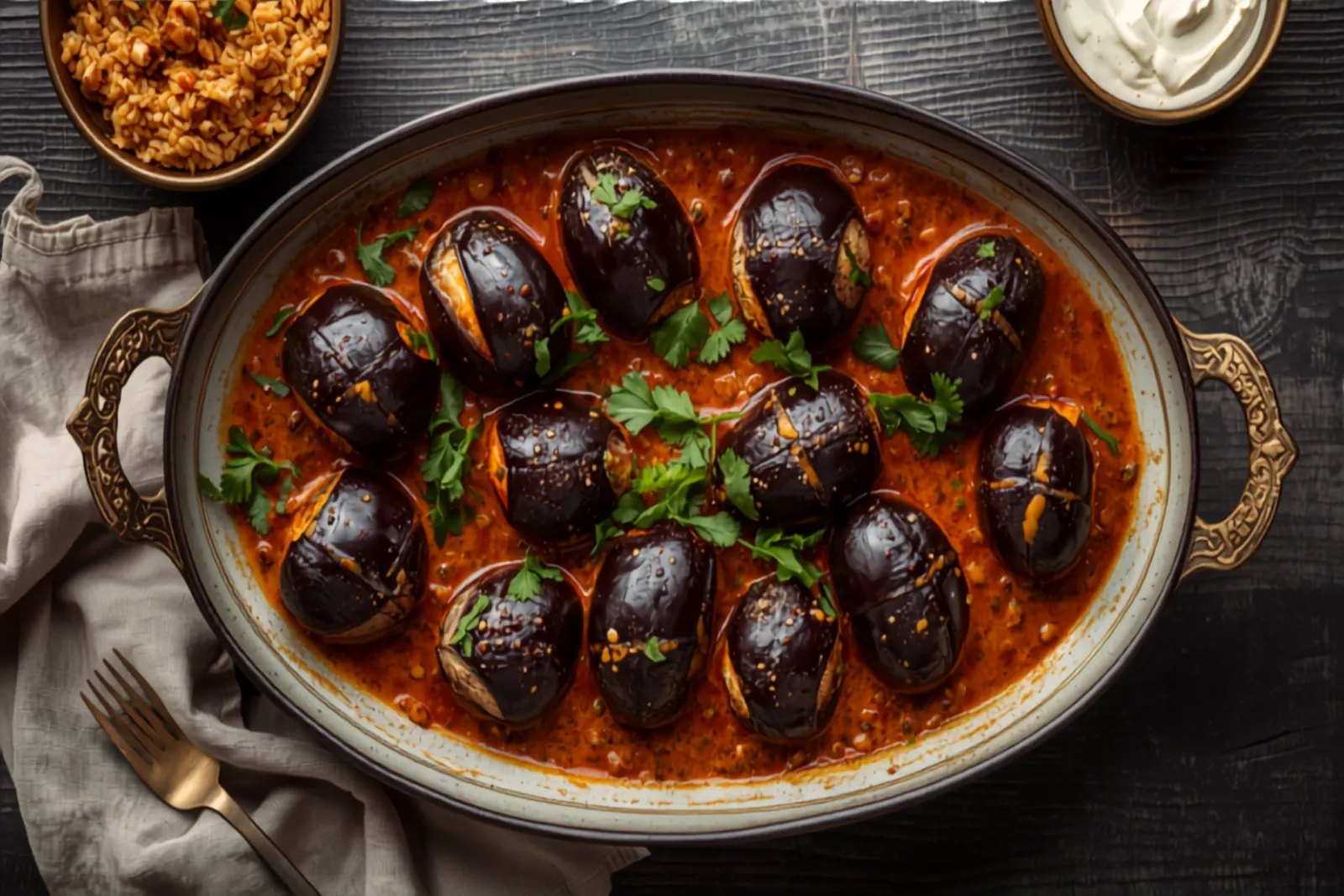
Bagara Baingan (Hyderabadi Baby Eggplants in Peanut-Sesame Gravy)
Hyderabad's great banquet curry — small brinjals slit and fried whole, then simmered in a dark, tangy gravy of roasted peanuts, sesame, dry coconut and tamarind. The dish that sits beside the biryani and quietly outshines it.
Published August 7, 2026
Cultural context
Bagara baingan comes out of the Nizami kitchens of Hyderabad, where Persian and Mughal court cooking met Telugu and Marathwada ingredients on the Deccan plateau. The name is plain description — *baghār* is the tempering of whole spices in hot oil that opens the dish, *baingan* the brinjal. It is wedding and feast food across Hyderabad and the wider Deccan, served alongside biryani with mirchi ka salan and dahi chutney, and it is one of the richest naturally plant-based curries in Indian cooking.
Bagara baingan is the dish that arrives at a Hyderabadi wedding in a vessel the size of a bathtub and disappears before the biryani does. Small purple brinjals, slit into quarters but held together at the stem, fried until their skins wrinkle, then sunk into a dark, oil-flecked gravy of roasted peanuts, sesame seeds, dry coconut and tamarind. Nothing in it is expensive. It tastes like it should be.
The dish belongs to the Nizami kitchens of Hyderabad, on the Deccan plateau, where Persian and Mughal court cooking arrived from the north and met the tamarind, curry leaves, sesame oil and peanuts that Telugu and Marathwada cooks were already using. That collision produced most of what we now call Hyderabadi food — the biryani, the haleem, the salans — and bagara baingan is the vegetarian centre of it. Its name is unglamorous and exact: baghār is the tempering of whole spices in hot oil, baingan is the brinjal. The whole dish is described by its first thirty seconds.
The nut paste is the dish
There is no cream here, no cashew paste, no yoghurt. Every bit of body in the gravy comes from three things roasted dry and ground wet: peanuts, white sesame seeds and desiccated coconut. Get that roast right and the rest is procedure.
The trap is that all three toast at wildly different speeds. Peanuts want four or five minutes over medium heat before they smell like anything. Sesame seeds need forty seconds and then they are gone. Desiccated coconut, dry and shredded, will scorch in under a minute. Stagger them into the same pan — peanuts first, sesame next, coconut and the whole coriander and cumin off the heat at the end — and everything lands at the same shade of gold.
Then grind it properly. A gritty gravy is the single most common failure in this recipe, and it is always the same cause: the paste was chopped rather than pulverised. Blend it with the fried onion and enough water to keep the blades loaded, scrape down the sides, and go again until it is genuinely smooth.
Fry the brinjals, then fry the masala
Two frying steps, both non-negotiable. The brinjals go into hot oil until their skins blister and collapse — this is what stops them turning into water in the pot, and what lets them absorb gravy instead of releasing liquid into it.
The masala then needs its own eight to ten minutes of bhunao, cooked down in the tempered oil until it darkens a shade and oil beads visibly at the edge of the pan. That bead of oil is the signal. Skip it and the curry tastes raw and pasty no matter how long it simmers afterwards, because once the tamarind goes in the acid stops the browning cold. Order matters: fry first, sour second.
Tangy first, nutty second, sweet at the back
The finished balance is worth naming, because it is easy to drift off it. Tamarind should lead — bagara baingan is a sour curry, more than most people expect on first taste. The peanuts and coconut sit under that as richness rather than sweetness, and a single teaspoon of jaggery rounds the corner between them. Heat is present but not the point; the nut fat mutes chilli considerably.
And let it rest. Fifteen minutes off the heat, covered, does something visible — the gravy glosses over, the sourness settles, and the brinjals finish softening in the residual warmth. Overnight is better still, which makes this an unusually good dish to cook the day before a party.
Serve it where it belongs, next to a Hyderabadi chicken biryani, with the gravy spooned over the rice. For the wider grammar of tamarind, curry leaves and sesame oil that runs under all of this, read the guide to South Indian cooking.
Ingredients
For the brinjals
- 500 g (about 12) small purple brinjals, stems left on Look for firm, glossy baby eggplants 6–8 cm long — Indian or Italian baby varieties. They must be small enough to cook through whole; large globe eggplant will not work here, though you can cut it into thick wedges as a fallback.
- 4 tbsp sesame or peanut oil, plus more if needed Toasted sesame oil is wrong here — use plain (untoasted) gingelly oil, the everyday cooking oil of the Deccan.
- 1/2 tsp fine salt
For the masala paste
- 60 g (1/3 cup) raw skinless peanuts
- 2 tbsp white sesame seeds
- 3 tbsp dry (desiccated) coconut Dry coconut — copra — not fresh. It roasts to a nuttier, darker flavour and is what gives the gravy its brown colour rather than the white of a coconut-milk curry.
- 1 tbsp coriander seeds
- 1 tsp cumin seeds
- 1 medium onion, roughly chopped Fried golden with the aromatics, then ground into the paste. This is what makes the gravy silky rather than gritty.
For the gravy
- 1 tsp black mustard seeds
- 1/2 tsp cumin seeds
- 1/2 tsp nigella seeds (kalonji)
- 1/4 tsp fenugreek seeds (methi dana) A quarter teaspoon and no more — fenugreek turns acrid fast, and its job is a faint bitter floor under all that tamarind and nut fat.
- 2 sprigs fresh curry leaves
- 2 dried red chillies, broken
- 1 1/2 tbsp ginger-garlic paste
- 1 1/2 tsp Kashmiri red chilli powder For colour without much heat. Add 1/2 tsp hot chilli powder alongside if you want the Hyderabadi heat level.
- 1 tsp ground coriander
- 1/2 tsp ground turmeric
- 30 g seedless tamarind, soaked in 200 ml hot water Or 2 tsp tamarind concentrate loosened in 200 ml water. Tamarind is not optional — it is the axis the whole dish turns on.
- 1 tsp jaggery or brown sugar
- 1/2 tsp garam masala
- 500 ml (2 cups) hot water, plus more as needed
- salt, to taste
To finish
- 2 tbsp chopped fresh coriander
- 1 tbsp fresh mint leaves, torn Optional, but it is the Hyderabadi signature and it cuts the richness.
Method
Tap a step’s number to check it off as you go.
-
Cut a deep cross into each brinjal from the base almost to the stem, keeping the stem and shoulders intact so the fruit stays in one piece. Drop them into salted water as you go.
Why: The cross opens four channels for the gravy to enter while the stem holds the brinjal together, so it serves whole but eats seasoned all the way through. The salted water stops the cut flesh oxidising brown in the ten minutes before it hits the pan.
-
Dry roast the peanuts in a heavy pan over medium heat for 4–5 minutes until they smell toasty and are lightly browned. Add the sesame seeds and roast for 30–40 seconds until they start to pop, then take the pan off the heat and stir in the dry coconut, coriander and cumin seeds; the residual heat is enough to toast them. Tip out to cool.
Why: Each ingredient burns at a different speed. Peanuts need real time, sesame seeds need seconds, and desiccated coconut scorches almost instantly — staggering them in one pan gets all four to the same golden point instead of one burnt and one raw.
-
In the same pan, heat 1 tbsp oil and fry the chopped onion over medium heat for 6–8 minutes until properly golden. Add to the cooled roasted mixture, pour in about 150 ml water, and grind to a completely smooth paste in a blender. Scrape down and blend again — it should feel silky between your fingers.
Why: Peanut and sesame skins are gritty, and a half-ground paste makes a sandy gravy. Blending with the fried onion gives the machine enough soft bulk and moisture to actually pulverise the nuts rather than chop them.
-
Drain and pat the brinjals dry. Heat 3 tbsp oil in a wide pan and fry them over medium heat, turning, for 8–10 minutes until the skins are blistered and wrinkled and a knife slips into the flesh with only slight resistance. Lift out and set aside.
Why: Frying does two things a simmer cannot: it collapses the spongy interior so the brinjal drinks gravy instead of water, and it firms the skin so the fruit survives twenty minutes in the pot without disintegrating. Undercook here and they will never soften properly later.
-
In the same oil (top up to about 2 tbsp), add the mustard seeds. When they splutter, add the cumin, nigella, fenugreek, curry leaves and dried chillies and let them crackle for 20 seconds.
Why: This is the *baghār* the dish is named for. Whole spices are fat-soluble — they only give up their aroma into hot oil, and that oil then flavours everything poured in after it.
-
Add the ginger-garlic paste and fry for a minute until it stops smelling raw. Stir in the chilli powder, ground coriander and turmeric and cook for 20 seconds.
Why: Ground spices bloom in fat in seconds and burn in a few more. Twenty seconds is the whole window; a splash of the tamarind water is the safety valve if the pan looks dry.
-
Pour in the ground paste. Cook over medium-low heat for 8–10 minutes, stirring often, until the mixture darkens by a shade and oil begins to bead at the edges.
Why: This is *bhunao*, and it is the difference between a good bagara baingan and a flat one. Frying the nut paste drives off raw water, browns the peanut and coconut sugars, and pushes the fat back out — visible oil at the rim is the cook's signal that the base is done.
-
Squeeze and strain the tamarind, add the extract along with the jaggery and 500 ml hot water, and season with salt. Bring to a simmer.
Why: Tamarind goes in only after the paste is fried. Acid halts browning, so adding it early would lock the masala in its raw, pale state no matter how long you cook it.
-
Slide the fried brinjals in in a single layer, spoon gravy over them, cover and simmer on low for 15–20 minutes, shaking the pan rather than stirring. The gravy should thicken to a pourable, oil-flecked consistency.
Why: Shaking rather than stirring keeps the brinjals whole. The long low simmer is where the fruit finally gives — the flesh turns to custard inside its skin and the gravy pushes into the cross-cut.
-
Stir in the garam masala, taste and adjust the balance — it should be tangy first, nutty second, gently sweet at the back. Rest, covered and off the heat, for at least 15 minutes, then finish with coriander and mint.
Why: Bagara baingan is one of the few Indian curries that is measurably better after standing. The nut fat is still separating and settling; give it a quarter of an hour and the sourness rounds out and the gravy gains gloss.
A quick, anonymous tap — no review needed.
Variations
- Mirchi ka salan
The same gravy, made with 10–12 fat pale green banana chillies instead of brinjals — slit, deseeded and blistered in oil. This is the other standard biryani accompaniment, and the two dishes are siblings rather than cousins.
- Baingan mirchi ka salan
Hyderabadi kitchens often split the difference: half brinjals, half green chillies in one pot. Fry them separately, add both at the simmer stage.
- Air-fryer or oven brinjals
Toss the slit brinjals with 1 tbsp oil and roast at 200°C / 400°F for 18–20 minutes until wrinkled. Uses a third of the oil; you lose a little of the fried skin's depth.
- Nut-free
Replace the peanuts with 3 tbsp roasted chana dal (pottukadalai) and increase the sesame to 3 tbsp. The gravy is lighter but keeps its body and thickening power.
- Poppy seed version
Some Nizami-lineage recipes add 1 tbsp white poppy seeds (khus khus) to the roast. It makes the gravy noticeably plusher and slightly paler.
Serving & Storage
Serve at the centre of a Hyderabadi spread with biryani, so the tamarind and nut gravy can be spooned over the rice — that contrast is the whole reason the dish exists. On an ordinary night it is just as good over plain rice or with roti, with a bowl of dahi chutney or plain yoghurt alongside.
Pairs with: Hyderabadi chicken biryani, Plain steamed rice, Roti or sheermal, Dahi chutney, Raw onion and lime.
Storage: Keeps 3–4 days refrigerated and genuinely improves overnight as the tamarind and nut paste settle. Reheat gently with a splash of hot water — the gravy tightens a lot when cold. Freezes for 2 months, though the brinjals soften further on thawing; freeze the gravy alone and fry fresh brinjals if you care about texture.
Nutrition
Per serving (1 serving (about 2 brinjals with gravy, 1/5 of the pan))
- Calories
- 310
- Protein
- 8 g
- Carbs
- 21 g
- Fat
- 23 g
- Fiber
- 7 g
- Sugar
- 9 g
- Sodium
- 470 mg
Notable micronutrients: Vitamin E, Magnesium, Manganese, Copper, Folate
Estimated using standard ingredient data. Values vary with brands and substitutions.
Frequently Asked Questions
What is the difference between bagara baingan and mirchi ka salan?
The gravy is nearly identical — roasted peanuts, sesame, dry coconut and tamarind — but the vegetable is different. Bagara baingan uses small whole brinjals; mirchi ka salan uses fat, mild green chillies. Both are served with Hyderabadi biryani, often on the same table, and some cooks combine them into baingan mirchi ka salan.
Why is my gravy gritty?
The paste wasn't ground fine enough. Peanut and sesame skins need a proper blend with enough liquid and enough time — grind, scrape the jar down, and grind again until the paste feels smooth rubbed between two fingers. A small high-speed jar works far better than a large one. If it is still coarse, pass the paste through a sieve before it goes into the pan.
Can I use a large eggplant instead of baby brinjals?
It is a compromise but it works. Cut a globe eggplant into thick wedges or 4 cm chunks, salt them for 20 minutes and pat dry, then fry as you would the whole brinjals. You lose the drama of the whole slit fruit and a little of the concentrated flavour that small Indian brinjals have, but the gravy carries it.
How spicy is it meant to be?
Moderately. In Hyderabad it is built on chilli heat balanced against tamarind sourness and nut fat — the fat blunts a lot of it. This version uses Kashmiri chilli for colour; add half a teaspoon of hot chilli powder for a Hyderabadi restaurant heat, or leave it out entirely and the dish still works.
Is bagara baingan vegan?
Yes, as written — the richness comes entirely from peanuts, sesame and dry coconut, with no dairy anywhere. It is one of the more useful dishes in the Indian repertoire for a plant-based table, since it is naturally rich rather than an adaptation of something that was.
What to drink with this
All drinks →Hand-picked pours to match this dish.
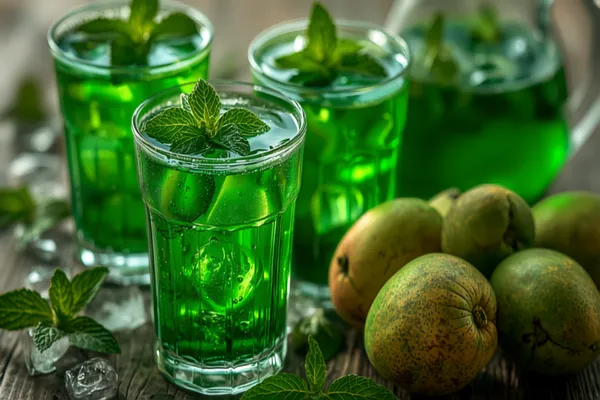
North & West India (peak-summer drink across the subcontinent) · Indian
Aam Panna (Raw Green Mango Summer Cooler)
India's tangy, jade-green raw-mango cooler — roasted or boiled green mangoes blended with cumin, black salt and mint. The traditional heat-stroke remedy that tastes like summer.
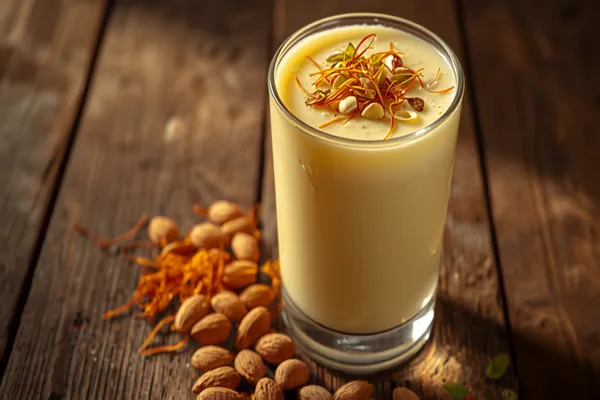
Pan-Indian (North & West India) · Indian
Badam Milk (Saffron Almond Milk)
Milk simmered with a paste of soaked almonds, saffron, cardamom and a whisper of nutmeg — India's rich, fragrant almond drink. Comforting served warm in winter, reviving served chilled in summer, festive any time.
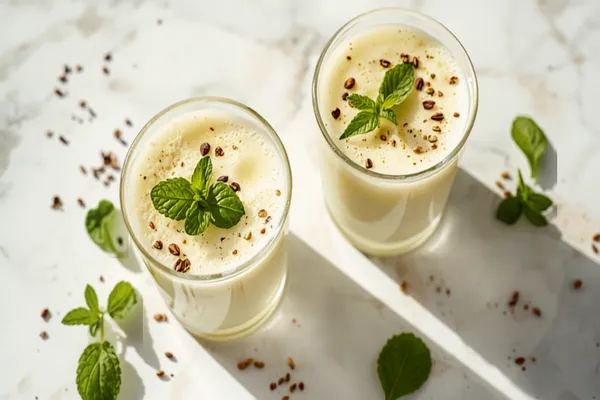
Pan-Indian (Gujarat & West India especially) · Indian
Chaas (Spiced Indian Buttermilk / Masala Chaas)
Whisked yogurt thinned with water and seasoned with cumin, green chilli, ginger and curry leaves — India's cooling, savoury buttermilk. A salty-tangy digestive that beats the heat and settles a heavy meal in two minutes.
From our kitchen community
Ratings & Reviews
My Rating
Tap a star to rate — no sign-in, no form needed.
My Review
0 Ratings
🥣 0 home cooks made it!
Be the first to rate Bagara Baingan (Hyderabadi Baby Eggplants in Peanut-Sesame Gravy).
Related Recipes
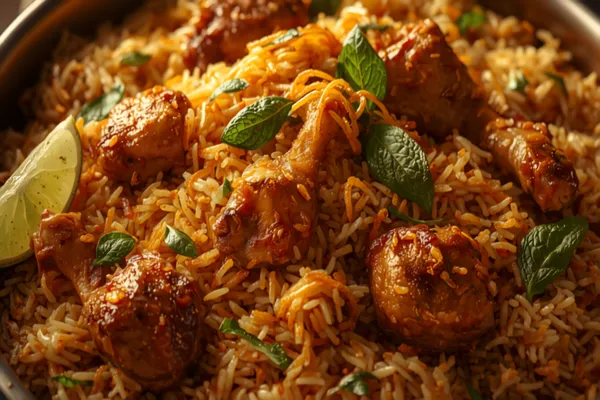
Hyderabad, Telangana / Deccan · Indian
Hyderabadi Chicken Biryani (Dum Biryani)
The jewel of Hyderabad's Deccan kitchens: chicken marinated in yogurt and spice, layered raw with par-cooked basmati, and sealed to cook on slow dum. The kachay gosht method that makes it legendary — and how to get it right at home.
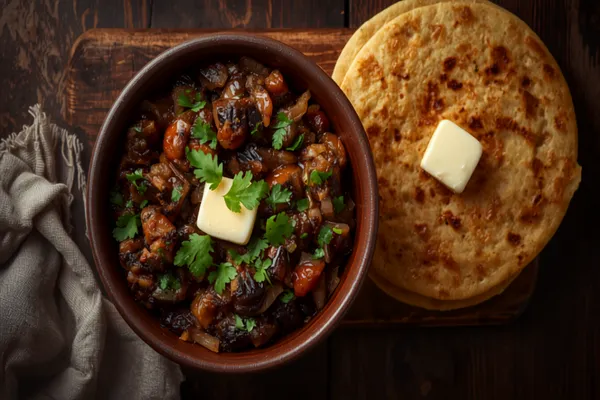
Punjab (North India) · Indian
Baingan Bharta (Punjabi Smoked Eggplant)
Whole eggplant charred over an open flame until it collapses, then mashed into a smoky, spiced mash with onion, tomato, ginger and green chile. This is the rustic Punjabi original — every bite carries that charcoal aroma.
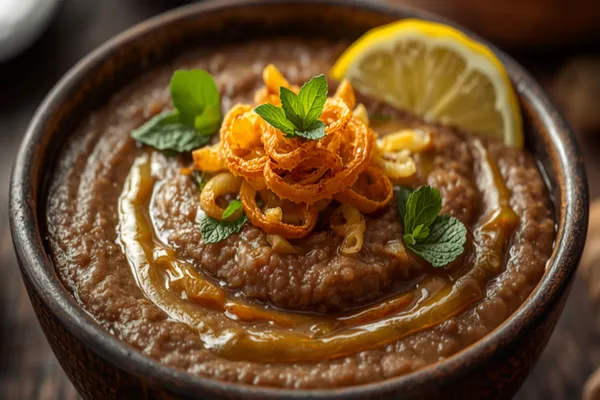
Hyderabad, Telangana / Deccan · Indian
Hyderabadi Haleem (Slow-Cooked Wheat and Meat Stew)
The legendary Ramadan and Eid dish of Hyderabad: wheat, lentils, and meat pounded together over hours of slow cooking into a rich, smooth, deeply spiced stew. A labour of patience that breaks the fast like nothing else.
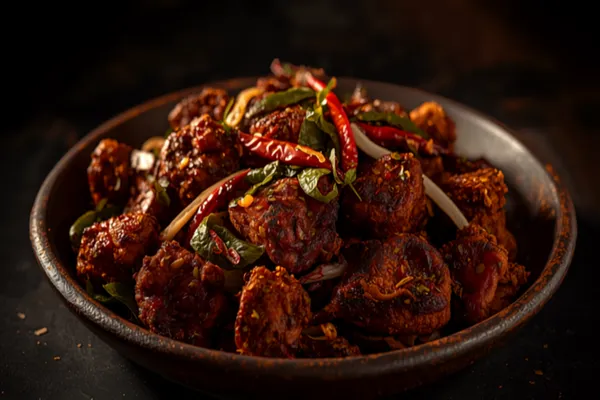
Andhra Pradesh / South India · Indian
Andhra Kodi Vepudu (Andhra Chicken Fry)
Andhra Pradesh's fiery dry-fried chicken — bone-in pieces cooked down with roasted spices, curry leaves, green chillies, and a final flourish of black pepper until dark, glossy, and clinging to every bite. Hot, dry, and unapologetically bold.
Further reading
- Cultural Story · South IndiaA Complete Guide to South Indian CookingSouth India isn't one cuisine but many — Tamil, Kerala, Karnataka, Andhra and Telangana, each with its own grains, spices, and rituals. A guide to the building blocks, the regional differences, and where to start cooking.
- Ingredient Deep DiveThe Indian Spice Pantry: A Beginner's MapYou don't need a hundred spices to cook Indian food — you need a dozen, and the know-how to use them. A practical guide to the essential Indian spices, what each does, and the techniques (tadka, bhuna, dry-roasting) that unlock them.