Punjab / North India · Indian
Sarson ka Saag (Punjabi Mustard Greens)
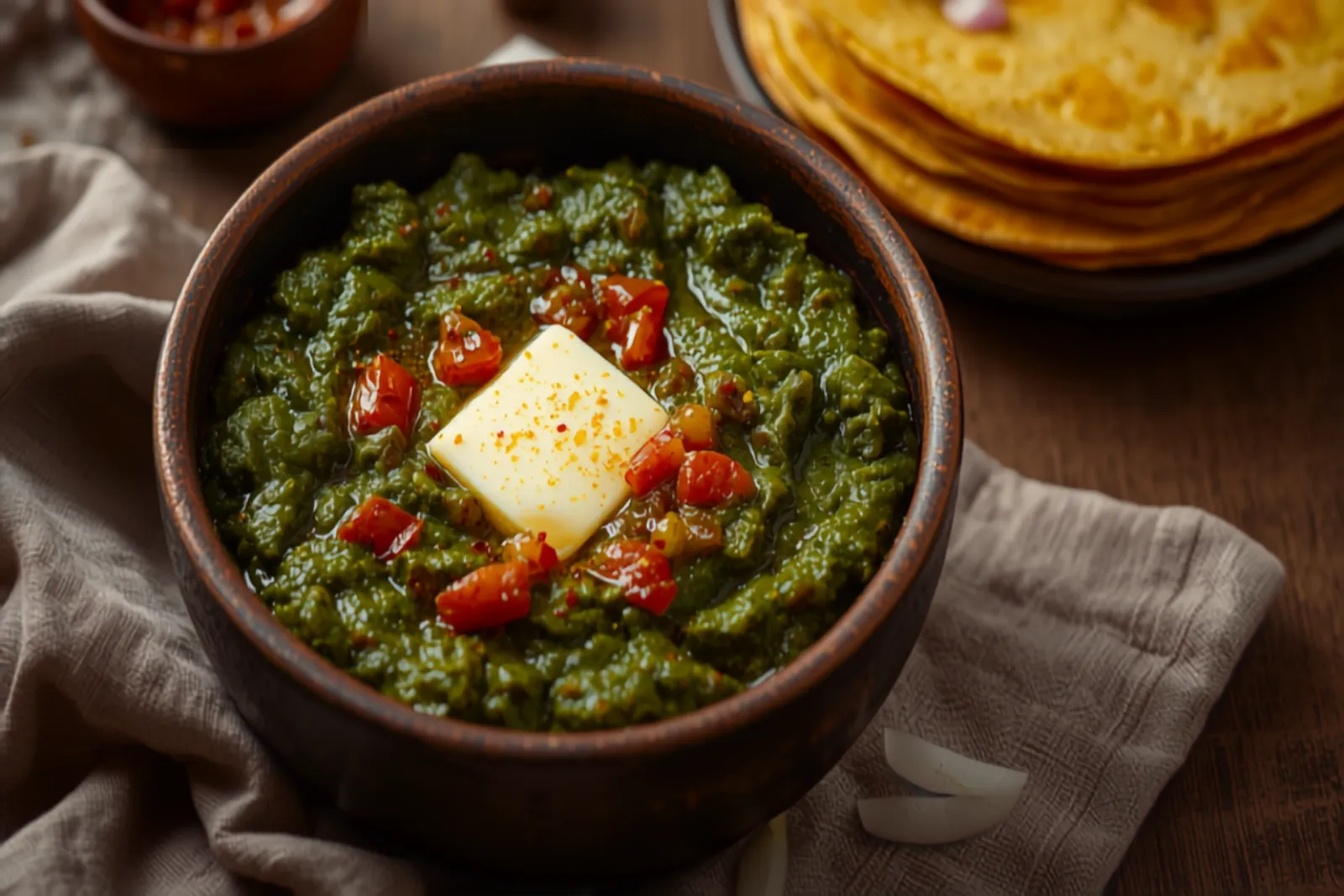
The Punjabi winter classic: mustard greens slow-cooked with spinach and bathua, thickened with cornmeal and finished with a ghee-and-garlic tadka. Earthy, mellow and made for makki di roti.
Published July 5, 2026
Cultural context
Sarson ka saag is the winter heart of rural Punjab, made when mustard fields turn yellow after the harvest. It is the star of the Lohri and Makar Sankranti table, ladled hot over makki di roti (corn flatbread) with a knob of white butter. Mustard has grown on the subcontinent since the Indus Valley civilisation, and the dish is treasured across both Indian and Pakistani Punjab as comfort food, not restaurant fare.
Sarson ka saag is winter on a plate in rural Punjab — mustard greens slow-cooked with spinach and bathua until they collapse into an earthy, mellow purée, thickened with cornmeal and crowned with a ghee-and-garlic tadka. When the mustard fields turn a sea of yellow after the harvest, this is what farmhouse kitchens cook, and it is the undisputed star of the Lohri and Makar Sankranti table.
Greens, and the balance between them
The dish is named for sarson (mustard), but mustard greens alone are sharp and bitter. The Punjabi solution is balance: spinach for softness, bathua for body, and often a little radish and its leaves for sweetness. A rough ratio of two parts mustard to one part spinach keeps the mustard character front and centre while taming its edge. Wash everything well — field greens carry grit — and don’t worry about a fine chop, because it all gets cooked down and mashed.
Why the cornmeal matters
The signature texture of saag comes from makki ka atta, the same fine cornmeal used for makki di roti. Stirred into the simmering greens, it thickens the saag and lends a gentle sweet-corn note you can’t get from cornflour or a cream shortcut. This is also where patience pays off: a long, slow simmer after the cornmeal goes in is what turns boiled greens into deep, cooked-down saag.
The tadka is the soul
A saag is only as good as its tempering. Ghee bloomed with asafoetida, ginger, garlic, browned onion and tomato builds the savoury backbone, and finishing the greens in that masala marries the two. In Punjab the bowl arrives with one more thing — a dollop of white butter (makhan) melting on top, to be stirred through each bite.
Serve it the traditional way, over hot makki di roti with sliced onion and a glass of lassi, and pair it with a pot of dal makhani for a full Punjabi winter spread. For more on the region’s cooking, see our North Indian cooking guide.
Ingredients
For the greens
- 500 g (about 1 lb) mustard greens (sarson) The main green; look for young, tender leaves — older ones are more bitter and fibrous.
- 250 g (about 1/2 lb) spinach (palak) Softens and mellows the sharp mustard; the classic ratio is roughly 2 parts mustard to 1 part spinach.
- 150 g bathua (chenopodium/lamb's quarters), optional The traditional third green; adds body and a mineral note. Substitute more spinach if unavailable.
- 1 small white radish (mooli) with its leaves, optional A Punjabi touch — the radish and its greens cut bitterness and add sweetness.
- 2-3 green chillies
- 1 inch ginger
- 4-5 cloves garlic
- 1 tsp salt, to taste
- 1 cup water
- 1 medium onion, finely chopped
- 1 medium tomato, finely chopped
- 1 tbsp ginger-garlic, finely chopped
- 1/2 tsp red chilli powder Kashmiri for colour without much heat.
- 1/4 tsp asafoetida (hing)
- 1-2 tbsp white butter or ghee, to finish The dollop of makhan on top is non-negotiable in Punjab.
To thicken
- 3-4 tbsp makki ka atta (fine cornmeal / maize flour) This is what gives saag its signature grainy, creamy body. Don't substitute cornflour/cornstarch.
For the tadka (tempering)
- 3 tbsp ghee Or a neutral oil for a vegan version; ghee is traditional and carries the aroma.
Method
Tap a step’s number to check it off as you go.
-
Wash all the greens thoroughly in several changes of water, then roughly chop the mustard greens, spinach, bathua and radish leaves. Peel and chop the radish.
Why: Field greens hold a lot of grit; a few rinses prevent a sandy saag. Rough chopping is fine because everything gets pressure-cooked and mashed later.
-
Add all the greens, radish, green chillies, ginger, garlic, salt and 1 cup water to a pressure cooker. Cook for 6-7 whistles (about 15 minutes), then let the pressure release naturally.
Why: Mustard greens are tough and need long, wet heat to break down and lose their raw pungency; pressure cooking does in 15 minutes what an open pot takes over an hour to do.
-
Uncover and, using an immersion blender or a traditional wooden madhani (churner), blend the greens to a coarse, textured purée — not a smooth one.
Why: Saag should look like finely mashed greens, not a soup. A little texture is the mark of a home-made saag versus a blitzed restaurant version.
-
Return the pot to low heat, sprinkle in the makki ka atta a little at a time while stirring, and simmer for 25-30 minutes, stirring often so it doesn't catch.
Why: The cornmeal both thickens the saag and adds a subtle sweet corn flavour; a long, slow simmer is where saag develops its deep, cooked-down character. Rushing this step leaves it thin and raw-tasting.
-
Meanwhile make the tadka: heat the ghee, add the asafoetida, then the chopped ginger-garlic and onion. Fry until golden, add the tomato and red chilli powder, and cook to a soft masala.
Why: A separate, aromatic tempering fried until the onions brown builds a savoury base that plain simmered greens can't reach on their own.
-
Stir most of the tadka into the saag (reserve a spoonful), simmer together for another 5-10 minutes, then serve hot topped with the reserved tadka and a dollop of white butter.
Why: Finishing the saag in the tempering marries the two; the final knob of butter melts into each bite the way it does in a Punjabi farmhouse kitchen.
A quick, anonymous tap — no review needed.
Variations
- Vegan
Use a neutral oil in place of ghee for the tadka and skip the butter (or use a plant-based one). The dish is otherwise naturally plant-based.
- No bathua
Bathua is hard to find outside India — simply increase the spinach. The saag will be a touch milder but still authentic.
- Extra silky
For a smoother, restaurant-style saag, blend a little longer and finish with a splash of cream, though purists keep it rustic.
Serving & Storage
Serve piping hot with makki di roti (corn flatbread), a slice of raw onion, a green chilli and a big dollop of white butter or ghee. A glass of lassi or buttermilk completes the meal.
Pairs with: Makki di roti, White butter (makhan), Jaggery (gur), Mango lassi, Onion and radish salad.
Storage: Keeps 3-4 days refrigerated and freezes well for up to a month; the flavour deepens overnight. Reheat gently with a splash of water and a fresh spoon of ghee.
Nutrition
Per serving (1 serving (about 1 cup saag))
- Calories
- 185
- Protein
- 6 g
- Carbs
- 15 g
- Fat
- 12 g
- Fiber
- 6 g
- Sugar
- 3 g
- Sodium
- 470 mg
Notable micronutrients: Vitamin K, Vitamin A, Vitamin C, Iron, Calcium
Estimated using standard ingredient data. Values vary with brands and substitutions.
Frequently Asked Questions
What is bathua and can I skip it?
Bathua (lamb's quarters / chenopodium) is a leafy winter green traditionally added alongside mustard and spinach for body and a mineral note. It's hard to find outside South Asia, so it's fine to skip — just add more spinach. The dish will be slightly milder but still authentic.
Why is my saag bitter?
Mustard greens are naturally pungent, and older or over-mature leaves are more bitter. Balance them with spinach (and radish, if you have it), cook them long enough to mellow, and don't skimp on the ghee tadka and final butter — the fat rounds out any remaining sharpness.
Can I make sarson ka saag without a pressure cooker?
Yes. Simmer the greens in a covered pot with the water, chillies, ginger and garlic for 45-60 minutes until completely soft, topping up water as needed, then mash and continue with the cornmeal and tadka as written. It simply takes longer.
What to drink with this
All drinks →Hand-picked pours to match this dish.

Punjab / North India (lassi heartland) · Indian
Mango Lassi (Yogurt and Mango Drink)
The creamy, cooling mango-and-yogurt drink of North Indian summers and restaurant menus everywhere. Three ingredients, two minutes, and a little cardamom.

North & West India (peak-summer drink across the subcontinent) · Indian
Aam Panna (Raw Green Mango Summer Cooler)
India's tangy, jade-green raw-mango cooler — roasted or boiled green mangoes blended with cumin, black salt and mint. The traditional heat-stroke remedy that tastes like summer.
Pan-Indian (North & West India) · Indian
Badam Milk (Saffron Almond Milk)
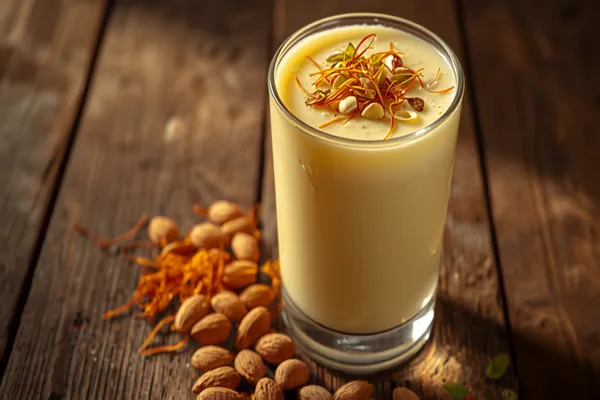
Milk simmered with a paste of soaked almonds, saffron, cardamom and a whisper of nutmeg — India's rich, fragrant almond drink. Comforting served warm in winter, reviving served chilled in summer, festive any time.
From our kitchen community
Ratings & Reviews
My Rating
Tap a star to rate — no sign-in, no form needed.
My Review
0 Ratings
🥣 0 home cooks made it!
Be the first to rate Sarson ka Saag (Punjabi Mustard Greens).
Related Recipes
Punjab / North India · Indian
Dal Makhani (Punjabi Black Lentils)
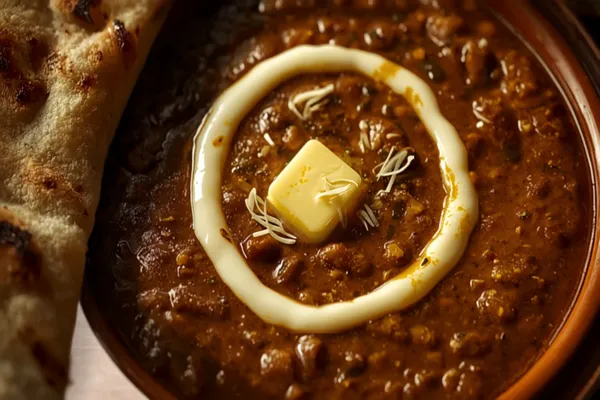
The slow-simmered Punjabi classic: whole black urad and kidney beans cooked for hours into a velvety, smoky, buttery dal. Restaurant-rich at home — the patience is the recipe.
Punjab / North India · Indian
Aloo Paratha (Punjabi Stuffed Potato Flatbread)
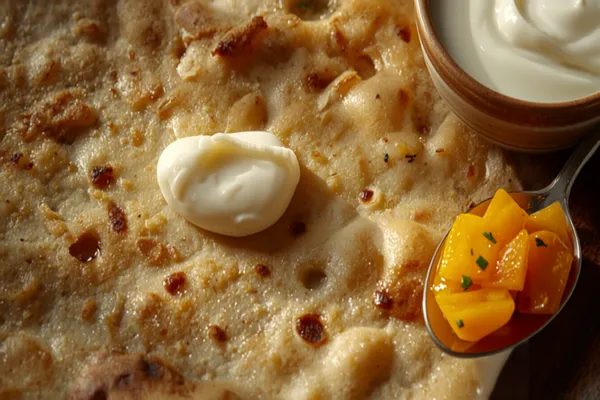
North India's most comforting breakfast: whole-wheat flatbread stuffed with spiced mashed potato, rolled and griddled with ghee until golden and blistered. Eaten with white butter, yogurt, and pickle — the Punjabi morning, on a plate.
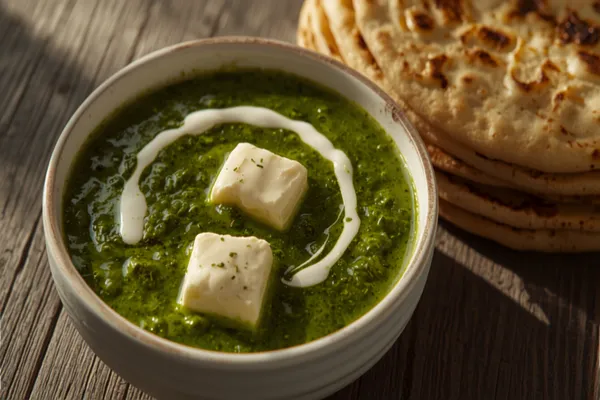
Punjab / North India · Indian
Palak Paneer (Spinach and Paneer Curry)
North India's beloved greens-and-cheese curry: soft paneer cubes in a bright, gently spiced spinach gravy. Vegetarian, quick, and a benchmark of a good home kitchen.
Further reading
- Cultural Story · North IndiaA Complete Guide to North Indian CookingThe cuisine the world knows best — and understands least. From Punjab's tandoor and dairy to Kashmir's aromatic Wazwan and Awadh's courtly kebabs, a guide to North India's regions, techniques, and where to begin.
- Ingredient Deep DiveThe Indian Spice Pantry: A Beginner's MapYou don't need a hundred spices to cook Indian food — you need a dozen, and the know-how to use them. A practical guide to the essential Indian spices, what each does, and the techniques (tadka, bhuna, dry-roasting) that unlock them.