North India (Punjab & the Mughlai belt) · Indian
Keema Matar (Punjabi Minced Lamb with Peas)
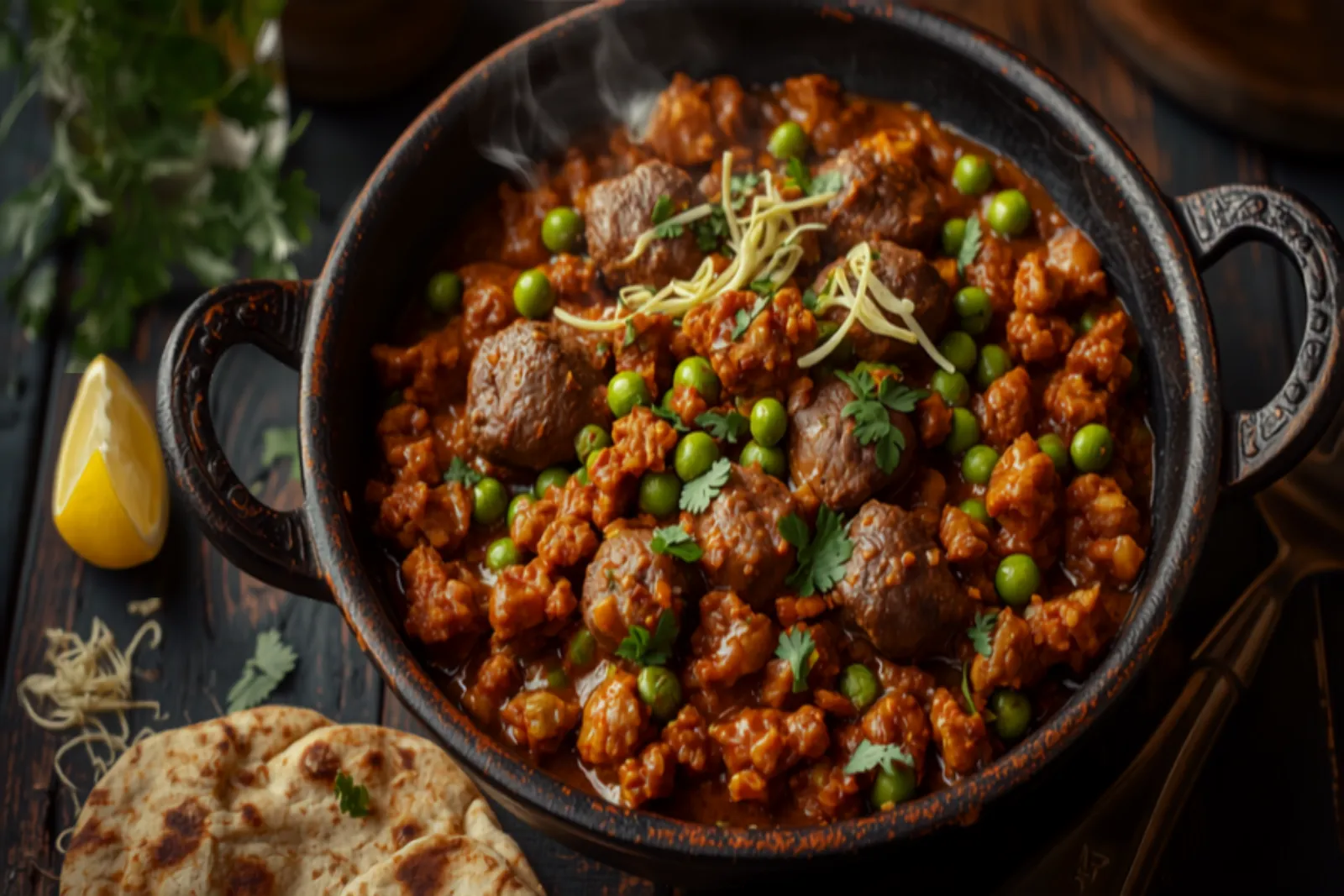
The North Indian comfort classic: lamb or mutton mince slow-fried into a deep, spiced masala with sweet green peas. The secret is the bhuna — searing the meat hard until the fat runs and the spices caramelize.
Published August 2, 2026
Cultural context
A Mughal-era dish beloved across the Indian subcontinent — from Punjabi home kitchens to the Mughlai tables of Delhi and Lucknow, and just as cherished in Pakistan. 'Keema' (from the Persian for minced meat) with 'matar' (peas) is weeknight comfort food and Sunday-lunch treat in equal measure. No single city owns it; it belongs to the whole region.
Keema matar is North Indian comfort cooking at its most satisfying — lamb or mutton mince fried down into a dark, glossy masala shot through with sweet green peas. A Mughal-era dish (the word keema comes from the Persian for minced meat), it long ago spread from courtly kitchens into everyday homes across the subcontinent, from Punjab to Delhi to Lahore. It’s a weeknight staple and a Sunday-lunch treat at once, equally at home scooped up with roti or spooned over rice.
The bhuna is everything
If there’s one step that separates a great keema matar from a sad, grey one, it’s the bhuna — searing the mince hard in the spiced masala until every drop of released water cooks off and the meat browns. This is where the deep, roasted, almost nutty flavour comes from. Keep the heat up, break the mince apart, and be patient: you want the grains to separate and catch a little, not stew in their own liquid. Only once the meat is properly browned do you add water to finish the tenderizing.
Build the base properly
Everything rests on two foundations: deeply browned onions and a masala cooked until the oil splits. Take the onions all the way to golden brown for colour and sweetness, and cook the tomatoes and ground spices until you see the fat glisten at the edges of the pan. That oil-split is your signal the spices are no longer raw. Skip either shortcut and the dish tastes thin.
Peas at the end, garam masala later still
Green peas go in late so they stay bright and just-tender — a sweet, fresh counterpoint to the rich meat rather than a mushy afterthought. And the garam masala, ginger julienne and lemon are added right at the finish, off or near the heat, so they stay aromatic and lively.
Serve it with a stack of warm aloo paratha or alongside a bowl of matar paneer for a peas-two-ways spread. For more on building these gravies from the ground up, see our guide to North Indian cooking.
Ingredients
For the keema
- 500 g (1 lb) lamb or mutton mince Around 15–20% fat is ideal — a little fat carries the spice and keeps the keema succulent. Goat mince is the most traditional; beef or chicken mince also work (see variations).
- 1 cup green peas Fresh young peas are sweetest; frozen peas are excellent and need only a few minutes.
- 2 large onions, finely chopped Chop fine so they melt into the gravy.
- 3 medium tomatoes, finely chopped or puréed
- 1.5 tbsp ginger-garlic paste Roughly equal ginger and garlic, freshly pounded if you can.
- 2 green chillies, slit Adjust to taste; deseed for less heat.
- 1 inch cinnamon stick
- 3 green cardamom pods
- 4 cloves
- 1 tsp cumin seeds
- 1.5 tsp Kashmiri red chilli powder For colour without fierce heat; use regular chilli powder if you want more bite.
- 2 tsp coriander powder
- 1 tsp cumin powder
- 1 tsp garam masala Added at the end to keep it aromatic.
- to taste salt
- 1 tbsp ginger, julienned
- 1 tsp lemon juice
For the masala
- 3 tbsp ghee or neutral oil Ghee gives the richest flavour; oil keeps it dairy-free.
Whole spices (for tempering)
- 1 bay leaf
Ground spices
- 1 tsp turmeric
To finish
- 3 tbsp fresh coriander, chopped
Method
Tap a step’s number to check it off as you go.
-
Heat the ghee in a heavy pan or kadhai over medium heat and add the bay leaf, cinnamon, cardamom, cloves and cumin seeds. Let them sizzle for 20–30 seconds until fragrant.
Why: Blooming whole spices in hot fat releases their oil-soluble aromatics — this is the perfume that flavours everything added after.
-
Add the onions and fry, stirring often, until deep golden brown, 8–10 minutes.
Why: Properly browned onions are the body of the gravy; their sugars caramelize and give the keema its dark colour and sweet-savoury depth. Rushing this leaves the dish pale and flat.
-
Stir in the ginger-garlic paste and green chillies and cook for a minute until the raw smell disappears.
Why: Cooking out the raw ginger-garlic prevents a sharp, acrid note in the finished dish.
-
Add the tomatoes, turmeric, chilli powder, coriander and cumin powder and salt. Cook, stirring, until the tomatoes collapse and the oil separates and glistens at the edges, 6–8 minutes.
Why: The oil rising to the surface (the 'oil-split') is the visual cue that the masala is properly cooked and the spices are no longer raw — the foundation of any good North Indian gravy.
-
Turn the heat to medium-high and add the mince. Break it up and fry it hard — the bhuna — pressing and stirring for 8–10 minutes until the grains separate, brown, and any released water cooks off.
Why: This searing step is what separates authentic keema from a grey, boiled mince. Driving off the moisture and browning the meat builds savoury, roasted flavour through the Maillard reaction; the keema should catch a little and smell nutty.
-
Pour in about 1 cup of hot water, cover, and simmer on low for 12–15 minutes until the meat is tender.
Why: A gentle simmer finishes tenderizing the mince and lets the masala meld into a cohesive gravy rather than sitting on top.
-
Add the peas and cook uncovered for 5–7 minutes, until they're tender and the keema is thick and glossy with the fat separating again.
Why: Adding peas late keeps them bright, sweet and just-tender rather than mushy — a fresh counterpoint to the rich meat.
-
Sprinkle over the garam masala, most of the coriander, the julienned ginger and lemon juice. Stir, cook for a minute more, and rest off the heat for 5 minutes before serving.
Why: Garam masala and lemon added at the very end stay fragrant and lively; a short rest lets the flavours settle and the fat re-emulsify.
A quick, anonymous tap — no review needed.
Variations
- Chicken keema
Swap in chicken mince and cut the simmer to 8–10 minutes — it cooks faster and stays lighter. A squeeze more lemon at the end brightens it.
- Beef keema
Beef mince works beautifully and is common in Pakistani kitchens; keep the fat around 20% and give it a slightly longer simmer for tenderness.
- Keema aloo (with potato)
Add a diced potato along with the water; it soaks up the masala and stretches the dish. Reduce the peas slightly to balance.
- Vegetarian 'keema'
Use crumbled paneer, soy granules, or finely chopped mushrooms in place of meat — skip the long simmer and just bhuna until dry and browned.
Serving & Storage
Scoop it up hot with buttered roti, naan or a soft pav, or spoon it over plain basmati rice with a wedge of lemon and sliced onion. A cooling raita on the side rounds out the heat.
Pairs with: Roti or naan, Basmati rice, Aloo paratha, Cucumber raita, Sliced onion and lemon.
Storage: Keeps 3–4 days refrigerated and freezes well for up to 2 months — the flavour deepens overnight. Reheat gently with a splash of water to loosen the gravy.
Nutrition
Per serving (1 serving (about 1/4 of the pan))
- Calories
- 390
- Protein
- 26 g
- Carbs
- 15 g
- Fat
- 26 g
- Fiber
- 5 g
- Sugar
- 6 g
- Sodium
- 560 mg
Notable micronutrients: Iron, Zinc, Vitamin B12, Vitamin C
Estimated using standard ingredient data. Values vary with brands and substitutions.
Frequently Asked Questions
What meat is best for keema matar?
Traditionally goat or lamb (mutton) mince, ideally with around 15–20% fat so it stays juicy and carries the spices. Beef is common in Pakistani versions and chicken makes a lighter weeknight keema. Very lean mince tends to go dry and crumbly, so add a spoon of extra ghee if that's all you have.
Why is my keema watery instead of rich and dry?
The mince released moisture that wasn't cooked off. The fix is the bhuna: fry the meat on medium-high, breaking it up, until the water evaporates and the grains brown and separate before you add liquid. Finish uncovered so the gravy reduces and clings to the meat.
Fresh or frozen peas?
Both work well. Fresh young peas are sweetest in season; frozen peas are picked and frozen at their peak and only need a few minutes, so add them near the end either way to keep them bright and tender.
What to drink with this
All drinks →Hand-picked pours to match this dish.

North & West India (peak-summer drink across the subcontinent) · Indian
Aam Panna (Raw Green Mango Summer Cooler)
India's tangy, jade-green raw-mango cooler — roasted or boiled green mangoes blended with cumin, black salt and mint. The traditional heat-stroke remedy that tastes like summer.
Pan-Indian (North & West India) · Indian
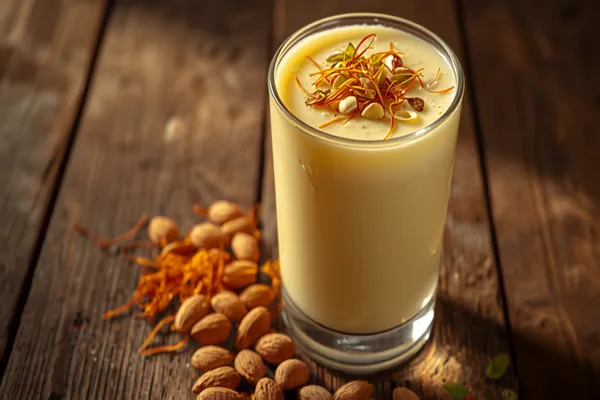
Badam Milk (Saffron Almond Milk)
Milk simmered with a paste of soaked almonds, saffron, cardamom and a whisper of nutmeg — India's rich, fragrant almond drink. Comforting served warm in winter, reviving served chilled in summer, festive any time.
Pan-Indian (Gujarat & West India especially) · Indian
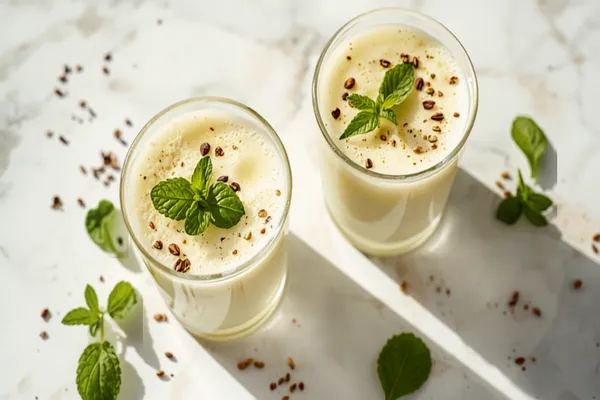
Chaas (Spiced Indian Buttermilk / Masala Chaas)
Whisked yogurt thinned with water and seasoned with cumin, green chilli, ginger and curry leaves — India's cooling, savoury buttermilk. A salty-tangy digestive that beats the heat and settles a heavy meal in two minutes.
From our kitchen community
Ratings & Reviews
My Rating
Tap a star to rate — no sign-in, no form needed.
My Review
0 Ratings
🥣 0 home cooks made it!
Be the first to rate Keema Matar (Punjabi Minced Lamb with Peas).
Related Recipes
Punjab, North India · Indian
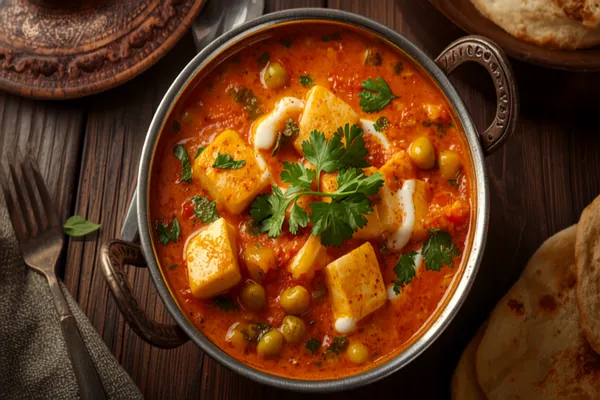
Matar Paneer (Punjabi Peas & Paneer Curry)
Soft paneer and sweet green peas simmered in a silky onion-tomato masala finished with kasuri methi and cream — the North Indian home-and-dhaba classic, rich but not heavy, and ready in under an hour.
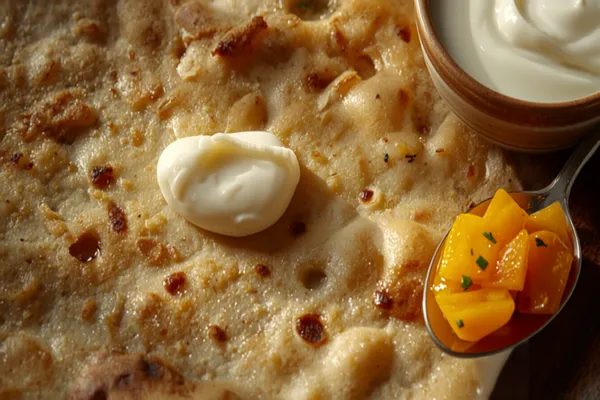
Punjab / North India · Indian
Aloo Paratha (Punjabi Stuffed Potato Flatbread)
North India's most comforting breakfast: whole-wheat flatbread stuffed with spiced mashed potato, rolled and griddled with ghee until golden and blistered. Eaten with white butter, yogurt, and pickle — the Punjabi morning, on a plate.
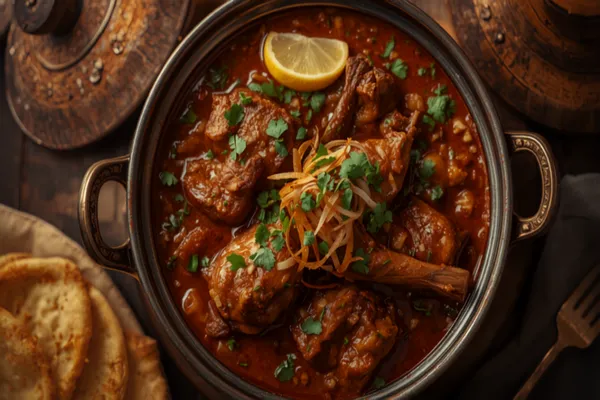
Old Delhi (Purani Dilli), Mughal era · Indian
Nihari (Old Delhi Slow-Cooked Meat Stew)
The legendary dawn stew of Mughal-era Delhi — mutton or lamb shank braised overnight in a deep, spice-laden gravy thickened with wheat flour and finished with sizzling ghee. Rich, silky and unforgettable, eaten with warm khameeri roti or naan.
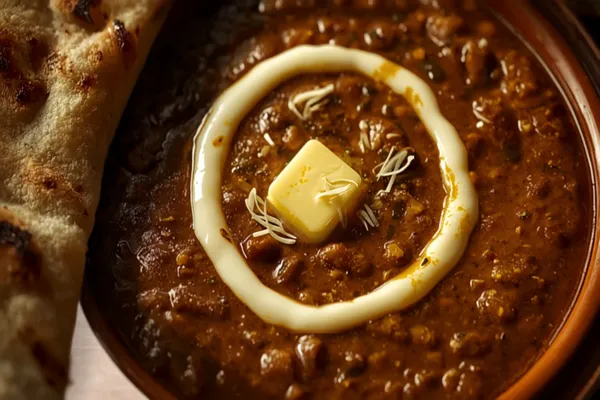
Punjab / North India · Indian
Dal Makhani (Punjabi Black Lentils)
The slow-simmered Punjabi classic: whole black urad and kidney beans cooked for hours into a velvety, smoky, buttery dal. Restaurant-rich at home — the patience is the recipe.

Cape Town and the Western Cape — the Cape Malay kitchens of the Bo-Kaap and the wider Cape · South African
Bobotie — Cape Malay Curried Mince with a Golden Egg Custard
South Africa's great baked dish: mildly curried mince sweetened with dried fruit, bound with milk-soaked bread, and finished under a thin turmeric-yellow custard with bay leaves standing in it. The two things that decide the outcome are the soaked bread and a loosely levelled top.
Further reading
- Cultural Story · North IndiaA Complete Guide to North Indian CookingThe cuisine the world knows best — and understands least. From Punjab's tandoor and dairy to Kashmir's aromatic Wazwan and Awadh's courtly kebabs, a guide to North India's regions, techniques, and where to begin.
- Ingredient Deep DiveThe Indian Spice Pantry: A Beginner's MapYou don't need a hundred spices to cook Indian food — you need a dozen, and the know-how to use them. A practical guide to the essential Indian spices, what each does, and the techniques (tadka, bhuna, dry-roasting) that unlock them.