Old Delhi (Purani Dilli), Mughal era · Indian
Nihari (Old Delhi Slow-Cooked Meat Stew)
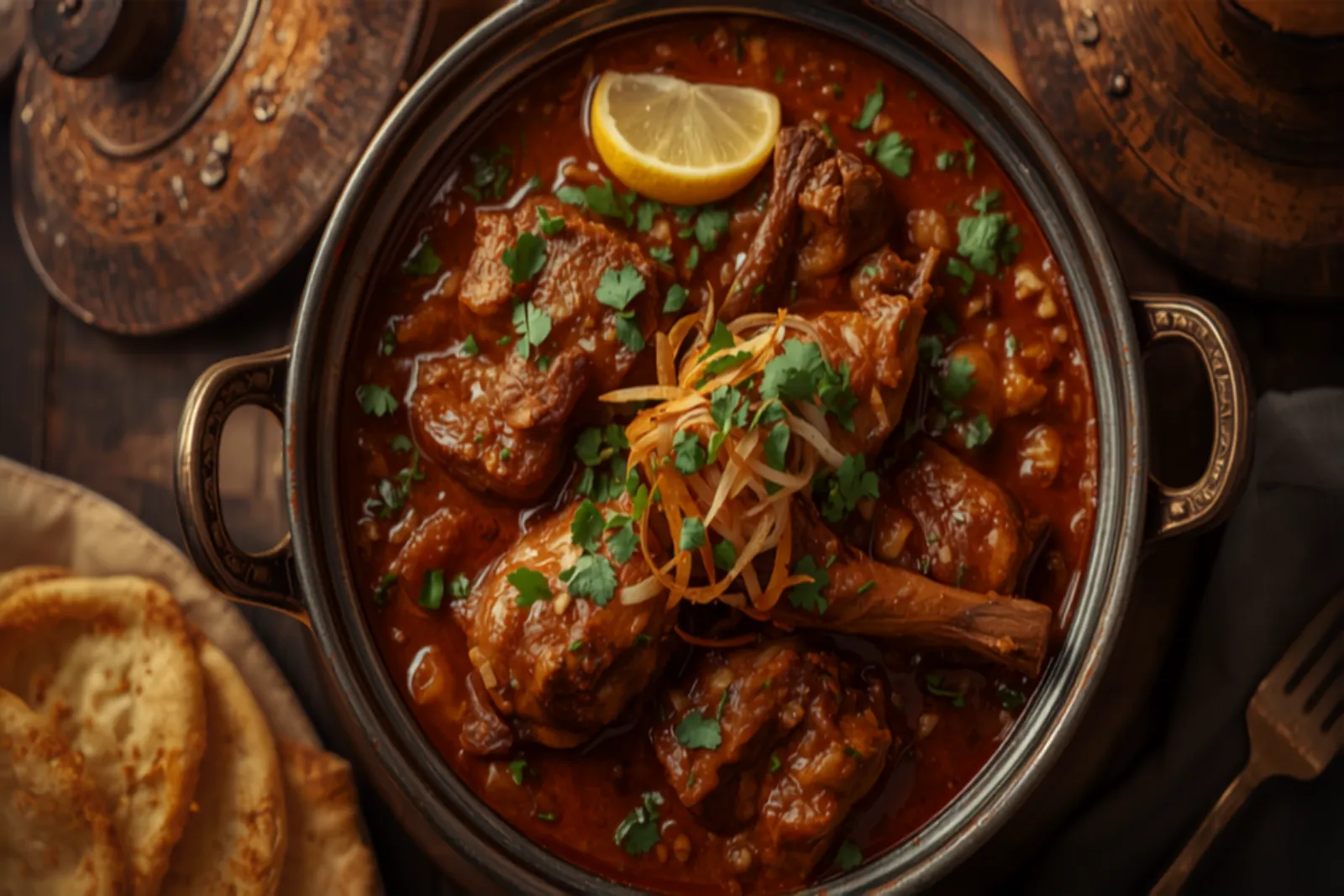
The legendary dawn stew of Mughal-era Delhi — mutton or lamb shank braised overnight in a deep, spice-laden gravy thickened with wheat flour and finished with sizzling ghee. Rich, silky and unforgettable, eaten with warm khameeri roti or naan.
Published July 7, 2026
Cultural context
Nihari takes its name from the Arabic 'nahar' (morning): a rich, slow-cooked meat stew simmered overnight and eaten at dawn after the Fajr prayer, said to have been created for nawabs and labourers alike in Mughal-era Delhi. It is cherished across the subcontinent — Delhi, Lucknow and Bhopal each claim a version, and it is a beloved weekend ritual in Pakistan too. This recipe follows the Purani Dilli style.
Nihari is the great slow stew of Mughal-era Delhi — mutton or lamb shank braised for hours in a deep, spice-laden gravy until the meat surrenders off the bone and the marrow melts into a silky, mouth-coating sauce. Its name comes from the Arabic nahar, “morning”: it was cooked overnight in great sealed cauldrons and eaten at dawn, a dish built to carry you through a whole day of work. Few dishes in North Indian cooking reward patience so completely.
A dish the whole subcontinent claims
Delhi, Lucknow and Bhopal each keep their own nihari, and after 1947 the dish took deep root in Karachi, where it became a Sunday-morning ritual. Rather than belonging to any one city or country, nihari is a shared inheritance of Mughlai kitchens — proof of how one great idea, a long braise and a warming spice mix, travels and puts down new roots. This is the Purani Dilli (Old Delhi) style, the one you’d eat standing at a stall near Jama Masjid.
Why the long, low braise matters
Shank is full of collagen and connective tissue, and that is exactly the point. Over three to four hours on the gentlest heat, that collagen dissolves into gelatin, thickening the liquid and giving nihari its famous body — no cornflour, no cream, just meat and time. Add a marrow bone or two (nalli) and the richness deepens further. The traditional bhuna step before the water goes in — searing the meat and blooming the ground spices in ghee — is what builds the roasted, layered depth underneath all that richness.
The flour slurry and the final sizzle
Two touches turn a good meat curry into nihari. First, a whisked whole-wheat atta slurry stirred in near the end, which binds the fat and stock into one glossy, cohesive gravy. Second, the baghar: a last flourish of ghee and dark-fried onion poured sizzling over the top, sealing in an aroma you catch before the first spoonful. Finish with sharp ginger, green chilli, coriander and lemon to cut the richness, and scoop it up with warm khameeri roti or naan.
For more on building Mughlai depth, read our North Indian cooking guide, or try its cousin the slow-braised Kashmiri rogan josh.
Ingredients
For the meat and braise
- 1.25 kg (2.5 lb) mutton or lamb, bone-in shank and shoulder Cut into large 5 cm pieces; ask the butcher for a couple of marrow bones (nalli) — they melt into the gravy and make it silky.
- 1/2 cup ghee Plus 3 tbsp neutral oil. Nihari is a rich dish; the fat carries the spice.
- 2 large onions, thinly sliced
- 2 tbsp ginger-garlic paste
- 2 tsp Kashmiri red chilli powder For deep red colour without punishing heat.
- 1 tsp turmeric
- to taste salt
- 1 tbsp coriander seeds
- 1 tsp cumin seeds
- 6 green cardamom pods
- 2 black cardamom pods
- 1 cinnamon stick
- 6 cloves
- 10 black peppercorns
- 1 blade mace (javitri)
- 1/4 nutmeg, grated
- 1 tsp dried ginger powder (sonth)
- 1 bay leaf
- 1 onion, thinly sliced, for the baghar (tempering)
- 2 green chillies, slit
- 1 handful fresh coriander, chopped
- 1 lemon, cut into wedges
- fried onions (birista), to scatter
For the nihari masala (whole spices for the potli)
- 2 tbsp fennel seeds (saunf)
For thickening and finishing
- 1/2 cup whole wheat flour (atta) Whisked into a lump-free slurry with water — this is what gives nihari its glossy, clinging body.
To garnish
- 5 cm piece fresh ginger, julienned
Method
Tap a step’s number to check it off as you go.
-
Dry-roast all the whole nihari-masala spices in a pan over low heat for 2–3 minutes until fragrant, then grind to a coarse powder. Tie half of it into a small square of muslin (a potli) and keep the other half loose.
Why: Roasting wakes up the essential oils. Splitting the masala — some loose in the pot, some in a potli you can lift out — lets you control the intensity: the tied bundle infuses gently without the ground grit clouding the gravy.
-
Heat the ghee and oil in a heavy pot. Fry the sliced onions slowly over medium heat for 20–25 minutes until evenly deep golden brown, then remove half for garnish.
Why: Slow, patient browning is the flavour base of the whole dish. Rushing it on high heat gives you burnt edges and raw centres — you want uniform caramel colour for sweetness and body.
-
To the remaining onions and fat, add the ginger-garlic paste and cook 1 minute, then add the meat, marrow bones, Kashmiri chilli, turmeric, the loose ground masala and salt. Bhuna (stir-fry) the meat for 8–10 minutes until it is seared and the spices coat it.
Why: Bhuna-ing sears the meat and blooms the ground spices in fat, building the roasted, layered depth that raw simmering can't. This step is where nihari gets its colour and its backbone.
-
Pour in about 2.5 litres of hot water, drop in the spice potli, cover tightly, and bring to a gentle simmer. Cook on the lowest possible heat for 3–4 hours (or until the meat is falling off the bone), topping up with hot water if needed. Remove the potli once the gravy smells rich.
Why: The long, low braise is the soul of nihari — collagen in the shank and the marrow slowly dissolve into the liquid, thickening it naturally and giving that mouth-coating richness. Traditional degs were sealed with dough and left over coals all night for exactly this.
-
Whisk the atta with about 1 cup of water into a smooth, lump-free slurry. Ladle a little hot gravy into it to temper, then pour it slowly back into the simmering pot, stirring constantly. Simmer another 15–20 minutes until the gravy is glossy and thickened to a pourable, soup-like consistency.
Why: The wheat slurry is what separates nihari from an ordinary curry — it binds the fat and stock into a silky, cohesive gravy. Tempering it first and pouring slowly while stirring prevents raw flour lumps.
-
For the baghar, fry the last sliced onion in a little ghee until crisp and dark brown, then pour the sizzling onions and fat over the top of the nihari and cover immediately for 5 minutes.
Why: That final sizzle of ghee and browned onion floats a fragrant, smoky slick across the surface — the aromatic signature you smell before the first spoonful. Covering traps the aroma back into the pot.
-
Serve hot, topped with julienned ginger, green chilli, coriander, fried onions and a squeeze of lemon, alongside warm khameeri roti, naan or kulcha.
Why: The fresh, sharp garnishes cut the richness — ginger and lemon lift each bite so the deep, fatty gravy never feels heavy. Nihari is meant to be a shared, unhurried meal.
A quick, anonymous tap — no review needed.
Variations
- Beef nalli nihari
Use bone-in beef shank with marrow bones and extend the braise to 5–6 hours — the classic Pakistani and buff-nihari version, even richer and more gelatinous.
- Chicken nihari
A quicker weeknight take: use bone-in chicken thighs and legs and cut the braise to about 45 minutes. Lighter, though it lacks the deep collagen body of the shank version.
- Pressure-cooker shortcut
Braise the meat under pressure for 45–50 minutes to soften it, then finish the flour slurry and baghar on the stovetop as usual.
Serving & Storage
Serve piping hot in wide bowls with plenty of garnish and warm khameeri roti or naan for scooping. A weekend or festive centrepiece — traditionally a breakfast, but wonderful any time it can be eaten slowly.
Pairs with: Khameeri roti, Naan, Kachumber salad, Masala chai.
Storage: Nihari improves overnight as the flavours settle. Keeps 3 days refrigerated and freezes well for up to 2 months; reheat gently with a splash of hot water to loosen the gravy.
Nutrition
Per serving (1 serving with gravy)
- Calories
- 480
- Protein
- 34 g
- Carbs
- 14 g
- Fat
- 32 g
- Fiber
- 2 g
- Sugar
- 3 g
- Sodium
- 620 mg
Notable micronutrients: Iron, Zinc, Vitamin B12
Estimated using standard ingredient data. Values vary with brands and substitutions.
Frequently Asked Questions
Why is my nihari gravy thin instead of silky?
Two usual culprits: not enough collagen-rich meat, or a skipped flour slurry. Use bone-in shank with a marrow bone or two and braise long and low so the connective tissue melts in, then finish with the whisked atta slurry — that combination is what gives nihari its glossy, clinging body rather than a watery broth.
What is the potli and can I skip it?
The potli is a muslin bundle of whole spices you drop into the pot so they infuse gently and can be lifted out before serving. You can skip it and add all the masala loose, but then grind it fine and expect a slightly grittier, more intense gravy. The bundle simply gives cleaner, more controlled flavour.
Is nihari from India or Pakistan?
Both claim it, and both are right. Nihari originated in Mughal-era Delhi (with Lucknow and Bhopal offering their own versions) and travelled to Karachi and beyond after 1947, where it became a beloved weekend institution. It's a shared subcontinental treasure rather than any single country's alone.
What to drink with this
All drinks →Hand-picked pours to match this dish.
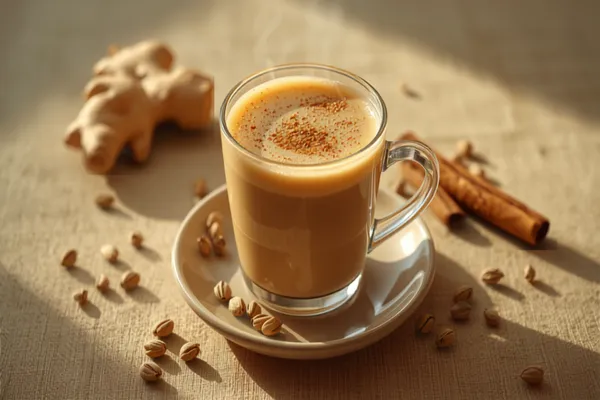
Pan-Indian (the everyday tea of the subcontinent) · Indian
Masala Chai (Spiced Indian Tea)
India's daily ritual in a cup: black tea brewed with milk, sugar and freshly crushed spices. The proper stovetop method, plus how to build your own masala.
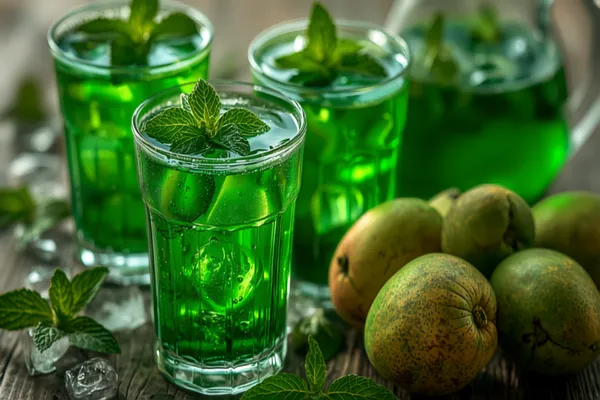
North & West India (peak-summer drink across the subcontinent) · Indian
Aam Panna (Raw Green Mango Summer Cooler)
India's tangy, jade-green raw-mango cooler — roasted or boiled green mangoes blended with cumin, black salt and mint. The traditional heat-stroke remedy that tastes like summer.
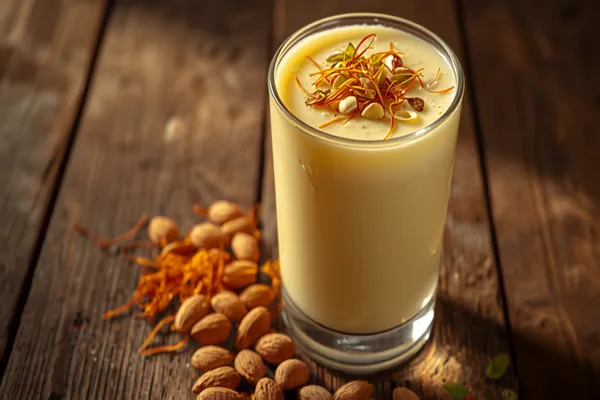
Pan-Indian (North & West India) · Indian
Badam Milk (Saffron Almond Milk)
Milk simmered with a paste of soaked almonds, saffron, cardamom and a whisper of nutmeg — India's rich, fragrant almond drink. Comforting served warm in winter, reviving served chilled in summer, festive any time.
From our kitchen community
Ratings & Reviews
My Rating
Tap a star to rate — no sign-in, no form needed.
My Review
0 Ratings
🥣 0 home cooks made it!
Be the first to rate Nihari (Old Delhi Slow-Cooked Meat Stew).
Related Recipes
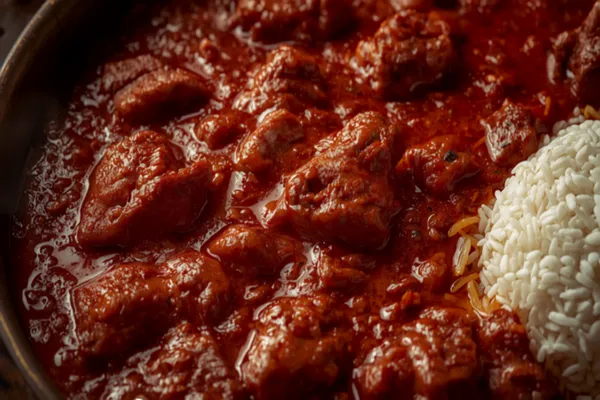
Kashmir / North India · Indian
Kashmiri Rogan Josh (Aromatic Red Lamb Curry)
The Kashmiri Wazwan classic: lamb slow-cooked in a brick-red gravy coloured by Kashmiri chilies and ratan jot, perfumed with fennel, ginger powder, and warm spices — and, in the Pandit style, no onion or garlic. Aromatic, not fiery.
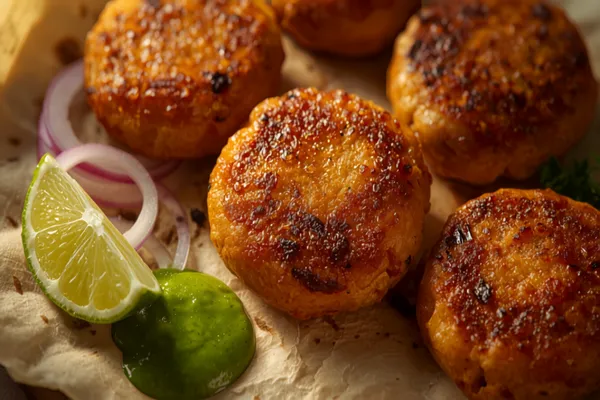
Lucknow, Awadh (Uttar Pradesh) / North India · Indian
Galouti Kebab (Lucknowi Melt-in-the-Mouth Mince Kebab)
The legendary Awadhi kebab said to be invented for a toothless Nawab: spiced minced meat tenderised with raw papaya and enriched with ghee, fried into soft patties that dissolve on the tongue. Lucknow's edible silk.
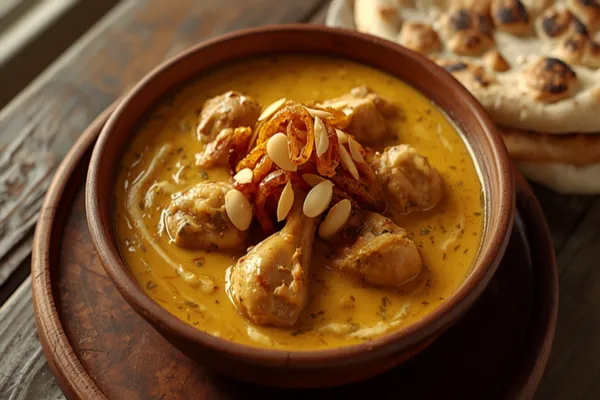
Mughlai (Delhi, Lucknow) / North India · Indian
Chicken Korma (Mughlai Creamy Curry)
A royal Mughlai curry: chicken braised in a mild, fragrant sauce of yogurt, fried onions and nut paste, scented with cardamom and saffron. Rich and aromatic rather than fiery.
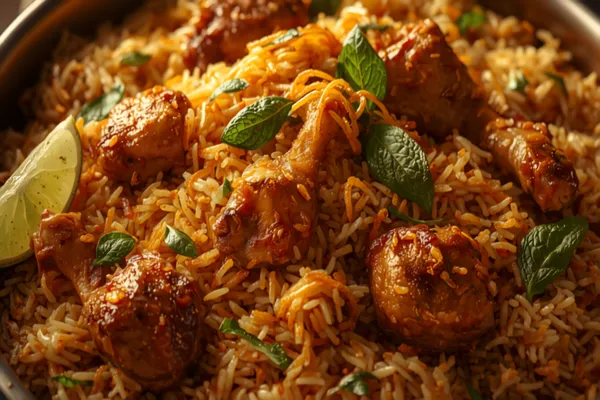
Hyderabad, Telangana / Deccan · Indian
Hyderabadi Chicken Biryani (Dum Biryani)
The jewel of Hyderabad's Deccan kitchens: chicken marinated in yogurt and spice, layered raw with par-cooked basmati, and sealed to cook on slow dum. The kachay gosht method that makes it legendary — and how to get it right at home.
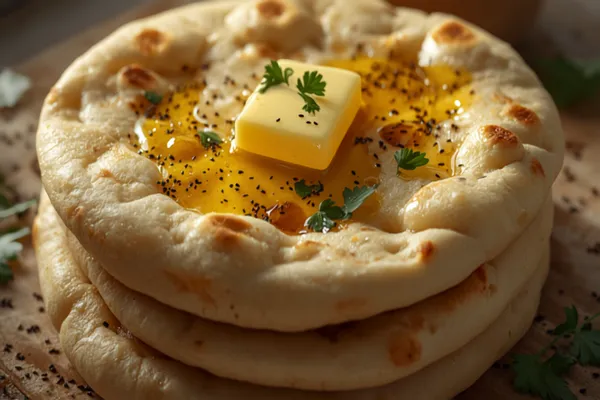
North India (via Persia and Central Asia) · Indian
Naan (Soft Leavened Flatbread)
The pillowy, blistered flatbread of North Indian restaurants — made at home on a hot skillet or under the broiler, no tandoor required. Soft, chewy, and brushed with butter.
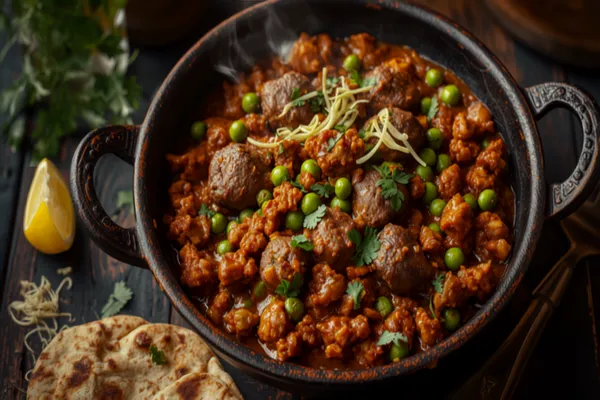
North India (Punjab & the Mughlai belt) · Indian
Keema Matar (Punjabi Minced Lamb with Peas)
The North Indian comfort classic: lamb or mutton mince slow-fried into a deep, spiced masala with sweet green peas. The secret is the bhuna — searing the meat hard until the fat runs and the spices caramelize.
Further reading
- Cultural Story · North IndiaA Complete Guide to North Indian CookingThe cuisine the world knows best — and understands least. From Punjab's tandoor and dairy to Kashmir's aromatic Wazwan and Awadh's courtly kebabs, a guide to North India's regions, techniques, and where to begin.
- Ingredient Deep DiveThe Indian Spice Pantry: A Beginner's MapYou don't need a hundred spices to cook Indian food — you need a dozen, and the know-how to use them. A practical guide to the essential Indian spices, what each does, and the techniques (tadka, bhuna, dry-roasting) that unlock them.