North India / pan-Indian street food · Indian
Samosa (Punjabi Aloo Samosa)
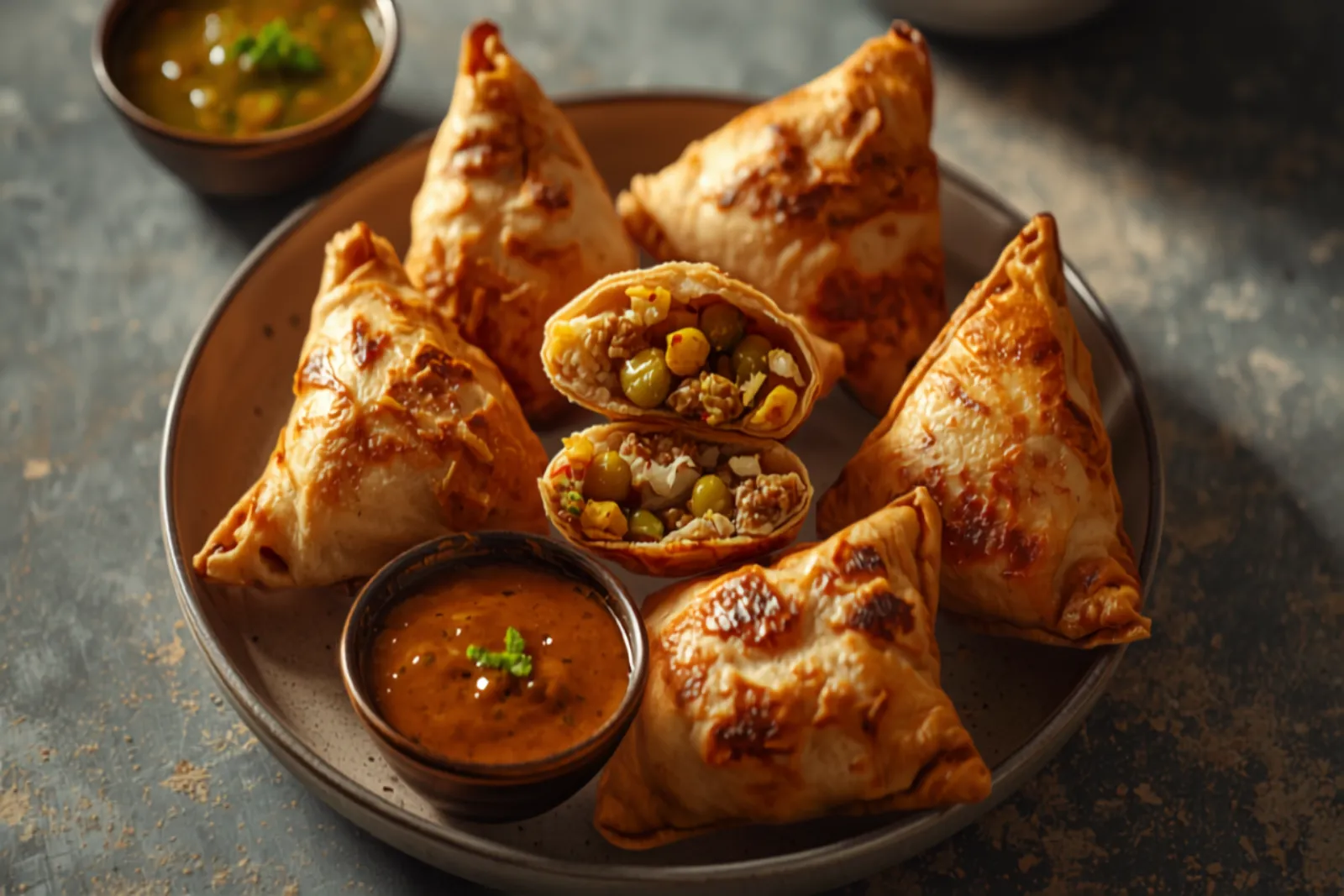
India's most famous snack: a crisp, flaky pastry triangle stuffed with spiced potatoes and peas. Made from scratch, with the secret of a low-and-slow fry for that signature blistered crust.
Published July 17, 2026
Cultural context
The samosa travelled to India from Central Asia and Persia (where the sambusak was a meat pastry) by the medieval period, and was adapted into the now-iconic potato-and-pea version of North India. Today it's the country's defining tea-time and street snack, sold everywhere from railway platforms to wedding buffets.
The samosa is India’s snack without rival — a crisp, flaky pastry triangle packed with spiced potatoes and peas, sold on every street corner and served at every celebration. It arrived centuries ago from Central Asia and Persia and was reinvented around the potato into the version the subcontinent now claims as its own.
The crust is the whole game
A great samosa is defined by its shell: crisp, flaky, with a faintly blistered, glassy surface. Two things deliver it. First, a stiff dough with plenty of ghee rubbed in (the moyan) — soft dough makes soft, greasy samosas. Second, and most important, a low and slow fry. Frying at a gentle 140–150°C for a quarter of an hour sets the crust gradually; rushing it on high heat gives you a bubbled, oily disappointment.
A filling with tang
The potato filling should taste lively, not bland. Amchur brings the signature tang, crushed coriander seeds add texture and aroma, and ginger and green chili keep it bright. Mash the potatoes roughly — a little chunk is welcome.
Shape, seal, serve
Form cones, fill, and seal carefully so no oil sneaks in. Serve hot with tamarind and mint-coriander chutneys, ideally alongside a cup of masala chai — or break them into a samosa chaat. Round out a North Indian spread with chole bhature and finish sweet with jalebi.
Ingredients
For the pastry
- 2 cups all-purpose flour (maida)
- 4 tbsp ghee or oil (moyan) Rubbing fat into the flour is what makes the crust flaky — don't skimp.
- 1/2 tsp ajwain (carom seeds)
- 1/2 tsp salt, cold water to bind
For the filling
- 4 potatoes, boiled and roughly mashed
- 1/2 cup green peas, boiled
- 1 tsp cumin seeds
- 1 inch ginger, minced
- 1–2 green chilies, chopped
- 1 tsp coriander seeds (crushed), 1/2 tsp garam masala, 1 tsp amchur (dried mango powder), 1/2 tsp red chili powder, salt
- 2 tbsp chopped coriander leaves
To fry
- neutral oil, for deep-frying
Method
Tap a step’s number to check it off as you go.
-
Rub the ghee into the flour with ajwain and salt until it resembles coarse crumbs and holds shape when pressed. Add cold water a little at a time to make a stiff, firm dough. Rest, covered, 30 minutes.
Why: A stiff dough with plenty of rubbed-in fat is the key to a crisp, flaky, blistered crust. A soft dough gives soft, oily samosas — the opposite of what you want.
-
For the filling, temper cumin in oil, add ginger, chilies and crushed coriander, then the mashed potato, peas and dry spices. Cook a few minutes, finish with amchur and coriander leaves, and cool completely.
Why: Amchur gives the tangy lift that defines a good aloo filling; cooling fully prevents the hot filling from steaming and weakening the pastry.
-
Divide the dough into 6 balls, roll each into an oval and cut in half. Form each half into a cone, fill it, and seal the top edge with a little water, pleating to close.
Why: A well-sealed cone holds the filling and gives the classic triangular shape; any gap will let oil in and filling out during frying.
-
Fry in oil kept at a LOW-medium heat (about 140–150°C) for 12–15 minutes, turning, until pale gold and crisp, then raise the heat briefly at the end to deepen the colour.
Why: Low, slow frying is the single most important secret: it sets the crust gradually and creates the blistered, glassy, restaurant-style texture. Frying hot gives a bubbled, soft, greasy shell.
A quick, anonymous tap — no review needed.
Variations
- Keema samosa
Fill with spiced minced lamb or chicken instead of potato for the Mughlai-style meat samosa.
- Baked
Brush with oil and bake at 200°C for 25–30 minutes; less flaky than fried but lighter.
- Air-fryer
Air-fry at 180°C for about 18–20 minutes, turning once, for a lower-oil version.
Serving & Storage
Serve hot with tamarind (imli) chutney and green coriander-mint chutney. Samosa chaat — broken up and topped with chickpeas, yogurt and chutneys — is a popular way to serve them too.
Pairs with: Tamarind chutney, Mint-coriander chutney, Masala chai, Chole.
Storage: Best fresh and hot. Shaped, unfried samosas freeze well for up to a month — fry from frozen on low heat. Fried samosas can be re-crisped in an oven or air-fryer.
Nutrition
Per serving (2 samosas)
- Calories
- 340
- Protein
- 6 g
- Carbs
- 44 g
- Fat
- 16 g
- Fiber
- 4 g
- Sugar
- 3 g
- Sodium
- 480 mg
Notable micronutrients: Vitamin C, Potassium
Estimated using standard ingredient data. Values vary with brands and substitutions.
Frequently Asked Questions
Why are my samosas not crispy?
Two usual culprits: too soft a dough (use a stiff dough with plenty of rubbed-in ghee) and frying too hot. The secret is a low, slow fry — about 140–150°C for 12–15 minutes — which sets the crust gradually into a crisp, blistered shell.
Can I make samosas ahead?
Yes. Shape them, freeze on a tray, then bag them. Fry straight from frozen on low heat — no need to thaw. This is how many home cooks keep samosas ready for guests.
What makes the filling taste like a street samosa?
Amchur (dried mango powder) for tang, crushed-not-ground coriander seed for texture, and a generous hand with green chili and ginger. The potatoes should be roughly mashed with some chunks, not smooth.
What to drink with this
All drinks →Hand-picked pours to match this dish.
Pan-Indian (the everyday tea of the subcontinent) · Indian
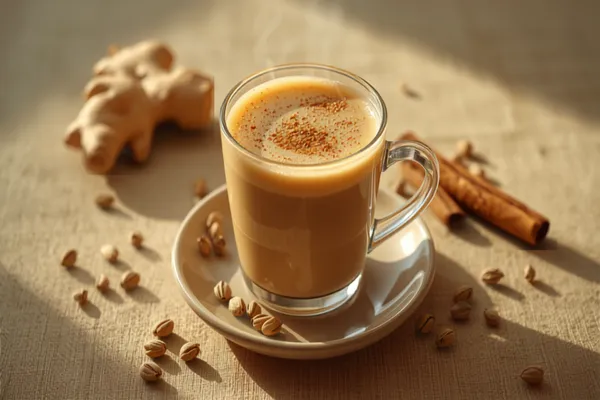
Masala Chai (Spiced Indian Tea)
India's daily ritual in a cup: black tea brewed with milk, sugar and freshly crushed spices. The proper stovetop method, plus how to build your own masala.

North & West India (peak-summer drink across the subcontinent) · Indian
Aam Panna (Raw Green Mango Summer Cooler)
India's tangy, jade-green raw-mango cooler — roasted or boiled green mangoes blended with cumin, black salt and mint. The traditional heat-stroke remedy that tastes like summer.
Pan-Indian (North & West India) · Indian
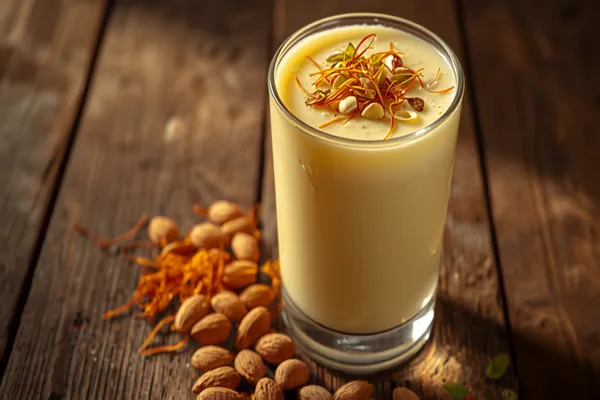
Badam Milk (Saffron Almond Milk)
Milk simmered with a paste of soaked almonds, saffron, cardamom and a whisper of nutmeg — India's rich, fragrant almond drink. Comforting served warm in winter, reviving served chilled in summer, festive any time.
From our kitchen community
Ratings & Reviews
My Rating
Tap a star to rate — no sign-in, no form needed.
My Review
0 Ratings
🥣 0 home cooks made it!
Be the first to rate Samosa (Punjabi Aloo Samosa).
Related Recipes
Punjab / Delhi / North India · Indian
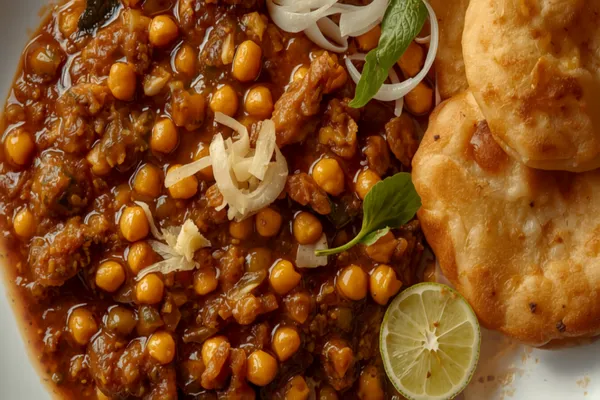
Chole Bhature (Punjabi Spiced Chickpeas with Fried Bread)
The North Indian brunch champion: deeply spiced, tangy chole (chickpea curry) paired with bhature — soft, pillowy deep-fried leavened bread. Indulgent, satisfying, and a Delhi-Punjab institution.
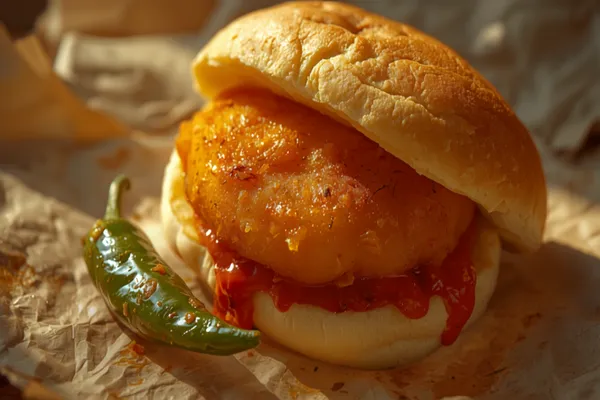
Mumbai, Maharashtra / West India · Indian
Vada Pav (Mumbai's Spiced Potato Burger)
Mumbai's beloved street snack and unofficial city sandwich: a spiced, deep-fried potato dumpling (batata vada) tucked into a soft pav with dry garlic chutney and a fried green chili. Cheap, fiery, and completely addictive.
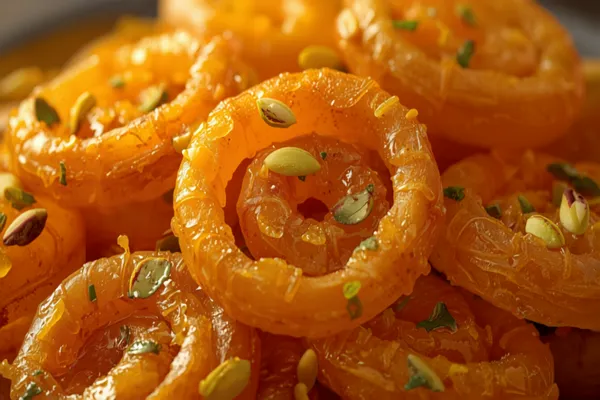
North India / pan-Indian (and across West and South Asia) · Indian
Jalebi (Crisp Syrup-Soaked Spirals)
India's festive sweet: fermented batter piped into spirals, fried crisp, and soaked in saffron syrup. Crunchy outside, juicy inside, and best eaten hot.
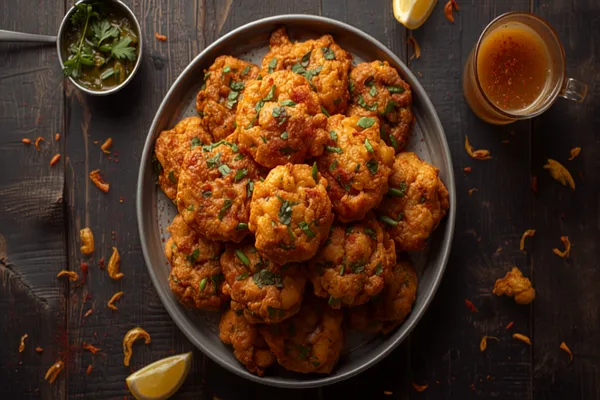
North India, Punjab–Delhi belt · Indian
Pyaaz Pakoda (Crispy Onion Pakora)
The North Indian monsoon snack: slivered onions bound with just enough besan, spiked with ajwain and green chilli, fried into shaggy, shatteringly crisp fritters. No thick batter, no soggy middles — and a cup of masala chai alongside.
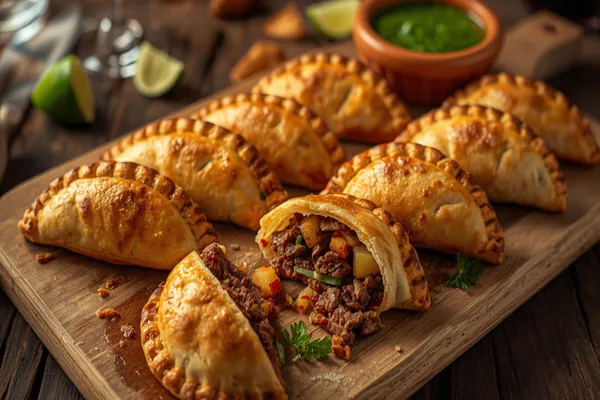
Salta, in the Andean north-west of Argentina — the high valleys around the capital and the Calchaquí wine country · Argentine
Empanadas Salteñas (Salta-Style Argentine Beef Empanadas)
The empanada Argentina argues about and Salta gets right — hand-chopped beef, soft potato and spring onion bound in cumin-red beef fat, sealed in a thin tallow pastry that bakes juicy enough to eat leaning forward.
Further reading
- Cultural Story · North IndiaA Complete Guide to North Indian CookingThe cuisine the world knows best — and understands least. From Punjab's tandoor and dairy to Kashmir's aromatic Wazwan and Awadh's courtly kebabs, a guide to North India's regions, techniques, and where to begin.
- Ingredient Deep DiveThe Indian Spice Pantry: A Beginner's MapYou don't need a hundred spices to cook Indian food — you need a dozen, and the know-how to use them. A practical guide to the essential Indian spices, what each does, and the techniques (tadka, bhuna, dry-roasting) that unlock them.