The Swahili Coast — Mombasa, Zanzibar, and Dar es Salaam, and inland across Kenya, Tanzania and Uganda · Kenyan & Tanzanian (Swahili Coast)
Mandazi (Swahili Coast Coconut-Cardamom Fried Bread)
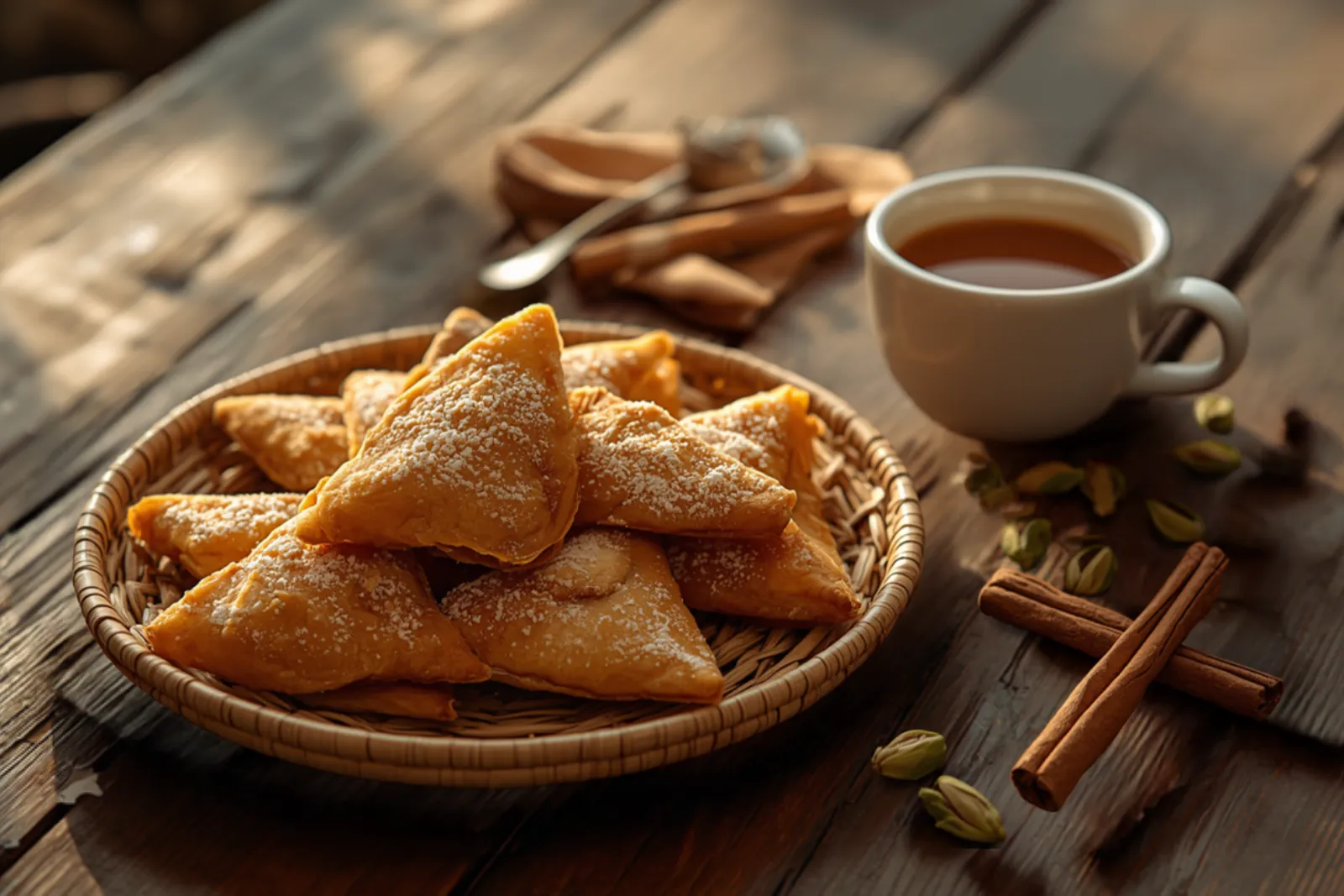
East Africa's beloved breakfast bread: a pillowy, lightly sweet fried dough perfumed with cardamom and coconut milk. Crisp outside, tender within, and made for dunking in hot chai.
Published September 27, 2026
Cultural context
Mandazi is Swahili home cooking's daily bread: a yeasted, lightly sweet dough deep-fried until it puffs into a golden pillow. Centuries of Indian Ocean trade brought cardamom and cinnamon from South Asia and Arabia to the Swahili coast, where they met local coconut to make the coconut-and-cardamom version most people mean when they say mandazi today — elsewhere in East Africa it's often called mahamri or maandazi. It's everyday food, not a single nation's invention, made fresh most mornings and sold hot from roadside stalls from Mombasa to Kampala.
Mandazi is East Africa’s everyday bread — a pillowy, lightly sweet dough perfumed with cardamom and coconut milk, deep-fried until it puffs into a golden, hollow-hearted pillow. Along the Swahili coast, from Mombasa’s old town to the spice-scented lanes of Zanzibar, it’s the smell that means breakfast: dough hitting hot oil at dawn, sold hot off the pan by street vendors and made fresh in home kitchens before the day gets moving.
A coastline shaped by trade
The Swahili coast has spent a thousand years as a crossroads — dhows sailing the monsoon winds between East Africa, the Arabian peninsula and the Indian subcontinent, trading not just goods but spices and techniques. Cardamom and cinnamon arrived this way and settled permanently into Swahili baking, while coconut palms along the coastline supplied the milk that gives the richest versions of this bread — sometimes called mahamri to distinguish them from plainer, milk-and-water mandazi — their signature depth. The result belongs to no single country: it’s cooked the same way, under slightly different names, from Kenya’s coast through Tanzania and Zanzibar and inland across Uganda.
Why the dough gets a real rise
Unlike a quick fried dough that goes straight from mixing bowl to hot oil, mandazi dough is yeasted and given a full rise before shaping. That patience is what separates a good mandazi from a dense one: the gluten network built during kneading and proofing traps steam as the piece hits the oil, and that trapped steam is what makes it balloon into a light, hollow-centered puff instead of frying flat and greasy. Basting the tops with hot oil in the first few seconds of frying helps push that puff along evenly on both sides.
How to eat it
Mandazi is built for dunking — torn open and dipped into strong, well-spiced chai until it softens at the edges. It travels well beyond breakfast too, served alongside a coconut bean stew for lunch or simply eaten out of hand as a snack with fresh fruit. However it’s served, it’s meant to be eaten the day it’s fried, still faintly warm, with tea close at hand.
For another West African fried-dough classic, try Puff-Puff, or brew the chai mandazi was made for with our Masala Chai recipe. More on East Africa’s other great bread in the World Classics guide.
Ingredients
For the dough
- 4 cups (500 g) all-purpose flour Plus extra for dusting the work surface.
- 2 1/4 tsp active dry yeast One standard packet.
- 1/2 cup (100 g) granulated sugar
- 1 tsp fine salt
- 1 tsp ground cardamom Freshly cracked green cardamom pods, ground, if you can manage it — the aroma is much brighter than pre-ground.
- 1 1/4 cups (300 ml) full-fat coconut milk Warmed to lukewarm (about body temperature) to help the yeast wake up. Shake the can well before measuring.
- 2 tbsp neutral oil or melted coconut oil
For frying
- 4 cups (1 L) neutral oil Peanut, sunflower or vegetable oil all work; you want enough depth for the mandazi to float and puff.
- icing sugar or cinnamon sugar, for dusting (optional)
Method
Tap a step’s number to check it off as you go.
-
Whisk the flour, yeast, sugar, salt and cardamom together in a large bowl.
Why: Mixing the yeast into the dry ingredients first, rather than blooming it alone in liquid, spreads it evenly through the dough without a separate proofing step.
-
Pour in the warm coconut milk and oil, and mix until a shaggy dough forms, then knead by hand for 8–10 minutes (or 5–6 minutes on a stand mixer's low speed) until smooth, soft and slightly tacky.
Why: A longer knead than most quick breads builds enough gluten to trap steam, which is what makes the mandazi puff up hollow and light in the oil rather than frying dense.
-
Cover and let rise in a warm spot for about 1 hour, until roughly doubled.
Why: This first rise is what gives mandazi its bread-like, slightly chewy crumb — resist the urge to skip it and go straight to frying, which yields flat, dense pieces.
-
Punch down the dough, divide into 12 equal pieces, and roll each into a ball, then flatten into a disc about 1/3 inch (8 mm) thick. For the classic look, cut a few discs into triangles instead.
Why: An even thickness across all the pieces means they finish frying at the same time, so nothing burns while you wait on a thicker piece.
-
Cover loosely and let the shaped pieces rest for 10–15 minutes while the oil heats.
Why: This short second proof relaxes the gluten so the dough doesn't fight back and shrink when it hits the hot oil.
-
Heat the oil in a deep, heavy pot to 320–330°F (160–165°C). Fry the mandazi in small batches, 2–3 at a time, spooning hot oil over the tops for the first few seconds.
Why: Mandazi fry at a gentler temperature than most doughnuts — hot enough to puff the dough, cool enough that the inside cooks through before the outside over-browns. Basting the tops with oil helps them balloon evenly on both sides.
-
Fry for about 2–3 minutes per side, turning once, until deep golden brown and cooked through. Drain on a paper-towel-lined rack.
Why: Cutting one open is the only sure test the first time — the crumb inside should look like a soft, slightly stretchy bread, not wet dough.
-
Dust with icing sugar or cinnamon sugar while still warm, if using, and serve.
A quick, anonymous tap — no review needed.
Variations
- Mahamri (extra coconut)
Swap in a full cup of grated fresh or dried coconut kneaded into the dough for an even more pronounced coconut flavour — the version most common in Zanzibar and along the Tanzanian coast.
- Quick mandazi (no yeast)
For a same-morning version, replace the yeast with 1 tbsp baking powder and skip both rises — the texture is closer to a cake doughnut than the classic bready puff, but it's ready in 20 minutes.
- Spiced sugar dust
Whisk a pinch of ground cinnamon or nutmeg into the icing sugar before dusting for a warmer, dessert-leaning finish.
Serving & Storage
Serve warm alongside strong masala chai or Kenyan-style milky tea for breakfast — mandazi is built for dunking. They're equally at home next to a savoury bean stew for a light lunch.
Pairs with: Masala chai, Kenyan spiced tea, Coconut bean stew, Fresh mango or papaya.
Storage: Keeps at room temperature in an airtight container for 1–2 days; the crumb is best the day it's fried. Reheat briefly in a warm oven or dry skillet to re-crisp. Cooked mandazi freeze well for up to 2 months — thaw and reheat before serving.
Nutrition
Per serving (2 pieces)
- Calories
- 310
- Protein
- 5 g
- Carbs
- 42 g
- Fat
- 14 g
- Fiber
- 2 g
- Sugar
- 10 g
- Sodium
- 260 mg
Notable micronutrients: Manganese, Iron, Selenium
Estimated using standard ingredient data. Values vary with brands and substitutions.
Frequently Asked Questions
What's the difference between mandazi and mahamri?
They're close cousins from the same coastline. Mandazi is the broader term for East Africa's fried, lightly sweet bread; mahamri (or mamri) specifically refers to the coconut-milk-and-cardamom version most common in Zanzibar and along the Tanzanian coast — which, confusingly, is also what most people picture when they hear 'mandazi' today. This recipe makes that coconut-cardamom style.
Why didn't my mandazi puff up?
Almost always the oil temperature. Too cool (below about 300°F/150°C) and the dough soaks up oil and sits flat before it can steam and expand; too hot and the outside scorches before the inside cooks. A thermometer earns its keep here — aim for a steady 320–330°F (160–165°C), and spoon hot oil over the tops for the first few seconds to help them balloon.
Can I make the dough ahead?
Yes — after the first rise, punch it down, cover tightly, and refrigerate overnight. Let it come back to room temperature for 30–45 minutes before shaping and frying, which actually deepens the flavour slightly.
What to drink with this
All drinks →Hand-picked pours to match this dish. Alcoholic pairings are for adults of legal drinking age (21+ in the US) — please drink responsibly.
Pan-Indian (the everyday tea of the subcontinent) · Indian
Masala Chai (Spiced Indian Tea)
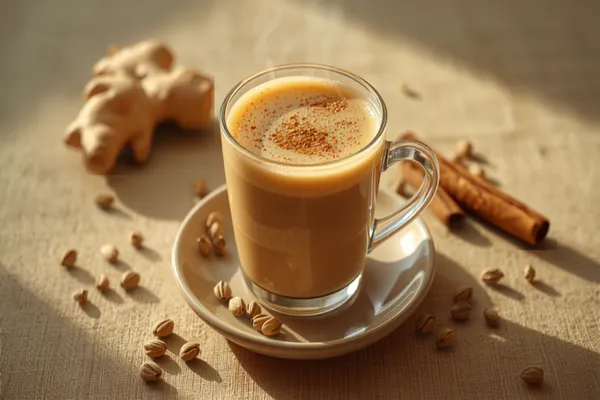
India's daily ritual in a cup: black tea brewed with milk, sugar and freshly crushed spices. The proper stovetop method, plus how to build your own masala.

Mexico (agua fresca tradition) · Mexican
Agua de Jamaica (Hibiscus Iced Tea)
Mexico's ruby-red hibiscus cooler: dried jamaica flowers steeped, sweetened and chilled into a tart, refreshing agua fresca. The right steep, how to control the tartness, and why it's so good for you.
 21+
Florence, Italy (Tuscan aperitivo tradition) · Italian
Negroni (The Perfect Three-Part Aperitivo)
Equal parts gin, Campari and sweet vermouth, stirred over ice with an orange peel. Italy's great bitter aperitivo — the easiest world-class cocktail to remember and one of the hardest to improve on.
From our kitchen community
Ratings & Reviews
My Rating
Tap a star to rate — no sign-in, no form needed.
My Review
0 Ratings
🥣 0 home cooks made it!
Be the first to rate Mandazi (Swahili Coast Coconut-Cardamom Fried Bread).
Related Recipes
Lagos and southern Nigeria — and, under a dozen other names, from Ghana and Togo through Cameroon to the Congo basin · Nigerian & West African
Puff Puff — West Africa's Yeasted, Nutmeg-Scented Fried Dough
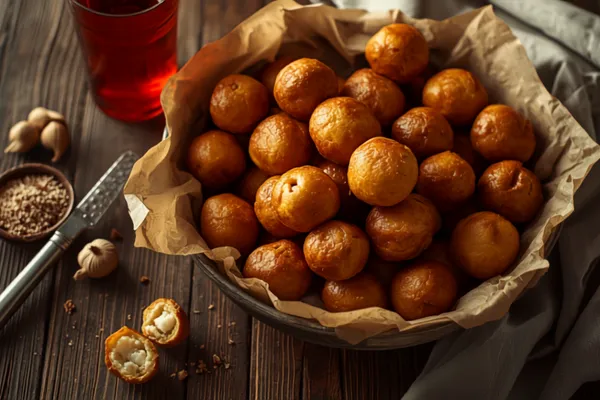
Not a doughnut and not a fritter: puff puff is a wet, live, nutmeg-scented yeast batter squeezed from a fist straight into hot oil, where it blows up into a lacquered golden sphere with a stretchy, honeycombed inside. Nigeria's party snack, and West Africa's under a dozen other names.
Pan-Indian (the everyday tea of the subcontinent) · Indian
Masala Chai (Spiced Indian Tea)
India's daily ritual in a cup: black tea brewed with milk, sugar and freshly crushed spices. The proper stovetop method, plus how to build your own masala.
The Ethiopian and Eritrean highlands — teff country, from Gojjam and Shewa north into the Eritrean plateau · Ethiopian
Injera (Ethiopian and Eritrean Teff Flatbread)
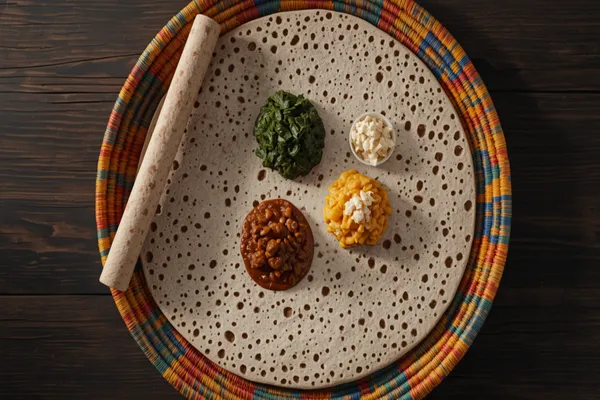
The sour, lace-holed teff flatbread that is plate, cutlery and staple across the Horn of Africa — fermented for three days, thickened with a cooked absit, and cooked on one side only until the eyes open.