Turkey (Ottoman coffee tradition) · Turkish
Turkish Coffee (Türk Kahvesi — Unfiltered & Foamy)
Finely ground coffee simmered slowly in a cezve to a rich foam, served unfiltered in tiny cups. The grind, the heat and the foam that make it — plus the ritual of the grounds left behind.
Published June 21, 2026

Cultural context
Turkish coffee is so woven into the culture it's UNESCO-listed and built into the language — 'a cup of coffee is remembered for forty years', the saying goes. Ultra-fine coffee is simmered slowly in a small long-handled pot (cezve) and poured unfiltered, foam and all, into tiny cups. The thick grounds settle at the bottom, sometimes read for fortunes when the cup is turned over.
Turkish coffee is ultra-fine coffee simmered slowly in a small long-handled pot — the cezve — and poured unfiltered, foam and all, into tiny cups. It’s so woven into the culture it’s UNESCO-listed, grounds-reading and all.
The grind is everything
The coffee must be powder-fine, finer than espresso — almost like flour. That’s what lets it foam and then settle cleanly at the bottom of the cup. A coarser grind simply won’t work; buy it ground for Turkish coffee.
Decide the sugar up front
You don’t stir the cup, so sugar goes into the cezve at the start and brews in. Sade (none), orta (medium) or şekerli (sweet) — choose before you brew.
Low, slow, and foamy
Warm it gently without boiling and watch the dark foam rise. Spoon a little foam into each cup first so everyone gets a crown, then pour it all in and let it rest a minute or two so the grounds sink. Serve in tiny cups with Turkish delight and a glass of water — and leave the muddy grounds behind. More in the Drinks guide.
Ingredients
- 2 tsp extra-finely ground coffee (Turkish grind) The grind must be powder-fine — finer than espresso. This is essential; a coarser grind won't foam or settle properly.
- 2 small cups cold water (measured in the cups you'll serve in)
- to taste sugar (none, 1 tsp, or 2 tsp per cup) Sugar is decided up front, not stirred in later — order 'sade' (none), 'orta' (medium) or 'şekerli' (sweet).
- optional a pinch of ground cardamom
Method
Tap a step’s number to check it off as you go.
-
Measure the water using your serving cups into the cezve. Add the coffee and any sugar, and stir once to combine, then stop stirring.
Why: Measuring with the cups gives the right ratio; stirring once wets the grounds, but stirring again later would break the foam you're about to build.
-
Set over low heat and let it warm slowly without boiling — watch as a dark foam (köpük) rises to the surface.
Why: Low and slow is the whole technique. Rushing it boils away the prized foam; gentle heat coaxes the coffee into a thick, even crema.
-
Just before it boils over, spoon a little foam into each cup, return to the heat briefly to rise again, then pour everything in. Let it settle 1–2 minutes before sipping.
Why: Sharing the foam first guarantees each cup gets a crown; the short rest lets the fine grounds sink to the bottom so you sip clear coffee, not silt.
A quick, anonymous tap — no review needed.
Variations
- Cardamom
Add a pinch of ground cardamom to the cezve for a fragrant, Levantine-style cup.
- Menengiç
Southeastern Turkey makes a caffeine-free 'coffee' from roasted terebinth (wild pistachio) — nutty and traditional.
- Sweetness levels
Decide up front: sade (no sugar), az şekerli (a little), orta (medium) or şekerli (sweet). It can't be adjusted once brewed.
Serving & Storage
Serve in tiny cups with a glass of water and something sweet — Turkish delight (lokum) is traditional. Sip slowly, and never drink the muddy grounds at the bottom.
Pairs with: Turkish delight (lokum), Baklava, Dates, A glass of water.
Storage: Strictly made fresh, cup by cup. It can't be reheated or kept — the foam and the settled grounds are the whole point.
Nutrition
Per serving (1 small cup (~60 ml, unsweetened))
- Calories
- 5
- Protein
- 0 g
- Carbs
- 1 g
- Fat
- 0 g
- Fiber
- 0 g
- Sugar
- 0 g
- Sodium
- 0 mg
Estimated using standard ingredient data. Values vary with brands and substitutions.
Frequently Asked Questions
How fine does the coffee need to be?
Powder-fine — finer than espresso, almost like flour. This is non-negotiable: the ultra-fine grind is what lets the coffee foam and then settle cleanly at the bottom of the cup. Most grinders can't reach it, so buy coffee ground specifically for Turkish coffee, or have it ground at a shop.
Why can't I just stir in sugar at the end?
Because the coffee is unfiltered and you don't stir the cup (it would kick up the grounds). Sugar is added to the cezve at the start and brewed in. Decide your sweetness before you brew — sade, orta or şekerli.
How do I get the foam?
Low heat and patience. Warm it slowly so a thick dark foam rises without boiling. Spoon some foam into each cup before pouring, and never let it come to a rolling boil — that destroys the foam that defines a good Turkish coffee.
From our kitchen community
Ratings & Reviews
My Rating
Tap a star to rate — no sign-in, no form needed.
My Review
0 Ratings
🥣 0 home cooks made it!
Be the first to rate Turkish Coffee (Türk Kahvesi — Unfiltered & Foamy).
Related Recipes

Morocco (the Maghreb) · Moroccan
Moroccan Mint Tea (Atay — Maghrebi Mint Tea)
Morocco's sweet, fragrant green tea poured from a height into a frothy glass. The proper method — washing the tea, layering the mint, and the famous long pour — plus how sweet it really should be.

Foynes / County Limerick, Ireland · Irish
Irish Coffee (Whiskey, Coffee & Cream)
The original hot cocktail done right: hot coffee, Irish whiskey, sugar and a float of lightly whipped cream you sip the coffee through. The trick to floating the cream perfectly.
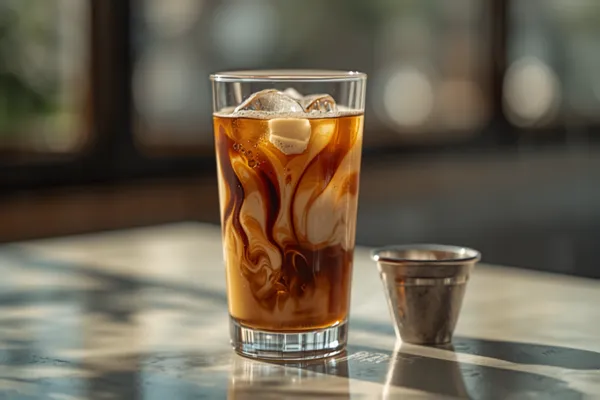
Vietnam (Saigon coffee culture) · Vietnamese
Vietnamese Iced Coffee (Cà Phê Sữa Đá)
Strong dark-roast coffee dripped through a phin over sweetened condensed milk, then poured over ice. Vietnam's bold, sweet, jolting iced coffee — and how to make it without special gear.
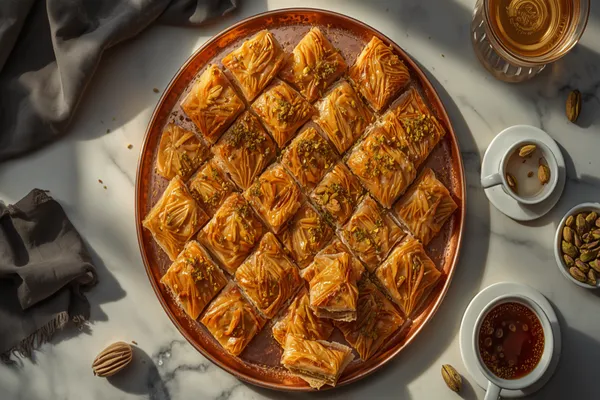
Gaziantep, south-eastern Anatolia — with living traditions across Greece, the Levant, Armenia and the Balkans · Turkish
Baklava — Gaziantep Pistachio, Clarified Butter and Forty Sheets of Yufka
The best baklava is not the sweetest — it is the crispest. This is the Gaziantep way: a tray of tissue-thin pastry, ground green pistachio, clarified butter and a plain lemon-sharpened sugar syrup, cut before it bakes and drenched hot-on-cold so every layer shatters instead of sagging.