Festival & Seasonal · International
World Festive: Recipes for Celebrations Around the Globe
Every culture has its feast days — the holiday tables, the harvest gatherings, the festivals devoted to a single beloved food. This is our guide to celebration cooking from around the world, from a French Yule log to Hawaiian Spam musubi, and the festivals behind each dish.
Published June 20, 2026
Food and celebration are inseparable. Every culture marks its holidays, harvests, and high days at the table, and many go further — devoting whole festivals to a single beloved dish or ingredient. This is our guide to festive cooking from around the world: the dishes people gather to make and eat together, and the celebrations that gave rise to them.
These recipes don’t share a cuisine. What they share is occasion — the sense that this is food for a day that matters. So rather than sort them by where they come from, we tell them festival by festival: the theme behind the feast, the customs and dress that surround it, and the dishes the day is made of.
India’s festival calendar
Nowhere is the link between the table and the tradition closer than in India, where the year is measured out in feasts.
Onam, Kerala’s harvest homecoming, is built around the Sadhya — a vegetarian banana-leaf banquet of up to two dozen dishes eaten with the hands and served in a fixed order. It opens with soft parippu and ghee over rice, moves through the coconut-laced avial, stir-fried thoran, the gentle olan and tangy kaalan, and the soupy sambar and peppery rasam — all balanced by a corner-dab of sweet-sour puli inji — before finishing with two payasams, the dark jaggery ada pradhaman and the rose-pink palada payasam. Outside, homes are fronted with the pookalam, an intricate carpet of flower petals, and everyone wears the kasavu — cream cloth edged in gold.
Diwali, the festival of lights, is just as much a festival of sharing: trays of mithai carried from door to door, from milk-fudge kaju katli to syrup-soaked jalebi and gulab jamun, with savoury samosa for the table between the lamps and the fireworks.
In mid-January, Makar Sankranti and Pongal mark the sun’s turn north and the gathered harvest — kites over Gujarat, bonfires in Punjab, rice boiling over for abundance in Tamil Nadu — with warming winter food like Gujarat’s undhiyu, the season’s new sugarcane juice, and ghee-rich gajar ka halwa. Come spring, Holi turns the streets to clouds of colour, cooled by glasses of spiced, almond-thick thandai.
Eid begins with a dawn bowl of sheer khurma — vermicelli simmered in milk with dates — before opening into biryani, slow-cooked haleem and platters of galouti kebab; at Bakrid the meat of the feast is shared three ways, with family, friends and those in need. And in the east, Durga Puja runs on food from morning bhog to late-night feasts — the slow-cooked mutton of kosha mangsho and an endless supply of milk sweets, spongy rasgulla and delicate sandesh.
Holiday tables
The great seasonal feasts are anchored by a single iconic dish. France ends Christmas dinner with the bûche de Noël, a chocolate sponge rolled and frosted to look like a Yule log — a pastry descendant of the real log once burned at the solstice. Across the Atlantic, American Thanksgiving revolves around the roast turkey, the once-a-year bird that intimidates cooks needlessly. And as winter loosens its grip, Russia celebrates Maslenitsa — Butter Week — with stacks of lacy, yeast-raised blini, their round golden shape a tribute to the returning sun.
Festivals devoted to one food
Some of the world’s most joyful festivals exist to honour a single dish or ingredient. Munich’s Bavarian pretzels are the edible emblem of Oktoberfest. Naples celebrates its gift to the world at Pizza Village with the Margherita, the original pizza. The Spanish town of Buñol throws tomatoes by the truckload at La Tomatina — the same ripe summer tomato that makes Andalusian gazpacho. Maine crowns its summer with the lobster roll at the Maine Lobster Festival; Michigan’s “Cherry Capital” celebrates the harvest with cherry pie; Chicago packs Grant Park for Taste of Chicago, where the Italian beef sandwich reigns; and Honolulu throws the Waikiki Spam Jam in honour of Spam musubi, the islands’ favourite handheld snack.
The list goes on, because there’s seemingly no food too humble — or too fiery — for its own festival. California’s Gilroy, the “Garlic Capital of the World,” inspires the gloriously pungent garlic noodles; Paris’s Salon du Chocolat, the world’s largest chocolate event, is the natural home of a cloud-light chocolate mousse; and Texas, where heat is a way of life, celebrates the chili at the Texas Hot Sauce Festival with the kind of smoky, homemade hot sauce that bottled brands can only envy.
Asian festival feasts
In East and Southeast Asia, festivals and feasting are deeply entwined. Japan’s love of ramen fills stadiums at the Tokyo Ramen Show, where shops serve thousands of bowls of shoyu ramen and its cousins. In China, no celebration is complete without dumplings: families fold pork and chive potstickers together at Lunar New Year, their ingot shape a wish for prosperity, in a ritual repeated at dumpling festivals across the Chinese world. And in Thailand, the nine-day Phuket Vegetarian Festival turns the island’s streets yellow with jay flags and meat-free street food, where bright, fast dishes like stir-fried mixed vegetables take centre stage.
Cooking for a celebration
The secret to festive cooking is to spread the work out. Nearly everything here has make-ahead steps: doughs and braises can be prepared in advance, pies and Yule logs keep for days, and dumplings freeze raw to cook straight from the freezer. Pick your centrepiece, stagger the prep, and let the gathering — not the stress — be the point.
Hungry for more? Explore the everyday World Classics collection, browse the full recipe collection, or read more cultural stories behind the food.
Frequently Asked Questions
What counts as a 'festive' recipe here?
Anything tied to a celebration — a religious or seasonal holiday like Christmas or Thanksgiving, a folk festival like Maslenitsa, or one of the many food festivals devoted to a single dish or ingredient, from Oktoberfest to the Maine Lobster Festival. These are the dishes people gather to make and eat together.
Are these hard to make?
There's a range. Some, like gazpacho, a lobster roll, or Spam musubi, are quick and forgiving. Others — a Yule log, a roast turkey, ramen from scratch — are projects worth giving an afternoon (and many can be prepped ahead). Each recipe flags its difficulty and what you can do in advance.
Can I make festive dishes ahead for a crowd?
Most are built for it. Doughs (pretzels, pizza, dumplings) and braises (Italian beef, chashu for ramen) can be made ahead or frozen; pies and Yule logs keep for days; dumplings freeze raw and cook straight from the freezer. We note the make-ahead steps in each recipe — celebration cooking is much calmer when it's staggered.
Related Recipes
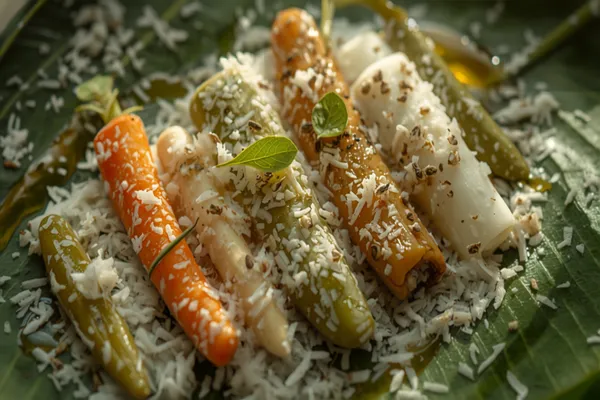
Kerala / South India · Indian
Avial (Kerala Mixed Vegetables in Coconut and Yogurt)
A cornerstone of the Kerala sadya: a medley of vegetables simmered until tender and bound in a coconut-cumin paste with tangy yogurt, finished with raw coconut oil and curry leaves. Wholesome, gentle, and quietly addictive.
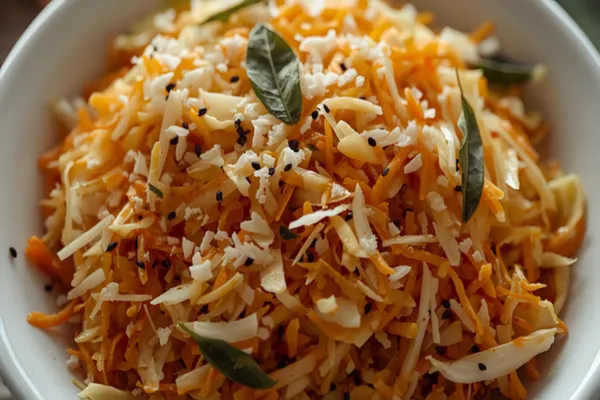
Kerala / South India · Indian
Thoran (Kerala Stir-Fried Vegetables with Coconut)
The everyday Kerala side that's essential to the sadya: finely chopped vegetables tossed with fresh grated coconut, green chili, and a curry-leaf-and-mustard tempering. Dry, fresh, and quick — the green note on the banana leaf.
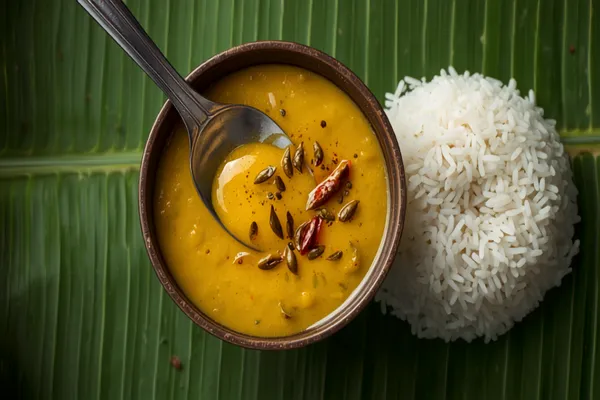
Kerala / South India · Indian
Parippu (Kerala Moong Dal with Ghee)
The opening course of the Kerala sadya: soft cooked moong dal tempered lightly and served with a spoon of ghee over the first mound of rice. Simple, soothing, and the dish the feast begins with.
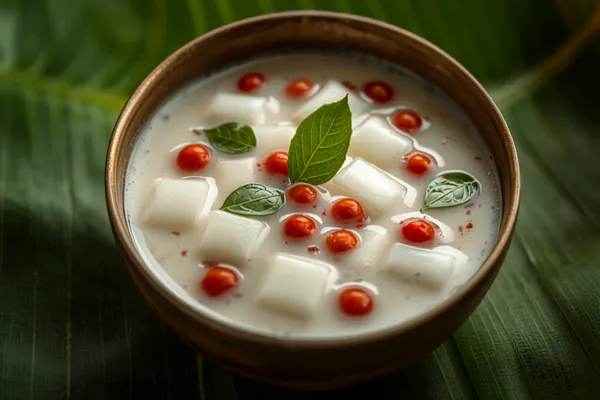
Kerala / South India · Indian
Olan (Kerala Ash Gourd and Cowpea in Coconut Milk)
A serene, mildly sweet sadya dish: ash gourd and red cowpeas simmered in thin then thick coconut milk, seasoned with only green chili and curry leaves and finished with raw coconut oil. The quiet, cooling course of the feast.
Kerala / South India · Indian
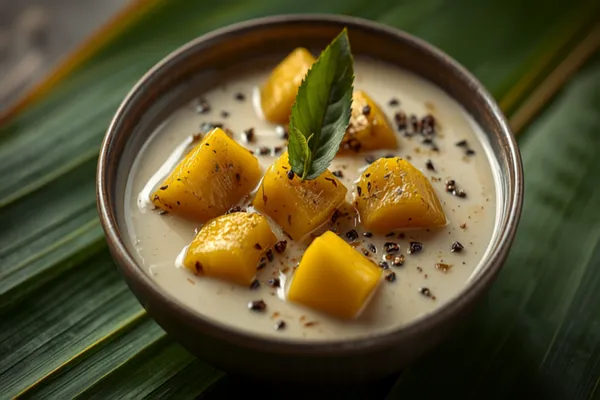
Kaalan (Kerala Yam and Plantain in Spiced Yogurt and Coconut)
A thick, tangy sadya curry of yam and raw plantain cooked in sour yogurt with a roasted coconut paste, reduced until glossy and keeping for days. The bold, long-life counterpoint to olan.
Kerala / South India · Indian
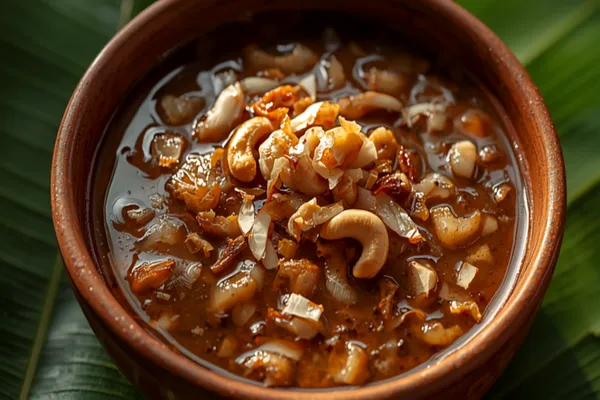
Ada Pradhaman (Kerala Onam Payasam)
The grand finale of the Onam sadya: rice ada simmered in jaggery and three extractions of coconut milk until thick, glossy, and caramel-deep, scented with cardamom and dry ginger and studded with ghee-fried coconut. Kerala's most beloved payasam.
Kerala / South India · Indian
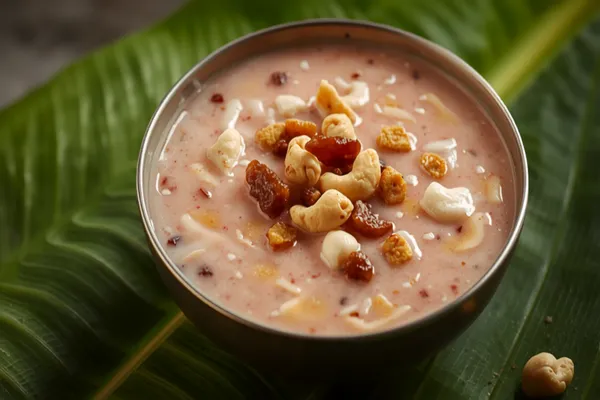
Palada Payasam (Kerala Rice Ada Milk Pudding)
The milky, rose-tinged payasam that crowns the Onam sadya: tender rice ada simmered slowly in sweetened milk until it thickens and turns a pale pink, scented with cardamom and ghee-fried nuts. Patient, simple, and unforgettable.
North India / pan-Indian · Indian
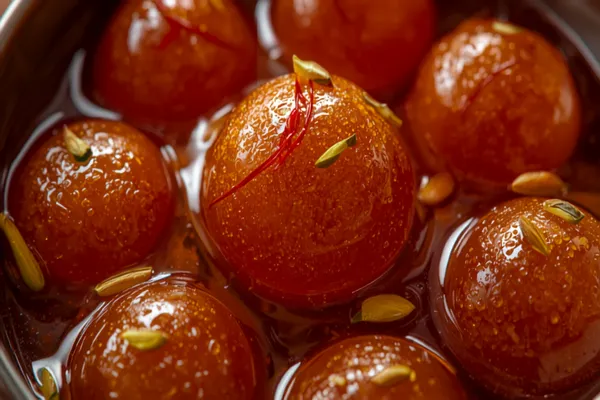
Gulab Jamun (Milk Dumplings in Rose-Cardamom Syrup)
The king of Indian sweets: soft khoya dumplings fried to deep gold and soaked in warm rose-and-cardamom syrup until they swell, juicy and melting. The dessert no Diwali or wedding is complete without.
North India / pan-Indian · Indian
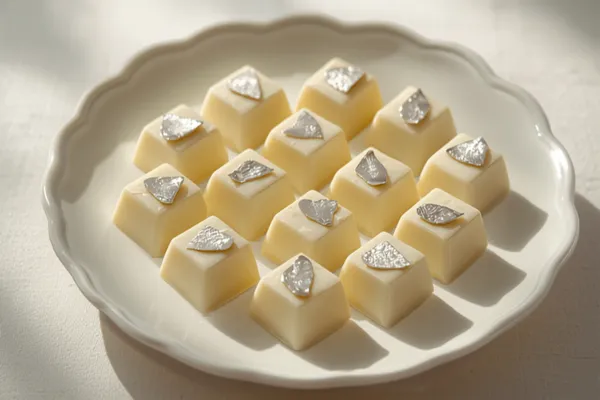
Kaju Katli (Cashew Fudge Diamonds)
The elegant, melt-in-the-mouth cashew fudge of Diwali: just cashews and sugar cooked into a smooth dough, rolled thin, and cut into the signature silver-leafed diamonds. Four ingredients, endless festive prestige.
North India / pan-Indian (and across West and South Asia) · Indian
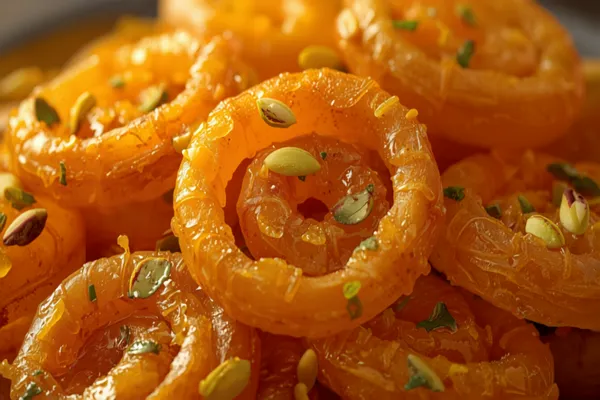
Jalebi (Crisp Syrup-Soaked Spirals)
India's festive sweet: fermented batter piped into spirals, fried crisp, and soaked in saffron syrup. Crunchy outside, juicy inside, and best eaten hot.
Gujarat / West India · Indian
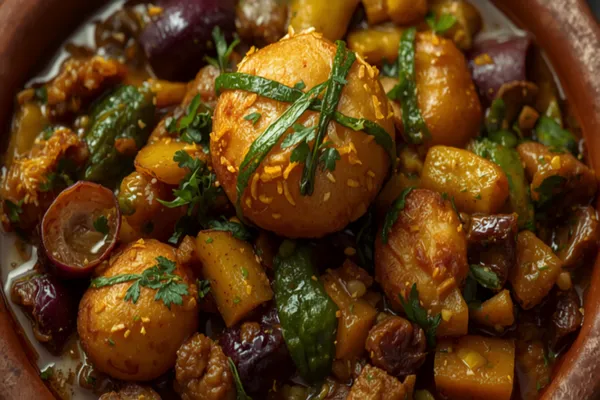
Undhiyu (Gujarati Mixed Winter Vegetable Casserole)
Gujarat's grand winter dish: a slow-cooked medley of seasonal vegetables and fried fenugreek dumplings (muthia) in a fragrant green masala of coriander, coconut, and green garlic. Festive, layered, and the pride of Uttarayan.
North India (Banaras / Uttar Pradesh, the heart of thandai country) · Indian
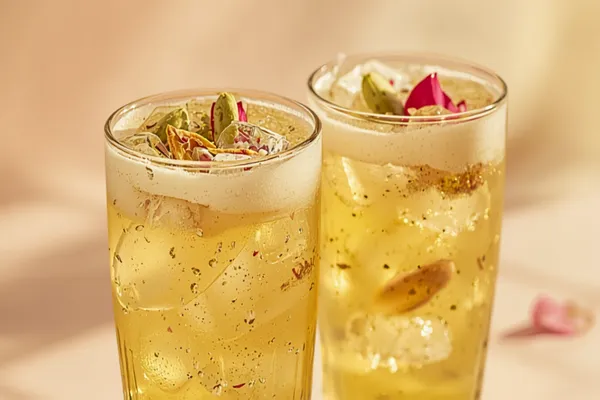
Thandai (Spiced Almond & Saffron Milk for Holi)
North India's festival cooler: chilled milk blended with almonds, fennel, cardamom, peppercorn, poppy and saffron. The fragrant, nutty drink of Holi and Maha Shivratri — made from scratch.
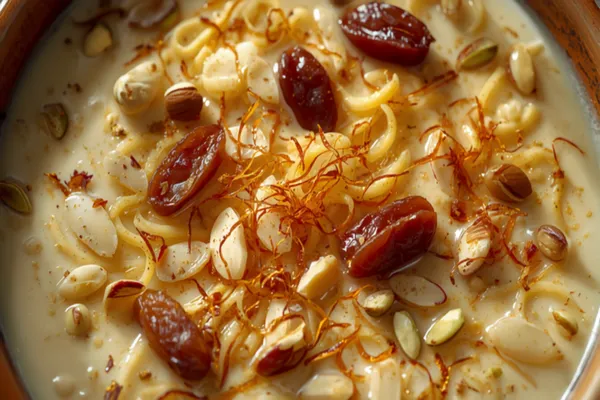
Hyderabad / North India (pan-Muslim South Asia) · Indian
Sheer Khurma (Eid Vermicelli and Date Pudding)
The dessert that defines Eid morning: fine vermicelli toasted in ghee and simmered in milk with dates, nuts, and cardamom into a fragrant, festive pudding. Rich, celebratory, and shared with every visitor.
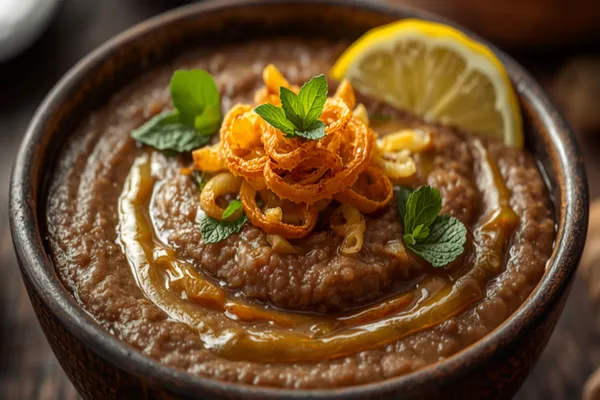
Hyderabad, Telangana / Deccan · Indian
Hyderabadi Haleem (Slow-Cooked Wheat and Meat Stew)
The legendary Ramadan and Eid dish of Hyderabad: wheat, lentils, and meat pounded together over hours of slow cooking into a rich, smooth, deeply spiced stew. A labour of patience that breaks the fast like nothing else.
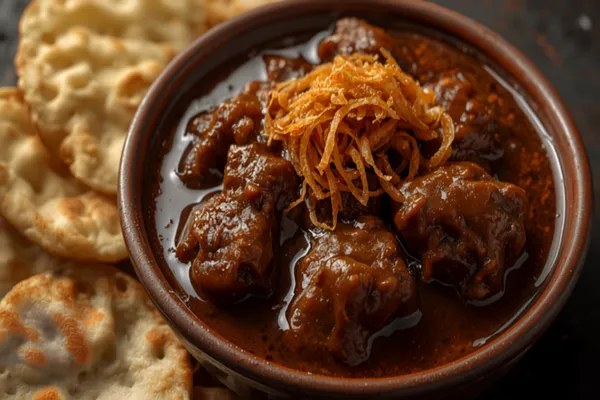
West Bengal / East India · Indian
Kosha Mangsho (Bengali Slow-Cooked Mutton Curry)
Bengal's Sunday-best mutton: goat marinated in yogurt and mustard oil, then slow-cooked with onions and whole spices until the gravy turns dark, thick, and clinging. 'Kosha' means slow-fried — and the patience is the dish.
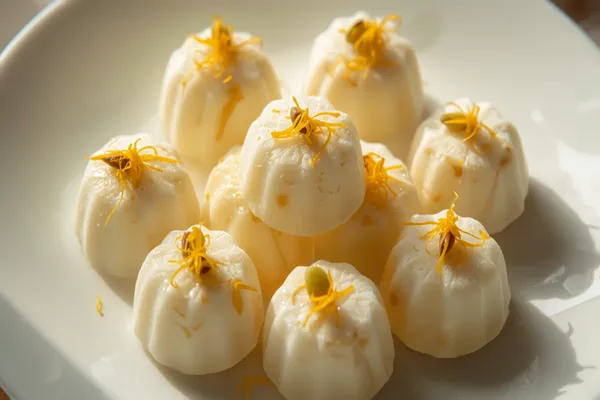
West Bengal / East India · Indian
Sandesh (Bengali Chhena Sweet)
Bengal's most elegant sweet: fresh chhena gently cooked with sugar and cardamom into a soft, fudge-like confection, pressed into delicate shapes. Refined, milky, and ready in under half an hour.
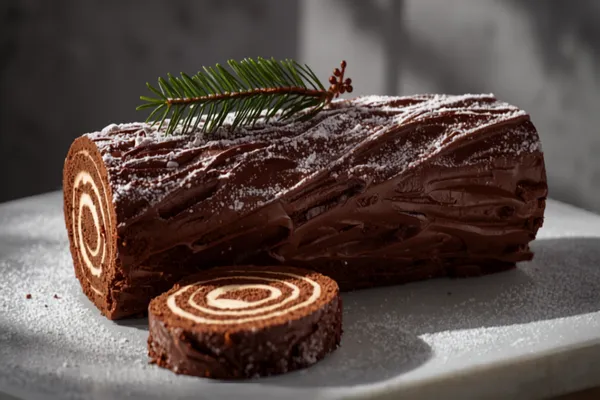
France · French
Bûche de Noël (French Chocolate Yule Log)
France's edible Christmas centrepiece: a light chocolate sponge rolled around silky buttercream, frosted to look like a bark-covered log, and dusted with snow. A showstopper that's far more achievable than it looks.
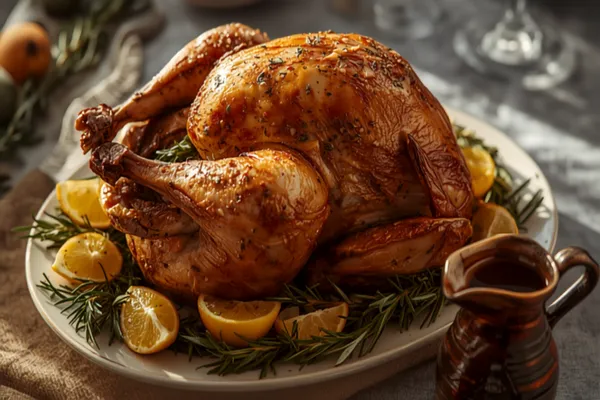
United States · American
Herb-Roasted Thanksgiving Turkey
The centrepiece of the American Thanksgiving table: a dry-brined, herb-butter-rubbed turkey roasted to burnished, juicy perfection, with a simple pan gravy. The method that finally makes the breast and legs cook in harmony.
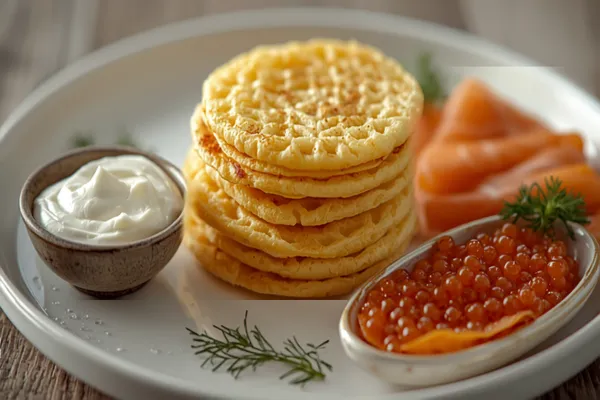
Russia · Russian
Russian Blini (Yeasted Buckwheat Pancakes)
The pancakes at the heart of Maslenitsa, Russia's butter-rich farewell to winter: thin, lacy, yeast-raised rounds with a faint tang, served in stacks with butter, sour cream, jam, or — for a feast — smoked salmon and caviar.
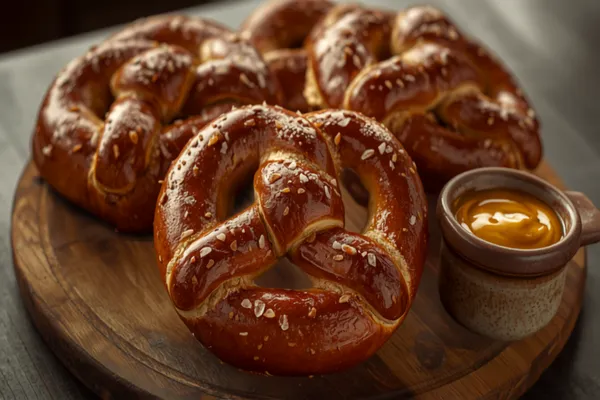
Bavaria · German
Bavarian Soft Pretzels (Brezn)
The mahogany-brown, lye-dipped soft pretzel of the Munich beer garden: a chewy, glossy crust giving way to a soft crumb, scattered with coarse salt. The Oktoberfest classic, made at home with a safe baking-soda bath.
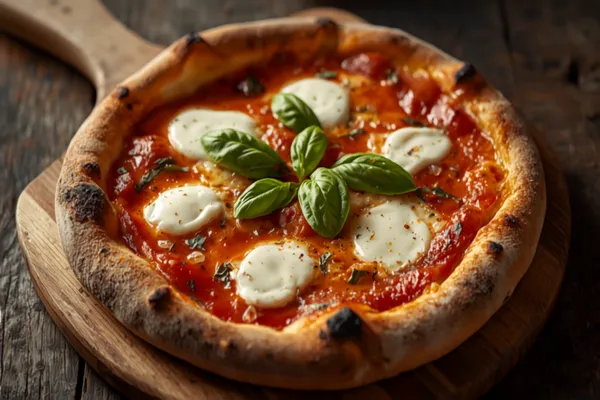
Naples, Campania · Italian
Neapolitan Pizza Margherita
The original pizza: a slow-fermented dough stretched thin, topped simply with San Marzano tomatoes, fresh mozzarella, and basil, and blasted in the hottest oven you've got until the rim puffs and chars. Three toppings, one perfect pie.
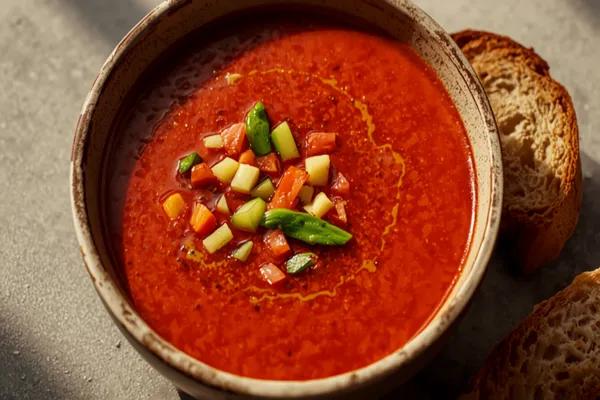
Andalusia · Spanish
Gazpacho Andaluz (Spanish Chilled Tomato Soup)
Andalusia's answer to summer heat: ripe raw tomatoes, peppers, cucumber, garlic, and good olive oil blended silky-smooth and served ice-cold. No cooking, just a blender and the best tomatoes you can find.
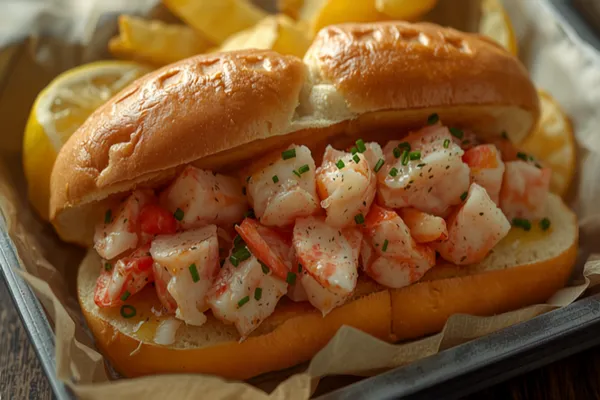
Maine / New England · American
Maine Lobster Roll
New England's summer icon: sweet, cold-poached lobster meat dressed lightly in mayo and lemon, piled into a buttery, griddled split-top bun. A celebration of the lobster itself — keep it simple and let it shine.
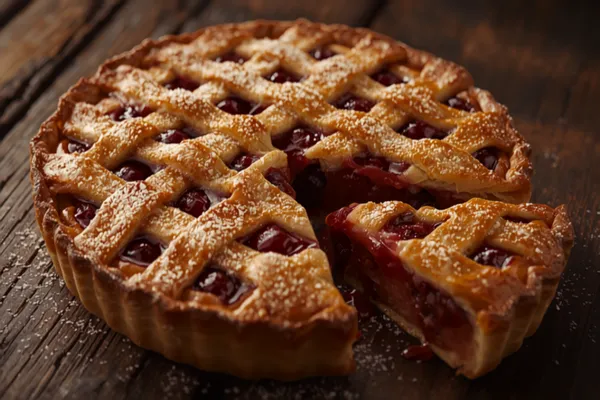
United States (Midwest) · American
Classic Cherry Pie
The all-American summer pie: glossy, jammy sour cherries under a flaky, golden double crust. A lattice top shows off the ruby filling, and a little tapioca keeps it sliceable instead of soupy.
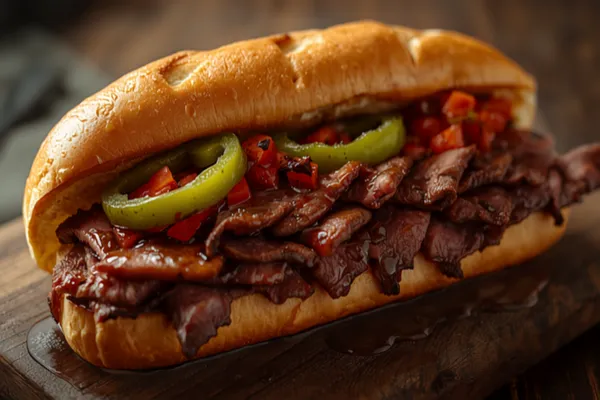
Chicago · American (Italian-American)
Chicago Italian Beef Sandwich
Chicago's great street sandwich: thinly sliced, slow-roasted beef simmered in its own herby, peppery jus, piled into a roll, soaked in the gravy, and topped with sweet peppers or fiery giardiniera. Messy, glorious, and best eaten standing up.
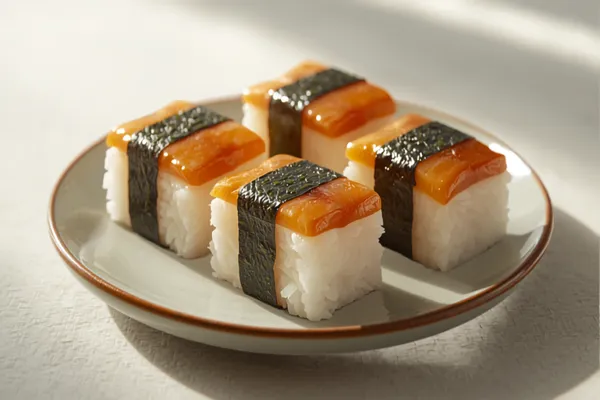
Hawaii · Hawaiian
Spam Musubi (Hawaiian Spam Rice Snack)
Hawaii's favourite handheld snack: a slab of teriyaki-glazed Spam over a brick of warm sushi rice, wrapped in a strip of nori. Salty, sweet, savoury, and weirdly irresistible — the ultimate proof that humble ingredients make joyful food.
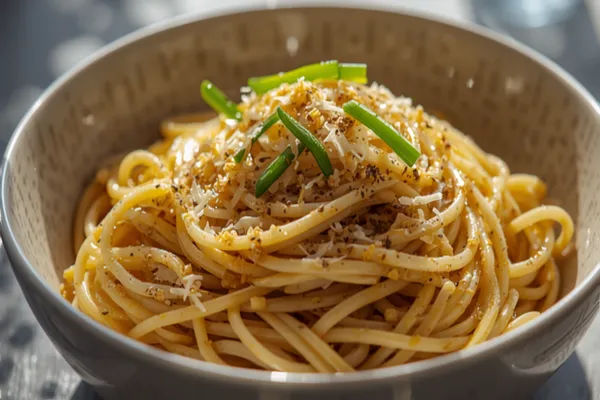
San Francisco, California · American (Vietnamese-American)
Garlic Noodles (San Francisco–Style)
The wildly garlicky noodles born in San Francisco's Vietnamese-American kitchens: springy noodles tossed in a buttery, umami-loaded sauce of garlic, fish sauce, oyster sauce, and parmesan. Ready in 20 minutes and dangerously addictive.
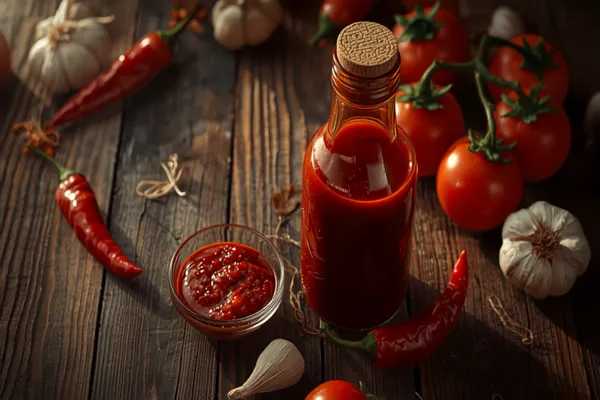
Texas · American (Tex-Mex)
Texas-Style Roasted Hot Sauce
A smoky, fiery, deeply flavoured hot sauce built the Texas way: charred chilies, tomato, garlic, and onion blended with vinegar and a hit of cumin. Pourable heat with real depth — far better than anything from a bottle.
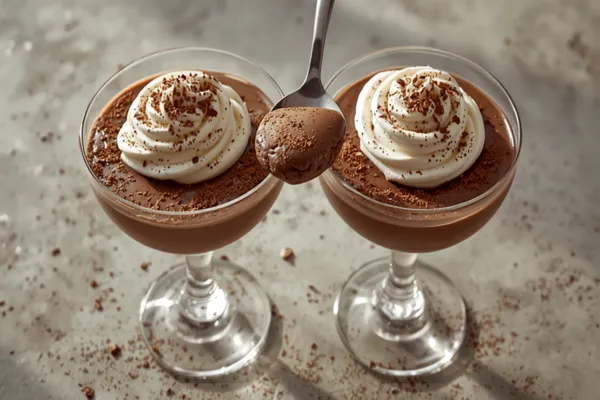
France · French
French Chocolate Mousse (Mousse au Chocolat)
The classic French dessert in its purest form: intense dark chocolate lightened with whipped egg whites into an airy, cloud-like mousse. Just a few ingredients, no cream, and no cooking — only good chocolate and a little technique.
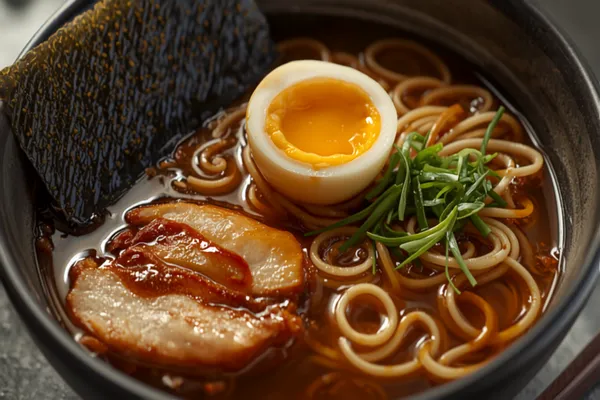
Tokyo, Japan · Japanese
Tokyo Shoyu Ramen (Soy Sauce Ramen)
The classic Tokyo bowl: springy noodles in a clear, soy-seasoned chicken broth, topped with marinated egg, chashu pork, and spring onion. A weekend project broken into make-ahead parts that come together into a restaurant-worthy bowl.
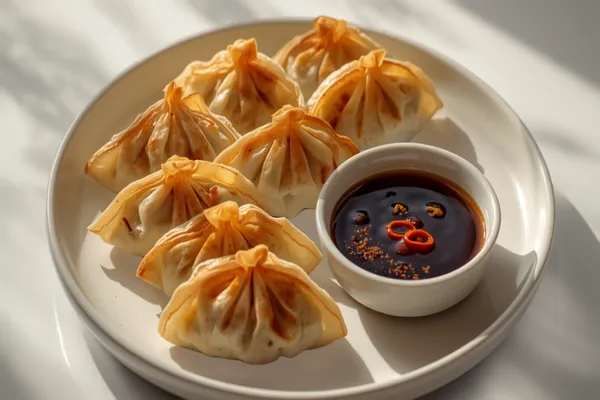
Northern China · Chinese
Pork and Chive Potstickers (Jiaozi)
The dumplings at the heart of Chinese celebration: juicy pork-and-chive filling folded into pleated wrappers, then pan-fried crisp on the bottom and steamed soft on top. A hands-on, make-together feast — fold a big batch and freeze the rest.
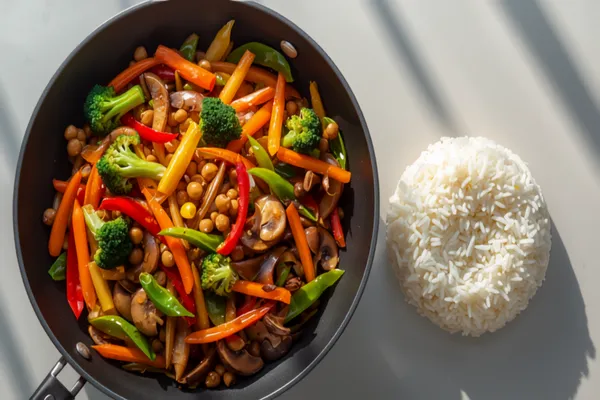
Thailand (Phuket / Southern Thailand) · Thai
Pad Pak Ruam Mit (Thai Stir-Fried Mixed Vegetables)
The bright, fast vegetable stir-fry on every Thai table: a rainbow of crisp-tender vegetables tossed over high heat in a garlicky, savoury-sweet sauce. Endlessly adaptable, naturally plant-based, and on the table in 15 minutes.
Related stories & guides
- Cultural Story · InternationalWorld Classics: A Cook's Tour Beyond IndiaTable & Traditions is India-first, but the world has a place at this table too. A guide to our curated international slice — the European, East Asian, Southeast Asian, Middle Eastern and North African, and American dishes worth cooking, and where to begin with each.
- Ingredient Deep Dive · JapanDashi: The Quiet Foundation Under Japanese CookingBefore miso soup, before noodle broth, before a hundred simmered dishes, there is dashi — the five-minute stock of kelp and dried fish that gives Japanese food its savory depth. Here's what it is, why it matters, and how to make it.