Tokyo, Japan · Japanese
Tokyo Shoyu Ramen (Soy Sauce Ramen)
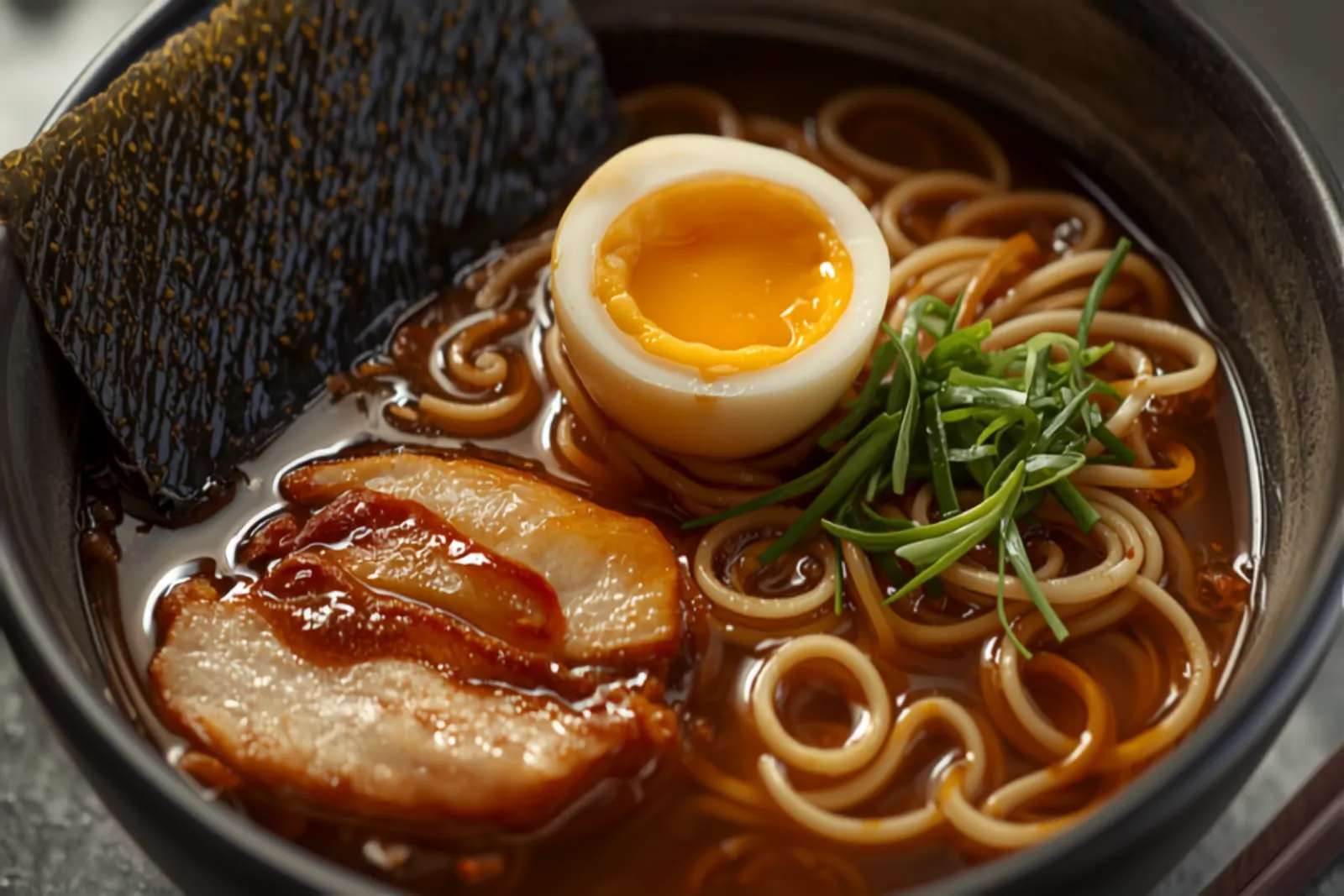
The classic Tokyo bowl: springy noodles in a clear, soy-seasoned chicken broth, topped with marinated egg, chashu pork, and spring onion. A weekend project broken into make-ahead parts that come together into a restaurant-worthy bowl.
Published June 20, 2026
Cultural context
Shoyu (soy sauce) ramen is the archetypal Tokyo-style bowl: a clear, brown, soy-seasoned broth, usually chicken-based, with curly noodles. Ramen arrived in Japan from China and was reinvented into a national obsession with fierce regional styles. The craft is celebrated at events like the Tokyo Ramen Show, Japan's largest ramen festival, where famous shops serve thousands of bowls.
Shoyu ramen is the bowl most people picture when they picture ramen: curly noodles in a clear, brown, soy-seasoned broth, crowned with tender pork, a jammy marinated egg, and a flourish of spring onion. It’s the classic Tokyo style, and it represents the dish Japan turned from a Chinese import into a national obsession — one celebrated at events like the Tokyo Ramen Show, the country’s biggest ramen festival.
Real ramen is a project, but a forgiving one: it’s just three or four simple components, most of which you make ahead and assemble at the end.
Three parts: broth, tare, toppings
The thing to understand about ramen is that it’s built, not cooked in one pot. You make a clean broth, a concentrated seasoning called tare (here, soy, mirin, and sake), and your toppings separately. Each bowl gets a few spoonfuls of tare in the bottom, then hot broth poured over — which is exactly how shops season every bowl perfectly. It also means you can spread the work over two days.
Keep the broth clear
Tokyo shoyu ramen prizes a clear, clean broth. The trick is to blanch the chicken bones first — a few minutes in boiling water, then drain and rinse — to wash away the scum that would otherwise cloud it. After that, keep it at a gentle simmer, never a hard boil, which would turn it murky.
The toppings, and a weeknight escape hatch
Braised pork belly (chashu) and a soy-marinated soft egg (ajitama) are the classics, and both are make-ahead — the egg even steeps in the pork’s braising liquid. Cook the fresh noodles at the last second, build fast, and eat immediately, because the noodles keep softening in the broth. Short on time? A bowl built from good shop-bought stock, a quick soy tare, and shredded chicken is genuinely excellent.
Looking for more festival bowls? Browse the World Festive collection or the full recipe collection.
Ingredients
For the broth
- 1 kg chicken wings and backs Wings give body and collagen for a rich but clear broth.
- 2 spring onions (white parts) and 1 onion, halved
- 4 slices fresh ginger
- 3 cloves garlic
- 1 piece kombu (dried kelp) For umami depth; add a handful of dried shiitake too if you have them.
- 2.5 litres water
For the tare (seasoning base)
- 120 ml soy sauce The 'shoyu' — the seasoning that defines the bowl. Use a good Japanese soy.
- 2 tbsp mirin
- 1 tbsp sake
For the chashu and eggs
- 500 g pork belly, rolled and tied
- 4 eggs Soft-boiled (about 6.5 minutes), then marinated.
- 120 ml soy sauce + 120 ml mirin + 120 ml water A braising/marinating liquid shared by the pork and eggs.
To serve
- 4 portions fresh ramen noodles Curly Tokyo-style. Fresh is far better than dried; never use instant.
- sliced spring onion, nori, bamboo shoots (menma), and white pepper
Method
Tap a step’s number to check it off as you go.
-
Blanch the chicken bones in boiling water for a few minutes, drain, and rinse. Then simmer gently with the aromatics, kombu, and fresh water for about 2 hours, skimming often. Strain.
Why: Blanching first removes the scum that would cloud the broth — Tokyo shoyu ramen prizes a clear, clean broth. A gentle simmer (not a boil) keeps it from turning murky.
-
Braise the rolled pork belly in the soy-mirin-water mixture, covered, on low for about 1.5 hours until tender. Remove and chill; reserve the braising liquid.
Why: Low braising makes meltingly tender chashu, and the soy braising liquid does double duty as part of the seasoning for the eggs.
-
Soft-boil the eggs for 6.5 minutes, peel, and steep in the cooled pork braising liquid for at least 2 hours (or overnight).
Why: Timing gives a jammy, just-set yolk; steeping seasons and colours the whites into the classic ajitama marinated egg.
-
Make the tare: combine the soy, mirin, and sake (plus a few spoons of the pork liquid). Put about 2–3 tablespoons of tare in the bottom of each warmed bowl.
Why: Ramen is assembled by seasoning each bowl with tare, then adding hot broth — this is how shops control the seasoning of every bowl precisely.
-
Cook the noodles in plenty of boiling water for the time on the pack (usually 1–2 minutes), drain well, and divide among the bowls. Pour the hot broth over the tare and noodles.
Why: Fresh noodles cook fast and must be drained well so they don't dilute the broth. Hot broth over the tare blends the seasoning evenly.
-
Top each bowl with sliced chashu, a halved marinated egg, spring onion, nori, and bamboo shoots. Serve immediately.
Why: Ramen waits for no one — the noodles keep softening in the broth, so it must be eaten the moment it's built.
A quick, anonymous tap — no review needed.
Variations
- Quick weeknight
Use good shop-bought chicken stock, whisk in the soy tare, and top with shredded rotisserie chicken and a soft egg. Far faster, genuinely good.
- Vegetarian
Build the broth from kombu, dried shiitake, and roasted vegetables, and use a soy-mirin tare; top with corn, mushrooms, tofu, and greens.
- Miso or shio
Swap the soy tare for a miso paste base (miso ramen) or a salt-based tare (shio ramen) for the other classic Japanese styles.
Serving & Storage
Serve piping hot, immediately, and eat fast while the noodles are springy. Slurping is encouraged — it cools the noodles and is considered appreciation. Offer white pepper, chili oil (rayu), and extra spring onion at the table.
Storage: Make components ahead and store separately: broth keeps 4 days (freezes 3 months), chashu and eggs 3 days. Cook noodles and assemble fresh, always — never store a built bowl.
Nutrition
Per serving (1 bowl)
- Calories
- 680
- Protein
- 40 g
- Carbs
- 62 g
- Fat
- 28 g
- Fiber
- 3 g
- Sugar
- 8 g
- Sodium
- 1850 mg
Notable micronutrients: Iron, Niacin, Selenium
Estimated using standard ingredient data. Values vary with brands and substitutions.
Frequently Asked Questions
What does 'shoyu' mean?
Shoyu is Japanese for soy sauce, and it names the seasoning style of this ramen: the broth is seasoned with a soy-based tare, giving a clear brown bowl. The main alternatives are shio (salt-based) and miso (fermented soybean paste), each a distinct ramen style.
Can I make ramen on a weeknight?
True from-scratch ramen is a weekend project, but a great shortcut bowl is weeknight-friendly: use quality shop-bought chicken stock seasoned with a soy-mirin-sake tare, and top with shredded chicken, a soft egg, and spring onion. The tare is what makes it taste like ramen.
Why blanch the chicken bones first?
Blanching and rinsing the bones removes the impurities that cloud and muddy a broth. Tokyo shoyu ramen is defined by a clear, clean broth, so this step matters — and keep the broth at a gentle simmer afterward, never a rolling boil, to keep it clear.
Can I use dried or instant noodles?
Fresh ramen noodles (curly, alkaline 'kansui' noodles) are strongly recommended — their springy chew is integral. Good dried ramen noodles are an acceptable backup. Instant noodle blocks are a different product and won't give the same result, though they'll do in a pinch.
What to drink with this
All drinks →Hand-picked pours to match this dish. Alcoholic pairings are for adults of legal drinking age (21+ in the US) — please drink responsibly.
Japan (the chado tea tradition of Kyoto and Uji, home of Japan's finest matcha) · Japanese
Matcha (Whisked Usucha, Thin Tea)
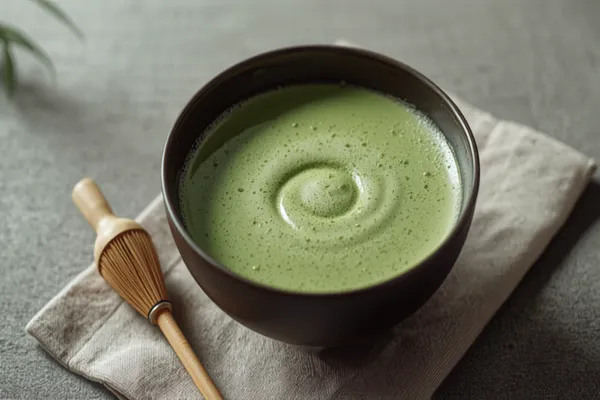
How to whisk a proper bowl of usucha — thin matcha — with a bamboo chasen: bright, jade-green, frothed to a fine foam, and faintly sweet-bitter. The everyday face of Japan's centuries-old tea tradition, ready in two minutes on a home counter.
Japan (matcha tradition, Uji & Nishio) · Japanese
Matcha Latte (Whisked Japanese Green Tea Latte)
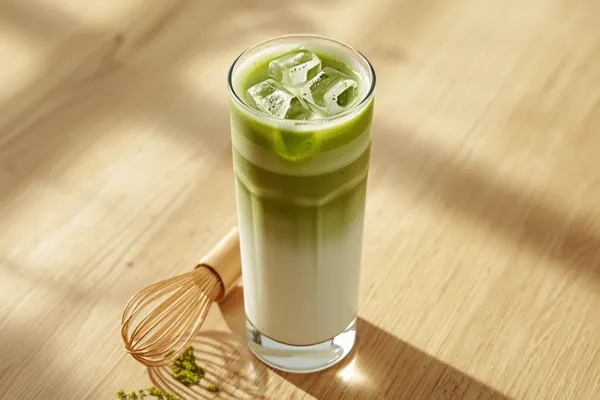
Stone-ground Japanese matcha whisked smooth and poured over steamed milk — grassy, sweet and gently caffeinated, with no bitterness when you make it right. A café favourite that's better and cheaper at home.
 21+
21+ American bars (via Japanese Midori) · Japanese-American
Midori Sour (Melon Liqueur, Lemon & Lime)
The bright-green retro sour: sweet Midori melon liqueur balanced with fresh lemon and lime, lengthened with a splash of soda. A vivid, nostalgic crowd-pleaser — sweet-tart, low-proof and unmistakably '80s.
From our kitchen community
Ratings & Reviews
My Rating
Tap a star to rate — no sign-in, no form needed.
My Review
0 Ratings
🥣 0 home cooks made it!
Be the first to rate Tokyo Shoyu Ramen (Soy Sauce Ramen).
Related Recipes
Japan · Japanese
Tonkatsu (Japanese Crispy Breaded Pork Cutlet)
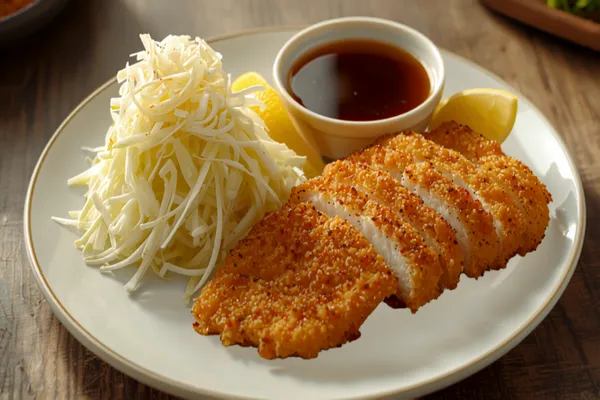
Japan's beloved breaded pork cutlet: a thick pork loin coated in airy panko and fried to a deep golden shatter-crisp, sliced into strips, and served with tangy tonkatsu sauce and a heap of shredded cabbage. Crunchy outside, juicy within.
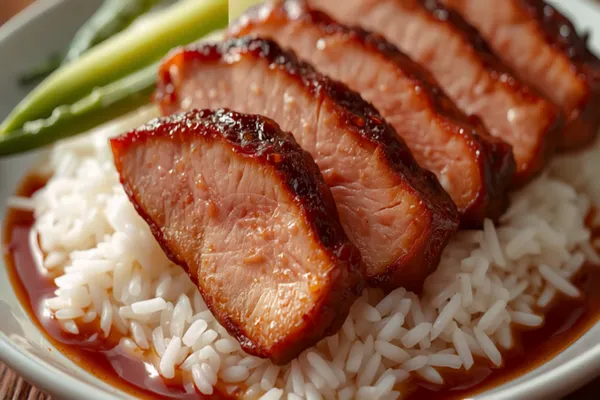
Guangdong (Cantonese) · Chinese
Char Siu (Cantonese Barbecue Pork)
The lacquered red-edged pork that hangs in every Cantonese roast-meat window: pork shoulder marinated in a sweet-savoury glaze of hoisin, soy, honey, and five-spice, then roasted and basted until sticky and caramelised. Easier at home than you'd think.
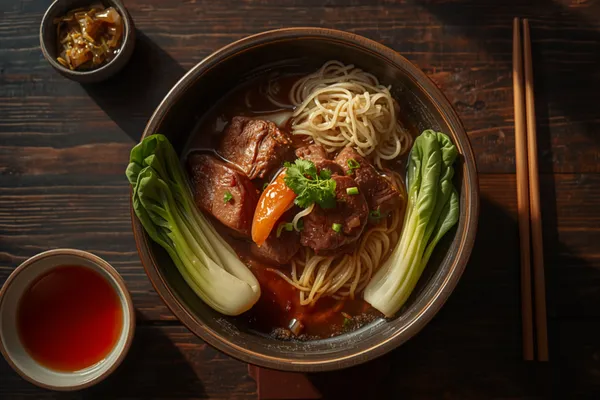
Taiwan — born in the juancun military-dependents' villages around Gangshan in Kaohsiung, perfected in the noodle shops of Taipei · Taiwanese
Taiwanese Beef Noodle Soup — Red-Braised Niu Rou Mian with Shank and Tendon
Taiwan's national bowl: beef shank and tendon braised for three hours in a dark, glossy broth built on fried chilli bean paste, caramelised rock sugar and tomato. The colour comes from frying the doubanjiang in oil, not from soy sauce — and that one step is the whole dish.
Further reading
- Festival & Seasonal · InternationalWorld Festive: Recipes for Celebrations Around the GlobeEvery culture has its feast days — the holiday tables, the harvest gatherings, the festivals devoted to a single beloved food. This is our guide to celebration cooking from around the world, from a French Yule log to Hawaiian Spam musubi, and the festivals behind each dish.
- Ingredient Deep Dive · JapanDashi: The Quiet Foundation Under Japanese CookingBefore miso soup, before noodle broth, before a hundred simmered dishes, there is dashi — the five-minute stock of kelp and dried fish that gives Japanese food its savory depth. Here's what it is, why it matters, and how to make it.