Japan (the chado tea tradition of Kyoto and Uji, home of Japan's finest matcha) · Japanese
Matcha (Whisked Usucha, Thin Tea)
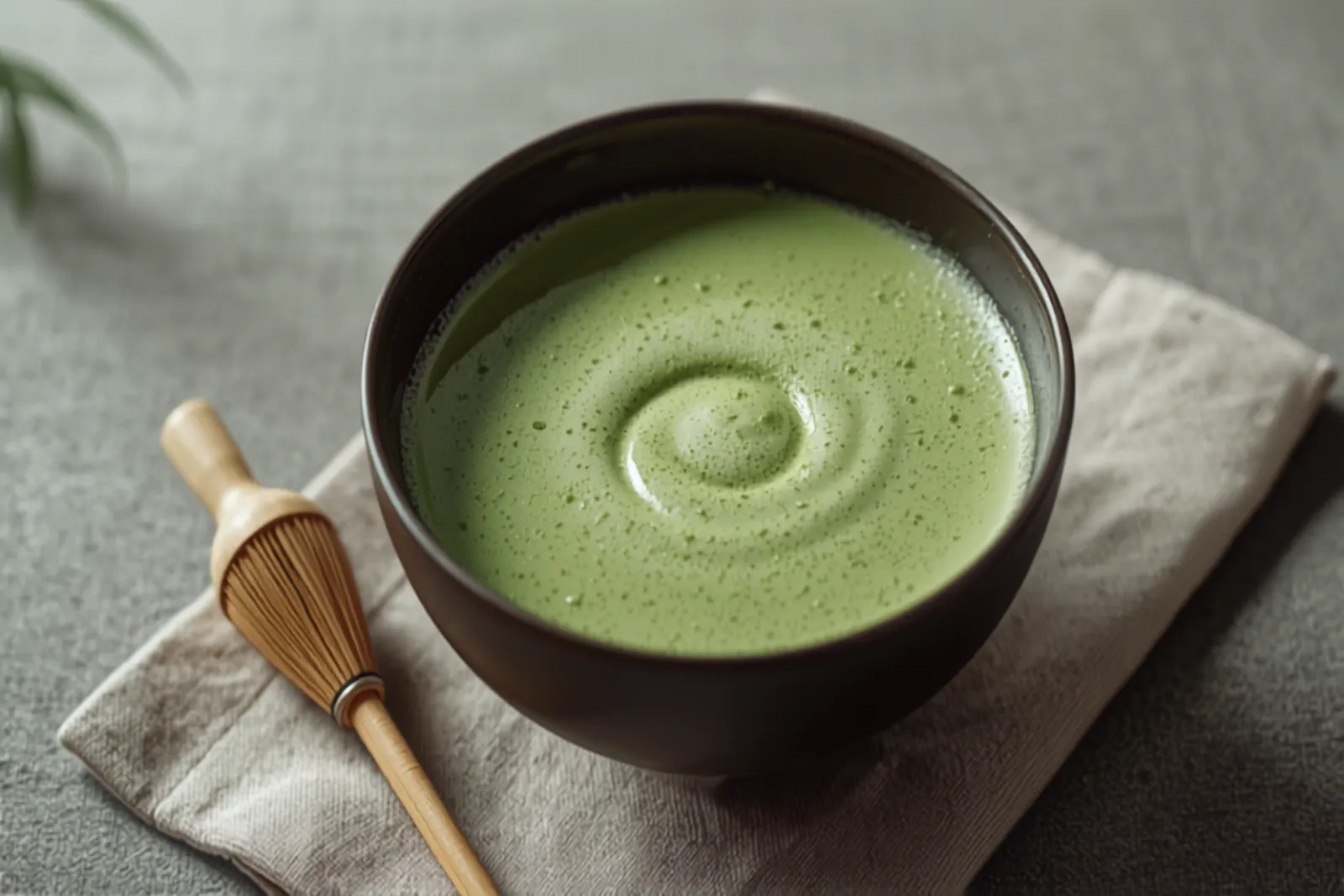
How to whisk a proper bowl of usucha — thin matcha — with a bamboo chasen: bright, jade-green, frothed to a fine foam, and faintly sweet-bitter. The everyday face of Japan's centuries-old tea tradition, ready in two minutes on a home counter.
Published August 3, 2026
Cultural context
Matcha — stone-ground green tea whisked into hot water rather than steeped — sits at the heart of chado, 'the way of tea,' the aesthetic and philosophical practice codified by the 16th-century tea master Sen no Rikyu. The everyday, informal bowl is usucha ('thin tea'), whisked to a light foam; its denser ceremonial sibling is koicha ('thick tea'). The best leaf comes from Uji, near Kyoto, shade-grown to concentrate its sweetness and color.
Most people meet matcha first as a color — that improbable, luminous green in a café latte or a swirl of ice cream. But before it was a flavor of anything, matcha was a way of drinking tea: powdered leaf whisked directly into hot water, so that you swallow the whole leaf rather than steeping it and pouring it off. This recipe is for that original bowl, usucha — “thin tea” — the everyday, informal face of a tradition that is centuries deep.
That tradition has a name, chado, “the way of tea,” and a patron saint of sorts in Sen no Rikyu, the 16th-century master who pared the tea gathering down to its quiet essentials. You do not need to know any of the choreography to whisk a good bowl at your kitchen counter. But it’s worth knowing it’s there — that the two-minute thing you’re about to do is the living, informal end of a practice built around hospitality, attention, and the beauty of ordinary acts done well.
Sift, and mind the water
Two small disciplines separate a lovely bowl from a lumpy, bitter one, and neither is hard. The first is to sift the powder. Matcha clumps the instant it sits, and no amount of whisking fully chases down a stubborn green pellet; a fine sieve solves it in seconds. The second is water temperature. Boiling water scalds matcha into harshness — you want it cooled off the boil to around 70–80°C, hot enough to bloom the tea’s natural sweetness and umami without scorching it.
The whisk is a wrist, not an arm
Now the part that looks like magic and isn’t. The chasen, a single piece of bamboo split into dozens of fine tines, exists to do one thing: shear air into the tea until it stands up in a pale, silky foam. The motion is a brisk straight-line zig-zag — trace a “W” or an “M” — driven from the wrist, with the whisk held just off the bottom of the bowl. Not a circular stir; that just moves the tea around. Fifteen or twenty seconds of proper whisking builds the fine microfoam, and a final light pass across the surface pops the big bubbles into something uniform and glossy. This is why a metal whisk or a milk frother won’t do — they make coarse, soapy bubbles where the bamboo makes fine ones.
Made to be drunk now
Usucha is a suspension, not an infusion. The powder is in the water, not dissolved into it, which means it begins to settle within a minute or two. So there is no keeping it, no making it ahead: you whisk, you turn the bowl, you drink it fresh in a few sips while the foam is still standing. Traditionally you eat a small sweet first — a bite of dorayaki, a soft daifuku — so a little sugar is on your tongue to frame the tea’s gentle bitterness. That pairing is the whole point, not a garnish.
Whisk a bowl, eat a sweet beside it, and you’ve done a very old thing in a very small way. For the sweets that belong on the same tray, browse the full recipe collection, or linger over the cultural stories behind the food.
Ingredients
For the tea
- 2 g (about 1–2 tsp / 1 chashaku scoop) matcha powder Ceremonial-grade for the brightest color and least bitterness. Sift it just before use — matcha clumps the moment it sits.
- 60–70 ml (about 1/4 cup) hot water Not boiling. Around 70–80°C / 160–175°F; boiling water scalds the tea into bitterness.
Equipment
- chawan (tea bowl) A wide, low bowl gives the chasen room to move. Any similarly shaped bowl works to start.
- chasen (bamboo whisk) The fine split tines are what create the fine foam; a metal whisk or milk frother won't give the same silky microfoam.
- chashaku (bamboo scoop) and a fine sieve The scoop is traditional but a teaspoon is fine; the sieve is genuinely important for a lump-free bowl.
Method
Tap a step’s number to check it off as you go.
-
Warm the empty chawan with a little hot water, swirl, and discard. If your chasen is stiff, let its tines soak a moment in the warm water too.
Why: A warm bowl keeps the thin layer of tea from cooling too fast, and soaking softens the delicate bamboo tines so they flex instead of snapping.
-
Sift 2 g of matcha into the dry bowl.
Why: Matcha clumps almost instantly; sifting is the single biggest step toward a smooth, lump-free bowl — skip it and you'll be chasing green pellets with the whisk.
-
Pour in about 60–70 ml of hot water that has cooled from the boil to roughly 70–80°C.
Why: Water off the boil coaxes out matcha's sweetness and umami; truly boiling water scorches the fine powder and turns it harsh and bitter.
-
Whisk briskly in a straight back-and-forth 'W' or 'M' motion — from the wrist, not the arm — keeping the chasen just off the bottom, for 15–20 seconds.
Why: The zig-zag motion (not a circular stir) is what whips air into the tea; the fine bamboo tines shear it into the pale-green microfoam that defines a good usucha.
-
As a fine, even foam builds, lift the whisk to the surface and make a few light passes to pop any large bubbles, then draw it up through the center and out.
Why: A last gentle pass refines coarse bubbles into a uniform silky foam and leaves the classic little swirl where the whisk lifts away.
-
Turn the bowl and drink it fresh, in a few sips, while the foam is still standing.
Why: Matcha is a suspension, not a solution — the powder settles within a minute or two, so usucha is made to be whisked and drunk right away.
A quick, anonymous tap — no review needed.
Variations
- Koicha (thick tea)
For the denser ceremonial style, use double the matcha (about 4 g) and half the water, and knead rather than whisk it into a glossy, paint-thick paste. Reserve this for your very best leaf — its flavor is undiluted.
- Iced usucha
In summer, whisk the matcha with a small splash of room-temperature water, then pour over a glass of ice and cold water. The foam holds and the tea stays vivid.
- With a wagashi first
Traditionally you eat a small sweet — a piece of dorayaki, a daifuku, a seasonal wagashi — just before drinking, so the sugar frames the tea's gentle bitterness. It's the intended pairing, not an afterthought.
Serving & Storage
Serve immediately, before the foam settles, ideally after a small sweet. Hold the warm bowl in both hands — the vessel is part of the experience in chado.
Pairs with: Daifuku, Dorayaki, Seasonal wagashi (higashi dry sweets).
Storage: Whisked matcha does not keep — it's made one bowl at a time and drunk fresh. Store the powder itself airtight in the fridge, away from light and odors, and use within a few weeks of opening; matcha fades in both color and flavor quickly once exposed to air.
Nutrition
Per serving (1 bowl (about 70 ml))
- Calories
- 5
- Protein
- 1 g
- Carbs
- 1 g
- Fat
- 0 g
- Fiber
- 1 g
- Sugar
- 0 g
- Sodium
- 1 mg
Notable micronutrients: Catechins (EGCG), L-theanine, Vitamin C, Potassium
Estimated using standard ingredient data. Values vary with brands and substitutions.
Frequently Asked Questions
How is this different from a matcha latte?
A matcha latte blends the same powder into steamed milk and usually sugar — a modern café drink. This is usucha: matcha whisked into nothing but hot water, the traditional way it's drunk in Japan, where you taste the tea itself rather than the milk.
Do I really need a bamboo chasen?
For proper usucha, yes. The dozens of fine split tines shear the tea into a delicate microfoam that a metal whisk, fork, or even an electric frother can't quite replicate — a frother makes big soapy bubbles rather than fine ones. A chasen is inexpensive and lasts a good while if you rest it on its holder to dry.
Why is my matcha bitter?
Usually water that's too hot, or a lower grade of leaf. Let boiled water cool for a minute or two to around 70–80°C, and use ceremonial-grade matcha for drinking straight — culinary grade is milled for baking and lattes and tastes sharper on its own.
From our kitchen community
Ratings & Reviews
My Rating
Tap a star to rate — no sign-in, no form needed.
My Review
0 Ratings
🥣 0 home cooks made it!
Be the first to rate Matcha (Whisked Usucha, Thin Tea).
Related Recipes
Japan (matcha tradition, Uji & Nishio) · Japanese
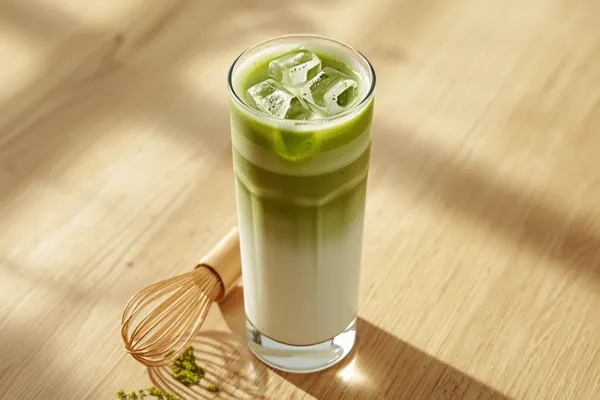
Matcha Latte (Whisked Japanese Green Tea Latte)
Stone-ground Japanese matcha whisked smooth and poured over steamed milk — grassy, sweet and gently caffeinated, with no bitterness when you make it right. A café favourite that's better and cheaper at home.
Japan (an Edo-era wagashi, made nationwide; strawberry daifuku is a Tokyo innovation) · Japanese
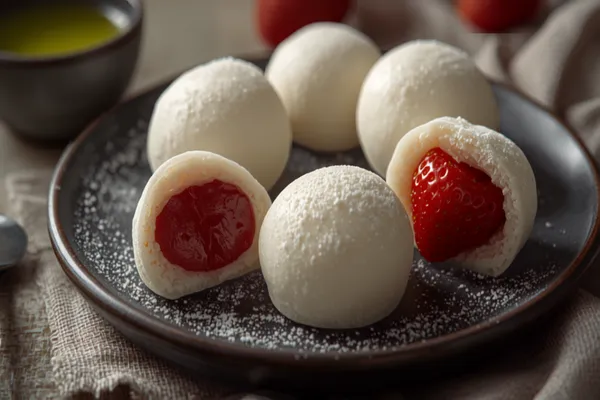
Daifuku (Soft Mochi Wrapped Around Sweet Red-Bean Anko)
Pillowy, cloud-soft mochi made from glutinous rice flour, dusted in potato starch and wrapped around a ball of sweet red-bean anko. The most beloved of Japanese wagashi — and the base for the springtime favorite, strawberry daifuku.
Japan (a Tokyo-born wagashi, now made nationwide) · Japanese
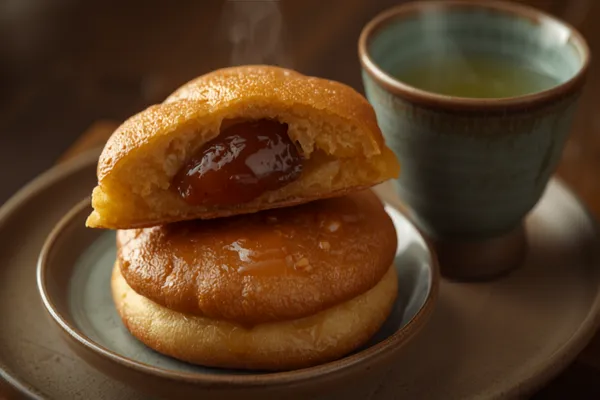
Dorayaki (Honey Pancakes with Sweet Red-Bean Anko)
Two small, springy castella-style pancakes sandwiching a generous layer of sweet red-bean anko. Fragrant with honey and faintly caramel, dorayaki is the beloved wagashi that turned a certain blue robot cat into a national mascot for good snacks.