Japan (a Tokyo-born wagashi, now made nationwide) · Japanese
Dorayaki (Honey Pancakes with Sweet Red-Bean Anko)
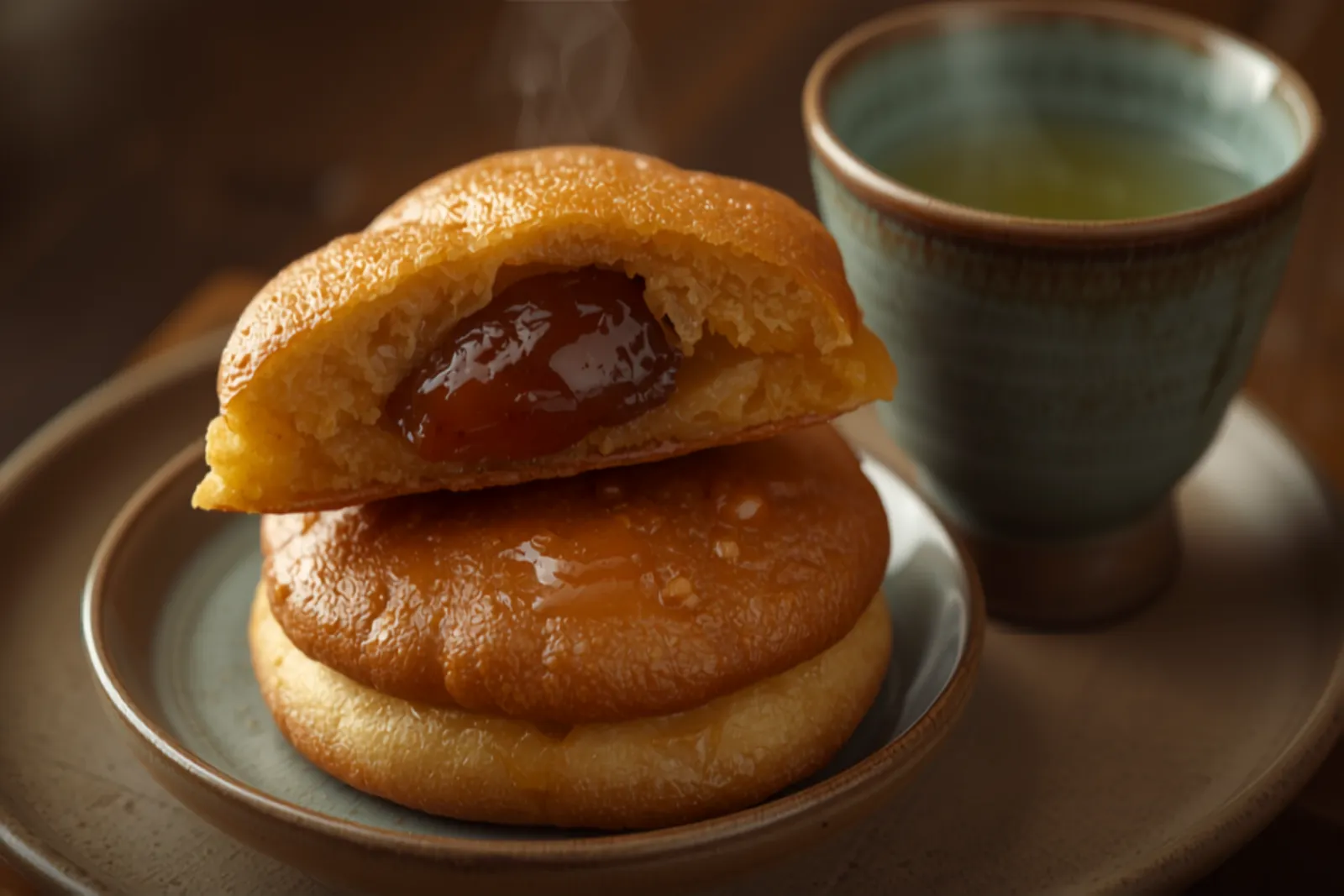
Two small, springy castella-style pancakes sandwiching a generous layer of sweet red-bean anko. Fragrant with honey and faintly caramel, dorayaki is the beloved wagashi that turned a certain blue robot cat into a national mascot for good snacks.
Published August 3, 2026
Cultural context
Dorayaki takes its name from the dora, a small hand gong — legend has it the first ones were cooked on a gong, and the pancakes do share its round, burnished shape. The modern two-layer sandwich was popularized by the Tokyo confectioner Usagiya in the early 20th century. Everyone in Japan knows dorayaki as the single-minded obsession of Doraemon, the time-travelling robot cat of the beloved manga, which cemented it as the friendliest of afternoon sweets.
There is a particular pleasure to dorayaki that has nothing to do with technique and everything to do with proportion: two small pancakes, tender as castella sponge, pressed around a generous seam of sweet red-bean anko that swells at the middle like a well-fed belly. It is not fancy. It is not a plated dessert. It is the friendliest thing in the Japanese sweets case, and generations of children have learned its name not from a cookbook but from a cartoon.
Because to talk about dorayaki in Japan is, sooner or later, to talk about Doraemon — the round blue robot cat who travelled back from the 22nd century and who will, canonically, do almost anything for a dorayaki. An entire nation’s affection for this snack runs partly through that manga, which is a lovely thing to remember while you cook: you are making the food of a beloved fictional friend.
The batter wants to be castella, not breakfast
The whole character of dorayaki comes from treating the batter like a small sponge cake rather than an American pancake. You whip air into the eggs and sugar, you sweeten with honey — which is where the moist, faintly caramel crumb and the glossy brown skin come from — and you let the batter rest so it rises into a gentle dome. The name itself points at that shape: dora is a small hand gong, and the burnished round face of a good dorayaki does look rather like one. (One origin tale even claims the first were cooked on an actual gong.)
A patient pan makes a pretty face
If there is one technique worth caring about, it is heat. Dorayaki is prized for its smooth, evenly tanned outer face, and you only get that on a low, near-dry pan. Wipe on a film of oil, then wipe most of it back off; visible oil leaves blotches and streaks where you want an unbroken golden-brown. Ladle small pools, wait for bubbles to rise across the top, and flip only once. The first side is the one the world sees, so give it your attention.
Anko, and no apology for buying it
The filling is anko, sweetened azuki-bean paste, and for dorayaki the chunky tsubuan is traditional. Making your own is satisfying, but let this be said plainly: store-bought anko is what most Japanese home cooks reach for, and there is no shame in it. Cool your pancakes under a damp cloth so they stay soft and pliable, mound the anko high in the center of one, and press the second on top so the filling domes. That silhouette — pot-bellied, a little imperfect — is exactly right.
Eat dorayaki the way it’s meant to be eaten: at room temperature, in the afternoon, with a cup of green tea, in no particular hurry. For more sweets to set beside the teapot, browse the full recipe collection, or read the cultural stories behind the food.
Ingredients
For the pancakes
- 2 large eggs Room temperature; they whip fuller and give the batter its castella-like lift.
- 80 g (about 1/3 cup) granulated sugar
- 1 tbsp honey Honey is what gives dorayaki its signature moist crumb and glossy brown skin; don't skip it.
- 1 tsp mirin Optional but traditional — it deepens the color and adds a faint savoury roundness.
- 120 g (about 1 cup) cake flour or all-purpose flour
- 1/2 tsp baking soda Dissolved in 1 tbsp warm water just before mixing in; this is what gives the pancakes their tiny domed rise.
- 2–3 tbsp water To loosen the batter to a thick-ribbon consistency.
- neutral oil Just a whisper, wiped on with paper towel, for the pan.
For the filling
- 250 g (about 1 cup) sweet red-bean paste (anko) Tsubuan (chunky) is traditional for dorayaki; koshian (smooth) works too. Store-bought is completely acceptable and used widely in Japan.
Method
Tap a step’s number to check it off as you go.
-
Whisk the eggs, sugar, honey, and mirin together until pale and slightly frothy, about a minute.
Why: Beating air into the eggs and sugar is what gives dorayaki its light, spongey castella crumb rather than a dense flapjack.
-
Sift in the flour and fold just until smooth, then stir in the baking soda dissolved in warm water. Cover and rest the batter 15 minutes.
Why: Resting hydrates the flour and lets the baking soda begin working, so the pancakes rise into a gentle dome and the surface browns evenly.
-
Stir in enough water to loosen the batter so it falls from the spoon in a thick, steady ribbon.
Why: Too thick and the pancakes stay pale and cakey; the right ribbon spreads into a neat round and cooks to that even tan skin.
-
Heat a nonstick pan over low-medium, wipe it with the barest film of oil, then wipe most of it off. Ladle in small pools about 8 cm (3 in) across.
Why: A near-dry pan on gentle heat gives the smooth, unblotched golden-brown face that dorayaki is known for — visible oil leaves streaks.
-
Cook until bubbles appear across the surface and the edges look set, about 1.5–2 minutes, then flip and cook 1 minute more. Repeat, wiping the pan between batches.
Why: The first side becomes the pretty outer face, so you want it evenly colored; bubbles breaking on top tell you it's ready to turn.
-
Cool the pancakes under a damp cloth. Pair them by size, mound anko on the flat side of one, dome side down, and press a second pancake on top so the filling swells slightly at the center.
Why: A damp cloth keeps the crumb soft and pliable so it won't crack when sandwiched; mounding the anko high in the middle gives the classic pot-bellied dorayaki silhouette.
A quick, anonymous tap — no review needed.
Variations
- Matcha cream (nama-dora)
Fold whipped cream sweetened with a little sugar into (or alongside) the anko for a fresh-cream dorayaki. A pinch of matcha whisked into the cream makes a beautiful green ribbon against the red bean.
- Chestnut (kuri)
Tuck a candied chestnut (kuri no kanroni) into the center of the anko for a autumnal version sold around Japanese confectioners in fall.
- Custard
Swap the anko for thick vanilla custard for a kid-friendly, less traditional filling — closer to a Japanese bakery treat than a classic wagashi.
Serving & Storage
Serve at room temperature with green tea. Dorayaki is an afternoon snack, not a dessert course — one with a cup of sencha or hojicha is the whole idea.
Pairs with: Whisked matcha (usucha), Sencha or hojicha green tea, Cold barley tea (mugicha) in summer.
Storage: Wrap each dorayaki individually in plastic and keep at room temperature for up to 2 days, or refrigerate up to 4 days (bring back to room temperature before eating). They freeze well wrapped for up to a month; thaw at room temperature.
Nutrition
Per serving (1 dorayaki)
- Calories
- 240
- Protein
- 5 g
- Carbs
- 48 g
- Fat
- 3 g
- Fiber
- 3 g
- Sugar
- 28 g
- Sodium
- 160 mg
Notable micronutrients: Iron, Folate, Magnesium
Estimated using standard ingredient data. Values vary with brands and substitutions.
Frequently Asked Questions
Do I have to make my own anko?
Not at all. Ready-made sweet red-bean paste — tsubuan or koshian — is sold in cans and tubs at any Japanese or Asian grocer and is genuinely what most home cooks use. If you'd like to make your own, simmer soaked azuki beans with sugar until thick and jammy.
Why did my pancakes turn out flat and pale?
Two usual culprits: the batter was too thick (add a splash more water so it ribbons), or the pan was too hot with too much oil, which streaks the surface before it can rise. Low, steady heat and a nearly dry pan give the even domed tan.
What's the difference between dorayaki and imagawayaki?
Both pair a castella-like batter with anko, but imagawayaki (also called obanyaki) is cooked in a deep ring mold into a thick puck with the filling baked inside, while dorayaki is two separate thin pancakes sandwiched together after cooking.
What to drink with this
All drinks →Hand-picked pours to match this dish. Alcoholic pairings are for adults of legal drinking age (21+ in the US) — please drink responsibly.
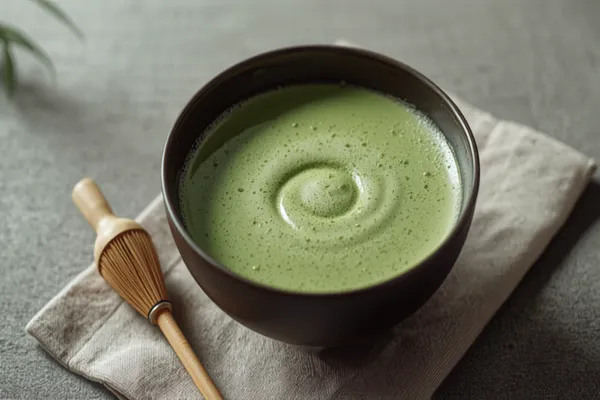
Japan (the chado tea tradition of Kyoto and Uji, home of Japan's finest matcha) · Japanese
Matcha (Whisked Usucha, Thin Tea)
How to whisk a proper bowl of usucha — thin matcha — with a bamboo chasen: bright, jade-green, frothed to a fine foam, and faintly sweet-bitter. The everyday face of Japan's centuries-old tea tradition, ready in two minutes on a home counter.
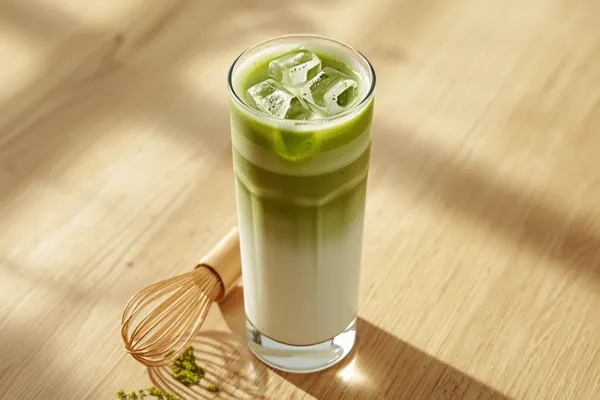
Japan (matcha tradition, Uji & Nishio) · Japanese
Matcha Latte (Whisked Japanese Green Tea Latte)
Stone-ground Japanese matcha whisked smooth and poured over steamed milk — grassy, sweet and gently caffeinated, with no bitterness when you make it right. A café favourite that's better and cheaper at home.
 21+
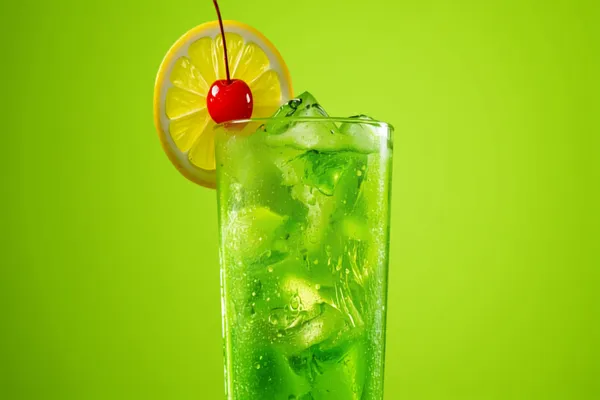
21+ American bars (via Japanese Midori) · Japanese-American
Midori Sour (Melon Liqueur, Lemon & Lime)
The bright-green retro sour: sweet Midori melon liqueur balanced with fresh lemon and lime, lengthened with a splash of soda. A vivid, nostalgic crowd-pleaser — sweet-tart, low-proof and unmistakably '80s.
From our kitchen community
Ratings & Reviews
My Rating
Tap a star to rate — no sign-in, no form needed.
My Review
0 Ratings
🥣 0 home cooks made it!
Be the first to rate Dorayaki (Honey Pancakes with Sweet Red-Bean Anko).
Related Recipes
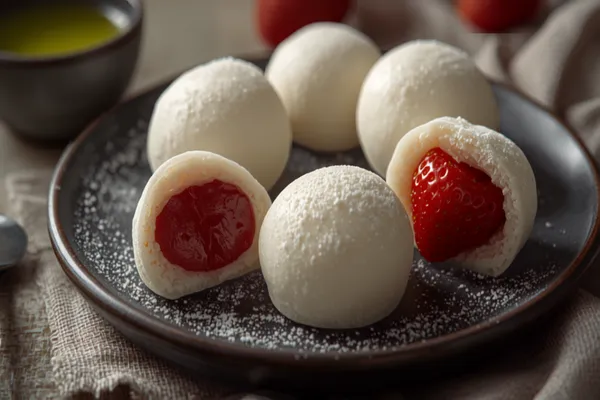
Japan (an Edo-era wagashi, made nationwide; strawberry daifuku is a Tokyo innovation) · Japanese
Daifuku (Soft Mochi Wrapped Around Sweet Red-Bean Anko)
Pillowy, cloud-soft mochi made from glutinous rice flour, dusted in potato starch and wrapped around a ball of sweet red-bean anko. The most beloved of Japanese wagashi — and the base for the springtime favorite, strawberry daifuku.
Japan (the chado tea tradition of Kyoto and Uji, home of Japan's finest matcha) · Japanese
Matcha (Whisked Usucha, Thin Tea)
How to whisk a proper bowl of usucha — thin matcha — with a bamboo chasen: bright, jade-green, frothed to a fine foam, and faintly sweet-bitter. The everyday face of Japan's centuries-old tea tradition, ready in two minutes on a home counter.
Japan (matcha tradition, Uji & Nishio) · Japanese
Matcha Latte (Whisked Japanese Green Tea Latte)
Stone-ground Japanese matcha whisked smooth and poured over steamed milk — grassy, sweet and gently caffeinated, with no bitterness when you make it right. A café favourite that's better and cheaper at home.
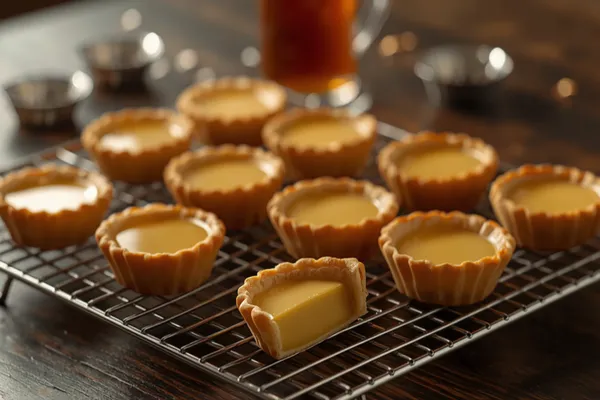
Hong Kong — the cha chaan teng and bing sutt bakeries of Central, Wan Chai and Kowloon, with roots in 1920s Guangzhou · Hong Kong
Hong Kong Egg Tarts (Daan Taat)
The glassy, wobble-free custard tart of Hong Kong's cha chaan teng — a short, biscuity butter crust, a filling of whole eggs and evaporated milk strained twice until it sets clear, and a two-stage bake that browns the pastry before the custard ever has a chance to soufflé.