Japan · Japanese
Tonkatsu (Japanese Crispy Breaded Pork Cutlet)
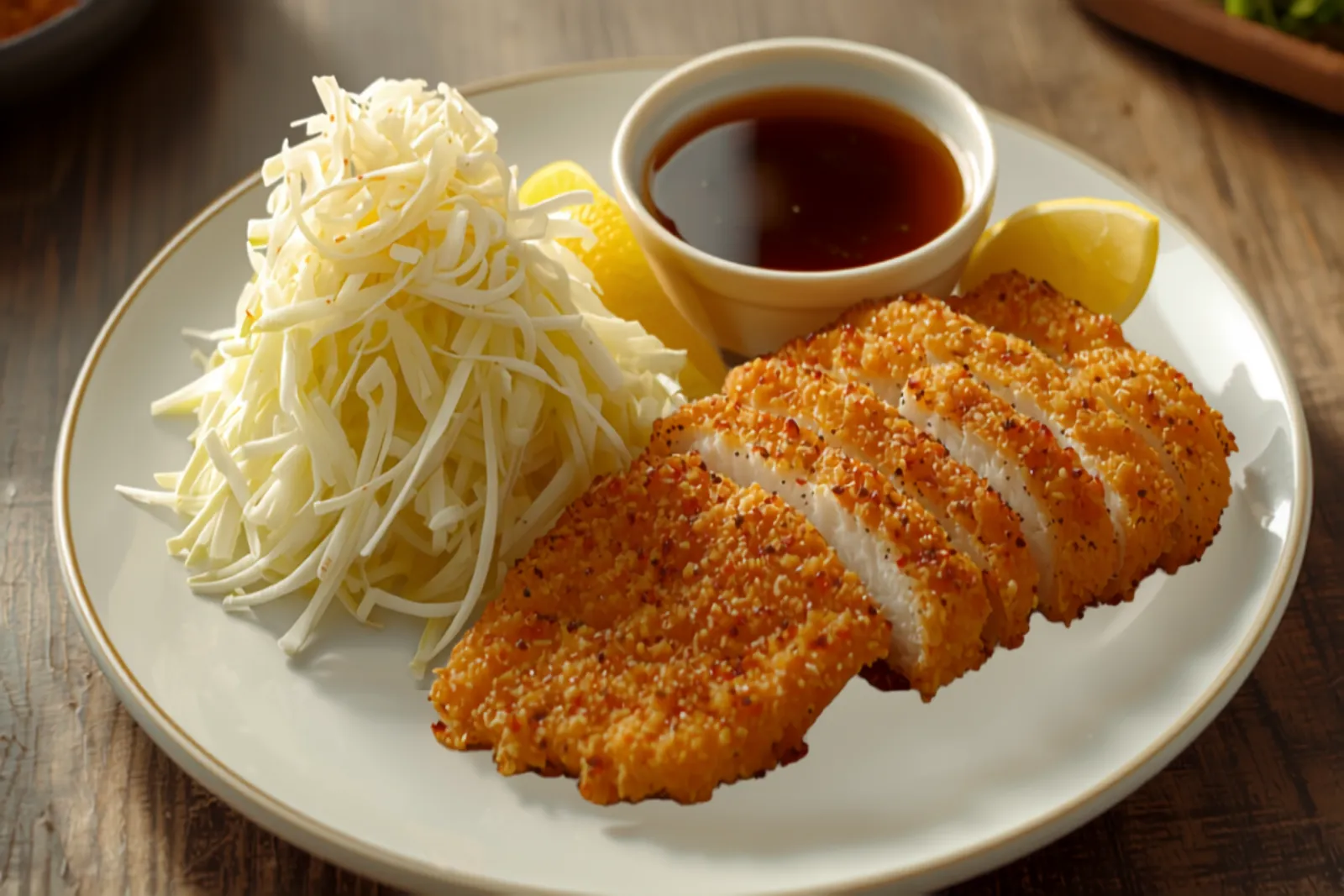
Japan's beloved breaded pork cutlet: a thick pork loin coated in airy panko and fried to a deep golden shatter-crisp, sliced into strips, and served with tangy tonkatsu sauce and a heap of shredded cabbage. Crunchy outside, juicy within.
Published June 20, 2026
Cultural context
Tonkatsu (とんかつ) — ton (pork) plus katsu (cutlet, from the English 'cutlet') — emerged in late-19th-century Tokyo as part of yōshoku, Japan's adaptation of Western dishes. It became a national favourite served at dedicated tonkatsu specialists, and seeded a whole family of dishes: katsudon (over rice with egg), katsu curry, and the katsu sando. Eating it before exams is good luck, since 'katsu' sounds like the verb 'to win.'
Tonkatsu is Japan’s answer to the breaded cutlet, and arguably its finest: a thick pork loin in a coat of airy panko, fried to a deep golden crust that shatters when you bite it, sliced into neat strips, and served with a tangy brown sauce and a snowdrift of cold shredded cabbage. Crunchy, juicy, and deeply comforting, it’s the kind of dish that turned a Western import into something unmistakably Japanese.
It belongs to yōshoku, the genre of Western-inspired dishes Japan adopted and remade over a century ago, and it spawned a whole dynasty: katsudon, katsu curry, the katsu sando. The Japanese even eat it before big exams — katsu sounds like the word for “to win.”
Panko is the whole point
The crust is what separates tonkatsu from any other breaded cutlet, and it comes down to panko — the coarse, flaky Japanese breadcrumbs that fry up lighter and far crispier than fine crumbs, soaking up less oil. Don’t substitute ordinary breadcrumbs. The classic three-stage breading does the rest: flour to dry the surface, beaten egg to glue, then a thick, firmly pressed layer of panko.
Temperature and a small trick
Fry at a steady 170–175°C. Too hot and the crust burns before the pork cooks; too cool and it turns greasy. Two details make a real difference: snip the band of fat around the edge of the chop in a few places so it doesn’t curl in the oil, and drain the cooked cutlets upright on a rack rather than flat on paper towel, so the bottom crust stays crisp instead of steaming itself soggy.
The cabbage isn’t a garnish
That mound of finely shredded raw cabbage is essential, not decorative. Cold, crisp, and faintly sweet, it cuts straight through the richness of the fried pork, especially with a drizzle of the tangy, Worcestershire-spiked tonkatsu sauce. Shred it as fine as you can — a soak in iced water makes it extra crunchy — and pile it high.
Looking for more Japanese comfort food? Browse the full recipe collection, or read more cultural stories on the traditions behind the food.
Ingredients
For the pork
- 2 thick boneless pork loin chops (about 2 cm thick) Or pork tenderloin (hire katsu) for a leaner cut. Loin (rosu) with a rim of fat is the classic.
- salt and white pepper
For the coating
- 4 tbsp plain flour
- 2 eggs, beaten
- 2 cups panko breadcrumbs Japanese panko — coarse, airy flakes that fry up extra crisp. Don't substitute fine breadcrumbs.
For frying
- for deep-frying neutral oil Enough to come about 2.5 cm up the pan.
For the tonkatsu sauce (or use bottled)
- 3 tbsp ketchup
- 2 tbsp Worcestershire sauce
- 1 tbsp oyster sauce
- 1 tbsp sugar
- 1 tsp soy sauce
To serve
- 1/4 white cabbage, very finely shredded The essential cold, crunchy counterpoint. Shred it as fine as you can and soak in iced water for crispness.
- to serve steamed rice, lemon wedges, and toasted sesame seeds
Method
Tap a step’s number to check it off as you go.
-
Snip the fat and any connective tissue around the edge of each chop in a few places, then pound lightly to an even thickness and season both sides with salt and white pepper.
Why: Snipping the membrane stops the cutlet from curling as it fries; even thickness means it cooks evenly and stays juicy.
-
Set up three trays: flour, beaten egg, and panko. Coat each cutlet in flour (shake off excess), then egg, then press firmly into the panko to coat thickly.
Why: The three-stage breading is what makes katsu: flour helps the egg stick, egg glues the panko, and a thick, well-pressed panko layer gives the signature deep crunch.
-
Heat the oil to 170–175°C/340–350°F. Test with a pinch of panko — it should sizzle steadily and float, not brown instantly.
Why: The right temperature cooks the pork through just as the crust turns golden. Too hot burns the coating before the centre is done; too cool makes it greasy.
-
Fry one or two cutlets at a time for 3–4 minutes, turning once, until deep golden and cooked through. Drain upright on a rack.
Why: Frying in small batches keeps the oil temperature stable. Draining upright on a rack (not flat on paper) keeps the bottom crust crisp instead of steaming soggy.
-
Rest 2–3 minutes, then slice across into 2 cm strips. Stir together the sauce ingredients (or use bottled tonkatsu sauce).
Why: Resting lets the juices settle; slicing into strips is the traditional presentation and makes it easy to pick up with chopsticks.
-
Serve the sliced katsu with a generous mound of cold shredded cabbage, steamed rice, the tonkatsu sauce, and a lemon wedge.
Why: The crisp, cold cabbage and tangy sauce cut the richness of the fried pork — the contrast is the whole experience.
A quick, anonymous tap — no review needed.
Variations
- Katsudon
Simmer the sliced katsu briefly with onion in a sweet dashi-soy broth, pour over with beaten egg until just set, and slide over a bowl of rice — a comforting one-bowl classic.
- Katsu curry
Serve the sliced cutlet over rice with Japanese curry sauce ladled alongside — hugely popular and easy with a block of Japanese curry roux.
- Chicken katsu
Use a flattened boneless chicken thigh or breast for chicken katsu, breaded and fried exactly the same way.
Serving & Storage
Plate the sliced cutlet beside a tall, cold mound of finely shredded cabbage with rice and miso soup for a classic teishoku (set meal). Drizzle the tonkatsu sauce over the cutlet or pour into a dish for dipping.
Pairs with: Finely shredded cabbage, Steamed Japanese rice, Miso soup, Japanese pickles (tsukemono).
Storage: Best eaten immediately while crisp. Leftovers keep a day refrigerated; re-crisp in a hot oven or air fryer (never the microwave, which makes it soggy). Cooked katsu is ideal for next-day katsudon.
Nutrition
Per serving (1 cutlet with cabbage (1/2 recipe))
- Calories
- 620
- Protein
- 38 g
- Carbs
- 42 g
- Fat
- 32 g
- Fiber
- 4 g
- Sugar
- 12 g
- Sodium
- 880 mg
Notable micronutrients: Thiamin, Selenium, Vitamin C
Estimated using standard ingredient data. Values vary with brands and substitutions.
Frequently Asked Questions
What's the best cut of pork for tonkatsu?
Pork loin (rosu) with its rim of fat is the classic choice — juicy and flavourful. Pork tenderloin (hire) makes a leaner, more tender cutlet. Either should be a good 2 cm thick so the inside stays juicy while the crust crisps.
Why is panko important?
Panko are coarse, flaky Japanese breadcrumbs that absorb less oil and fry up dramatically crispier and lighter than fine breadcrumbs. They're the key to katsu's signature shatter-crisp crust — don't substitute regular breadcrumbs.
How do I keep the coating from falling off?
Follow the order — flour, then egg, then panko — pat the flour dry of excess, and press the panko on firmly. Let the breaded cutlets rest a few minutes before frying so the coating sets, and don't move them around too much in the oil.
Can I make it without deep-frying?
Shallow-frying in about 2.5 cm of oil (as here) works well. For a lighter version, toast the panko in a little oil until golden first, then bread the pork and bake or air-fry — the pre-toasted crumbs give a convincing crunch without the deep fry.
What to drink with this
All drinks →Hand-picked pours to match this dish. Alcoholic pairings are for adults of legal drinking age (21+ in the US) — please drink responsibly.
Japan (the chado tea tradition of Kyoto and Uji, home of Japan's finest matcha) · Japanese
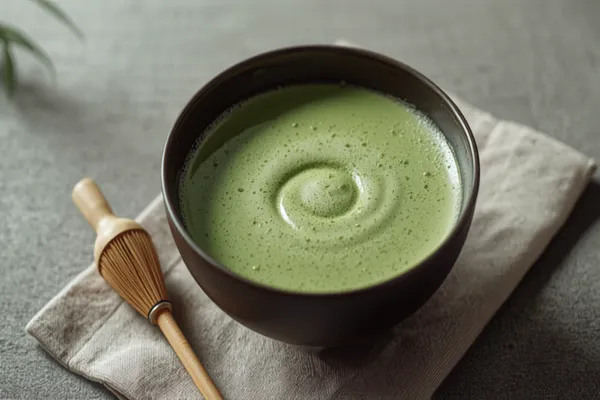
Matcha (Whisked Usucha, Thin Tea)
How to whisk a proper bowl of usucha — thin matcha — with a bamboo chasen: bright, jade-green, frothed to a fine foam, and faintly sweet-bitter. The everyday face of Japan's centuries-old tea tradition, ready in two minutes on a home counter.
Japan (matcha tradition, Uji & Nishio) · Japanese
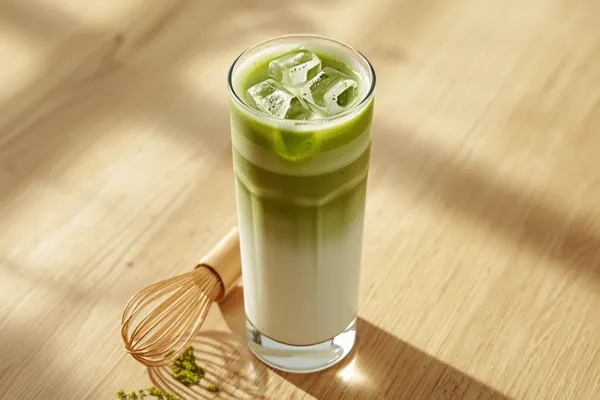
Matcha Latte (Whisked Japanese Green Tea Latte)
Stone-ground Japanese matcha whisked smooth and poured over steamed milk — grassy, sweet and gently caffeinated, with no bitterness when you make it right. A café favourite that's better and cheaper at home.
 21+
21+ American bars (via Japanese Midori) · Japanese-American
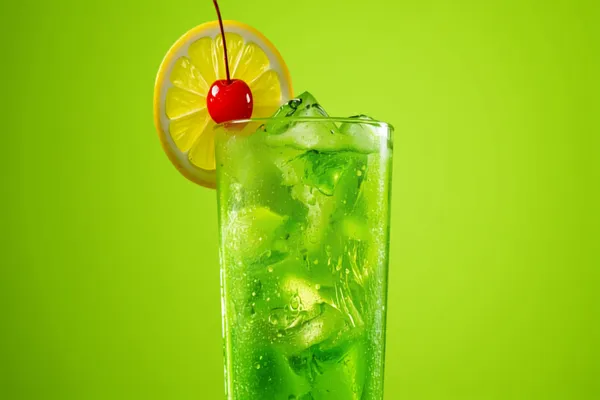
Midori Sour (Melon Liqueur, Lemon & Lime)
The bright-green retro sour: sweet Midori melon liqueur balanced with fresh lemon and lime, lengthened with a splash of soda. A vivid, nostalgic crowd-pleaser — sweet-tart, low-proof and unmistakably '80s.
From our kitchen community
Ratings & Reviews
My Rating
Tap a star to rate — no sign-in, no form needed.
My Review
0 Ratings
🥣 0 home cooks made it!
Be the first to rate Tonkatsu (Japanese Crispy Breaded Pork Cutlet).
Related Recipes
Further reading
- Cultural Story · InternationalWorld Classics: A Cook's Tour Beyond IndiaTable & Traditions is India-first, but the world has a place at this table too. A guide to our curated international slice — the European, East Asian, Southeast Asian, Middle Eastern and North African, and American dishes worth cooking, and where to begin with each.
- Ingredient Deep Dive · JapanDashi: The Quiet Foundation Under Japanese CookingBefore miso soup, before noodle broth, before a hundred simmered dishes, there is dashi — the five-minute stock of kelp and dried fish that gives Japanese food its savory depth. Here's what it is, why it matters, and how to make it.