Japan (nationwide home cooking; the donburi tradition is rooted in Tokyo) · Japanese
Oyakodon (Japanese Chicken and Egg Rice Bowl)
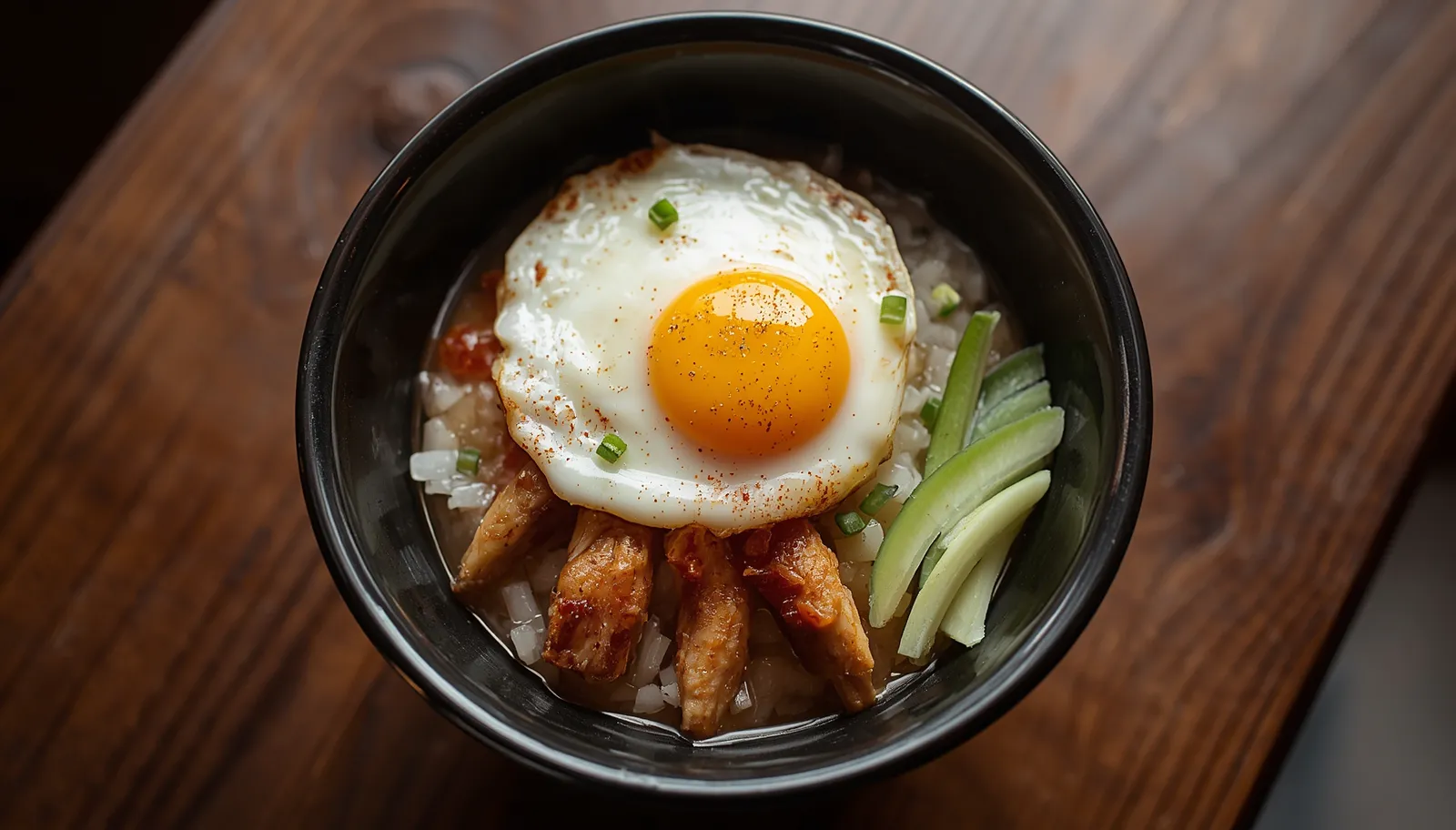
The Japanese home-cooking classic: chicken simmered with sweet onions in a dashi-soy broth, bound with barely-set egg and slid over hot rice. Fast, frugal, and deeply comforting — dinner in under thirty minutes.
Published June 16, 2026
Cultural context
Oyakodon means 'parent-and-child bowl' — oya (parent) for the chicken, ko (child) for the egg, a name that is either tender or grimly literal depending on your mood. It belongs to the donburi family of one-bowl rice dishes that became Tokyo working-class food in the Meiji era, and it remains one of the most-cooked weeknight dinners in Japanese homes.
The first thing to understand about oyakodon is that it is fast food in the most honest sense — the kind of dinner a Japanese home cook can put on the table in the time it takes the rice to finish. Chicken and onion simmer in a sweet-savoury broth, beaten egg is poured over and barely set, and the whole soft, glossy mass slides over a bowl of hot rice. It is frugal, forgiving, and quietly one of the most beloved weeknight dishes in Japan.
The name carries a small, dark joke: oyako means “parent and child,” the parent being the chicken and the child being the egg, both present in the same bowl. It belongs to the donburi family — single-bowl rice dishes topped with something brothy — that took hold as affordable, satisfying food in Meiji-era Tokyo and never left.
The broth is the whole game
Everything good about oyakodon lives in the warishita, the seasoning broth of dashi, soy sauce, mirin, and sake. Dashi — the kombu-and-bonito stock that underpins so much of Japanese cooking — is what separates this from a generic sweet-soy stir-fry. If you’ve never made it, it’s worth learning; we walk through it in our guide to dashi. On a rushed night, a teaspoon of instant hondashi is an honest shortcut that Japanese home cooks use too.
Two pours of egg, and patience
The technique that defines a good oyakodon is the egg. Beat it barely — you want ribbons of white and yolk, not a uniform yellow — and add it in two stages so the top layer stays softest. Pull the pan off the heat while the egg is still glossy and just set; it will finish in its own residual warmth. Firm, dry egg is the single most common way this dish goes wrong.
A small pan matters
Oyakodon is traditionally made one bowl at a time in a small, shallow pan — there are even dedicated oyakodon pans with a side handle. The reason is practical: a small pan keeps the broth deep enough to poach the chicken and float the egg, so each serving is evenly cooked and generously sauced. If you’re feeding more than two, cook in batches rather than crowding a big skillet.
Hungry for more one-bowl dinners? Browse the full recipe collection, or read more cultural stories behind the food.
Ingredients
For the rice
- 1.5 cups short-grain Japanese rice Cooked and kept hot. Koshihikari or any Japanese short-grain; the stickiness matters for a donburi.
For the broth (warishita)
- 3/4 cup dashi Homemade kombu-katsuo dashi is best, but a teaspoon of instant dashi (hondashi) in hot water works on a weeknight.
- 2 tbsp soy sauce Japanese koikuchi (regular) soy sauce, not Chinese dark soy.
- 2 tbsp mirin If you only have sake, add a pinch more sugar to compensate for mirin's sweetness.
- 1 tbsp sake
- 1 tsp sugar
For the bowl
- 2 (about 300 g) boneless, skinless chicken thighs Thighs stay tender; breast turns dry in this quick simmer. Cut into bite-size pieces.
- 1 small yellow onion Thinly sliced with the grain so it holds shape and turns silky-sweet.
- 4 large eggs Cold from the fridge; beaten only loosely so streaks of white remain.
To finish
- mitsuba or thinly sliced scallion Mitsuba is traditional; scallion greens are an easy substitute.
- shichimi togarashi and toasted nori (optional)
Method
Tap a step’s number to check it off as you go.
-
Stir the dashi, soy sauce, mirin, sake, and sugar together in a small bowl to make the warishita (the seasoning broth).
Why: Mixing the broth in advance means you season the chicken evenly and never scramble to balance flavours mid-cook.
-
Spread the sliced onion in a small (8-inch) skillet or a dedicated donburi pan, pour in the broth, and simmer over medium heat for 3–4 minutes until the onion softens.
Why: Softening the onion first sweetens it and infuses the broth before the chicken goes in. A small pan keeps the liquid deep enough to poach everything.
-
Add the chicken in a single layer and simmer 5–6 minutes, turning once, until just cooked through.
Why: A gentle simmer (not a boil) keeps the thigh meat silky rather than tightening it into rubber.
-
Beat the eggs loosely — count to three, no more. Pour about two-thirds over the chicken in a spiral, cover, and cook 60–90 seconds.
Why: Under-beating leaves ribbons of white and yolk for a marbled look. Covering traps steam so the egg sets from the top down without overcooking the base.
-
Pour the remaining egg over the top, cut the heat, cover, and let it sit 30–60 seconds. The egg should be glossy and barely set — custardy, not firm.
Why: Residual heat finishes the second layer of egg to a just-set softness, the texture that defines a good oyakodon.
-
Slide the whole thing — broth and all — over a bowl of hot rice. Scatter with mitsuba or scallion and a pinch of shichimi.
Why: The loose broth soaking down into the rice is the point of a donburi; don't drain it off.
A quick, anonymous tap — no review needed.
Variations
- Lower-carb
Serve over cauliflower rice or a smaller portion of rice; the chicken-and-egg topping is naturally low in carbohydrate.
- Vegetarian (no chicken)
Swap the chicken for firm tofu and sliced shiitake, and use a kombu-shiitake dashi. It's no longer 'parent and child,' but it's excellent — a tamago-toji donburi.
- Budget
Stretch one bowl to two with extra onion and a handful of sliced mushrooms; the broth carries the dish.
Serving & Storage
Eat immediately, while the egg is still soft. A small bowl of miso soup and some quick-pickled cucumber round it into a full meal.
Pairs with: Miso soup, Quick-pickled cucumber (sunomono), Steamed greens with sesame.
Storage: Oyakodon is a make-and-eat dish — the soft egg doesn't keep. Cook the components fresh; you can prep the broth and slice the chicken and onion a day ahead.
Nutrition
Per serving (1 bowl)
- Calories
- 620
- Protein
- 40 g
- Carbs
- 68 g
- Fat
- 18 g
- Fiber
- 2 g
- Sugar
- 9 g
- Sodium
- 1180 mg
Notable micronutrients: Selenium, Vitamin B12, Choline
Estimated using standard ingredient data. Values vary with brands and substitutions.
Frequently Asked Questions
What's the difference between oyakodon and katsudon?
Both are donburi bound with egg, but katsudon uses a breaded, deep-fried pork cutlet (tonkatsu) instead of simmered chicken. Oyakodon is lighter and faster; katsudon is the indulgent cousin.
Can I make oyakodon without dashi?
Dashi is what makes it taste Japanese rather than just sweet-soy, so it's worth a teaspoon of instant hondashi at minimum. In a pinch, a light chicken stock with a small piece of kombu steeped in it will get you most of the way.
Is the egg fully cooked?
Traditionally the egg is left soft and barely set, which means slightly runny. If you prefer it fully set — or are serving someone who should avoid undercooked egg — simply cover and cook another minute until firm.
What to drink with this
All drinks →Hand-picked pours to match this dish. Alcoholic pairings are for adults of legal drinking age (21+ in the US) — please drink responsibly.
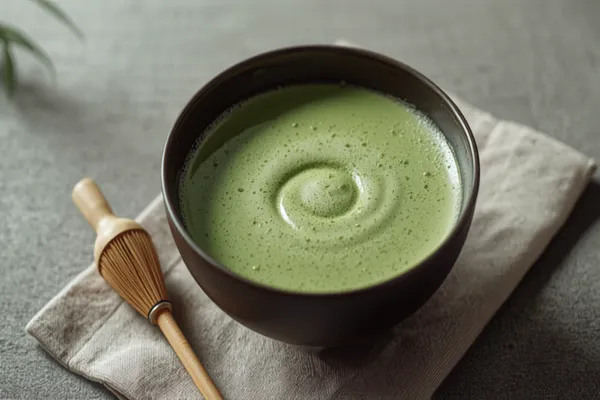
Japan (the chado tea tradition of Kyoto and Uji, home of Japan's finest matcha) · Japanese
Matcha (Whisked Usucha, Thin Tea)
How to whisk a proper bowl of usucha — thin matcha — with a bamboo chasen: bright, jade-green, frothed to a fine foam, and faintly sweet-bitter. The everyday face of Japan's centuries-old tea tradition, ready in two minutes on a home counter.
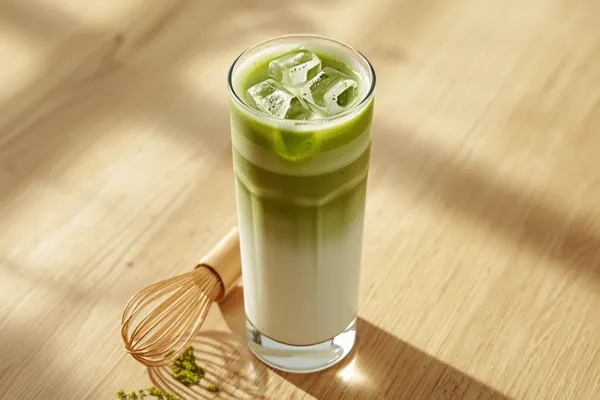
Japan (matcha tradition, Uji & Nishio) · Japanese
Matcha Latte (Whisked Japanese Green Tea Latte)
Stone-ground Japanese matcha whisked smooth and poured over steamed milk — grassy, sweet and gently caffeinated, with no bitterness when you make it right. A café favourite that's better and cheaper at home.
 21+
21+ American bars (via Japanese Midori) · Japanese-American
Midori Sour (Melon Liqueur, Lemon & Lime)
The bright-green retro sour: sweet Midori melon liqueur balanced with fresh lemon and lime, lengthened with a splash of soda. A vivid, nostalgic crowd-pleaser — sweet-tart, low-proof and unmistakably '80s.
From our kitchen community
Ratings & Reviews
My Rating
Tap a star to rate — no sign-in, no form needed.
My Review
0 Ratings
🥣 0 home cooks made it!
Be the first to rate Oyakodon (Japanese Chicken and Egg Rice Bowl).
Related Recipes
Further reading
- Ingredient Deep Dive · JapanDashi: The Quiet Foundation Under Japanese CookingBefore miso soup, before noodle broth, before a hundred simmered dishes, there is dashi — the five-minute stock of kelp and dried fish that gives Japanese food its savory depth. Here's what it is, why it matters, and how to make it.
- Cultural Story · InternationalWorld Classics: A Cook's Tour Beyond IndiaTable & Traditions is India-first, but the world has a place at this table too. A guide to our curated international slice — the European, East Asian, Southeast Asian, Middle Eastern and North African, and American dishes worth cooking, and where to begin with each.