Ingredient Deep Dive · Japan
Dashi: The Quiet Foundation Under Japanese Cooking
Before miso soup, before noodle broth, before a hundred simmered dishes, there is dashi — the five-minute stock of kelp and dried fish that gives Japanese food its savory depth. Here's what it is, why it matters, and how to make it.
Published June 16, 2026
Ask what makes Japanese food taste Japanese and you’ll get a dozen answers — soy sauce, miso, rice, seasonality. But underneath almost all of it sits something quieter: dashi, the simple stock of kelp and dried fish that runs through the cuisine like a bass note. Miso soup is dashi. The broth under a bowl of udon is dashi. The simmering liquid for vegetables, the base of a thousand sauces, the savory backbone of dishes like oyakodon — all dashi. It is the most important ingredient most Western cooks have never made.
Two ingredients, one idea
The everyday version, awase dashi, is almost embarrassingly simple: a piece of kombu (dried kelp) and a handful of katsuobushi (paper-thin flakes of dried, smoked, fermented bonito). You steep the kombu in water as it heats, pull it before it boils, add the bonito flakes off the heat, let them sink, and strain. The whole thing takes about five minutes of active work and produces a clear amber liquid that tastes like the sea distilled into something gentle.
What’s happening underneath is a small marvel of flavor chemistry. Kombu is rich in glutamate; katsuobushi is rich in inosinate. On their own each is savory, but together they multiply — a synergy of umami that the Japanese palate identified and built a cuisine around centuries before a scientist named the compound. This is not folklore dressed up as science; it’s measurable, and it’s why the two ingredients are almost always used together.
A history worth knowing
Kombu traveled south from the cold waters off Hokkaido along trade routes that shaped Japanese cooking for centuries. Katsuobushi — bonito that’s been simmered, smoked, and then cultured with mold and dried until it’s hard as wood and shaved into wisps — is one of the most painstakingly produced ingredients in any cuisine. That two such different foods, one a plant from the far north and one a fish processed over weeks, became the inseparable base of a national diet says something about how seriously Japan takes the foundations of flavor.
Why it matters for the home cook
Here’s the practical case: once you can make dashi, a huge swath of Japanese home cooking opens up. Miso soup becomes a five-minute proposition. Simmered dishes (nimono), savory custards (chawanmushi), noodle broths, and rice bowls all start from the same pot. And dashi is forgiving — there are regional and personal variations, from the shiitake-based vegetarian version to the stronger niboshi (dried sardine) dashi of home kitchens in western Japan.
A word on shortcuts, because purism helps no one: instant dashi powder and dashi packs are used in Japanese households every single day. Made-from-scratch is fresher and cleaner, and worth learning. But the worst version of a Japanese dish is the one where the dashi was skipped entirely because making it seemed daunting. It isn’t. Start with the five-minute method, taste what it does to a bowl of miso soup, and you’ll understand why everything else is built on top of it.
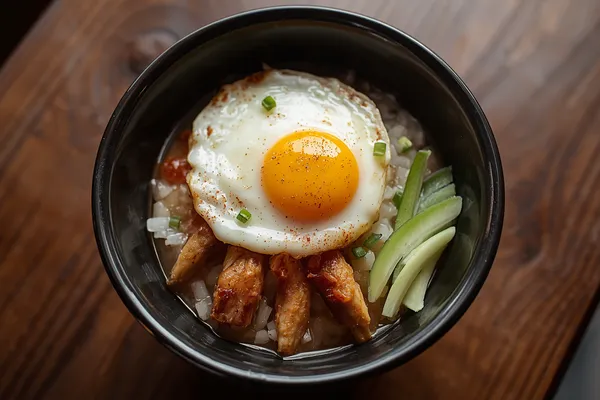
Ready to put it to use? Try our oyakodon, browse the full recipe collection, or read more cultural stories on the traditions behind the food.
Frequently Asked Questions
What is dashi made of?
The classic version, awase dashi, uses just two ingredients: kombu (dried kelp) and katsuobushi (flakes of dried, fermented, smoked bonito). Variations use dried shiitake or dried sardines (niboshi) instead, but kombu-and-bonito is the everyday standard.
What does dashi taste like?
Clean, savory, and subtly oceanic — it's the clearest expression of umami, the so-called fifth taste. On its own it tastes almost like a light, savory tea; in a dish, it amplifies everything around it without announcing itself.
Can I use instant dashi?
Yes. Instant dashi powder (hondashi) and dashi packs are used in Japanese homes every day and are a completely legitimate shortcut. Made-from-scratch dashi is fresher and cleaner, but instant is far better than skipping dashi altogether.
Related Recipes
Related stories & guides
- Cultural Story · North KarnatakaJolada Rotti: The Sorghum Bread That Built North Karnataka's TableBefore the curry comes the bread. Jolada rotti — the unleavened sorghum flatbread of North Karnataka — is the foundation that dishes like ennegayi are built to be eaten with. Here's its story, and why it matters.
- Cultural Story · InternationalWorld Classics: A Cook's Tour Beyond IndiaTable & Traditions is India-first, but the world has a place at this table too. A guide to our curated international slice — the European, East Asian, Southeast Asian, Middle Eastern and North African, and American dishes worth cooking, and where to begin with each.
- Festival & Seasonal · InternationalWorld Festive: Recipes for Celebrations Around the GlobeEvery culture has its feast days — the holiday tables, the harvest gatherings, the festivals devoted to a single beloved food. This is our guide to celebration cooking from around the world, from a French Yule log to Hawaiian Spam musubi, and the festivals behind each dish.