North Karnataka · Indian
Badanekayi Ennegayi (North Karnataka Stuffed Brinjal)
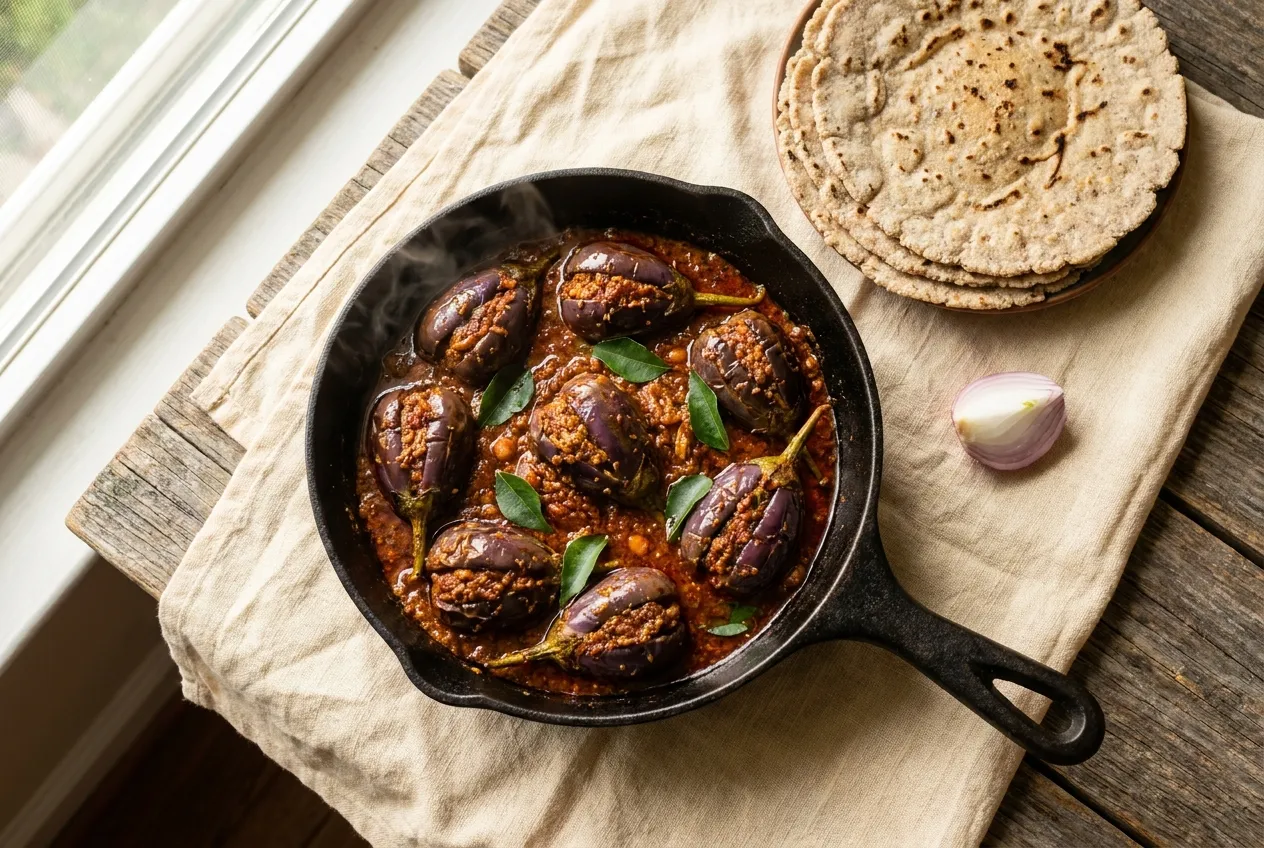
The iconic North Karnataka stuffed brinjal curry: small eggplants packed with a roasted peanut, sesame, and coconut masala, simmered until glossy and tender. Served with jolada rotti at weddings and harvest feasts.
Published June 19, 2026
Cultural context
In the dry, sorghum-growing districts of North Karnataka — Dharwad, Bijapur, Gadag — ennegayi is the dish that signals a feast. It anchors wedding spreads and harvest meals, traditionally eaten with jolada rotti, the region's unleavened sorghum flatbread. The name is literal: enne means oil, kai means vegetable — an 'oily vegetable' rich enough to carry a celebration.
There is a moment at a North Karnataka wedding lunch when the badanekayi ennegayi arrives — small brinjals split open and packed with a roasted peanut-and-sesame masala, glistening under a thin film of oil — and the room knows the meal has properly begun. This is not everyday cooking. It is the dish that says celebration, served with stacks of jolada rotti torn and dipped straight into the gravy.
Ennegayi belongs to the dry, sorghum-growing belt of North Karnataka — Dharwad, Gadag, Bijapur — where the cooking leans on toasted seeds, dry coconut, and the locally grown Byadgi chile rather than the wet coconut and curry-leaf tempering of the coastal south. It is built to be eaten with jolada rotti, the region’s sorghum flatbread. The name is plain about its character: enne (oil) and kai (vegetable). The generosity with oil isn’t carelessness; it’s what lets the ground spices bloom fully and the gravy turn glossy and emulsified, clinging to each piece.
Why this masala works
The flavour rests on three pillars held in tension: the nuttiness of roasted peanuts and sesame, the sourness of tamarind, and the rounding sweetness of jaggery. Get those in balance and the bitterness natural to eggplant skin becomes an asset rather than a flaw. The single most important technique is roasting each ingredient to its own doneness before grinding — sesame seeds need seconds, chana dal needs minutes. Rush it and the masala goes flat; respect it and it tastes like it came from a wedding kitchen.
A note on attribution: this brinjal preparation doesn’t stop at a state line. Just across the border in Maharashtra it becomes bharli vangi, built on goda masala; in parts of Andhra it takes another form again. We treat it here as a North Karnataka dish because that is the tradition this particular masala and the jolada-rotti pairing come from — not because the brinjal belongs to anyone alone.
Want more like this? Browse the full recipe collection, or read more cultural stories on the traditions behind the food.
Ingredients
For the masala
- 3 tbsp raw peanuts Skin-on; the skins add colour and a faint bitterness that balances the jaggery.
- 2 tbsp white sesame seeds The signature note of North Karnataka cooking — don't skip them.
- 3 tbsp dry desiccated or fresh grated coconut
- 1 tbsp coriander seeds
- 1 tsp cumin seeds
- 1 tbsp chana dal (split Bengal gram)
- 2 tbsp dry coconut and curry leaves A small handful of curry leaves, toasted with the coconut.
- 2–3 tsp Byadgi chile powder Byadgi (grown nearby) gives deep red colour with mild heat. Use Kashmiri as a substitute; add cayenne if you want more bite.
- 1/2 tsp turmeric powder
- 1 tbsp jaggery Grated. Balances the tamarind and the bitterness of the eggplant skins.
- 1 tbsp tamarind paste Or a lime-sized ball of tamarind soaked and strained.
- 1 tsp salt Adjust to taste once the curry simmers.
For the curry
- 8–10 small purple brinjals (Indian eggplants) Choose firm, glossy, palm-sized ones with green caps left on — they hold the stuffing.
- 3 tbsp groundnut or sunflower oil Ennegayi is meant to be generous with oil; it's what makes the gravy glossy.
- 1 tsp mustard seeds
- 1 medium onion, finely chopped
- 1 sprig curry leaves
Method
Tap a step’s number to check it off as you go.
-
Dry-roast the peanuts, sesame seeds, chana dal, coriander, and cumin separately over medium heat until each is fragrant and lightly coloured, then roast the coconut and curry leaves last until golden. Let everything cool.
Why: Roasting each component to its own doneness is the difference between a flat masala and a deep one — sesame burns in seconds, while peanuts and chana dal need longer. Cooling before grinding keeps the paste from turning oily and gummy.
-
Grind the roasted ingredients with the chile powder, turmeric, jaggery, tamarind, and salt to a thick, slightly coarse paste, adding only a splash of water.
Why: A coarse grind gives the masala body so it clings inside the brinjals instead of leaking out. Keeping water minimal makes a stiff stuffing now and a glossy gravy later.
-
Rinse the brinjals and, keeping the stem on, cut a deep 'X' from the base toward the cap so each opens into four attached quarters. Drop them into salted water as you go.
Why: Cutting toward but not through the cap turns each brinjal into a pocket. The salted-water soak stops the cut flesh from browning and draws out a little bitterness.
-
Pack the masala generously into each brinjal, reserving the rest. Heat the oil in a heavy, wide pan and crackle the mustard seeds, then add the onion and curry leaves and cook until the onion is soft and golden.
Why: A wide, heavy pan lets the brinjals sit in a single layer so they cook evenly. Blooming mustard seeds in hot oil releases their nutty pungency — the backbone of the tempering.
-
Lay the stuffed brinjals in the pan, spoon the leftover masala around them with about a cup of warm water, cover, and simmer on low for 20–25 minutes, turning gently once or twice.
Why: Low, covered heat steams the brinjals tender while the masala loosens into gravy. Turning gently keeps the stuffing in and lets every side glaze.
-
Uncover and let the gravy reduce until it turns thick and glossy and oil just begins to surface at the edges. Taste and adjust salt, tamarind, or jaggery.
Why: Oil rising to the surface is the traditional doneness cue — it means the spices are fully cooked and the gravy has emulsified. The final taste check balances the three pillars: sour, sweet, and heat.
A quick, anonymous tap — no review needed.
Variations
- Nut-free
Replace peanuts with an extra 2 tbsp of sesame seeds and 1 tbsp of roasted chana dal. The masala stays rich and the texture holds.
- Lower-oil
Cut the oil to 1.5 tbsp and add a splash more water when simmering. You lose some of the traditional gloss but keep the flavour.
- Maharashtrian (Bharli Vangi)
Just over the border, the same dish swaps in goda masala and more coconut for a sweeter, darker gravy — a reminder that this brinjal belongs to a whole region, not one state.
Serving & Storage
Serve hot, with the gravy spooned over, alongside jolada rotti (sorghum flatbread). A raw onion wedge and a pinch of salt on the side is the traditional accompaniment.
Pairs with: Jolada rotti (sorghum flatbread), Steamed rice, Chapati, Plain yogurt.
Storage: Keeps 3 days refrigerated and tastes better on day two as the masala settles. Reheat gently with a splash of water. Not suitable for freezing — the brinjals turn mushy.
Nutrition
Per serving (2 stuffed brinjals with gravy)
- Calories
- 290
- Protein
- 7 g
- Carbs
- 22 g
- Fat
- 21 g
- Fiber
- 8 g
- Sugar
- 10 g
- Sodium
- 600 mg
Notable micronutrients: Manganese, Vitamin B1 (thiamine), Copper, Magnesium
Estimated using standard ingredient data. Values vary with brands and substitutions.
Frequently Asked Questions
What kind of eggplant should I use for ennegayi?
Small, firm, palm-sized purple Indian brinjals with the green cap still on. They hold their shape and have enough flesh to cradle the stuffing without falling apart. Avoid large globe eggplants — they're too watery and won't form pockets.
What is ennegayi traditionally served with?
Jolada rotti, the unleavened sorghum flatbread of North Karnataka, is the classic pairing — the dry, slightly tangy rotti is built to soak up the oily, spiced gravy. It's also eaten with chapati or steamed rice.
Can I make badanekayi ennegayi ahead of time?
Yes, and you should. The masala deepens overnight, so ennegayi made a day ahead tastes noticeably better. Reheat gently with a little water. The dry masala powder can also be ground up to a week in advance and refrigerated.
Is ennegayi very spicy?
It's warmly spiced rather than fiery, especially when made with Byadgi or Kashmiri chiles, which give colour more than heat. The jaggery and tamarind round it out. Add cayenne or extra chile powder if you want more punch.
What to drink with this
All drinks →Hand-picked pours to match this dish.
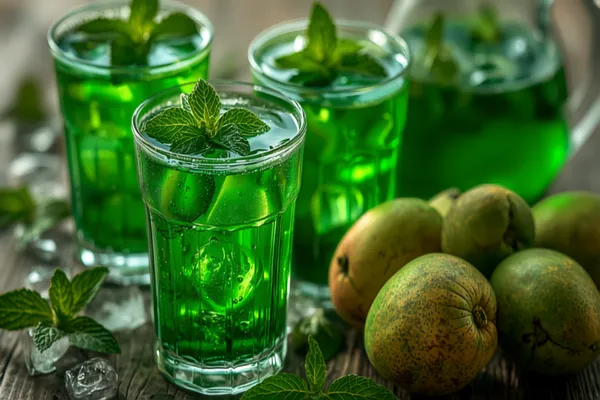
North & West India (peak-summer drink across the subcontinent) · Indian
Aam Panna (Raw Green Mango Summer Cooler)
India's tangy, jade-green raw-mango cooler — roasted or boiled green mangoes blended with cumin, black salt and mint. The traditional heat-stroke remedy that tastes like summer.
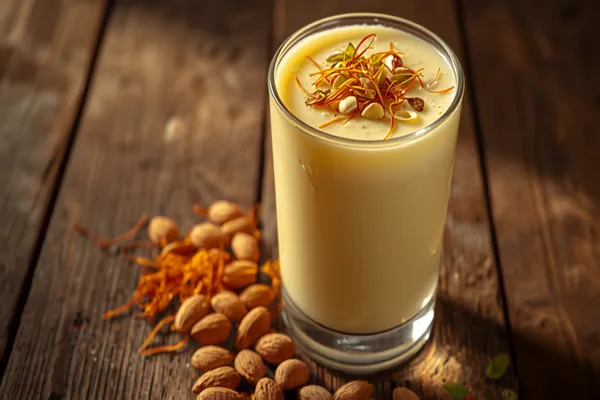
Pan-Indian (North & West India) · Indian
Badam Milk (Saffron Almond Milk)
Milk simmered with a paste of soaked almonds, saffron, cardamom and a whisper of nutmeg — India's rich, fragrant almond drink. Comforting served warm in winter, reviving served chilled in summer, festive any time.
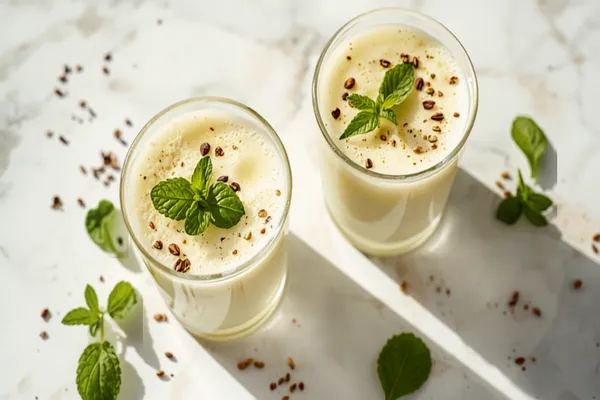
Pan-Indian (Gujarat & West India especially) · Indian
Chaas (Spiced Indian Buttermilk / Masala Chaas)
Whisked yogurt thinned with water and seasoned with cumin, green chilli, ginger and curry leaves — India's cooling, savoury buttermilk. A salty-tangy digestive that beats the heat and settles a heavy meal in two minutes.
From our kitchen community
Ratings & Reviews
My Rating
Tap a star to rate — no sign-in, no form needed.
My Review
0 Ratings
🥣 0 home cooks made it!
Be the first to rate Badanekayi Ennegayi (North Karnataka Stuffed Brinjal).
Further reading
- Cultural Story · North KarnatakaJolada Rotti: The Sorghum Bread That Built North Karnataka's TableBefore the curry comes the bread. Jolada rotti — the unleavened sorghum flatbread of North Karnataka — is the foundation that dishes like ennegayi are built to be eaten with. Here's its story, and why it matters.
- Cultural Story · South IndiaA Complete Guide to South Indian CookingSouth India isn't one cuisine but many — Tamil, Kerala, Karnataka, Andhra and Telangana, each with its own grains, spices, and rituals. A guide to the building blocks, the regional differences, and where to start cooking.