Guangdong (Cantonese) · Chinese
Char Siu (Cantonese Barbecue Pork)
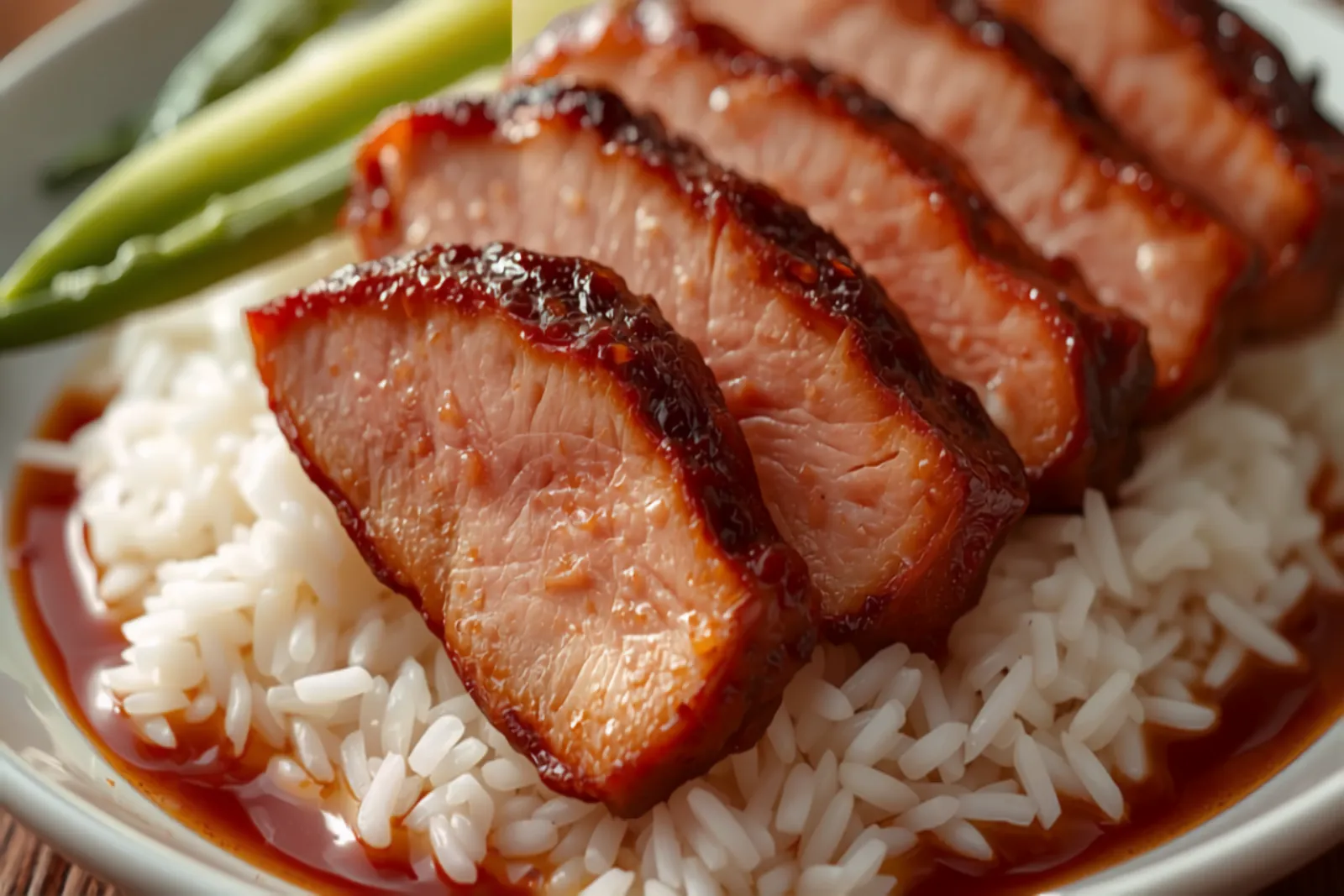
The lacquered red-edged pork that hangs in every Cantonese roast-meat window: pork shoulder marinated in a sweet-savoury glaze of hoisin, soy, honey, and five-spice, then roasted and basted until sticky and caramelised. Easier at home than you'd think.
Published June 20, 2026
Cultural context
Char siu (叉燒) means 'fork-roasted,' from the traditional method of skewering strips of seasoned pork on long forks to roast over a fire. It's a cornerstone of Cantonese siu mei (roast-meat) culture, displayed glistening in restaurant windows across Guangdong, Hong Kong, and Chinatowns worldwide. It stars in everything from rice plates to noodle soups to the steamed buns called char siu bao.
If you’ve ever walked past a Cantonese roast-meat shop and stopped at the window — strips of glossy, red-edged pork hanging in a row, dripping caramel — that’s char siu. The name means “fork-roasted,” after the long forks the strips were traditionally skewered on over a fire, and it’s one of the pillars of Cantonese siu mei, the roast-meat tradition of Guangdong and Hong Kong.
The good news is that it’s one of the easiest restaurant classics to pull off at home. There’s no special equipment and barely any technique — just a good marinade, a hot oven, and patient basting.
The marinade does the work
Char siu’s flavour is built almost entirely the day before. A glaze of hoisin, soy, honey, brown sugar, Shaoxing wine, garlic, and five-spice gets rubbed into thick strips of pork shoulder, which then sit overnight. Shoulder (or neck) is the cut to use — its marbling keeps the meat juicy through roasting. Set aside a few spoonfuls of the marinade before it touches the raw pork, so you have clean glaze for basting.
Basting builds the lacquer
Roasting is just turning and basting. Every seven or eight minutes you flip the pork and brush on more glaze, building up layer after sticky layer. A rack over a water-filled tray keeps the oven moist and the meat from drying out. The famous charred, glassy edges come at the very end: a brush of warmed honey or maltose, then a few minutes under a hot grill — watched like a hawk, because the sugars burn in seconds.
About that red colour
The classic reddish hue comes from fermented red bean curd, and commercially sometimes a little food colouring. Both are entirely optional. Skip them and your char siu will be a shade more brown but just as glossy and just as good. Rest it, slice it thick across the grain, and pile it over rice with some greens and a spoonful of the juices.
Looking for more make-ahead, freezer-friendly mains? Browse the full recipe collection, or read more cultural stories on the traditions behind the food.
Ingredients
For the pork
- 1 kg pork shoulder (collar/butt) Cut into long strips about 5–6 cm thick. A little fat marbling keeps it juicy; pork neck is the classic cut.
For the marinade
- 3 tbsp hoisin sauce
- 2 tbsp light soy sauce
- 1 tbsp dark soy sauce For colour.
- 2 tbsp Shaoxing wine Or dry sherry.
- 2 tbsp honey Plus extra for basting.
- 2 tbsp brown sugar
- 1 tbsp oyster sauce
- 3 cloves garlic, grated
- 1/2 tsp Chinese five-spice powder The signature warm aroma of char siu.
- 1 tbsp fermented red bean curd (optional) The traditional source of char siu's reddish hue and savoury depth. Many cooks use a little natural red colouring instead; both are optional.
For the glaze
- 2 tbsp honey or maltose, warmed Maltose gives the authentic glossy lacquer; honey is the easy substitute.
Method
Tap a step’s number to check it off as you go.
-
Mix all the marinade ingredients. Reserve about 3 tablespoons for basting, then rub the rest all over the pork strips. Marinate, covered, in the fridge overnight (or at least 4 hours).
Why: A long marinade is where char siu gets its flavour — the sugars, soy, and five-spice penetrate the meat and set up the caramelisation to come.
-
Bring the pork to room temperature. Set it on a rack over a foil-lined tray with a little water in the bottom, and roast at 200°C/400°F.
Why: A rack lets heat circulate all around the meat; the water tray catches drips and keeps the oven moist so the pork doesn't dry out.
-
Roast 20 minutes, then turn the pork, brush with the reserved marinade, and roast another 15–20 minutes, turning and basting every 7–8 minutes.
Why: Repeated basting builds the layered, sticky glaze. Turning ensures both sides caramelise evenly.
-
For the final lacquer, brush generously with warmed honey or maltose and finish under a hot grill (broiler) for 2–4 minutes, watching closely, until the edges char and blister.
Why: The blast of direct top heat is what creates the signature charred, glossy red edges. The sugars burn fast, so don't walk away.
-
Rest the pork for 10 minutes, then slice across the grain into thick pieces.
Why: Resting keeps the juices in; slicing across the grain keeps each piece tender.
A quick, anonymous tap — no review needed.
Variations
- Air fryer
Cook at 180°C/360°F for about 25 minutes, turning and basting halfway, then crank the heat for the final few minutes to char. Fast and excellent for smaller batches.
- Leaner
Use pork loin or tenderloin for a leaner result — watch it closely, as it dries out faster than shoulder. Reduce the cook time and don't overcook.
- Char siu bao filling
Dice the finished pork and simmer briefly with extra hoisin, oyster sauce, and a little cornstarch slurry to make the classic filling for steamed or baked buns.
Serving & Storage
Slice and serve over steaming jasmine rice with blanched greens and a drizzle of the pan juices (char siu rice), or fold into noodle soups, fried rice, and steamed buns. A few slices alongside rice and a fried egg make a perfect quick meal.
Pairs with: Steamed jasmine rice, Blanched bok choy or gai lan, Wonton noodle soup, Pickled vegetables.
Storage: Keeps 4 days refrigerated and freezes well for up to 2 months, sliced or whole. Reheat gently or eat at room temperature; it's superb in fried rice.
Nutrition
Per serving (about 120 g (1/6 recipe))
- Calories
- 340
- Protein
- 28 g
- Carbs
- 20 g
- Fat
- 16 g
- Fiber
- 0 g
- Sugar
- 18 g
- Sodium
- 880 mg
Notable micronutrients: Thiamin, Selenium, Zinc
Estimated using standard ingredient data. Values vary with brands and substitutions.
Frequently Asked Questions
What cut of pork is best for char siu?
Pork shoulder or neck (collar/butt), cut into thick strips. Its marbling keeps the meat juicy through roasting and basting. Pork belly makes a richer version; lean loin works but dries out more easily and needs a careful eye.
Why is char siu red?
Traditionally from fermented red bean curd (and sometimes a little food colouring used commercially), plus the deep caramelisation of the sugary glaze. The colour is partly cosmetic — you can skip the colouring entirely and still get a beautifully glazed, delicious result.
Do I need maltose?
Maltose gives that glassy, lacquered shine you see in restaurant windows, but it's not essential. Warmed honey is an easy substitute that still produces a glossy, sticky finish. Either way, the final glaze goes on at the end and gets a quick blast of high heat to set.
Can I make char siu without overnight marinating?
A few hours will do in a pinch, but overnight is genuinely better — the flavour penetrates deeper and the result tastes more like the real thing. Plan ahead if you can.
What to drink with this
All drinks →Hand-picked pours to match this dish. Alcoholic pairings are for adults of legal drinking age (21+ in the US) — please drink responsibly.
Japan (the chado tea tradition of Kyoto and Uji, home of Japan's finest matcha) · Japanese
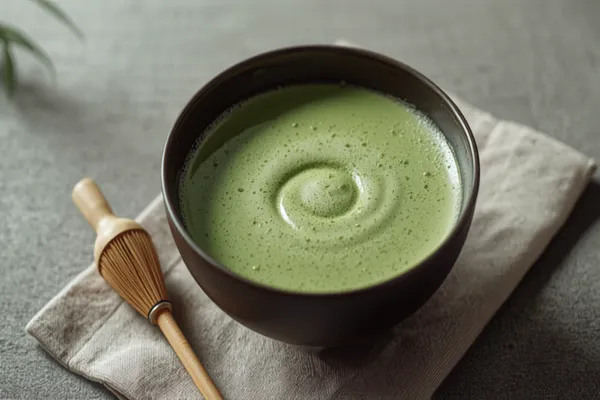
Matcha (Whisked Usucha, Thin Tea)
How to whisk a proper bowl of usucha — thin matcha — with a bamboo chasen: bright, jade-green, frothed to a fine foam, and faintly sweet-bitter. The everyday face of Japan's centuries-old tea tradition, ready in two minutes on a home counter.
Japan (matcha tradition, Uji & Nishio) · Japanese
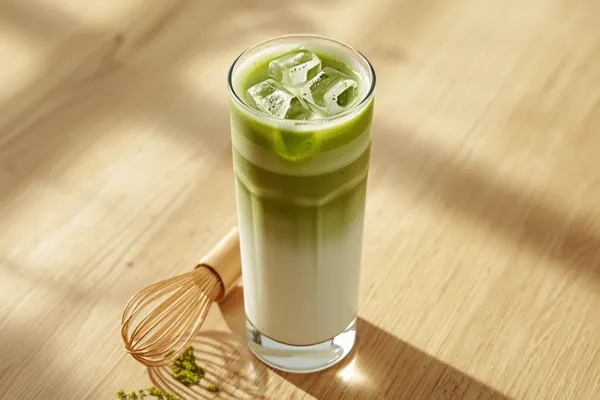
Matcha Latte (Whisked Japanese Green Tea Latte)
Stone-ground Japanese matcha whisked smooth and poured over steamed milk — grassy, sweet and gently caffeinated, with no bitterness when you make it right. A café favourite that's better and cheaper at home.
 21+
21+ American bars (via Japanese Midori) · Japanese-American
Midori Sour (Melon Liqueur, Lemon & Lime)
The bright-green retro sour: sweet Midori melon liqueur balanced with fresh lemon and lime, lengthened with a splash of soda. A vivid, nostalgic crowd-pleaser — sweet-tart, low-proof and unmistakably '80s.
From our kitchen community
Ratings & Reviews
My Rating
Tap a star to rate — no sign-in, no form needed.
My Review
0 Ratings
🥣 0 home cooks made it!
Be the first to rate Char Siu (Cantonese Barbecue Pork).
Related Recipes
Singapore & Malaysia (Hainanese diaspora) / Southeast Asia · Singaporean & Malaysian
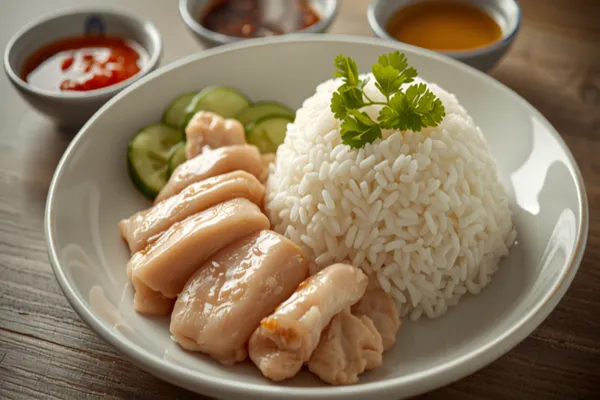
Hainanese Chicken Rice
The hawker-stall masterpiece of Singapore and Malaysia: a whole chicken gently poached to silky tenderness, rice cooked in the schmaltz-rich broth, served with a trio of sauces. Deceptively plain, ruthlessly precise, and one of the world's great comfort dishes.
Sichuan · Chinese
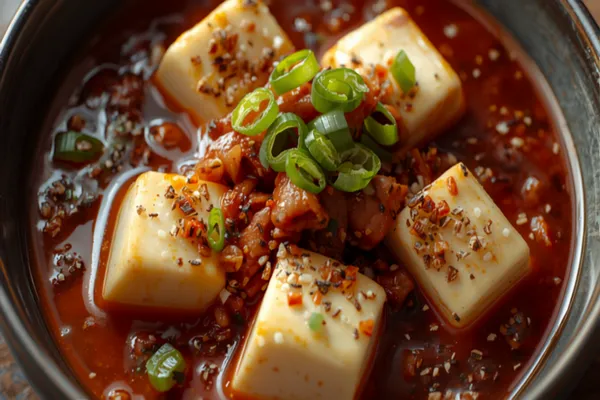
Mapo Tofu (Sichuan Tofu in Spicy Bean Sauce)
The great tofu dish of Sichuan: silky cubes of tofu in a fiery, savoury sauce of fermented broad-bean paste and minced pork, finished with the tongue-tingling buzz of ground Sichuan pepper. Ready in 20 minutes and built on a handful of pantry powerhouses.
Hong Kong — the cha chaan teng and bing sutt bakeries of Central, Wan Chai and Kowloon, with roots in 1920s Guangzhou · Hong Kong
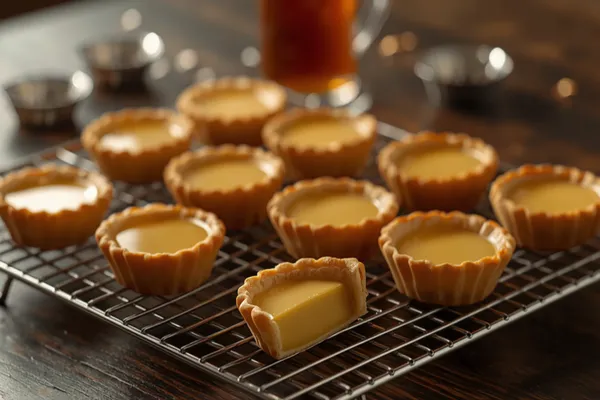
Hong Kong Egg Tarts (Daan Taat)
The glassy, wobble-free custard tart of Hong Kong's cha chaan teng — a short, biscuity butter crust, a filling of whole eggs and evaporated milk strained twice until it sets clear, and a two-stage bake that browns the pastry before the custard ever has a chance to soufflé.
Shanghai and the lower Yangtze, drawing on the northern wheat belt of Shandong and Henan where the bing tradition began · Chinese
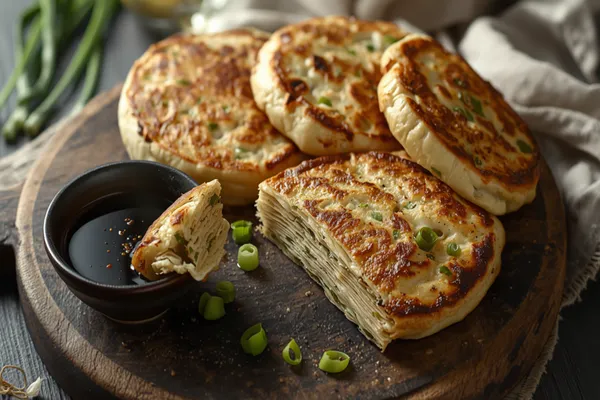
Cong You Bing — Chinese Scallion Pancakes with Shatteringly Flaky Layers
Flour, water, oil and spring onions, laminated like puff pastry and fried until the layers separate into flakes. The two things that decide the outcome are a half-boiling-water dough and an oil roux — not plain oil — between the sheets.
Nanxiang, in Shanghai's western Jiading district — and the teahouse counters around Yu Garden that carried it into the city · Chinese
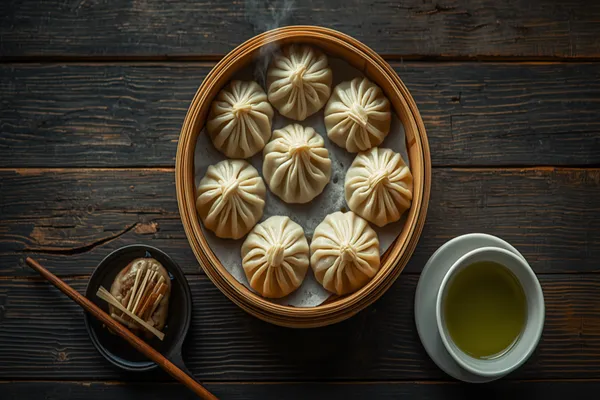
Xiaolongbao (Shanghai Soup Dumplings, the Nanxiang Way)
The dumpling that carries its own soup: chilled pork aspic folded into the filling, sealed inside a thin unleavened wrapper with eighteen pleats, and steamed until the jelly melts back into broth. Every part of the technique exists to protect that liquid.
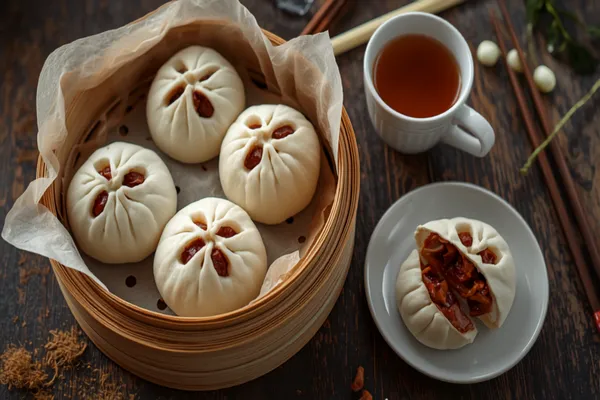
Guangzhou and the Pearl River Delta — the yum cha teahouses of Guangdong, and the dim sum halls of Hong Kong that carried them worldwide · Chinese
Char Siu Bao (Cantonese Steamed BBQ Pork Buns)
The cloud-white dim sum bun that splits open at the top like a laughing mouth: low-gluten dough steamed around a jellied sauce studded with sweet-savoury char siu. The filling is set firm on purpose — that is the whole trick.
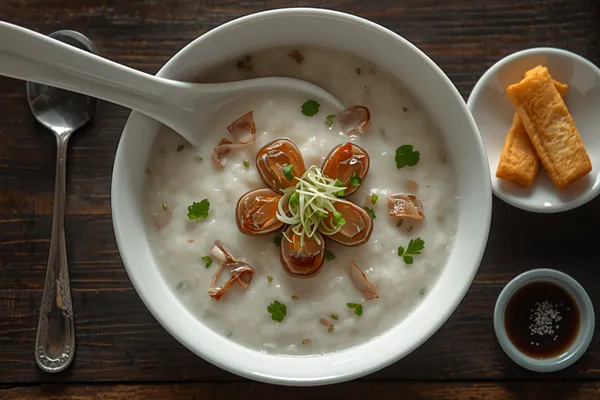
Guangdong and the Pearl River Delta — the congee shops of Guangzhou, Shunde and Hong Kong, within a rice-porridge tradition shared across China and much of Asia · Chinese
Congee with Century Egg and Pork (皮蛋瘦肉粥)
The Cantonese breakfast bowl the rest of the world learned to love: rice simmered in twelve times its weight in water until the grains vanish into something silky and savoury, finished with century egg, slippery pork and a snowfall of ginger and spring onion.