Sichuan · Chinese
Mapo Tofu (Sichuan Tofu in Spicy Bean Sauce)
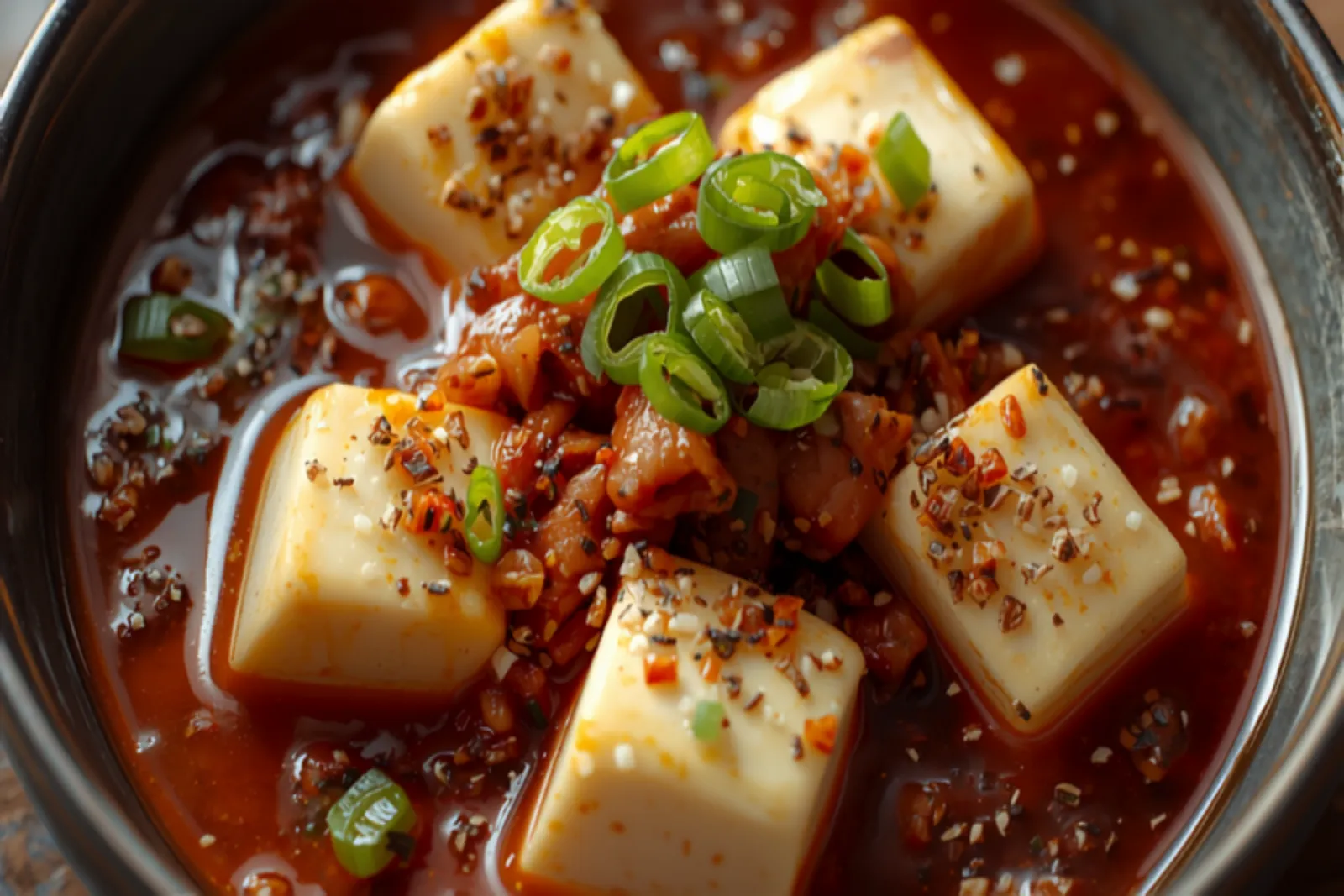
The great tofu dish of Sichuan: silky cubes of tofu in a fiery, savoury sauce of fermented broad-bean paste and minced pork, finished with the tongue-tingling buzz of ground Sichuan pepper. Ready in 20 minutes and built on a handful of pantry powerhouses.
Published June 20, 2026
Cultural context
Mapo tofu (麻婆豆腐) comes from Chengdu, the capital of Sichuan, and dates to the 19th century. The name translates roughly as 'pockmarked old woman's tofu,' after the marked-faced restaurateur said to have created it. It embodies the two flavours Sichuan is famous for: 'má' (the numbing tingle of Sichuan pepper) and 'là' (chili heat) — together, málà.
Mapo tofu is one of the great arguments for keeping a few Chinese pantry staples on hand. With a jar of fermented bean paste and a tin of Sichuan pepper, you can turn a block of soft tofu and a little minced pork into a bowl of something electric in twenty minutes: silky tofu in a glossy, brick-red sauce that’s salty, deeply savoury, spicy, and — distinctively — numbing on the tongue.
It comes from Chengdu, the heart of Sichuan province, and it’s named, charmingly, for the “pockmarked old woman” said to have first cooked it in the 1800s. More than that, it’s the textbook expression of málà — the combination of numbing Sichuan pepper (má) and chili heat (là) that defines the region’s food.
Doubanjiang is the whole dish
There is one ingredient you cannot fudge: doubanjiang, the fermented broad-bean chili paste that gives mapo tofu its colour, salt, and savoury backbone. The Pixian variety is the benchmark. No combination of other pastes truly replaces it, so buy a jar — it lasts for ages and earns its place. The crucial technique is to fry it gently over low heat until the oil stains deep red and turns fragrant. Rush it over high heat and it scorches, and the whole dish turns bitter.
Treat the tofu gently
Use soft or silken tofu, never firm — the custardy slipperiness against the spicy sauce is the point. The trick to keeping the cubes intact is to warm them first in lightly salted water, then push rather than stir them through the sauce with the back of a spoon. A cornstarch slurry added in stages gives the sauce its signature glossy cling.
Sichuan pepper goes in last
The numbing tingle comes from ground Sichuan pepper, and it fades if you cook it. So it always goes on at the very end, off the heat, along with the spring onions — and then the bowl goes straight to the table, bubbling, over a mound of plain white rice.
Looking for more fast, big-flavour weeknight dishes? Browse the full recipe collection, or read more cultural stories on the traditions behind the food.
Ingredients
Main
- 500 g soft or silken tofu Soft, not firm — its custardy texture is the point. Cut into 2.5 cm cubes.
- 150 g ground pork Or beef. For a vegetarian version, use finely chopped shiitake mushrooms.
Sauce and aromatics
- 2 tbsp doubanjiang (Sichuan fermented broad-bean chili paste) The single most important ingredient — the deep red, salty, spicy soul of the dish. Pixian doubanjiang is the gold standard. No real substitute.
- 1 tbsp fermented black beans (douchi), rinsed and chopped Optional but classic, for extra savoury depth.
- 1 tbsp Sichuan chili flakes or chili oil Adjust to your heat tolerance.
- 3 cloves garlic, minced
- 2 cm piece ginger, minced
- 250 ml chicken or vegetable stock
- 1 tsp light soy sauce
- 2 tbsp neutral oil
To finish
- 1.5 tbsp cornstarch mixed with 3 tbsp water The slurry that gives the sauce its glossy cling. Add in stages.
- 1 tsp ground roasted Sichuan pepper The numbing 'má'. Toast whole peppercorns and grind fresh for the best buzz; add at the very end.
- 2 spring onions, sliced
Method
Tap a step’s number to check it off as you go.
-
Gently slide the tofu cubes into a pot of barely simmering lightly salted water and keep warm while you cook. Drain just before adding.
Why: Warming the tofu in salted water firms it slightly so it holds together, seasons it from within, and keeps it from cooling the sauce.
-
Heat the oil in a wok over medium heat and fry the ground pork until it's dry, crisp at the edges, and lightly browned.
Why: Cooking the meat until the moisture is gone and the bits crisp up builds savoury depth and renders fat to fry the paste in.
-
Turn the heat to low, add the doubanjiang, and fry gently until the oil turns deep red. Add the black beans, chili flakes, garlic, and ginger and fry until fragrant.
Why: Frying the doubanjiang slowly in oil is the make-or-break step — it releases the colour and roundness of flavour. Too hot and it turns bitter and acrid.
-
Pour in the stock and soy sauce, bring to a simmer, then gently slide in the drained tofu. Nudge it with the back of a spoon rather than stirring, and simmer 3–4 minutes.
Why: Pushing rather than stirring keeps the delicate cubes whole; the simmer lets the tofu drink up the sauce.
-
Add the cornstarch slurry in two or three additions, swirling the pan, until the sauce thickens to a glossy coat that clings to the tofu.
Why: Adding the slurry in stages lets you control the thickness — classic mapo sauce should coat the tofu, not drown it or set like glue.
-
Turn off the heat, scatter over the ground Sichuan pepper and spring onions, and serve immediately over rice.
Why: Sichuan pepper loses its electric tingle if cooked, so it always goes in last. Mapo tofu waits for no one — serve it bubbling.
A quick, anonymous tap — no review needed.
Variations
- Vegetarian / vegan
Replace the pork with finely chopped shiitake or rehydrated dried mushrooms and use vegetable stock. Check that your doubanjiang is meat-free (most are).
- Milder
Reduce the chili flakes and chili oil but keep the doubanjiang and Sichuan pepper — you'll lose the burn but keep the signature savoury, numbing character.
- Extra numbing (málà)
Double the ground Sichuan pepper and finish with a spoonful of chili oil and its sediment for the full mouth-buzzing Chengdu experience.
Serving & Storage
Serve piping hot over plain steamed rice, which is essential to balance the salt and spice. A simple stir-fried green vegetable on the side rounds out the meal.
Pairs with: Steamed jasmine rice, Stir-fried greens (e.g. bok choy), Cold cucumber salad, Hot jasmine tea.
Storage: Best fresh, but keeps 2 days refrigerated; the tofu softens further on reheating. Warm gently with a splash of stock. Not suitable for freezing.
Nutrition
Per serving (1 bowl (1/4 recipe))
- Calories
- 320
- Protein
- 20 g
- Carbs
- 12 g
- Fat
- 22 g
- Fiber
- 2 g
- Sugar
- 2 g
- Sodium
- 920 mg
Notable micronutrients: Calcium, Iron, Manganese
Estimated using standard ingredient data. Values vary with brands and substitutions.
Frequently Asked Questions
What is doubanjiang and can I substitute it?
Doubanjiang is a fermented broad-bean and chili paste from Sichuan — deeply savoury, salty, and spicy, and the irreplaceable heart of mapo tofu. The Pixian variety is considered the best. There's no true substitute; a mix of miso and chili paste only approximates it. It's worth buying a jar, as it keeps for ages.
Soft tofu or firm tofu?
Soft or silken tofu, always. Its custardy, slippery texture against the spicy sauce is the entire appeal. Firm tofu makes a different, blockier dish. To stop soft tofu falling apart, warm it gently in salted water first and push rather than stir it in the pan.
What makes my mouth tingle?
Sichuan pepper — not a chili but the husk of a citrusy berry that creates a fizzing, numbing sensation called 'má.' Combined with chili heat ('là'), it makes the famous málà flavour. Toast and grind it fresh and add it off the heat for the strongest buzz.
Why did my sauce taste bitter?
Almost always from frying the doubanjiang too hot. It should be cooked gently over low heat until the oil turns red and fragrant — scorching it makes the whole dish acrid.
What to drink with this
All drinks →Hand-picked pours to match this dish. Alcoholic pairings are for adults of legal drinking age (21+ in the US) — please drink responsibly.
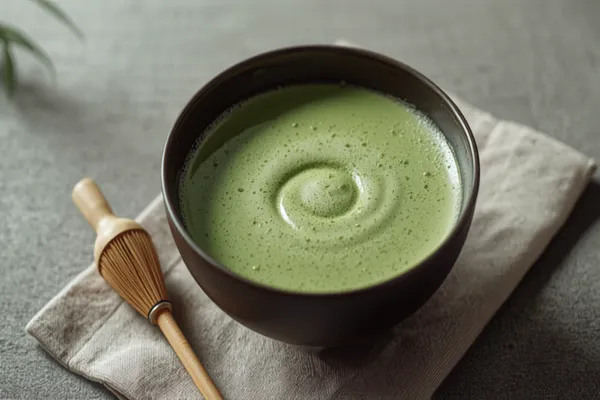
Japan (the chado tea tradition of Kyoto and Uji, home of Japan's finest matcha) · Japanese
Matcha (Whisked Usucha, Thin Tea)
How to whisk a proper bowl of usucha — thin matcha — with a bamboo chasen: bright, jade-green, frothed to a fine foam, and faintly sweet-bitter. The everyday face of Japan's centuries-old tea tradition, ready in two minutes on a home counter.
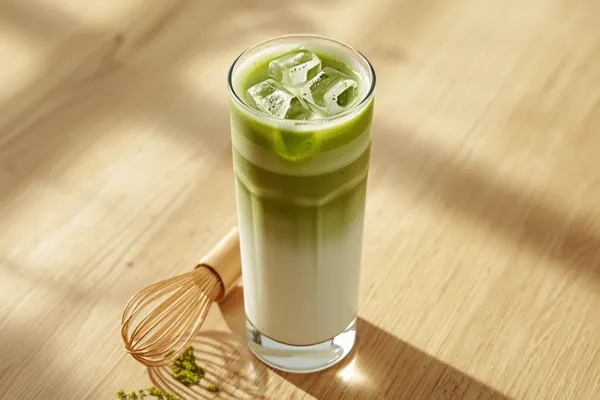
Japan (matcha tradition, Uji & Nishio) · Japanese
Matcha Latte (Whisked Japanese Green Tea Latte)
Stone-ground Japanese matcha whisked smooth and poured over steamed milk — grassy, sweet and gently caffeinated, with no bitterness when you make it right. A café favourite that's better and cheaper at home.
 21+
21+ American bars (via Japanese Midori) · Japanese-American
Midori Sour (Melon Liqueur, Lemon & Lime)
The bright-green retro sour: sweet Midori melon liqueur balanced with fresh lemon and lime, lengthened with a splash of soda. A vivid, nostalgic crowd-pleaser — sweet-tart, low-proof and unmistakably '80s.
From our kitchen community
Ratings & Reviews
My Rating
Tap a star to rate — no sign-in, no form needed.
My Review
0 Ratings
🥣 0 home cooks made it!
Be the first to rate Mapo Tofu (Sichuan Tofu in Spicy Bean Sauce).
Related Recipes
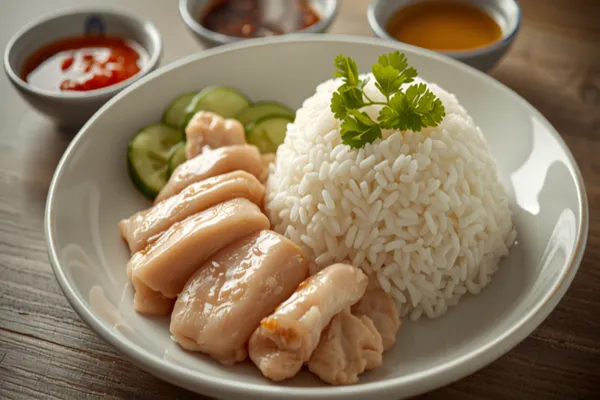
Singapore & Malaysia (Hainanese diaspora) / Southeast Asia · Singaporean & Malaysian
Hainanese Chicken Rice
The hawker-stall masterpiece of Singapore and Malaysia: a whole chicken gently poached to silky tenderness, rice cooked in the schmaltz-rich broth, served with a trio of sauces. Deceptively plain, ruthlessly precise, and one of the world's great comfort dishes.
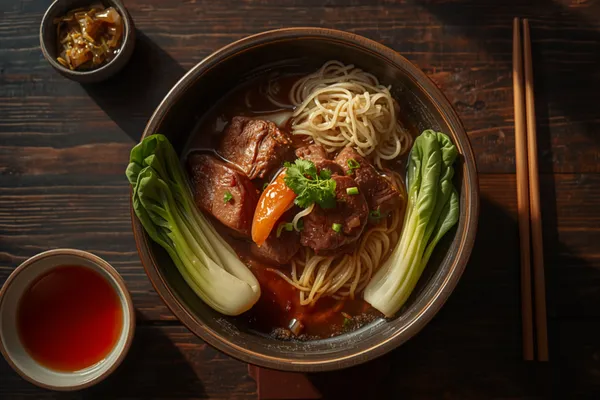
Taiwan — born in the juancun military-dependents' villages around Gangshan in Kaohsiung, perfected in the noodle shops of Taipei · Taiwanese
Taiwanese Beef Noodle Soup — Red-Braised Niu Rou Mian with Shank and Tendon
Taiwan's national bowl: beef shank and tendon braised for three hours in a dark, glossy broth built on fried chilli bean paste, caramelised rock sugar and tomato. The colour comes from frying the doubanjiang in oil, not from soy sauce — and that one step is the whole dish.