Naples, Campania · Italian
Neapolitan Pizza Margherita
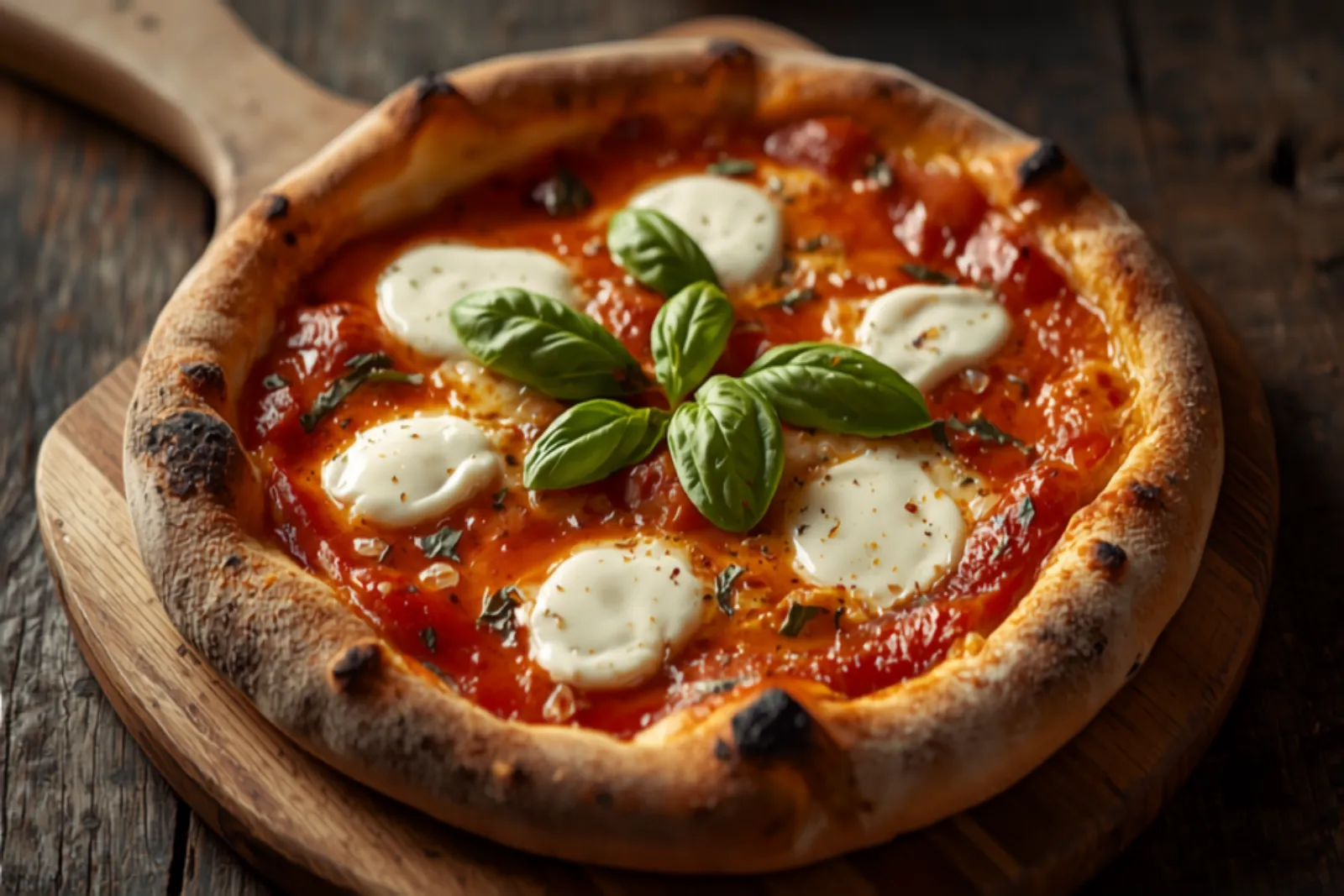
The original pizza: a slow-fermented dough stretched thin, topped simply with San Marzano tomatoes, fresh mozzarella, and basil, and blasted in the hottest oven you've got until the rim puffs and chars. Three toppings, one perfect pie.
Published June 20, 2026
Cultural context
Pizza as we know it was born in Naples, and the Margherita — tomato, mozzarella, basil, in the red-white-green of the Italian flag — was supposedly created in 1889 for Queen Margherita of Savoy. The true Neapolitan pizza is protected by its own governing body and celebrated at Napoli Pizza Village (Pizzafest), a huge seaside festival devoted entirely to the craft.
The Margherita is the pizza all other pizzas are measured against: a thin, slow-fermented dough, a thin layer of bright tomato, torn fresh mozzarella, a few basil leaves, and nothing else. It was born in Naples — the home of pizza itself — and the city loves it so much it throws a festival in its honour, Napoli Pizza Village, on the seafront each summer.
Three toppings sounds easy, and it is. The craft is all in the dough and the heat.
Time, not yeast
Great Neapolitan dough uses a tiny amount of yeast and a long, slow rise — anywhere from 8 to 72 hours. That patience is what builds the flavour, the light open crumb, and the puffed, blistered rim (the cornicione). It’s almost entirely hands-off; you just have to start the day before.
As hot as your oven will go
Neapolitan pizza is cooked fast and fierce. Crank the oven to its absolute maximum with a pizza stone or steel inside, preheated for a good 45 minutes so it acts like the floor of a wood-fired oven. That stored heat cooks the base in minutes and chars the rim before the toppings overcook. No stone? An upturned heavy baking tray, fully preheated, will do.
Stretch by hand, top sparingly
Stretch the dough by hand — never a rolling pin, which crushes the air out of the rim — and resist the urge to pile it high. A thin smear of uncooked crushed tomato, a little well-drained mozzarella, a thread of olive oil. Bake until blistered, then add the basil as it leaves the oven so it stays green and fragrant.
Looking for more festival food? Browse the World Festive collection or the full recipe collection.
Ingredients
For the dough
- 500 g Tipo 00 flour Finely milled Italian pizza flour gives the classic tender, stretchy crust. Strong bread flour works at a push.
- 325 ml cool water
- 10 g fine salt
- 2 g dried yeast A small amount — the long, slow rise builds flavour and digestibility.
For the topping
- 400 g (1 can) San Marzano tomatoes Crushed by hand, with just a pinch of salt. Do not cook them first — they cook on the pizza.
- 250 g fresh mozzarella (fior di latte or buffalo) Torn and drained well on paper towel, or it floods the pizza.
- 1 handful fresh basil leaves
- extra-virgin olive oil and salt
Method
Tap a step’s number to check it off as you go.
-
Dissolve the yeast in the water, then mix in the flour and salt to a shaggy dough. Knead 10 minutes until smooth and elastic. Cover and ferment 8–24 hours (room temperature for shorter, fridge for longer).
Why: A long, slow ferment with very little yeast is the heart of Neapolitan dough — it develops deep flavour, a light crumb, and the open, airy rim.
-
Divide into 4 balls, tucking each into a tight round. Rest, covered, for at least 2 more hours until puffy and relaxed.
Why: The second rise relaxes the gluten so the dough stretches easily without springing back or tearing.
-
Heat your oven as hot as it goes (250°C+/500°F+) with a pizza stone or steel inside for at least 45 minutes.
Why: Neapolitan pizza is defined by ferocious heat and a fast bake. A preheated stone or steel mimics the floor of a wood oven, cooking the base before the toppings overcook.
-
Gently stretch one dough ball by hand into a thin round, leaving a thicker rim. Don't use a rolling pin.
Why: Hand-stretching keeps the air in the rim (the cornicione); a rolling pin presses it all out and gives a flat, cracker-like crust.
-
Top sparingly: a thin layer of crushed tomato, a few torn pieces of well-drained mozzarella, a little olive oil. Slide onto the hot stone and bake 6–8 minutes until the rim is puffed and charred in spots.
Why: Less is more — an overloaded pizza steams and goes soggy. The high heat blisters the rim and melts the cheese in minutes.
-
Scatter with fresh basil as it comes out of the oven, and finish with a thread of olive oil.
Why: Basil added after baking stays fragrant and green rather than scorching to black in the oven.
A quick, anonymous tap — no review needed.
Variations
- Marinara (vegan)
The other Neapolitan original: tomato, garlic, oregano, and olive oil — no cheese at all. Simple and superb.
- No pizza stone
Use an overturned heavy baking tray, preheated, or cook on a screaming-hot cast-iron pan then finish under the grill to char the top.
- Same-day dough
Short on time? Use a little more yeast and a 3–4 hour room-temperature rise. The flavour is less developed but still good.
Serving & Storage
Serve each pizza whole and hot from the oven, eaten immediately while the rim is crisp and the centre soft. In Naples it's folded or eaten with a knife and fork — never left to go cold.
Pairs with: A simple rocket salad, Chilled lager or a light red, Chili oil for drizzling.
Storage: Pizza is best the moment it's baked. Dough can be made up to 3 days ahead and kept in the fridge. Reheat leftover slices in a hot dry pan, never the microwave.
Nutrition
Per serving (1 pizza)
- Calories
- 560
- Protein
- 24 g
- Carbs
- 78 g
- Fat
- 18 g
- Fiber
- 4 g
- Sugar
- 5 g
- Sodium
- 920 mg
Notable micronutrients: Calcium, Iron, Vitamin C
Estimated using standard ingredient data. Values vary with brands and substitutions.
Frequently Asked Questions
Do I need a pizza oven?
No, but you need maximum heat. A home oven cranked to its highest setting with a preheated pizza stone or steel gets you remarkably close. The goal is a base that cooks in minutes and a rim that chars — so preheat the stone for a good 45 minutes first.
What flour should I use?
Tipo 00, a finely milled Italian flour, gives the authentic tender, stretchy crust. Strong bread flour is a decent substitute. The bigger factor is the long, slow fermentation, which builds flavour and that light, airy rim.
Why is my pizza soggy in the middle?
Usually too much topping, or wet mozzarella. Use a thin layer of uncooked crushed tomato, drain the mozzarella well on paper towel, and don't overload it. A properly hot stone cooks the base fast enough to stay crisp.
Can I make the dough in advance?
Yes — and you should. A cold ferment of 24 to 72 hours in the fridge develops far better flavour and texture than a quick rise. Just bring the dough balls to room temperature before stretching.
What to drink with this
All drinks →Hand-picked pours to match this dish. Alcoholic pairings are for adults of legal drinking age (21+ in the US) — please drink responsibly.
 21+
21+ Veneto, Northern Italy (Venice & Padua) · Italian
Aperol Spritz (The Italian Sunset Aperitivo)
Italy's golden-hour spritz: Aperol, Prosecco and soda over ice with an orange slice. The 3-2-1 ratio, why the order you pour matters, and the lightest world-famous aperitivo.
 21+
21+ Florence, Italy (Tuscan aperitivo tradition) · Italian
Negroni (The Perfect Three-Part Aperitivo)
Equal parts gin, Campari and sweet vermouth, stirred over ice with an orange peel. Italy's great bitter aperitivo — the easiest world-class cocktail to remember and one of the hardest to improve on.

Jamaica & the Caribbean; England · Caribbean / British
Ginger Beer (Homemade, Fiery & Non-Alcoholic)
Fresh ginger, lime and sugar carbonated into a spicy, bracing brew — the real thing, far hotter than anything bottled. A Caribbean and British favourite that's the backbone of the Moscow Mule and Dark 'n' Stormy, and a sensational soda on its own.
From our kitchen community
Ratings & Reviews
My Rating
Tap a star to rate — no sign-in, no form needed.
My Review
0 Ratings
🥣 0 home cooks made it!
Be the first to rate Neapolitan Pizza Margherita.
Related Recipes
Catania, Sicily · Italian
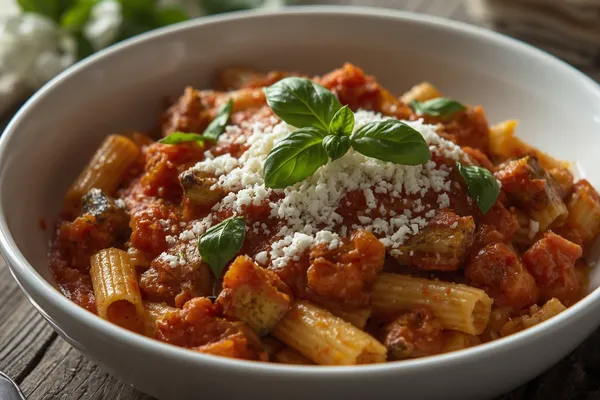
Pasta alla Norma (Sicilian Pasta with Fried Eggplant)
Catania's great eggplant pasta: fried aubergine folded into a bright tomato sauce, tossed with rigatoni, and showered with salty ricotta salata and torn basil. A vegetarian dish that eats like a celebration.
Bavaria · German
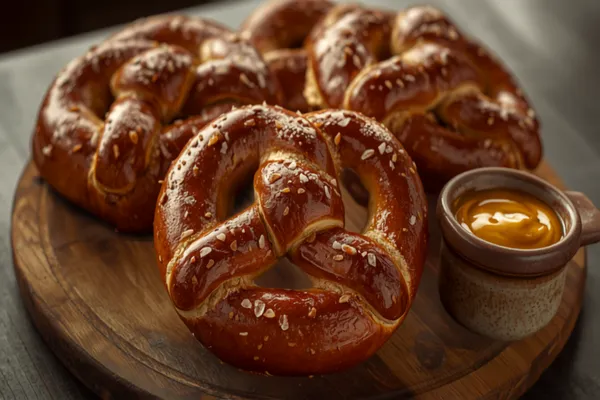
Bavarian Soft Pretzels (Brezn)
The mahogany-brown, lye-dipped soft pretzel of the Munich beer garden: a chewy, glossy crust giving way to a soft crumb, scattered with coarse salt. The Oktoberfest classic, made at home with a safe baking-soda bath.
Adjara, on Georgia's Black Sea coast (Batumi) · Georgian
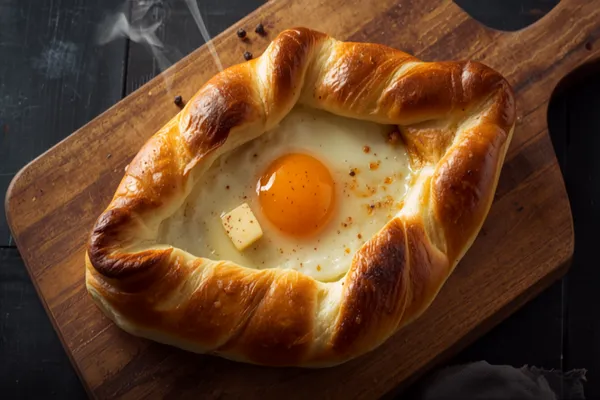
Khachapuri Adjaruli (Georgian Cheese Boat Bread)
The boat-shaped Georgian cheese bread of the Black Sea coast: a chewy, blistered crust cradling molten salty cheese, finished at the table with a raw yolk and a knob of butter stirred through. Tear, dip, repeat.