Punjab / North India · Indian
Gajar ka Halwa (Carrot Halwa)
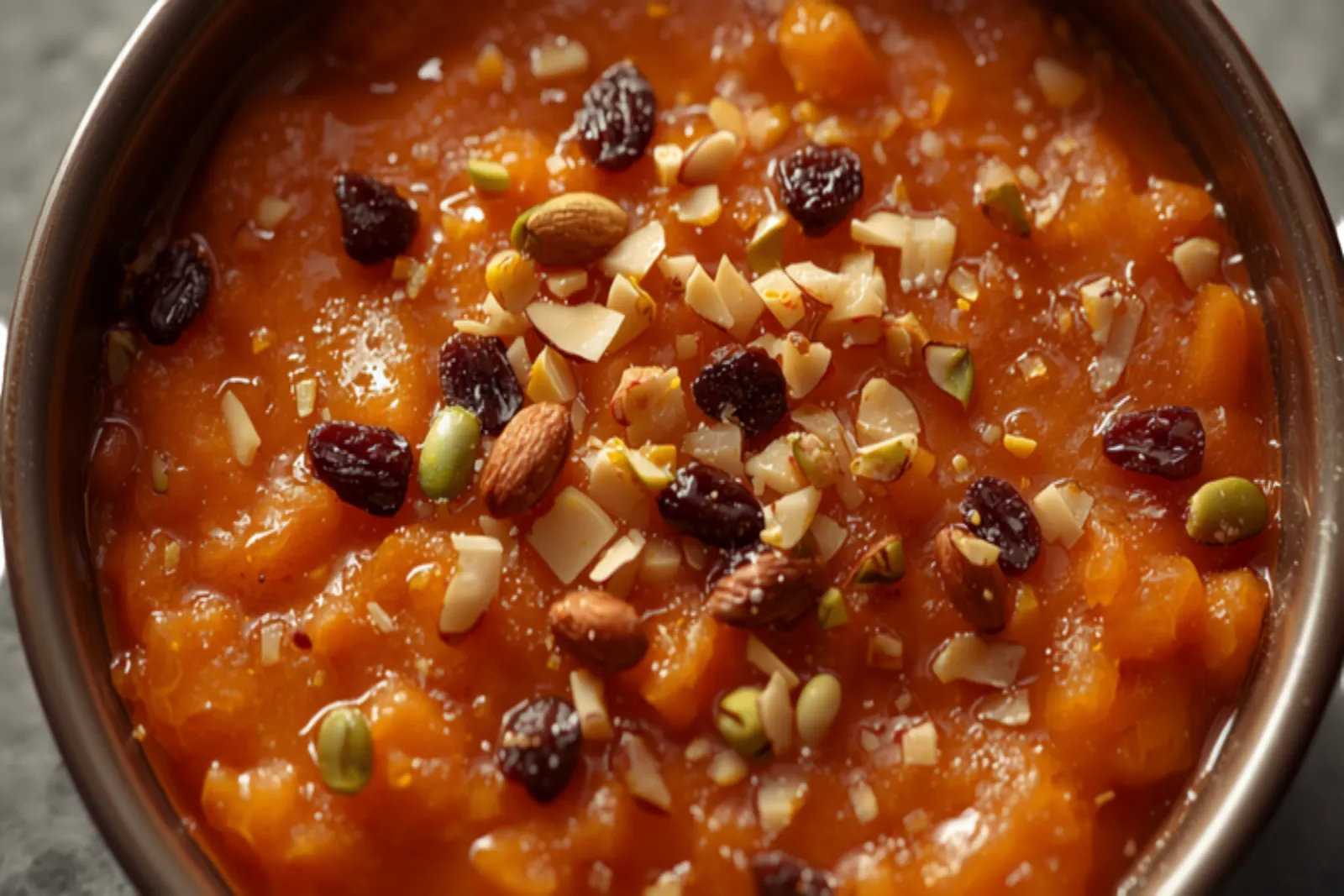
North India's beloved winter dessert: grated carrots slow-cooked in milk and ghee until jammy and rich, studded with nuts and scented with cardamom.
Published August 2, 2026
Cultural context
Gajar ka halwa is the great winter sweet of North India, made when the markets fill with sweet red Delhi carrots. It belongs to the Mughlai-influenced tradition of milk-reduced halwas and is the dessert of choice for winter weddings, Holi, Diwali and cold-weather feasts — traditionally cooked low and slow over hours, the carrots and milk reducing into a deep, jammy richness.
Gajar ka halwa is North India’s great winter dessert — grated carrots slow-cooked in milk and ghee until they collapse into a deep, jammy richness, studded with nuts and scented with cardamom. It arrives when the markets fill with sweet red Delhi carrots, and it’s the sweet of choice for winter weddings, Holi and Diwali.
The milk reduction is the dish
The soul of gajar ka halwa is patience: grated carrots cooked slowly in full-fat milk until the milk almost entirely reduces into them, concentrating into a creamy, rich base. This is the step that can’t be rushed — it’s where the depth comes from. (Condensed milk or khoya is the legitimate shortcut when time is short.)
Sugar after, not before
Sugar goes in only once the milk has reduced, because it releases water and loosens everything. Cook it back down until thick and jammy, then enrich with ghee, cardamom, fried nuts and raisins — and khoya if you want a wedding-rich version — until it turns glossy and the ghee just separates.
Serve it warm
Halwa is a winter sweet, best served warm, and the modern favourite pairing is a scoop of cold vanilla ice cream against the hot halwa. It keeps and reheats beautifully, so it’s a fine make-ahead festive sweet. Round out a sweets platter with gulab jamun and jalebi, and see Indian festival sweets.
Ingredients
- 1 kg carrots, grated Sweet red winter carrots (Delhi gajar) are traditional; regular carrots work, you may need a touch more sugar.
- 1 litre full-fat milk The milk reduces into the carrots — full-fat is essential for richness.
- 1/2 cup sugar, or to taste
- 4 tbsp ghee
- 1/2 tsp ground cardamom
- 3 tbsp mixed nuts (cashews, almonds, pistachios), chopped
- 1 tbsp raisins
- optional: 2 tbsp khoya/mawa (reduced milk solids) for extra richness
Method
Tap a step’s number to check it off as you go.
-
Sauté the grated carrots in 1 tablespoon of ghee for 5 minutes, then add the milk and cook on medium, stirring often, until the milk has almost fully reduced — about 30–40 minutes.
Why: Slowly reducing the milk into the carrots is the heart of the dish; it concentrates into a rich, creamy base and cooks the carrots to softness. This step can't be rushed without losing depth.
-
Add the sugar and keep cooking — it will loosen as the sugar melts — until the moisture cooks off again and the mixture thickens.
Why: Adding sugar early releases water, so it goes in after the milk reduces; cooking it back down keeps the halwa thick and jammy, not watery.
-
Stir in the remaining ghee, the cardamom, nuts, raisins and khoya (if using), and cook a few more minutes until glossy and the ghee just separates.
Why: The final ghee and khoya enrich the halwa and give the glossy finish; frying the nuts and raisins in at the end keeps them fragrant and plump.
-
Serve warm, or at room temperature, garnished with extra nuts. It's excellent with a scoop of vanilla ice cream (a popular modern pairing).
Why: Halwa is traditionally served warm in winter; the warm-cold contrast with ice cream is a beloved restaurant presentation.
A quick, anonymous tap — no review needed.
Variations
- Quick (condensed milk)
Use condensed milk instead of reducing fresh milk for a faster halwa; reduce or skip the added sugar.
- Vegan
Cook the carrots in full-fat coconut or almond milk with coconut oil; finish with jaggery for a dairy-free halwa.
- Khoya-rich (mawa halwa)
Add more khoya and less milk for a denser, richer, wedding-style halwa.
Serving & Storage
Serve warm in winter as a dessert or festive sweet, garnished with slivered almonds and pistachios. A scoop of vanilla ice cream on the side is a popular contrast.
Pairs with: Vanilla ice cream, Masala chai, Festive thali, Rabri.
Storage: Keeps 4–5 days refrigerated and reheats beautifully with a splash of milk or a little ghee. It also freezes well for up to a month — a good make-ahead festive sweet.
Nutrition
Per serving (1 serving)
- Calories
- 320
- Protein
- 7 g
- Carbs
- 34 g
- Fat
- 18 g
- Fiber
- 4 g
- Sugar
- 28 g
- Sodium
- 90 mg
Notable micronutrients: Vitamin A, Calcium, Vitamin E
Estimated using standard ingredient data. Values vary with brands and substitutions.
Frequently Asked Questions
Which carrots are best for gajar ka halwa?
Sweet red winter carrots (Delhi gajar) are the traditional choice — they're sweeter, more tender and give a deeper colour. Regular orange carrots work fine; just taste and add a little more sugar if needed.
Can I make gajar ka halwa faster?
Yes — use condensed milk or khoya instead of slowly reducing fresh milk, or cook the carrots in a pressure cooker first. The slow milk-reduction method has the most depth, but the quick versions are good when you're short on time.
Why is my halwa watery?
The milk or the released sugar-water wasn't cooked down enough. Keep cooking and stirring after adding sugar until the moisture evaporates and the mixture thickens and the ghee starts to separate — that's when it's done.
What to drink with this
All drinks →Hand-picked pours to match this dish.
Pan-Indian (the everyday tea of the subcontinent) · Indian
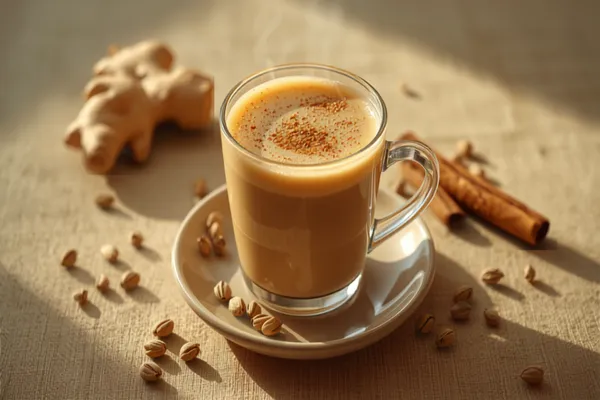
Masala Chai (Spiced Indian Tea)
India's daily ritual in a cup: black tea brewed with milk, sugar and freshly crushed spices. The proper stovetop method, plus how to build your own masala.
North & West India (peak-summer drink across the subcontinent) · Indian
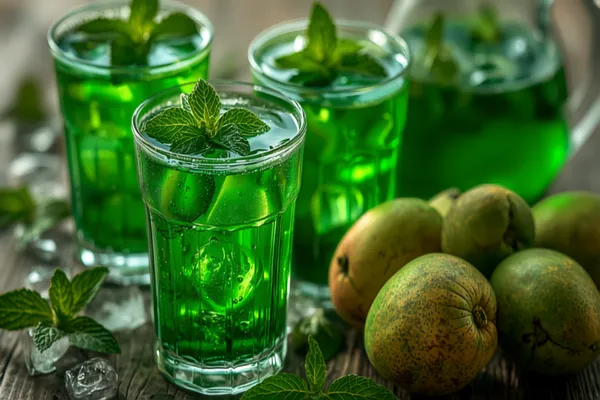
Aam Panna (Raw Green Mango Summer Cooler)
India's tangy, jade-green raw-mango cooler — roasted or boiled green mangoes blended with cumin, black salt and mint. The traditional heat-stroke remedy that tastes like summer.
Pan-Indian (North & West India) · Indian
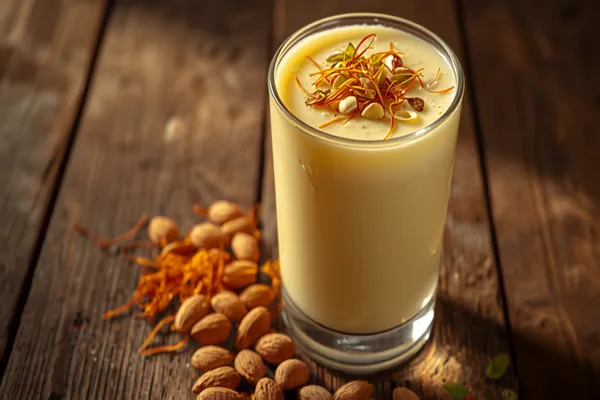
Badam Milk (Saffron Almond Milk)
Milk simmered with a paste of soaked almonds, saffron, cardamom and a whisper of nutmeg — India's rich, fragrant almond drink. Comforting served warm in winter, reviving served chilled in summer, festive any time.
From our kitchen community
Ratings & Reviews
My Rating
Tap a star to rate — no sign-in, no form needed.
My Review
0 Ratings
🥣 0 home cooks made it!
Be the first to rate Gajar ka Halwa (Carrot Halwa).
Related Recipes
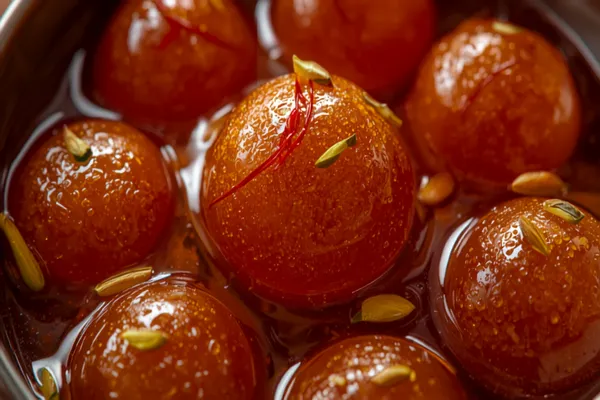
North India / pan-Indian · Indian
Gulab Jamun (Milk Dumplings in Rose-Cardamom Syrup)
The king of Indian sweets: soft khoya dumplings fried to deep gold and soaked in warm rose-and-cardamom syrup until they swell, juicy and melting. The dessert no Diwali or wedding is complete without.
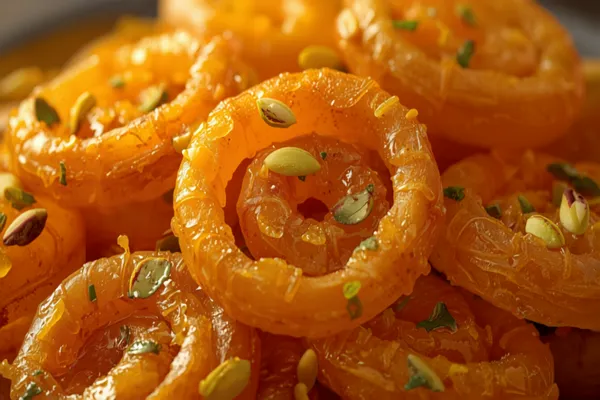
North India / pan-Indian (and across West and South Asia) · Indian
Jalebi (Crisp Syrup-Soaked Spirals)
India's festive sweet: fermented batter piped into spirals, fried crisp, and soaked in saffron syrup. Crunchy outside, juicy inside, and best eaten hot.
Pan-Indian (the everyday tea of the subcontinent) · Indian
Masala Chai (Spiced Indian Tea)
India's daily ritual in a cup: black tea brewed with milk, sugar and freshly crushed spices. The proper stovetop method, plus how to build your own masala.
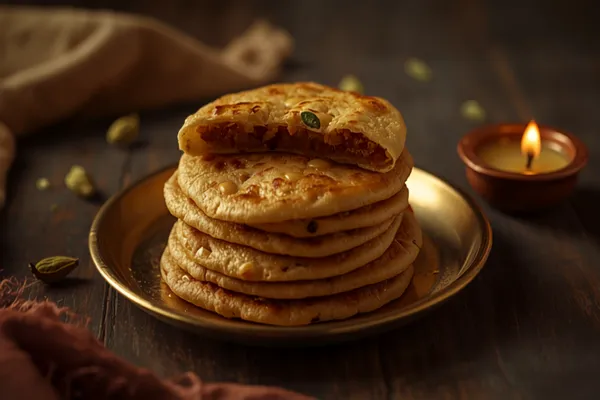
Maharashtra · Indian
Puran Poli (Maharashtrian Sweet Stuffed Flatbread)
A soft, ghee-glossed flatbread stuffed with a spiced chana dal and jaggery filling — the festive sweet of Maharashtra made for Holi and Gudi Padwa. Fragrant with cardamom and nutmeg, tender enough to tear with your fingers.
Further reading
- Festival & SeasonalIndian Festival Sweets: From Diwali to EidIn India, no celebration is complete without mithai. A guide to the sweets that define the festival calendar — the Diwali mithai box, the Eid dessert table, and the regional treasures of Bengal and the south — and what makes each one special.
- Cultural Story · North IndiaA Complete Guide to North Indian CookingThe cuisine the world knows best — and understands least. From Punjab's tandoor and dairy to Kashmir's aromatic Wazwan and Awadh's courtly kebabs, a guide to North India's regions, techniques, and where to begin.