Gujarat / West India · Indian
Undhiyu (Gujarati Mixed Winter Vegetable Casserole)
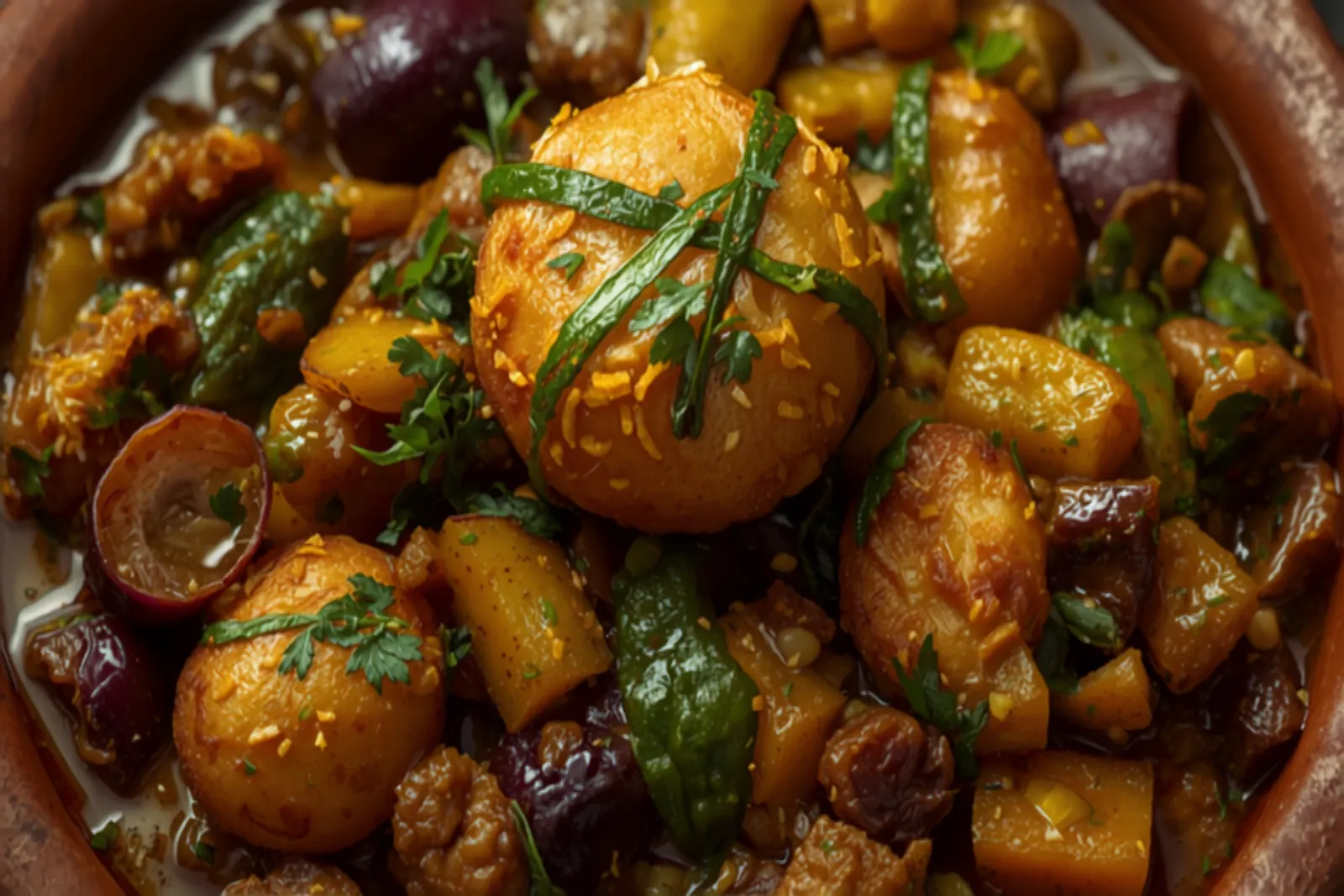
Gujarat's grand winter dish: a slow-cooked medley of seasonal vegetables and fried fenugreek dumplings (muthia) in a fragrant green masala of coriander, coconut, and green garlic. Festive, layered, and the pride of Uttarayan.
Published July 2, 2026
Cultural context
Undhiyu is the celebratory winter dish of Gujarat, especially around Uttarayan (the January kite festival), when seasonal vegetables are at their peak. The name comes from 'undhu' (upside down) — it was traditionally cooked in earthen pots buried upside down underground. Surti undhiyu (from Surat) is the most famous version.
Undhiyu is Gujarat’s great winter feast in a single pot — a slow-cooked medley of seasonal vegetables and fried fenugreek dumplings in a fragrant green masala of coriander, coconut, and green garlic. It’s the dish of Uttarayan, the January kite festival, when the winter vegetables it depends on are at their best, and it’s as much a labour of love as a recipe.
A dish named for how it’s cooked
Undhiyu comes from undhu, “upside down”: it was traditionally cooked in earthen pots buried upside down underground and heated from above — an ingenious early slow-cooker. Few people bury pots now, but the principle survives: gentle, layered, mostly undisturbed cooking that lets a dozen vegetables share one masala without collapsing into mush.
The components
Undhiyu is built from parts. Muthia — dumplings of chickpea flour and fenugreek leaves, fried golden — add texture and a balancing bitterness. A fresh green masala of coriander, coconut, green garlic, and chili is the flavour, used both to stuff the small vegetables and to coat the whole. Then the winter produce: surti papdi (flat beans), purple yam, small potatoes, raw banana, baby eggplant, sweet potato.
Layer, stuff, and be patient
Slit and stuff the small vegetables with masala, then layer everything by cooking time and let it cook gently and covered, undisturbed, until tender. Fold the muthia in near the end so they don’t dissolve. It’s a project — but it’s a festive one, meant for a celebration, traditionally served with puris and jalebi.
For the rest of the Gujarati table, see kadhi and thepla, or browse the full recipe collection.
Ingredients
For the muthia (fenugreek dumplings)
- 1 cup besan (chickpea flour)
- 1 cup fresh fenugreek leaves (methi), chopped
- turmeric, chili powder, salt, a pinch of sugar, water — then deep-fried
For the green masala
- 1 cup fresh coriander, chopped
- 1/2 cup grated coconut
- 1/4 cup green garlic (or regular garlic) and ginger
- green chilies, sugar, lemon, salt, ground coriander-cumin
For the vegetables
- about 6 cups winter vegetables Surti papdi (flat beans), small potatoes, purple yam (ratalu), raw banana, small eggplant, sweet potato — the seasonal mix is the point.
For cooking
- 1/4 cup oil
- 1/2 tsp ajwain (carom) and asafoetida
Method
Tap a step’s number to check it off as you go.
-
Make the muthia: mix besan, chopped methi, and spices into a stiff dough, shape into small dumplings, and deep-fry until golden. Set aside.
Why: The fried fenugreek dumplings are an essential component — they add texture and a slightly bitter depth that balances the sweet vegetables.
-
Make the green masala: grind (or finely mix) the coriander, coconut, green garlic, ginger, chili, sugar, lemon, and spices into a thick paste.
Why: This fresh green masala is the flavour of undhiyu; stuffing and coating the vegetables with it perfumes the whole dish.
-
Slit the small vegetables (eggplant, potato) and stuff them with some of the green masala.
Why: Stuffing carries the masala into the heart of each vegetable, the traditional touch that makes undhiyu special.
-
Heat oil with ajwain and asafoetida, then layer in the vegetables by cooking time (yam and beans first), with the remaining masala and a little water. Cover and cook gently, undisturbed, until all are tender.
Why: Slow, layered, mostly undisturbed cooking — echoing the buried-pot original — lets each vegetable cook in the shared masala without turning to mush. Stirring hard breaks them up.
-
Fold in the fried muthia near the end, finish with lemon and coriander, and rest before serving.
Why: Adding the muthia late keeps them from dissolving; a rest lets the flavours settle.
A quick, anonymous tap — no review needed.
Variations
- Oven / pressure-cooker
Layer and cook in a heavy covered pot or pressure cooker for a faster version; the traditional buried-pot method is rarely done at home now.
- Lighter (fewer fried elements)
Bake or air-fry the muthia and use less oil; the dish is still rich from the coconut masala.
- Kathiyawadi-style
Adjust the masala to be spicier and less sweet for an inland Kathiyawadi take versus the sweeter Surti style.
Serving & Storage
Serve hot with puris or rotli, traditionally alongside jalebi during Uttarayan. It's a festive centrepiece, not an everyday side.
Pairs with: Puri, Rotli, Jalebi, Chaas (buttermilk).
Storage: Keeps 2–3 days refrigerated and reheats well; the flavours deepen overnight. Add the muthia fresh if you can, as they soften over time.
Nutrition
Per serving (about 1.5 cups)
- Calories
- 380
- Protein
- 10 g
- Carbs
- 44 g
- Fat
- 19 g
- Fiber
- 10 g
- Sugar
- 10 g
- Sodium
- 520 mg
Notable micronutrients: Vitamin A, Vitamin C, Folate
Estimated using standard ingredient data. Values vary with brands and substitutions.
Frequently Asked Questions
What vegetables go in undhiyu?
Winter and seasonal vegetables: surti papdi (flat beans), small potatoes, purple yam (ratalu), raw banana, small eggplant, and sweet potato are classic, along with the fried methi muthia. The seasonal medley is the whole idea — undhiyu is a celebration of winter produce.
Why is it called undhiyu?
From the Gujarati 'undhu' (upside down) — traditionally it was slow-cooked in earthen pots (matlu) buried upside down underground and heated from above, an early slow-cooker. Home versions now use a covered pot, but the gentle, layered cooking echoes the original.
What are muthia?
Muthia are dumplings of chickpea flour and fenugreek leaves, here deep-fried and folded into the undhiyu. They add texture and a pleasant bitterness that balances the sweet vegetables and masala.
What to drink with this
All drinks →Hand-picked pours to match this dish.
Pan-Indian (Gujarat & West India especially) · Indian
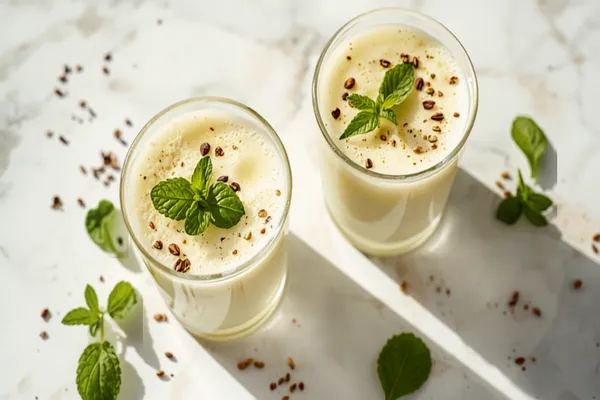
Chaas (Spiced Indian Buttermilk / Masala Chaas)
Whisked yogurt thinned with water and seasoned with cumin, green chilli, ginger and curry leaves — India's cooling, savoury buttermilk. A salty-tangy digestive that beats the heat and settles a heavy meal in two minutes.
North & West India (peak-summer drink across the subcontinent) · Indian
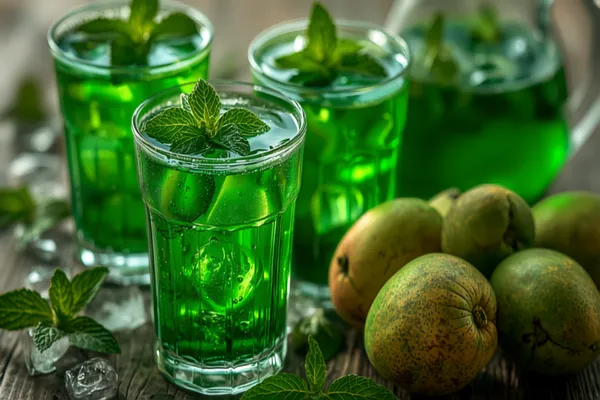
Aam Panna (Raw Green Mango Summer Cooler)
India's tangy, jade-green raw-mango cooler — roasted or boiled green mangoes blended with cumin, black salt and mint. The traditional heat-stroke remedy that tastes like summer.
Pan-Indian (North & West India) · Indian
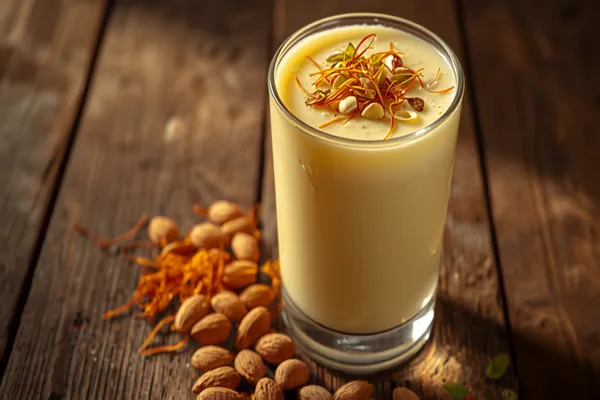
Badam Milk (Saffron Almond Milk)
Milk simmered with a paste of soaked almonds, saffron, cardamom and a whisper of nutmeg — India's rich, fragrant almond drink. Comforting served warm in winter, reviving served chilled in summer, festive any time.
From our kitchen community
Ratings & Reviews
My Rating
Tap a star to rate — no sign-in, no form needed.
My Review
0 Ratings
🥣 0 home cooks made it!
Be the first to rate Undhiyu (Gujarati Mixed Winter Vegetable Casserole).
Related Recipes
Gujarat / West India · Indian
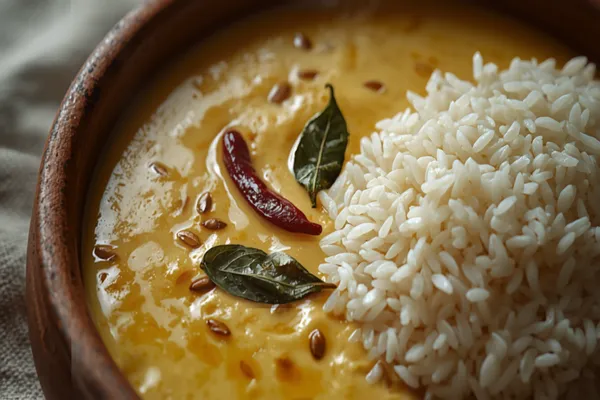
Gujarati Kadhi (Sweet-and-Tangy Yogurt Curry)
The soothing soul of a Gujarati thali: a silky, gently sweet-and-sour curry of yogurt and chickpea flour, tempered with cumin, curry leaves, and a whisper of clove and cinnamon. Light, warming, and made to pour over rice or khichdi.
Gujarat / West India · Indian
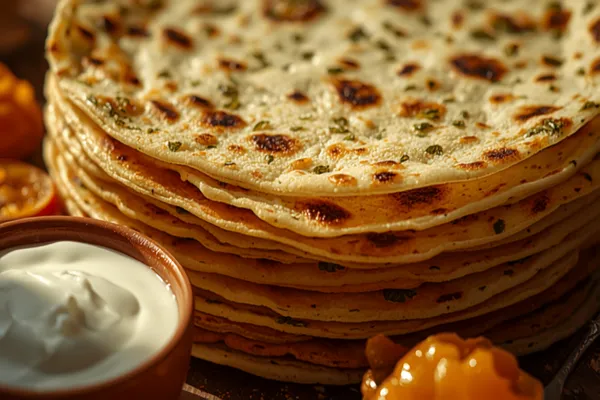
Thepla (Gujarati Fenugreek Flatbread)
Gujarat's travel-ready flatbread: soft, thin rounds of whole-wheat dough kneaded with fresh fenugreek, yogurt, and spices, griddled with a little oil. They keep for days, which is why no Gujarati journey leaves home without them.

Maharashtra · Indian
Puran Poli (Maharashtrian Sweet Stuffed Flatbread)
A soft, ghee-glossed flatbread stuffed with a spiced chana dal and jaggery filling — the festive sweet of Maharashtra made for Holi and Gudi Padwa. Fragrant with cardamom and nutmeg, tender enough to tear with your fingers.