Northern China · Chinese
Pork and Chive Potstickers (Jiaozi)
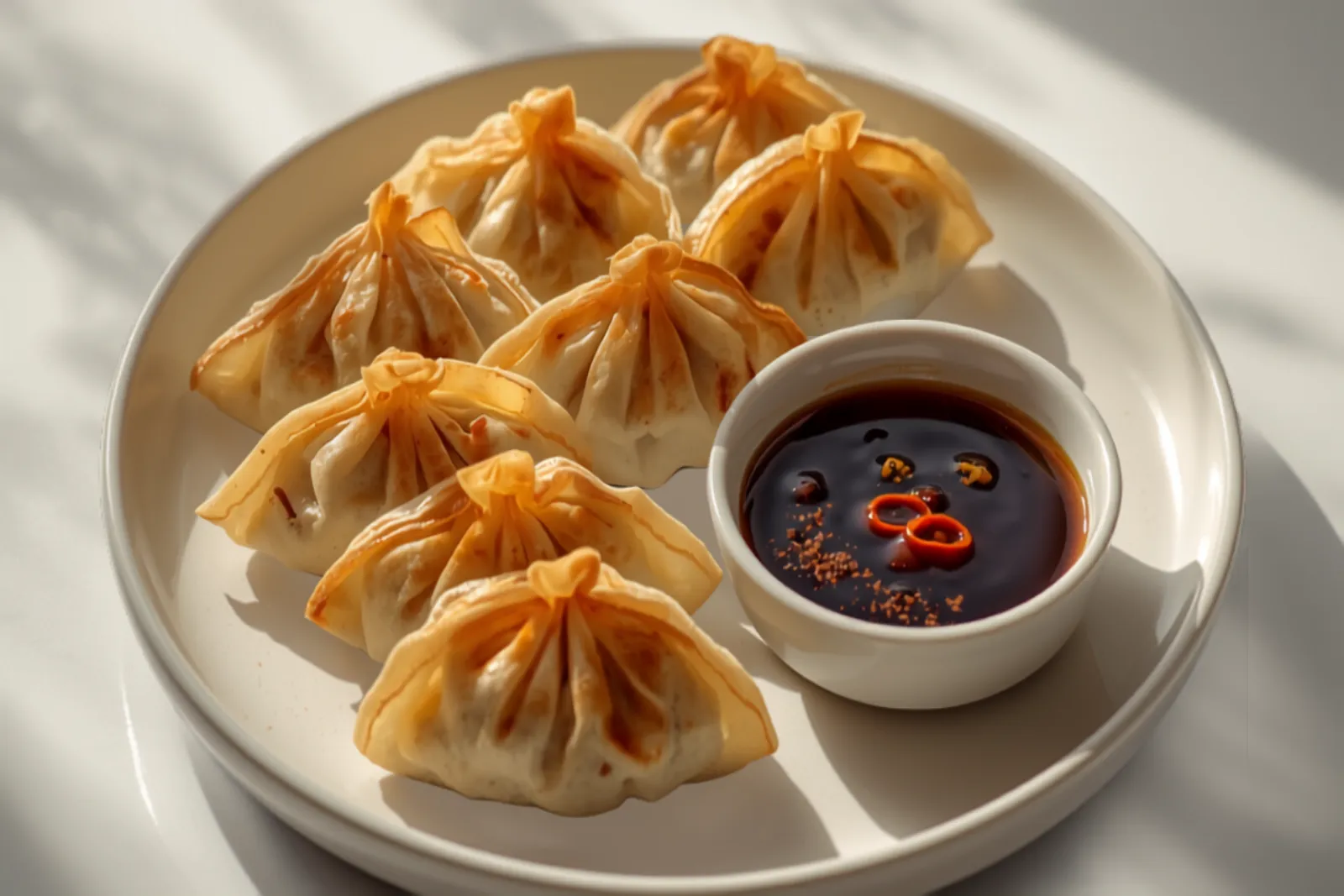
The dumplings at the heart of Chinese celebration: juicy pork-and-chive filling folded into pleated wrappers, then pan-fried crisp on the bottom and steamed soft on top. A hands-on, make-together feast — fold a big batch and freeze the rest.
Published June 20, 2026
Cultural context
Jiaozi — Chinese dumplings — are the essential food of celebration in northern China, folded by the family and eaten especially at Lunar New Year, when their ingot-like shape symbolises wealth and the folding itself is a communal ritual. Pan-fried, they become guotie ('pot-stick'), crisp-bottomed potstickers. Dumplings are honoured at festivals across the Chinese world, from New Year tables to dedicated dumpling festivals.
Jiaozi — Chinese dumplings — are celebration food. In northern China the whole family gathers to fold them, especially at Lunar New Year, when their plump, ingot-like shape stands for wealth and the folding itself is the point as much as the eating. Pan-fried until the bottoms turn golden and crisp, they become guotie, the potstickers loved the world over, and dumplings of every kind are honoured at festivals across the Chinese world.
Making them is a project best shared — put on some music, recruit some hands, and fold a big batch.
Juicy filling starts with water
The single most important trick is counterintuitive: beat cold water (or stock) into the ground pork a little at a time until it’s absorbed. This is what gives a cooked dumpling its burst of savoury juice inside, rather than a dry little meatball. Use pork with some fat in it, and fold the chopped chives in last so they stay fresh and don’t make the filling weep.
Fold without overfilling
A teaspoon of filling per wrapper is plenty — overfill and you’ll never seal it. Wet the edge, fold into a half-moon, press out the air, and crimp firmly. Pleating is traditional and pretty, but a simple sealed half-moon cooks identically; what matters is a tight seal and no trapped air.
Fry, then steam
The magic of the potsticker is one pan and two stages: fry the flat bottoms in oil until golden and crisp, then add a splash of water and slam the lid on to steam the tops and cook the filling through. When the water’s gone, let the bases re-crisp for a final minute. Serve crisp-side up with a sharp black-vinegar-and-chili-oil dip — and freeze whatever you didn’t cook, raw, to pan-fry straight from frozen another day.
Looking for more festive feasting? Browse the World Festive collection or the full recipe collection.
Ingredients
For the filling
- 400 g ground pork Not too lean — about 20% fat keeps the dumplings juicy.
- 150 g Chinese chives (garlic chives) or regular chives, finely chopped The classic partner to pork; finely shredded napa cabbage can be added or substituted.
- 1 tbsp fresh ginger, grated
- 2 cloves garlic, grated
- 2 tbsp soy sauce
- 1 tbsp Shaoxing wine
- 1 tbsp sesame oil
- 3 tbsp cold water or chicken stock Beaten into the pork — the secret to juicy, not dry, filling.
- white pepper and a pinch of sugar
For wrapping and cooking
- 1 pack (about 40) round dumpling wrappers Fresh, from the chilled section of an Asian grocery. Or make your own from flour and water.
- for frying neutral oil
For the dipping sauce
- black vinegar, soy sauce, chili oil, and slivered ginger
Method
Tap a step’s number to check it off as you go.
-
Mix the pork with the ginger, garlic, soy, wine, sesame oil, white pepper, and sugar. Beat in the cold water a little at a time until absorbed, then fold in the chopped chives.
Why: Beating water into the pork keeps the filling moist and creates juices inside the cooked dumpling. Adding the chives last keeps them fresh and stops them weeping.
-
Place a teaspoon of filling in the centre of a wrapper. Wet the edge, fold into a half-moon, and pleat one side to seal, pressing out air.
Why: Don't overfill or it won't seal; pressing out air stops the dumplings bursting. Pleating is traditional, but a simple sealed half-moon works fine.
-
To cook, heat oil in a non-stick or cast-iron pan over medium-high and arrange the dumplings flat-side down in a single layer. Fry 2–3 minutes until the bottoms are golden.
Why: Crisping the base first gives potstickers their signature golden, crunchy bottom (the 'pot-stick').
-
Carefully add a splash of water (about 60 ml) to the hot pan and immediately cover with a lid. Steam 5–6 minutes until the water evaporates and the wrappers are translucent and cooked.
Why: The water steams the tops and cooks the filling through; the lid traps the steam. This fry-then-steam method is what defines guotie.
-
Uncover and let the bottoms re-crisp for another minute, then lift out (crisp-side up) and serve with the dipping sauce.
Why: Letting the last moisture cook off re-crisps the base. Serving crisp-side up shows off the golden bottom.
A quick, anonymous tap — no review needed.
Variations
- Vegetarian
Fill with chopped napa cabbage, mushrooms, tofu, and chives, seasoned the same way. Squeeze excess water from the cabbage first so the filling isn't wet.
- Boiled (shuijiao)
Instead of pan-frying, drop the dumplings into boiling water until they float and are cooked through — the most common way to eat jiaozi at home, especially at New Year.
- Prawn and pork
Add chopped raw prawns to the pork filling for a juicier, surf-and-turf dumpling.
Serving & Storage
Serve hot, crisp-side up, with a dipping sauce of black vinegar, soy, chili oil, and ginger. Dumplings are a communal dish — set the platter in the middle and let everyone dig in.
Pairs with: Black vinegar and chili oil dip, Stir-fried greens, Hot-and-sour soup, Jasmine or green tea.
Storage: Freeze raw, uncooked dumplings on a tray until solid, then bag — they keep 3 months and cook straight from frozen (add a couple of minutes' steaming). Cooked dumplings keep 2 days; re-crisp in a pan.
Nutrition
Per serving (6 dumplings)
- Calories
- 290
- Protein
- 14 g
- Carbs
- 32 g
- Fat
- 12 g
- Fiber
- 1 g
- Sugar
- 1 g
- Sodium
- 640 mg
Notable micronutrients: Iron, Selenium
Estimated using standard ingredient data. Values vary with brands and substitutions.
Frequently Asked Questions
How do I keep the filling juicy?
Beat cold water or stock into the ground pork a little at a time until it's absorbed — this is the key to juicy dumplings, creating little pockets of savoury liquid inside. Also use pork with some fat (around 20%); very lean pork makes dry dumplings.
Can I freeze dumplings?
Yes, and you should make extra. Freeze them raw in a single layer on a tray so they don't stick, then transfer to a bag. Cook straight from frozen — no need to thaw — just add a couple of extra minutes of steaming. They're one of the best things to have in the freezer.
What's the difference between potstickers, jiaozi, and gyoza?
Jiaozi is the general Chinese term for these dumplings; potstickers (guotie) are the pan-fried, crisp-bottomed version; gyoza is the Japanese adaptation, usually with thinner wrappers and a finer filling. The fry-then-steam cooking method here is shared by potstickers and gyoza.
Do I have to pleat them?
No — pleating looks beautiful and is part of the tradition, but a simple well-sealed half-moon cooks exactly the same. The important things are not overfilling, pressing out the air, and sealing the edge firmly so they don't burst.
What to drink with this
All drinks →Hand-picked pours to match this dish. Alcoholic pairings are for adults of legal drinking age (21+ in the US) — please drink responsibly.
Japan (the chado tea tradition of Kyoto and Uji, home of Japan's finest matcha) · Japanese
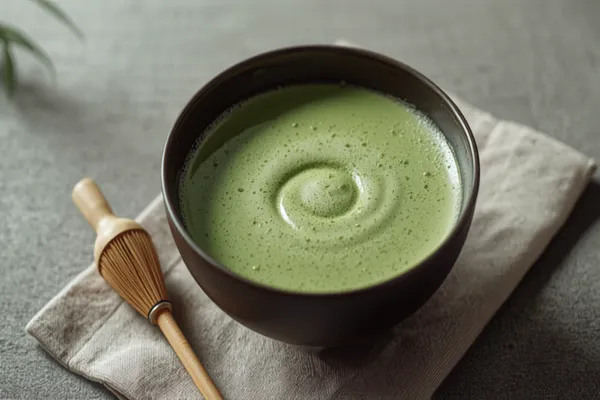
Matcha (Whisked Usucha, Thin Tea)
How to whisk a proper bowl of usucha — thin matcha — with a bamboo chasen: bright, jade-green, frothed to a fine foam, and faintly sweet-bitter. The everyday face of Japan's centuries-old tea tradition, ready in two minutes on a home counter.
Japan (matcha tradition, Uji & Nishio) · Japanese
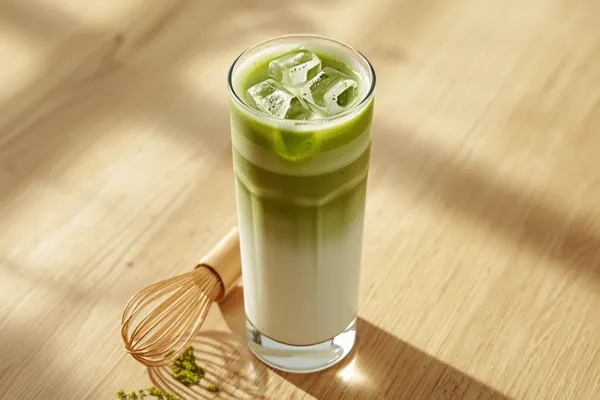
Matcha Latte (Whisked Japanese Green Tea Latte)
Stone-ground Japanese matcha whisked smooth and poured over steamed milk — grassy, sweet and gently caffeinated, with no bitterness when you make it right. A café favourite that's better and cheaper at home.
 21+
21+ American bars (via Japanese Midori) · Japanese-American
Midori Sour (Melon Liqueur, Lemon & Lime)
The bright-green retro sour: sweet Midori melon liqueur balanced with fresh lemon and lime, lengthened with a splash of soda. A vivid, nostalgic crowd-pleaser — sweet-tart, low-proof and unmistakably '80s.
From our kitchen community
Ratings & Reviews
My Rating
Tap a star to rate — no sign-in, no form needed.
My Review
0 Ratings
🥣 0 home cooks made it!
Be the first to rate Pork and Chive Potstickers (Jiaozi).
Related Recipes
Sichuan · Chinese
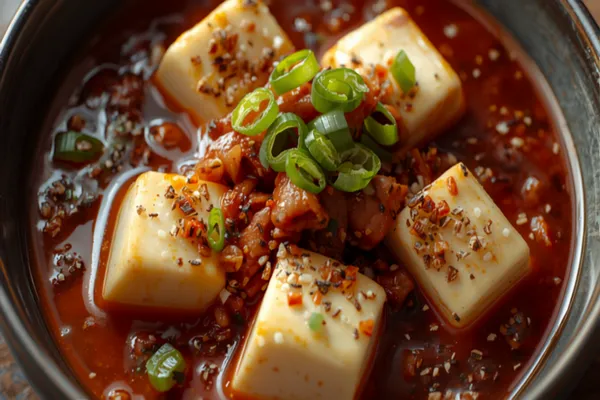
Mapo Tofu (Sichuan Tofu in Spicy Bean Sauce)
The great tofu dish of Sichuan: silky cubes of tofu in a fiery, savoury sauce of fermented broad-bean paste and minced pork, finished with the tongue-tingling buzz of ground Sichuan pepper. Ready in 20 minutes and built on a handful of pantry powerhouses.
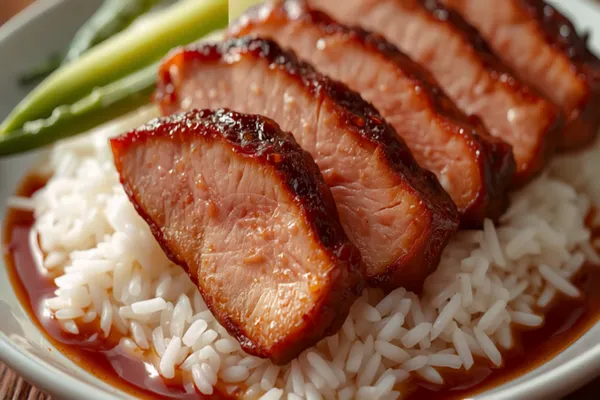
Guangdong (Cantonese) · Chinese
Char Siu (Cantonese Barbecue Pork)
The lacquered red-edged pork that hangs in every Cantonese roast-meat window: pork shoulder marinated in a sweet-savoury glaze of hoisin, soy, honey, and five-spice, then roasted and basted until sticky and caramelised. Easier at home than you'd think.
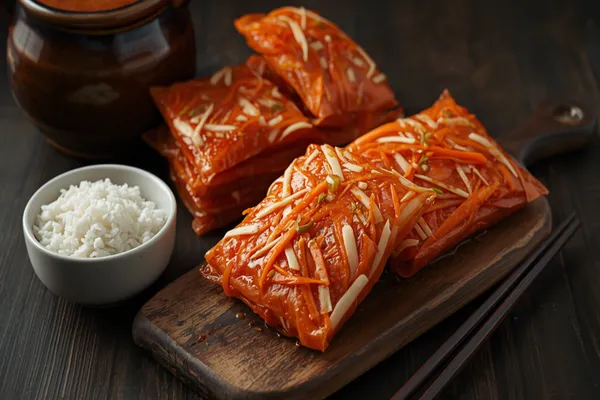
Korea — the kimjang tradition, from mild Pyongyang-style kimchi in the north to the seafood-heavy kimchi of Jeolla in the south · Korean
Baechu-Kimchi (Traditional Napa Cabbage Kimchi)
Korea's defining side dish, made the whole-leaf way: napa cabbage brined until it bends, packed leaf by leaf with a gochugaru paste of garlic, ginger, fish sauce and salted shrimp, then left to sour into something deep, fizzy and alive.
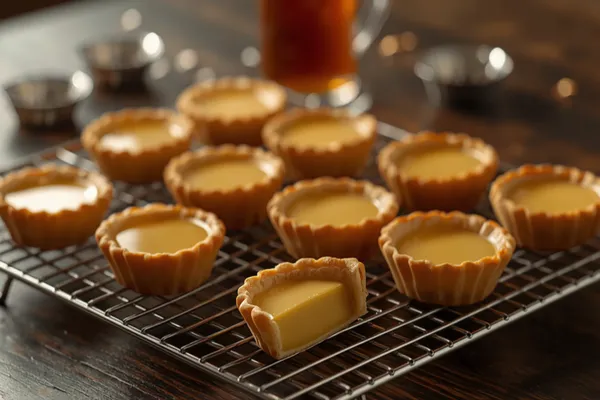
Hong Kong — the cha chaan teng and bing sutt bakeries of Central, Wan Chai and Kowloon, with roots in 1920s Guangzhou · Hong Kong
Hong Kong Egg Tarts (Daan Taat)
The glassy, wobble-free custard tart of Hong Kong's cha chaan teng — a short, biscuity butter crust, a filling of whole eggs and evaporated milk strained twice until it sets clear, and a two-stage bake that browns the pastry before the custard ever has a chance to soufflé.
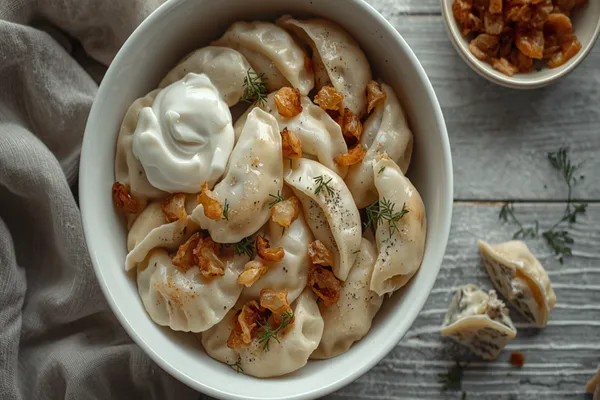
Poland — eaten nationwide, but named for Ruś (Red Ruthenia), the historic borderland now split between south-eastern Poland and western Ukraine · Polish
Pierogi Ruskie (Polish Potato and Twaróg Dumplings)
Poland's most-loved pierogi: a hot-water dough rolled thin enough to see through, wrapped around floury potato, tangy twaróg curd cheese and onions fried slowly to deep gold — boiled, buttered, and eaten under a spoonful of sour cream.
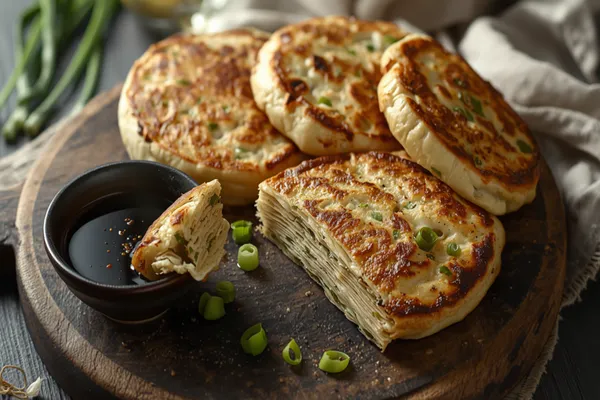
Shanghai and the lower Yangtze, drawing on the northern wheat belt of Shandong and Henan where the bing tradition began · Chinese
Cong You Bing — Chinese Scallion Pancakes with Shatteringly Flaky Layers
Flour, water, oil and spring onions, laminated like puff pastry and fried until the layers separate into flakes. The two things that decide the outcome are a half-boiling-water dough and an oil roux — not plain oil — between the sheets.
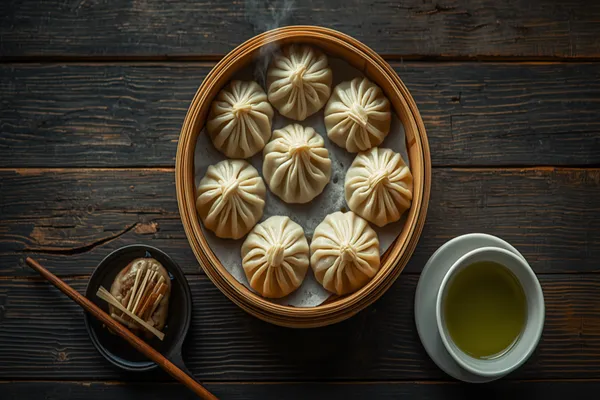
Nanxiang, in Shanghai's western Jiading district — and the teahouse counters around Yu Garden that carried it into the city · Chinese
Xiaolongbao (Shanghai Soup Dumplings, the Nanxiang Way)
The dumpling that carries its own soup: chilled pork aspic folded into the filling, sealed inside a thin unleavened wrapper with eighteen pleats, and steamed until the jelly melts back into broth. Every part of the technique exists to protect that liquid.
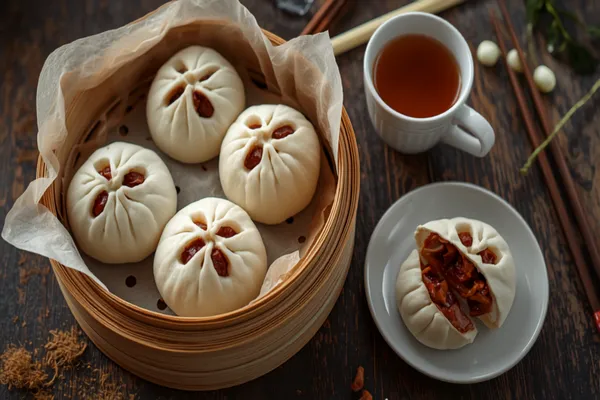
Guangzhou and the Pearl River Delta — the yum cha teahouses of Guangdong, and the dim sum halls of Hong Kong that carried them worldwide · Chinese
Char Siu Bao (Cantonese Steamed BBQ Pork Buns)
The cloud-white dim sum bun that splits open at the top like a laughing mouth: low-gluten dough steamed around a jellied sauce studded with sweet-savoury char siu. The filling is set firm on purpose — that is the whole trick.